

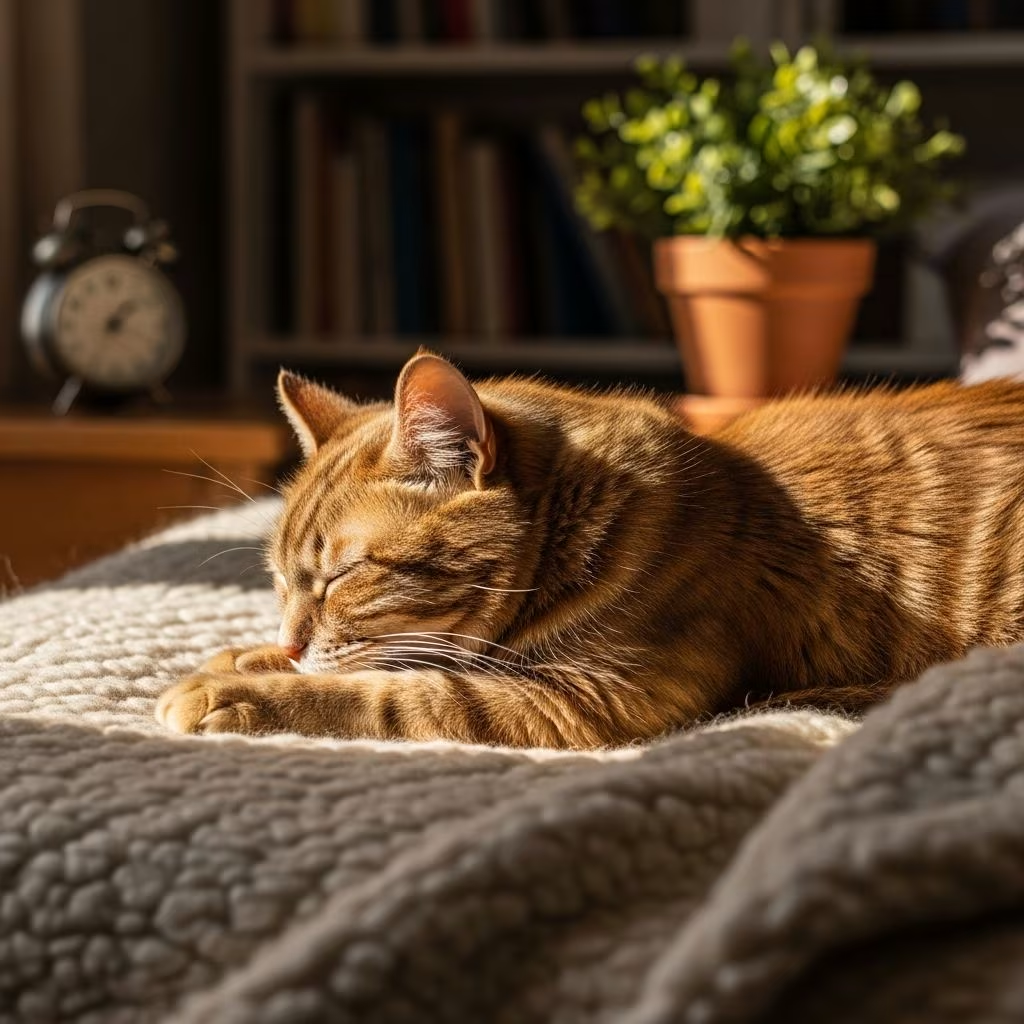
How Much Do Senior Cats Sleep?
Cats are renowned for their love of sleep, and this tendency becomes even more pronounced as they age. Regardless of their age, cats spend at least half of their days sleeping, but senior cats take this to another level. Adult cats generally sleep 12–16 hours a day, whereas senior cats can sleep as much as 18 hours a day, according to veterinary experts. This significant increase in rest time is a natural part of the aging process and reflects the physical changes that occur in your feline companion’s body.
The reason senior cats require additional sleep is rooted in their physiology. As cats enter their senior years, their bodies require more time to rest and recover. This extended rest period is driven by several factors, including a natural decrease in energy levels, age-related physical changes, and a reduced metabolic rate. Understanding this shift is essential for cat owners to ensure they’re not unnecessarily concerned about their aging pet’s increased napping behavior.
Understanding Cat Sleep Cycles
Before diving deeper into senior cat sleep requirements, it’s important to understand how cats sleep in general. While a cat’s sleeping schedule might seem indulgent—even enviable to busy pet parents—a cat’s sleeping style is fundamentally different from human sleep patterns. Rather than sleeping deeply for hours straight, cats cycle through 20- to 30-minute bursts of deep sleep. In other words, they’re taking catnaps throughout the day and night.
This unique sleep cycle is necessary for a cat’s natural predatory state. Instead of one long night’s sleep, which could potentially leave them drowsy later in the day, cats maintain their sharp, predatory instincts by resting in shorter intervals. Having more frequent sleeps allows them to be more alert and aware for more of the time when they’re awake, which serves an important evolutionary purpose even in domestic cats.
Is My Senior Cat Sleeping Too Much?
One of the most common concerns senior cat owners have is whether their pet is sleeping excessively. Generally speaking, a senior cat’s sleep schedule will look different from a younger one’s, and this is completely normal. However, there are thresholds beyond which you should seek veterinary advice. Sleeping significantly more than 20 hours a day, or a sudden, drastic increase in lethargy, can be a cause for concern and warrants a consultation with your veterinarian.
Pay attention to the context of your cat’s sleep patterns. If your senior cat has gradually increased their sleep time over months as they aged, this is likely a natural progression. However, if you notice a sudden and dramatic change in your cat’s behavior or energy levels, this could indicate an underlying health issue that requires professional evaluation.
Factors Affecting Sleep in Senior Cats
As cats age, several factors can significantly impact their sleep quality and patterns. Understanding these influences can help you provide the best care for your senior feline, ensuring they sleep well and stay healthy throughout their golden years.
Environmental Factors and Comfort
Regardless of age, a cat’s environment plays a crucial role in their sleep quality. Disruptive factors like loud noises, frequent disturbances, uncomfortable bedding, or the absence of a quiet, cozy sleeping spot can interfere with your cat’s ability to rest properly. Senior cats are particularly sensitive to environmental stressors and may struggle to find comfortable positions for sleeping. Providing a calm, comfortable environment can significantly improve their sleep quality and overall well-being.
Health Issues That Affect Senior Cats’ Sleep
Certain health conditions commonly seen in older cats can dramatically impact their sleep patterns. These conditions may cause discomfort, anxiety, or physical limitations that make restful sleep difficult.
Arthritis: Pain caused by joint inflammation can make it challenging for your cat to find a comfortable sleeping position, resulting in disturbed sleep. Cats with arthritis may circle excessively before settling down or seek out new areas to lie down, which are signs that your cat is feeling uncomfortable.
Hyperthyroidism: This condition can cause increased activity and restlessness, making it difficult for your cat to settle down and sleep peacefully.
Kidney Disease: This common condition in senior cats can affect sleep quality and overall comfort.
Hypertension: High blood pressure in cats can contribute to sleep disturbances and restlessness.
Chronic Pain: Persistent pain from various sources plays a significant role in disrupting sleep, as cats search for comfortable positions and struggle with their discomfort.
Cognitive Dysfunction: Similar to dementia in humans, cognitive dysfunction in cats can cause disorientation, sleep-wake cycle disruption, and excessive vocalization.
Common Sleep Disruption Signs
Watch for these warning signs that may indicate your senior cat is experiencing sleep issues:
Excessive vocalization at night: This may signal pain, anxiety, or cognitive issues requiring veterinary attention.
Restlessness and pacing: Difficulty settling down can be linked to joint pain or other medical conditions.
Changes in litter box habits: Altered toilet behavior or loss of litter training could be a sign of urinary tract issues or other health concerns.
Circling before lying down: Excessive circling may indicate discomfort or difficulty finding a comfortable position.
If you observe any of these symptoms in your senior cat, it’s best to seek advice from your veterinarian. Timely identification and appropriate care can greatly enhance your cat’s overall well-being.
Senior Cat Sleep-Wake Cycles
A common change in senior cats is a shift in their sleep-wake cycles. While cats are naturally crepuscular—meaning they’re most active at dawn and dusk—older cats may become more active at night and sleep more during the day. Some senior cats even reverse their activity patterns entirely, becoming nocturnal while their owners try to sleep.
This change in sleep cycles is natural and generally nothing to worry about, though it can occasionally disrupt owners, especially with indoor cats. The shift occurs because senior cats have less energy to expend and may conserve it for nighttime activities when their environment is quieter and less stimulating. Understanding this adjustment can help you manage their routine and your expectations without unnecessary stress.
Tips for Promoting Healthy Sleep in Senior Cats
Creating an optimal sleep environment and routine for your senior cat requires thoughtful consideration and planning. By implementing these strategies, you can significantly improve your cat’s sleep quality and overall health.
Provide Orthopedic Bedding
A senior cat may prefer to sleep on a soft, supportive surface. If your cat has always slept on the same hard surface, consider adding an orthopedic bed to the area. These specialized beds provide extra cushioning and support for aging joints, making sleep more comfortable for cats with arthritis or other mobility issues. Multiple soft bedding options throughout your home allow your senior cat to choose their preferred sleeping spots.
Reduce Noise and Distractions
A calm environment is crucial for restful sleep. Limit loud activities, especially near your cat’s sleeping areas. Providing quiet zones where they feel safe will help them sleep peacefully throughout the day. Consider relocating your cat’s sleeping area away from high-traffic zones, loud appliances, or areas where sudden noises are common.
Maintain a Consistent Routine
Older cats benefit tremendously from a predictable daily routine. Regular feeding times and light evening play sessions can help regulate their sleep-wake cycle and provide structure to their day.
Scheduled Feeding: Offer meals consistently, with the final meal close to bedtime. This helps manage digestion and prepares your cat for sleep. Consistent meal times also help regulate their internal clock and sleep-wake cycle.
Evening Playtime: Engage in gentle, low-impact play before bedtime, such as using feather toys or puzzle feeders. This helps burn off extra energy and promotes relaxation without overexerting your aging pet.
Maintain a Consistent Sleep Environment
For indoor cats, it’s essential to keep their sleeping areas quiet and free from disturbances, especially at night. A calm environment helps them settle in and sleep peacefully. Temperature stability is also important—keep the sleeping area at a comfortable temperature, as senior cats may be more sensitive to temperature fluctuations.
Minimize Disruptions
Consistency is crucial for promoting healthy sleep. Stick to a predictable nighttime routine that allows your cat to relax. If you anticipate needing to move around at night, try to avoid disrupting your cat’s rest as much as possible. Use soft lighting and minimize sudden movements or loud noises that could startle your sleeping senior cat.
Enrichment During Waking Hours
While sleep is important for senior cats, they also benefit from appropriate enrichment when they are awake. Providing mental and physical stimulation during their active hours can help maintain their cognitive function and overall health. Consider puzzle feeders, window perches for bird watching, or gentle interactive play sessions. These activities help keep your senior cat engaged and can contribute to better sleep quality at night.
When to Consult Your Veterinarian
It’s important to distinguish between normal aging-related sleep changes and potential health concerns. Talk to your vet if you notice:
– Sudden or dramatic changes in your senior cat’s sleep patterns
– Sleeping significantly more than 20 hours per day
– Signs of discomfort, pain, or distress during sleep
– New or worsening nighttime vocalization
– Changes in litter box behavior accompanying sleep changes
– Restlessness that prevents your cat from sleeping
– Loss of previously learned habits or increased disorientation
Your veterinarian can perform a thorough evaluation, identify any underlying health conditions, and recommend appropriate treatment or management strategies to improve your senior cat’s sleep quality.
Frequently Asked Questions
Q: What is considered normal sleep for a senior cat?
A: Senior cats typically sleep between 16 to 20 hours per day. While some cats may sleep up to 18 hours daily, sleeping more than 20 hours continuously or a sudden dramatic increase in sleep may warrant veterinary evaluation.
Q: Why do senior cats sleep more than younger cats?
A: Senior cats sleep more due to decreased energy levels, age-related physical changes, and reduced metabolic rates. Their bodies require additional rest and recovery time as they age.
Q: Is it normal for my senior cat to be active at night?
A: Yes, many senior cats shift their activity patterns and become more active at night while sleeping during the day. This is a natural part of aging, though it can sometimes disrupt owners’ sleep.
Q: What can I do to help my senior cat sleep better?
A: Provide orthopedic bedding, maintain a quiet environment, establish consistent feeding and play routines, and minimize nighttime disturbances. A calm, comfortable sleeping space is essential for senior cats.
Q: When should I be concerned about my senior cat’s sleep?
A: Consult your veterinarian if you notice sudden or dramatic changes in sleep patterns, excessive vocalization at night, signs of pain or distress, or if your cat is sleeping more than 20 hours daily.
Q: Could my senior cat’s sleep problems indicate a health issue?
A: Yes, conditions like arthritis, hyperthyroidism, kidney disease, and cognitive dysfunction can affect sleep quality. If you notice sleep disturbances accompanied by other behavioral changes, contact your vet.
Q: How can I support my senior cat’s comfort during sleep?
A: Choose soft, supportive bedding, maintain comfortable room temperature, provide multiple resting spots, reduce environmental noise, and consider pain management options if your cat has arthritis.
References
- How to Recognize and Care for Your Senior Cat’s Evolving Sleep Patterns — 79pets.com. 2024. https://79pets.com/blogs/pet-care-articles/recognizing-and-caring-for-your-senior-cats-changing-sleep-patterns
- How Much Do Senior Cats Sleep? — Chewy Education. 2024. https://www.chewy.com/education/cat/training-and-behavior/how-much-should-my-senior-cat-sleep
- Loving Care for Older Cats — Cornell University College of Veterinary Medicine. 2024. https://www.vet.cornell.edu/departments-centers-and-institutes/cornell-feline-health-center/health-information/feline-health-topics/loving-care-older-cats
- Older Cats with Behavior Problems — ASPCA. 2024. https://www.aspca.org/pet-care/cat-care/common-cat-behavior-issues/older-cats-behavior-problems
- Ageing Cats and Sleep – Patterns & Care — Purina UK. 2024-07-03. https://www.purina.co.uk/articles/cats/senior/behaviour/decoding-your-senior-cats-changing-sleep-patterns



