

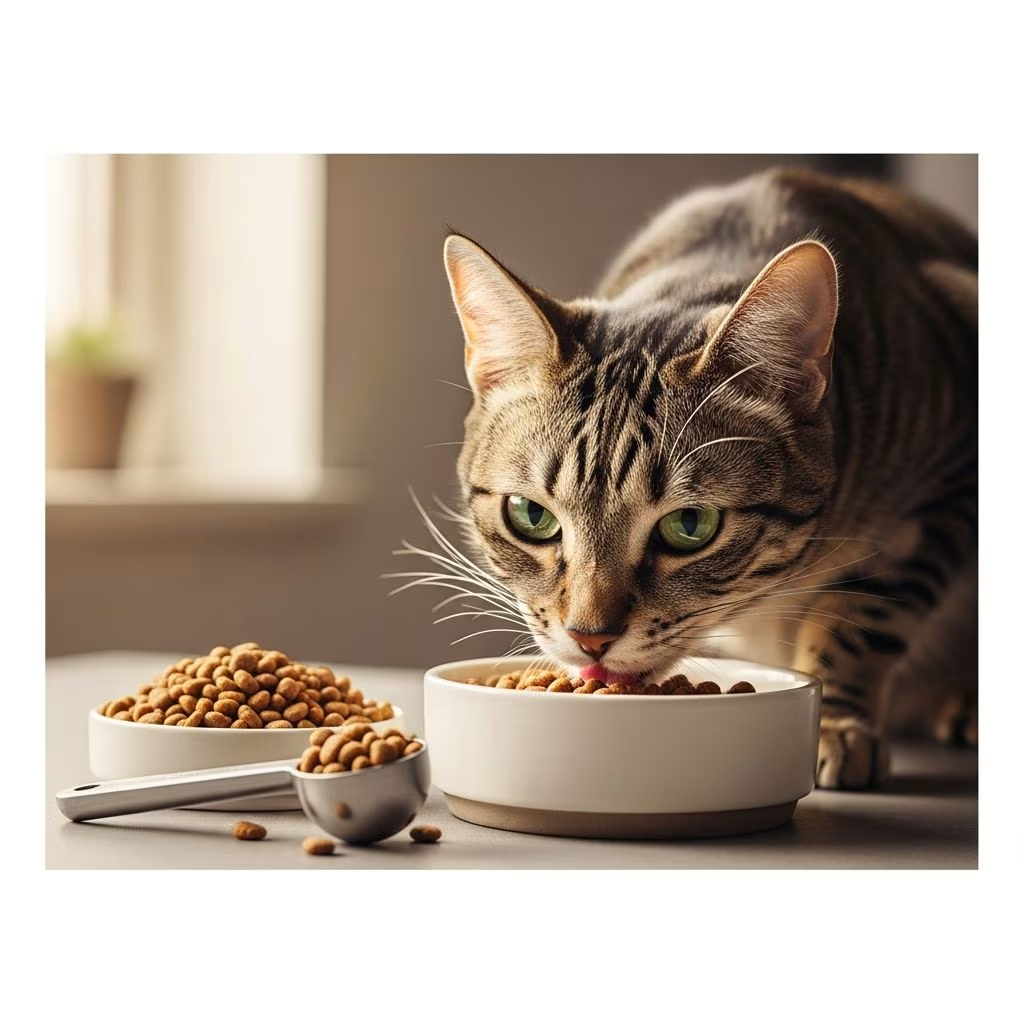
How Much Should I Feed My Cat: Complete Feeding Guidelines
Determining the right amount of food for your cat is one of the most important decisions you can make as a pet parent. Proper nutrition plays a crucial role in maintaining your feline companion’s weight, energy levels, and overall health. However, feeding cats isn’t a one-size-fits-all approach—the amount your cat needs depends on several factors including age, weight, activity level, metabolism, and the specific type of food you’re feeding. Understanding these variables and following proper feeding guidelines can help prevent obesity, malnutrition, and diet-related health issues.
Understanding Your Cat’s Nutritional Needs
Before determining portion sizes, it’s essential to understand what nutrients your cat requires. Cats are obligate carnivores, meaning they require a diet primarily composed of animal-based protein. Unlike humans or dogs, cats have unique nutritional requirements that differ significantly from other species.
According to the Association of American Feed Control Officials (AAFCO), cats need six essential nutrient categories for optimal health. Protein serves as the foundation of feline nutrition, with adult cats requiring a minimum of 26 percent crude protein on a dry matter basis, while kittens and pregnant or nursing cats need at least 30 percent. Fat provides the most concentrated energy source and supplies essential fatty acids like omega-3 and omega-6, which support skin and coat health. Carbohydrates play a lesser role in cat nutrition, and while cats can digest carbs for energy, most calories should come from protein and fat sources. Additionally, vitamins, minerals, and water are critical for maintaining proper body function, bone health, nerve function, and overall wellbeing.
Daily Feeding Guidelines for Adult Cats
The amount of food your adult cat needs depends primarily on their weight, activity level, and the type of food you’re providing. Most adult cats maintain a healthy weight when fed the appropriate portions based on their individual needs.
Dry Food Portions
For adult cats of average size weighing between 8 to 12 pounds, the general recommendation is to provide approximately one-half to two-thirds cup of high-quality dry food per day. This measurement is based on a standard 8-ounce measuring cup. However, this is just a baseline—individual cats may require more or less depending on their specific metabolism and activity level. Indoor cats that are less active may need closer to the lower end of this range, while active outdoor cats might require additional calories.
When selecting dry food, always check the feeding guidelines on the package, as different formulas have varying caloric densities. Premium and raw-blend kibbles tend to be more nutrient-dense than standard formulas, meaning your cat may require smaller portions to meet their caloric needs. It’s important to measure portions carefully using a proper measuring cup rather than free-feeding, as this helps prevent overfeeding and weight gain.
Wet Food Portions
Wet cat food provides excellent hydration for cats, who are naturally poor water drinkers and often obtain most of their water from food sources rather than drinking bowls. For adult cats of average size, the general recommendation is between 7 to 11 ounces of wet food per day when serving as a complete and balanced meal. The exact amount depends on whether the wet food is pâté-style, shredded, or in morsels, as these different textures and formats have varying densities and caloric content.
Many pet parents find that combining wet and dry foods provides optimal nutrition and hydration. You might serve wet food as part of their daily intake and supplement with dry kibble, or alternate between the two throughout the day to keep mealtimes interesting while ensuring proper hydration.
Feeding Kittens: Special Nutritional Needs
Kittens have significantly different nutritional requirements than adult cats due to their rapid growth and development. Growing from a tiny newborn of just four ounces to a full-sized adult cat requires substantial energy, proteins, fats, vitamins, minerals, and other nutrients in precise amounts and proportions.
Kitten Protein Requirements
Because of their accelerated growth and development, kittens require even more protein than adult cats. The AAFCO minimum protein level for kitten foods is 30 percent, compared to 26 percent for adult maintenance. High-quality kitten formulas should have meat or fish and meat or fish meals as the primary ingredients, with plant-based protein sources and carbohydrates kept to minimal levels or eliminated entirely.
Wet kitten foods typically offer superior nutritional profiles compared to dry options, containing higher protein and lower carbohydrate levels that better match a kitten’s natural nutritional needs. Hill’s Science Diet Kitten Healthy Cuisine is an example of a well-formulated wet food designed specifically for growing kittens.
Kitten Feeding Schedules
Kittens are designed to eat multiple small meals throughout the day rather than one or two large meals. A 4 to 6-month-old kitten’s daily food intake should be divided into at least three meals per day to support their high energy demands and promote healthy digestion.
Very young kittens require even more frequent feeding. Newborn kittens through 8 weeks of age may need to eat four to six times daily, while 8 to 12-week-old kittens typically benefit from three to four meals per day. By the time kittens reach 4 to 6 months old, they can transition to three meals daily, and by 6 months and beyond, they can move toward adult feeding schedules of once or twice daily.
Proper kitten growth is typically measured by weight gain. Young kittens should gain approximately 15 to 20 grams daily, and you should monitor their progress during veterinary visits to ensure they’re growing appropriately for their breed and size.
Factors Affecting Daily Caloric Needs
Several individual factors influence how much food your cat actually needs beyond just their age and weight. Understanding these variables helps you determine the appropriate portion size for your specific feline companion.
Activity Level
Indoor cats that spend most of their time resting and lounging typically have lower caloric requirements than active outdoor cats or cats that engage in frequent play and exercise. If your cat is relatively sedentary, you may need to feed at the lower end of the recommended portion range to prevent excessive weight gain. Conversely, highly active cats may require additional calories to maintain their energy levels and healthy weight.
Metabolism and Breed
Individual cats have varying metabolic rates, meaning some cats naturally burn calories faster than others despite being the same age and weight. Certain breeds may also have specific nutritional requirements. Some cats are simply more efficient at utilizing calories, while others may have faster metabolisms requiring increased food intake.
Health Status and Age
Senior cats may have different nutritional needs than middle-aged adults, particularly regarding protein digestibility. Cats dealing with health conditions, recovering from illness, or taking certain medications may require dietary adjustments. Always consult with your veterinarian if your cat has specific health concerns that might impact their feeding requirements.
Indoor Cat Feeding Considerations
Indoor cats face unique feeding challenges compared to outdoor cats. Since they have limited opportunities for physical activity and natural hunting behaviors, indoor cats are more prone to obesity and weight-related health issues like diabetes.
Top veterinary recommendations for feeding indoor cats include the following strategies. First, encourage regular exercise through interactive play sessions, climbing structures, and environmental enrichment to increase daily caloric expenditure. Second, feed your indoor cat approximately 200 calories daily, divided into smaller meals rather than one large feeding. This approach helps maintain steady energy levels and reduces overeating. Third, choose indoor cat formulas specifically designed with lower calorie content than standard adult formulas, helping prevent excessive weight gain while still meeting all nutritional requirements.
Choosing the Right Food Type
High-Quality Protein Sources
When selecting cat food, prioritize options with high-quality animal-based protein sources listed as the first ingredient. The best sources of essential amino acids are animal proteins rather than plant-based alternatives. Cats have a short digestive tract that absorbs and utilizes animal protein much more efficiently than plant protein, making meat and fish-based formulas superior to grain or legume-based options.
Complete and Balanced Nutrition
To be considered complete and balanced, a cat diet must contain all essential nutrients in correct proportions to meet your cat’s specific life stage needs. Look for cat foods with an AAFCO statement of nutritional adequacy on the label, which indicates the food has been formulated to meet established nutritional standards for your cat’s age group.
Wet vs. Dry Food Comparison
| Characteristic | Wet Food | Dry Food |
|---|---|---|
| Protein Content | Higher protein levels | Variable, often lower |
| Carbohydrate Content | Lower carbs | Higher carbs |
| Hydration | Excellent for hydration | Requires separate water intake |
| Convenience | Must be refrigerated after opening | Longer shelf life, easier storage |
| Cost | Typically more expensive | Generally more affordable |
Creating a Healthy Feeding Routine
Establishing a consistent feeding schedule supports your cat’s digestive health and helps regulate their appetite and energy levels. Most adult cats do well with one or two meals per day, while some cats benefit from three smaller meals, particularly if they’re prone to rapid eating or weight gain.
Measure portions carefully rather than free-feeding, which makes it difficult to monitor your cat’s actual intake and can easily lead to overfeeding. Use a proper measuring cup and follow the guidelines on your specific cat food’s package, adjusting portions based on your veterinarian’s recommendations and your cat’s individual response.
Transitioning to New Foods
When changing your cat’s diet, transition gradually over 7 to 10 days to prevent digestive upset. Start by mixing a small amount of the new food with the current food, gradually increasing the proportion of new food while decreasing the old food. This gradual transition helps your cat’s digestive system adjust to the dietary change without experiencing vomiting, diarrhea, or loss of appetite.
Monitoring Your Cat’s Weight and Health
Regular monitoring of your cat’s weight and body condition is essential for detecting feeding issues early. You should be able to feel your cat’s ribs without excessive pressure, and they should have a visible waist when viewed from above. If you notice your cat gaining or losing weight unexpectedly, adjust portions gradually and consult your veterinarian to rule out underlying health conditions.
Frequently Asked Questions
Q: How do I know if I’m feeding my cat the right amount?
A: Your cat should maintain a healthy weight with a visible waist and ribs you can feel but not see prominently. Monitor their energy levels and body condition regularly. If you’re unsure, ask your veterinarian to assess your cat’s ideal weight and recommend appropriate portions.
Q: Should I free-feed my cat or use scheduled meals?
A: Scheduled meals are generally better than free-feeding, as they allow you to monitor your cat’s food intake and help prevent obesity. Most cats do well with one to two meals daily, though some benefit from three smaller meals.
Q: How often should I feed my kitten?
A: Young kittens (under 8 weeks) need 4-6 meals daily, 8-12 week old kittens need 3-4 meals, and 4-6 month old kittens should eat at least 3 times daily. After 6 months, gradually transition to adult feeding schedules.
Q: Is wet or dry food better for cats?
A: Both can be part of a healthy diet. Wet food provides better hydration and typically contains more protein and fewer carbs, while dry food is more convenient and affordable. Many cats benefit from a combination of both.
Q: How much should I feed my senior cat?
A: Senior cats don’t always need significantly different quantities than adults, but they may benefit from highly digestible proteins and foods formulated for their life stage. Consult your veterinarian for specific recommendations based on your senior cat’s health status.
Q: Can I mix wet and dry food?
A: Yes, combining wet and dry foods can provide balanced nutrition and hydration. Simply adjust the total daily portions so you’re not overfeeding. This approach keeps meals interesting while ensuring your cat gets proper moisture intake.
Conclusion
Proper feeding is fundamental to your cat’s health, happiness, and longevity. By understanding your individual cat’s needs based on age, weight, activity level, and health status, you can provide appropriate portions that support optimal wellbeing. Remember that every cat is unique, and what works for one cat may not work for another. Monitor your cat’s weight and body condition regularly, adjust portions as needed, and consult your veterinarian with any questions about your cat’s specific nutritional needs. With proper nutrition and a consistent feeding routine, you’ll set the foundation for a healthy, thriving feline companion.
References
- Cat Nutrition: What Is Complete and Balanced Cat Food? — Chewy Education. 2024. https://www.chewy.com/education/cat/food-and-nutrition/cat-nutrition
- What to Feed Kittens: Kitten Feeding Guide for Every Lifestage — Chewy Education. 2024. https://www.chewy.com/education/cat/food-and-nutrition/what-to-feed-kittens
- How Much To Feed a Kitten — Chewy Education. 2024. https://www.chewy.com/education/cat/new-cat/how-much-to-feed-your-kitten
- Feeding Your Cat a High-Protein Cat Food — Chewy Education. 2024. https://www.chewy.com/education/cat/food-and-nutrition/feeding-your-cat-a-high-protein-cat-food
- How Much to Feed Your Cat — Stella & Chewy’s. 2024. https://www.stellaandchewys.com/blogs/articles/how-much-to-feed-cats
- Top Three Vet-Recommended Tips for Feeding Your Indoor Cat — Chewy Education. 2024. https://www.chewy.com/education/cat/food-and-nutrition/feeding-house-cat-right-way



