

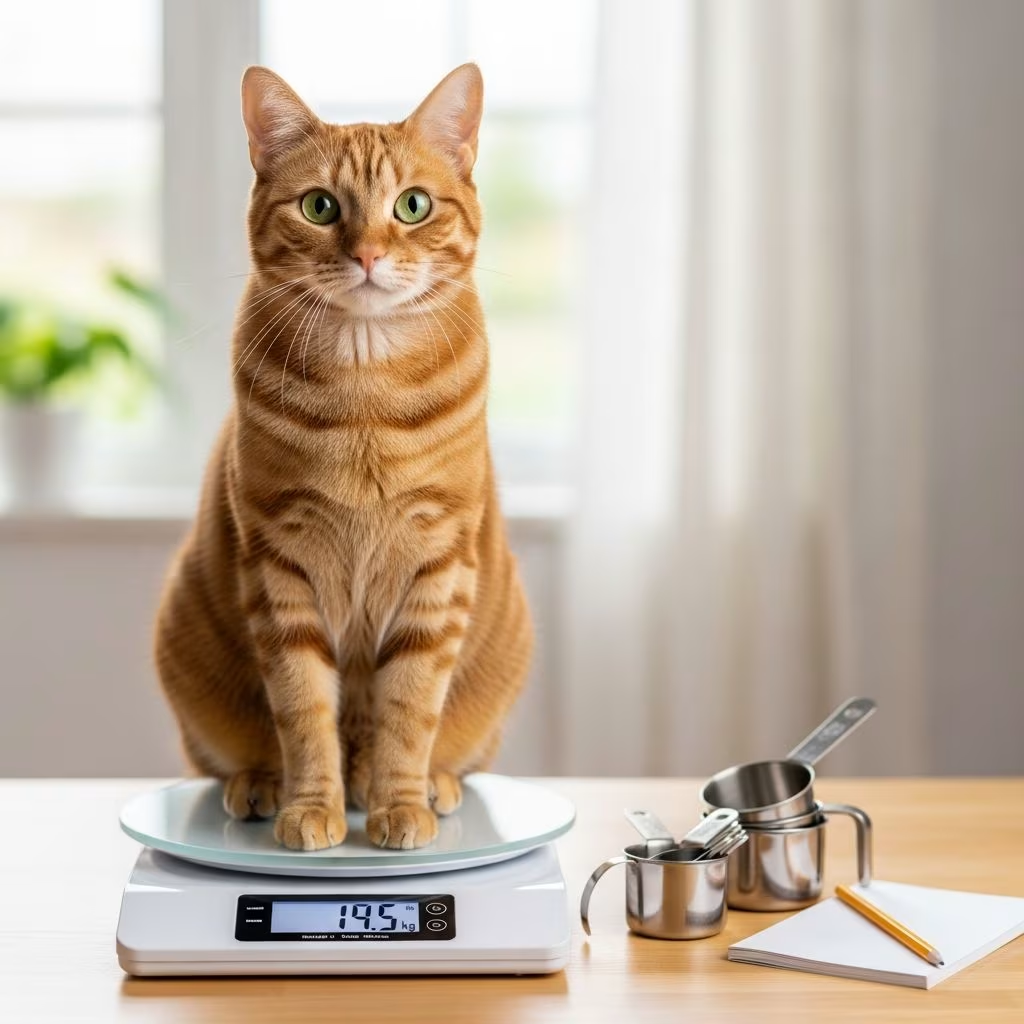
Determining the right weight for your cat is essential for their overall health and longevity. While the average domestic cat weighs between 8-12 pounds, ideal weight varies significantly based on breed, age, sex, and body frame. Maintaining a healthy weight helps prevent obesity-related issues like diabetes, arthritis, and heart disease, which affect over 60% of cats in the US.
Veterinarians emphasize that no single number defines a healthy cat weight. Instead, they use tools like the Body Condition Score (BCS) to evaluate if your cat is at an optimal weight. This article covers average weights, influencing factors, assessment methods, health risks, and management strategies to keep your feline in top shape.
Average Cat Weight
The typical healthy weight for an adult domestic shorthair cat falls between **8-12 pounds**, with most averaging around 10 pounds. Males often weigh slightly more than females. However, this is a general guideline—smaller breeds may be as light as 6 pounds, while larger ones exceed 20 pounds.
For mixed-breed or domestic cats, aim for a weight where ribs are palpable with minimal fat cover, a visible waist from above, and an abdominal tuck from the side. These visual cues indicate ideal body condition more reliably than scales alone.
- Small-framed cats: 6-10 pounds
- Medium-framed cats: 8-12 pounds
- Large-framed cats: 12-20+ pounds
Always consult your vet for a personalized assessment, as home weighing can be inaccurate due to cats’ reluctance to cooperate.
Factors Affecting Cat Weight
Several variables influence what constitutes a healthy weight for individual cats. Understanding these helps set realistic expectations.
Breed
Cat breeds vary dramatically in size and build. Petite breeds like the Singapura or Devon Rex stay under 10 pounds, while giants like Maine Coons can reach 25 pounds.
| Cat Breed | Male Weight (lbs) | Female Weight (lbs) |
|---|---|---|
| Maine Coon | 12-20+ | 10-14 |
| Persian | 9-14 | 7-11 |
| Siamese | 8-12 | 5-8 |
| Abyssinian | 7-10 | 6-8 |
| Bengal | 9-15 | 6-12 |
| Domestic Shorthair | 8-12 | 8-12 |
| Norwegian Forest Cat | 13-20 | 12-15 |
| Ragdoll | 10-20 | 8-15 |
This table summarizes average ranges from veterinary sources. Large breeds like Maine Coons and Norwegian Forest Cats naturally carry more muscle mass.
Age
Kittens grow rapidly, reaching adult weight by 10-12 months. Seniors (over 11 years) often lose muscle mass, dropping 10-20% of peak weight. Monitor weight closely during life stages: kittens gain steadily, adults stabilize, and seniors may need calorie adjustments.
- Kittens (3-6 months): 1-4 pounds, depending on breed
- Adults (1-10 years): Breed-specific ranges
- Seniors (11+ years): May decrease 10-30%
Sex and Neuter Status
Males typically weigh 10-20% more than females. Spaying or neutering reduces metabolism by up to 30%, leading to 20-30% weight gain if diet isn’t adjusted. Intact cats maintain higher activity and leaner builds.
Other Factors
Genetics play a role in metabolism and fat storage. Indoor lifestyles reduce calorie needs compared to outdoor cats. Diet quality, portion control, and exercise further influence weight.
Cat Body Condition Score (BCS)
The gold standard for assessing cat weight is the **9-point Body Condition Score (BCS)**, used by vets worldwide. It evaluates fat coverage, muscle tone, and silhouette, accounting for frame size better than raw pounds.
Ideal BCS: 4-5/9**
- 1-3 (Underweight): Ribs, spine, and hips highly visible; no palpable fat; tummy drastically tucked.
- 4-5 (Ideal): Ribs easily felt with light fat cover; visible waist and abdominal tuck; hourglass shape from above.
- 6-9 (Overweight/Obese): Hard to feel ribs under thick fat; no waist definition; rounded abdomen sagging.
To check at home:
- Run hands along ribs—should feel like knuckles under a thin blanket.
- View from above: Noticeable waist behind ribs.
- Side view: Belly tucks up toward hind legs.
Visual charts from Purina or WSAVA illustrate these perfectly. If unsure, your vet can score during checkups.
Health Risks of Improper Weight
**Overweight cats (10-20% above ideal)** face increased risks of urinary issues, type 2 diabetes, joint problems, and shorter lifespan. Obesity shortens life by 2-3 years on average.
**Underweight cats** may suffer from malnutrition, organ strain, or underlying illness like hyperthyroidism or kidney disease. Rapid loss warrants immediate vet attention.
How to Weigh Your Cat at Home
Trick: Weigh yourself holding the cat, then subtract your solo weight. Or use a carrier on baby scales. Do weekly for adults, bi-weekly for kittens/seniors. Track trends, not single readings.
Ideal Weight by Age
| Age Group | Average Weight Range (lbs) | Notes |
|---|---|---|
| Newborn Kittens | 3.5 oz | Double birth weight in 1 week |
| 4-8 Weeks | 1-2 | Rapid growth phase |
| 3-6 Months | 2-5 | Transition to adult food |
| Adult (1-7 years) | 8-12 | Stable if managed |
| Senior (8+ years) | 7-11 | Monitor for loss |
Tips for Maintaining Healthy Cat Weight
- Measure food: Use calorie-controlled portions; avoid free-feeding.
- High-protein diet: Promotes muscle over fat.
- Interactive play: 15-30 min daily with toys, lasers.
- Slow changes: Adjust calories by 10-20% gradually.
- Regular vet checks: Annual BCS and bloodwork.
For weight loss, aim for 1-2% body weight reduction per week under vet guidance. Prescription diets may help obese cats.
Frequently Asked Questions (FAQs)
What is the average weight of a cat?
The average healthy adult cat weighs 8-12 pounds, but this varies by breed and frame.
How can I tell if my cat is overweight?
If ribs are hard to feel, no waist is visible, and the belly sags, your cat may be overweight. Use BCS 6+.
What weight is too heavy for a cat?
Over 20% above ideal BCS is obese. A 10-pound cat over 12 pounds is overweight.
Do all cats weigh the same?
No, breeds like Maine Coons weigh up to 25 pounds, while Siamese stay under 10.
How much should a kitten weigh?
Newborns: ~3.5 oz; 8 weeks: 1-2 lbs; 6 months: 4-6 lbs, breed-dependent.
My cat lost weight suddenly—what should I do?
See a vet immediately; it could indicate illness.
References
- Average Cat Weight: What’s Healthy and How To Tell — PetMD. 2023-05-15. https://www.petmd.com/cat/general-health/average-weight-cats
- Cat Weight Chart: Identify Your Cat’s Ideal Weight Range — Holistapet. 2024-02-20. https://www.holistapet.com/blogs/cat-care/cat-weight-chart
- Ask a vet: How heavy should my cat be? — Made By Nacho. 2023-11-10. https://madebynacho.com/blogs/from-nacho-s-deck/how-heavy-should-my-cat-be
- Finding a Healthy Weight for Your Cat — Stella & Chewy’s. 2024-01-08. https://www.stellaandchewys.com/blogs/articles/managing-your-cats-weight
- How Heavy Should My Cat Be? Healthy Cat Weight — Whisker. 2023-09-12. https://www.whisker.com/blog/average-cat-weight-vs-healthy-cat-weight
- Ideal Dog & Cat Weights by Breed — Pet Obesity Prevention. 2024-03-05. https://www.petobesityprevention.org/ideal-weight-ranges



