

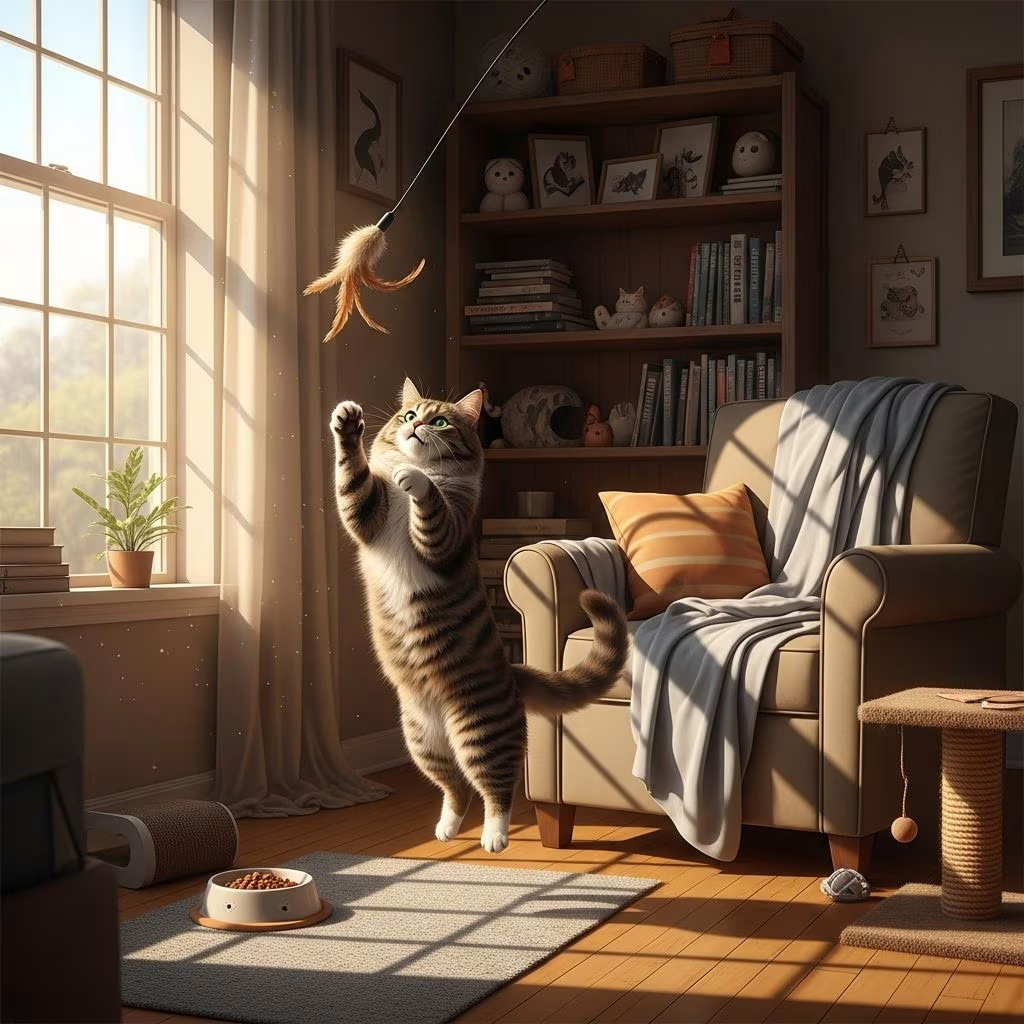
Cats require 20-60 minutes of interactive playtime daily, split into 2-4 sessions of 10-15 minutes each, to maintain physical health, mental stimulation, and emotional well-being. This recommendation varies by age, with kittens needing up to 60 minutes and seniors benefiting from gentler, shorter bursts.
Why Playtime Is Essential for Cats
Interactive play mimics cats’ natural hunting instincts, providing essential exercise and enrichment for indoor cats prone to obesity and boredom. About 60% of U.S. cats are overweight, making regular play crucial for calorie burning and muscle maintenance. Play also prevents destructive behaviors by channeling energy positively.
Physical Health Benefits of Playtime
Regular play keeps cats fit, supports heart health, joint mobility, and weight management. For indoor cats with limited natural exercise, play burns calories and tones muscles, reducing obesity risks. Kittens develop balance, coordination, and speed through play, while seniors maintain mobility in stiff joints.
- Obesity Prevention: Play encourages activity to counteract sedentary lifestyles.
- Cardiovascular Health: Gets hearts pumping and improves circulation.
- Muscle and Joint Support: Strengthens muscles and eases arthritis in older cats.
Mental Health Benefits of Playtime
Play stimulates cognition, satisfies hunting drives, and combats boredom that leads to depression or stress. Mentally engaging games like puzzle feeders sharpen instincts and prevent behavioral issues. Indoor cats, without outdoor hunting, rely on play for mental fulfillment.
- Cognitive Stimulation: Challenges intelligence with hide-and-seek or wand toys.
- Stress Reduction: Releases pent-up energy, lowering anxiety.
- Boredom Prevention: Keeps curious minds active daily.
Behavioral Benefits of Playtime
Play redirects destructive energy, reducing aggression, scratching, and restlessness. It teaches kittens to target toys over hands, curbing biting as they grow. Social play improves interactions with humans and other pets, minimizing anxiety-related issues like upper respiratory infections.
- Energy Redirection: Channels hunting urges away from furniture.
- Behavioral Correction: Replaces mischief with positive outlets.
- Social Skills: Builds comfort in multi-pet homes.
Emotional and Bonding Benefits
Play fosters trust and strengthens the cat-owner bond, with studies showing longer play sessions improve relationships. It boosts shy cats’ confidence through safe stalking and pouncing, making owners a ‘happy place’.
- Confidence Building: Empowers timid cats in controlled environments.
- Bonding Enhancement: Creates positive associations and routine.
- Stress Relief for Owners: Fun activity benefits humans too.
How Much Playtime Do Cats Need Daily?
Experts recommend 20-60 minutes total, in short bursts matching cats’ natural activity patterns. Schedule 1-3 sessions of 10-15 minutes, ideally before meals to mimic hunting. Consistency is key, as per certified behaviorists.
| Cat Age/Group | Recommended Playtime | Session Details |
|---|---|---|
| Kittens (under 1 year) | 30-60 minutes | 3-4 sessions of 10-15 minutes; high energy. |
| Adults (1-7 years) | 20-40 minutes | 2-3 sessions; interactive hunts. |
| Seniors (7+ years) | 15-30 minutes | Gentler play; focus on mobility. |
| Overweight Cats | 30+ minutes | Build gradually with vet approval. |
Playtime Recommendations by Age
Kittens
Kittens burst with energy, needing frequent play for skill development like stalking and pouncing. Aim for 15-20 minute sessions multiple times daily to teach bite inhibition and build physical prowess.
Adult Cats
Adults thrive on 10-15 minute sessions twice daily, focusing on hunting simulations to prevent boredom in indoor settings.
Senior Cats
Gentle play maintains cognition and joints without overexertion. Short, low-impact sessions suffice.
Best Toys and Play Techniques
Use wand toys, laser pointers, and puzzle feeders for instinctual engagement. Interactive play at a distance builds trust for shy cats. Rotate toys to sustain interest and mimic prey variety.
- Wand Toys: Ideal for stalking and jumping.
- Laser Pointers: Endless chase without capture frustration.
- Puzzle Feeders: Mental challenges during meals.
- Hide-and-Seek: Boosts problem-solving.
Signs Your Cat Needs More Playtime
Watch for excessive sleeping, weight gain, aggression, or furniture scratching—these signal insufficient stimulation. Lethargy or vocalizing may indicate boredom.
- Physical Cues: Obesity, poor mobility.
- Behavioral Cues: Destructiveness, restlessness.
- Mental Cues: Depression-like withdrawal.
Tips for Effective Play Sessions
Play before feeding to end with satisfaction, avoiding frustration. Keep sessions short, praise successes, and maintain routine—cats love predictability. In multi-cat homes, individual play prevents competition.
- Start slow for shy cats, using long wands.
- End on a high note with treats.
- Vary activities to prevent habituation.
- Supervise to ensure safety.
Common Playtime Mistakes to Avoid
Avoid overplaying (beyond 15-20 minutes per session) leading to exhaustion, or using hands as toys, which encourages biting. Don’t ignore seniors—they need adapted play. Skipping consistency breeds boredom.
- Using fingers as targets.
- Inconsistent scheduling.
- Ignoring age-specific needs.
Frequently Asked Questions (FAQs)
What if my cat seems tired after play?
Cats play in bursts; 10-15 minutes is ample. Rest is normal—adjust based on response.
Can playtime help aggressive cats?
Yes, it redirects energy and reduces stress-induced aggression.
Is play necessary for outdoor cats?
Yes, supplements hunting and provides safe indoor enrichment.
How do I play with a senior cat?
Use gentle wand toys or rolling balls for low-impact fun.
What if my cat ignores toys?
Try new toys, play when hungry, or use catnip for motivation.
References
- The 8 Best Benefits of Regular Playtime for Cats — The Comforted Kitty. 2023. https://comfortedkitty.com/regular-playtime-benefits-for-cats-keeping-your-kitty-active-and-happy/
- 7 Benefits of Interactive Play for Cats — Cat Behavior Associates. N/A. https://catbehaviorassociates.com/7-benefits-of-interactive-play-for-cats/
- 4 Reasons Why Playing with Your Cat Is Crucial — Diamond Pet. N/A. https://www.diamondpet.com/blog/health/exercise/regular-playtime-is-good-for-kitty/
- How Long Should You Play with Your Cat Every Day? — PetMD. N/A. https://www.petmd.com/cat/general-health/how-long-should-you-play-your-cat-every-day
- How Often Should You Play with Your Cat? — American Animal Hospital Association (AAHA). N/A. https://www.aaha.org/resources/how-often-should-you-play-with-your-cat/
- Playing with Your Cat — International Cat Care. N/A. https://icatcare.org/articles/playing-with-your-cat



