

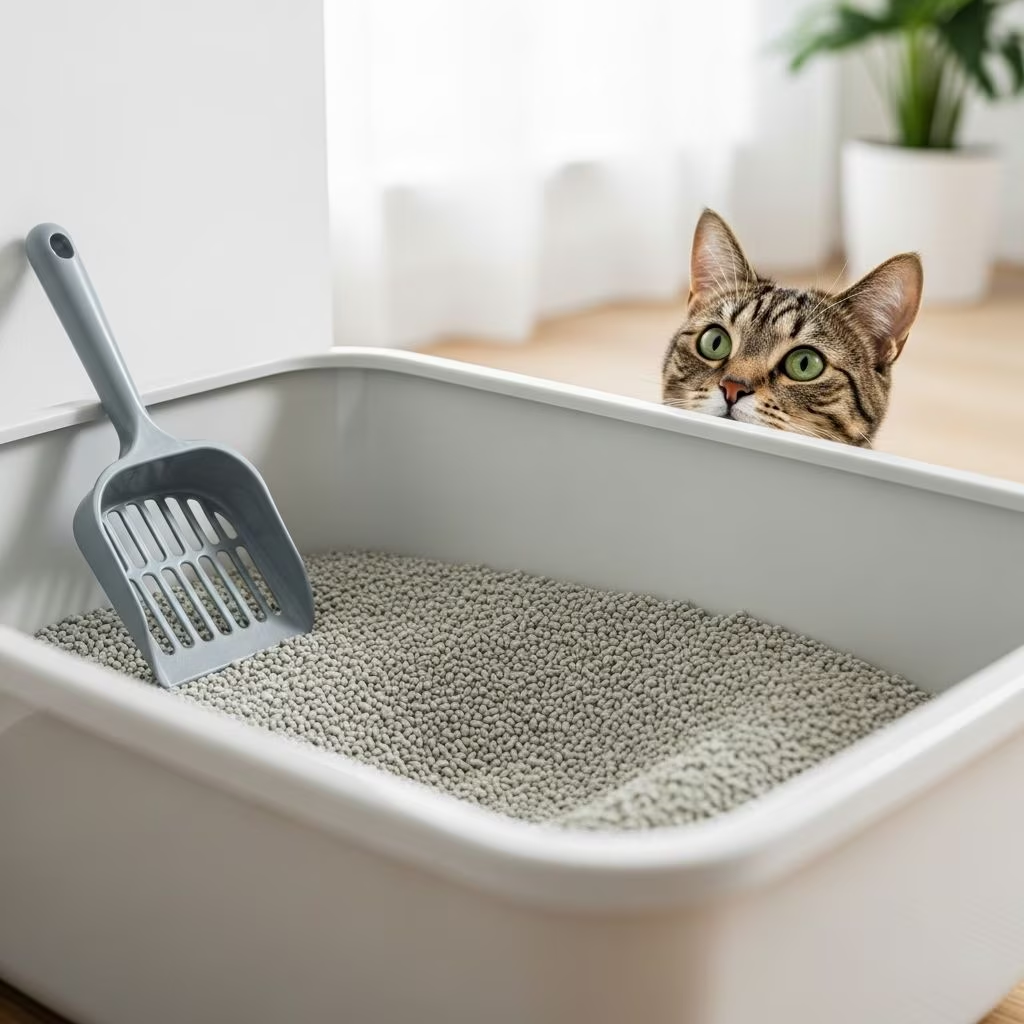
Determining the right amount of litter for your cat’s litter box is essential for their comfort, health, and your household’s cleanliness. The ideal depth is typically **2-3 inches**, providing enough material for digging, burying waste, and absorbing moisture without creating instability or excess mess. This depth balances cat preferences with practical maintenance, preventing odors, tracking, and avoidance behaviors. In this comprehensive guide, we’ll explore why this amount works best, the consequences of using too little or too much, considerations for multiple cats, litter box types, maintenance routines, and expert tips to optimize your setup.
Why 2-3 Inches Is the Ideal Litter Depth
Cats are naturally fastidious animals that instinctually dig, bury, and cover their waste to maintain hygiene and territory marking. A litter depth of **2-3 inches** mimics this natural behavior while ensuring functionality. This amount allows cats to paw through the litter comfortably without hitting the box bottom too soon, which can deter use. Studies and veterinary guidelines emphasize that insufficient depth leads to poor absorption, while excess creates an unstable surface.
Key benefits include:
- Stable footing: Cats need a firm yet diggable base; 2-3 inches prevents sinking into ‘quicksand-like’ piles over 3 inches deep.
- Effective absorption: Urine is soaked up quickly, reducing puddles and odors that form with shallower layers.
- Burying ease: Enough volume for covering solids without flinging litter everywhere.
- Cost-efficiency: Avoids waste from overfilling, which requires more frequent full changes.
For cats that dig extensively, consider edging toward 3-4 inches, but monitor for kicking. Always observe your cat’s habits—some prefer slight variations based on litter type (clumping vs. non-clumping).
Problems with Too Little Litter
Using less than 2 inches of litter compromises the box’s appeal and functionality, often leading to litter box avoidance—a common behavioral issue. Cats may seek alternative spots like carpets or corners if they can’t properly dig or bury.
- Inadequate coverage: Waste remains exposed, causing strong ammonia odors as urine contacts air longer.
- Poor absorption: Urine pools at the bottom, sticking to sides and fostering bacteria growth, which can cause urinary tract infections (UTIs) in cats.
- Health risks: Chronic exposure to unclean conditions stresses cats, potentially leading to idiopathic cystitis.
- Messy scooping: Clumps adhere to the box, making cleaning harder and less thorough.
Tip: If your cat rejects a shallow box, gradually add litter over days to acclimate them, and pair with high-quality, low-dust clumping litter for better odor control.
Problems with Too Much Litter
Overfilling beyond 3-4 inches seems generous but backfires, creating discomfort and extra work for owners. Cats may avoid the box due to instability or fling litter across floors.
- Unstable surface: Deep piles shift underfoot like sand dunes, unsettling cats who prefer solid ground.
- Litter tracking: Excess depth encourages vigorous digging, scattering litter everywhere—worsening with lightweight formulas.
- Increased costs: More litter means faster depletion; full dumps every 2-4 weeks waste product and money.
- Cleaning challenges: Harder to scoop evenly, leading to missed waste and buildup.
Veterinary behaviorists note that overfilled boxes contribute to 10-15% of elimination issues in multi-cat homes. Stick to guidelines to avoid these pitfalls.
How Much Litter for Multiple Cats?
The litter depth remains **2-3 inches per box** regardless of cat count, but usage scales up dramatically. The golden rule: Provide **one litter box per cat, plus one extra** to reduce competition and accidents. For example, 3 cats need 4 boxes, ideally spread across floors for accessibility, especially for seniors.
Litter consumption increases with household size. Here’s a practical table for traditional boxes using standard clumping litter:
| Number of Cats | Pounds of Litter per Week | 10-lb Bags per Month |
|---|---|---|
| 1 | 7-10 lbs | 3-4 bags |
| 2 | 14-20 lbs | 6-8 bags |
| 3 | 21-30 lbs | 9-12 bags |
| 4 | 28-40 lbs | 12-16 bags |
| 5 | 35-50 lbs | 15-20 bags |
Data adapted from usage guidelines; actual needs vary by cat size, diet, and litter type. High-sided boxes (1.5x cat’s nose-to-tail length) prevent overflows.
Litter Amounts for Different Box Types
Standard open boxes use 2-3 inches, but self-cleaning models like Litter-Robot require precise fills to function.
- Traditional boxes: 2-3 inches flat across the bottom.
- Self-cleaning (e.g., Litter-Robot): Fill globe to the raised line—about 8-10 lbs initially. Sifts waste efficiently, saving up to 50% litter. For multi-cats: 1 bag (20 lbs)/month for 1 cat; 2 bags for 2-4 cats; 3 bags every 2 months for 5+.
- Covered/hooded boxes: Same depth, but ensure ventilation; some cats prefer open for security.
Larger storage totes suit big cats or multiples, maintaining depth while maximizing space.
How Often to Add and Change Litter
Daily scooping is non-negotiable; top off every 3-4 days (or weekly for self-cleaners) to sustain 2-3 inches. Full changes every 2-4 weeks prevent bacterial buildup, adjusted for cat count and litter clumping efficiency.
Deep cleaning steps:
- Empty all litter into a sealed bag.
- Scrape residue; wipe with damp towel.
- Scrub with hot water and mild, unscented soap.
- Rinse thoroughly, dry completely.
- Refill to 2-3 inches.
Monitor levels: Tracking reduces depth; use low-track litter and mats.
Choosing the Right Litter Box Size and Placement
Box size matters—aim for **1.5 times your cat’s length** (nose to tail base) for comfortable turning. Place in quiet, accessible spots: one per level, away from food/water. Avoid changes in box style to prevent rejection.
Tips to Minimize Litter Tracking and Odors
- Select **low-tracking, clumping litters** with odor neutralizers.
- Use entrance mats and high walls.
- Top up frequently; choose dust-free formulas.
- For odors: Enzymatic cleaners during deep cleans.
Frequently Asked Questions (FAQs)
What is the ideal amount of litter to put in a litter box?
**2-3 inches** deep for standard boxes—enough for digging and absorption without excess.
How much litter do I need for 2 cats?
About 14-20 lbs/week; 6-8 (10-lb) bags/month across multiple boxes (3 total recommended).
Can I use less litter in a self-cleaning box?
Fill to the line (8-10 lbs); it sifts efficiently, reducing overall use by up to 50%.
How often should I completely change the litter?
Every 2-4 weeks, with daily scooping and top-offs every few days.
Why is my cat not using the litter box?
Often due to insufficient litter depth, uncleanliness, or wrong box count—ensure 2-3 inches and one box per cat +1.
References
- How Much Cat Litter Should You Use For Your Cat? — Litter-Robot. 2023. https://www.litter-robot.com/blog/how-much-cat-litter-to-use/
- How Much Litter Should I Put In the Litter Box? — Tuft & Paw. 2023. https://www.tuftandpaw.com/blogs/cat-guides/how-much-litter-should-i-put-in-the-litter-box
- How Many Litter Boxes Per Cat Do You Need? — Purina. 2025-06-05. https://www.purina.com/articles/cat/behavior/litter/how-many-litter-boxes-per-cat
- General Litter Box Considerations — AAHA. 2021. https://www.aaha.org/resources/2021-aaha-aafp-feline-life-stage-guidelines/general-litter-box-considerations/
- How Much Cat Litter Should I Put in the Box: A Complete Guide — UAH Pet. 2023. https://www.uahpet.com/blogs/post/how-much-cat-litter-should-i-put-in-the-box-a-complete-guide



