

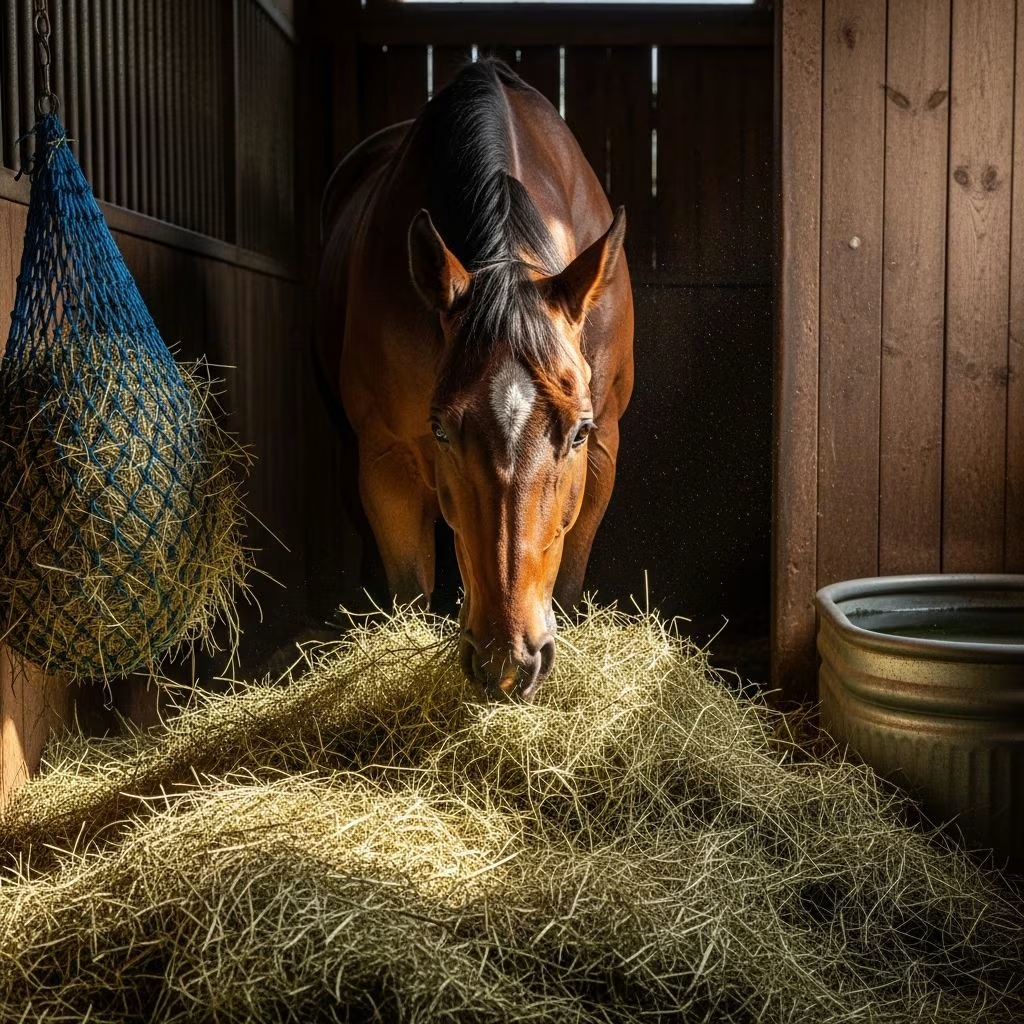
How Much Hay Does a Horse Eat Daily
Determining the correct amount of hay to feed your horse is one of the most fundamental aspects of equine care and nutrition. Horses are grazing animals by nature, and forage forms the foundation of a healthy equine diet. Understanding your horse’s daily hay requirements ensures proper nutrition, maintains digestive health, and helps manage feeding costs effectively. The amount of hay your horse needs depends on several factors, including body weight, activity level, age, metabolism, and the quality of hay being fed.
Understanding Basic Hay Consumption Guidelines
The most reliable way to calculate your horse’s hay needs is based on body weight. Horses typically consume between 1.5% to 2.5% of their body weight in forage daily on a dry matter basis. This means a 500-kilogram (1,100-pound) horse should eat approximately 7.5 to 12.5 kilograms (16.5 to 27.5 pounds) of hay per day, depending on various individual factors.
For practical purposes, many horse owners count hay flakes rather than weighing feed. A typical adult horse consuming 1.5% to 3% of their body weight in forage will eat approximately 4 to 8 flakes of hay daily. However, the actual number of flakes can vary significantly because hay density differs between types and batches. Timothy hay flakes, for example, are typically lighter than alfalfa flakes, meaning the same weight might require more flakes.
The most accurate method for determining hay quantity is calculating based on your horse’s weight. Here is a simple formula you can use:
Horse Weight (kg) × 0.02 = Daily Hay Requirement (kg)
For example, a 700-kilogram horse would require approximately 14 kilograms of hay daily. If you prefer working in pounds, multiply your horse’s weight in pounds by 0.02 to get the daily hay requirement in pounds.
Factors That Influence Hay Consumption
Activity Level and Work Intensity
Your horse’s activity level significantly impacts daily forage requirements. Horses at maintenance and light work can thrive on mature, high-fiber hay with free-choice access, allowing natural feeding behavior without excess energy supply. These horses typically consume the lower end of the recommended range—around 1.5% to 2% of their body weight.
Conversely, horses engaged in heavy exercise, growing young horses, pregnant mares, and lactating mares have substantially higher energy requirements. These horses require high-quality hay cut at earlier growth stages to provide increased energy and protein content. You may need to supplement forage with concentrate feeds to meet their elevated caloric needs.
Body Condition and Weight Management
Body condition scoring is crucial for determining appropriate hay quantities. Use the Henneke body condition scoring system, which rates horses from 1 (emaciated) to 9 (obese), to assess fat coverage and adjust feeding accordingly. Regular monitoring helps you adjust hay portions to maintain ideal weight and prevent health issues associated with obesity or malnutrition.
For overweight horses, some nutritionists recommend restricting intake to less than 2% of body weight, though 2.5% remains a reasonable average for annual hay requirements. Conversely, underweight horses may benefit from higher quality hay and additional nutrition sources to meet their needs.
Hay Quality and Digestibility
Not all hay is created equal, and quality dramatically affects how much your horse needs to consume. Higher fiber (neutral detergent fiber or NDF) levels in mature hay correlate with lower voluntary intake of hay, with hay containing NDF greater than 65% having reduced palatability and digestibility.
Early-cut hay harvested at pre-bloom or early-bloom stages contains more nutrients and higher protein levels, making it more palatable and nutritious. Your horse will feel fuller on less early-cut hay because it provides more concentrated nutrition. Mature hay, typically harvested at late bloom or beyond, contains higher fiber but lower energy and protein, requiring horses to consume larger quantities to meet nutritional needs.
Seasonal Temperature Changes
Unblanketed horses consume an additional 0.2% of their body weight in hay during cold weather compared to warm weather. A 500-kilogram horse consuming 10 kilograms of dry matter during warm seasons might consume 11 kilograms during winter—roughly equivalent to one additional flake of hay daily.
Below a horse’s lower critical temperature (LCT), typically around 15°C (59°F) for an unblanketed horse, additional hay becomes necessary for all horses to maintain body heat. Providing free-choice hay during winter is ideal for horses that are not overweight, as the additional forage helps maintain body temperature through digestive heat production.
Hay Consumption by Horse Type
When given free access to hay, horses will willingly eat 2 to 2.5% of their body weight in hay daily. This self-regulation works well for most maintenance-level horses but may result in overfeeding for horses prone to weight gain. Grazing horses on pasture typically self-regulate intake similarly, consuming approximately 1.5% to 2.5% of their body weight daily based on forage quality and availability.
For annual hay planning purposes, using 2.5% of body weight as an average provides a reasonable estimate for budgeting and procurement, adjusting downward for overweight horses or upward for those with higher energy demands. If your horse consumes commercial concentrate products or processed fiber sources such as hay cubes or pellets, the hay requirement decreases proportionally since these products contribute to total daily dry matter intake.
Minimum Forage Requirements
Horses require at least 1% of their body weight in roughage such as hay or fresh forage each day. This minimum requirement ensures adequate fiber for proper digestive function and gut health. However, most nutritionists recommend providing at least 1.4 to 1.5% of body weight as a more practical minimum, as 1% alone may not provide sufficient bulk or satisfaction for horses confined to stalls.
Forages should make up at least 50% of the daily ration regardless of horse class. This means even horses receiving significant concentrate supplementation should still receive a minimum of 50% of their total dry matter intake from forage sources. Long-stem forage such as hay should comprise at least 50% of the total forage consumed daily, with processed forages like pellets not exceeding 50% of total daily consumption.
Types of Hay and Nutritional Differences
Different hay types provide varying nutritional profiles, affecting consumption rates and feeding decisions. Alfalfa hay is a high-protein forage often used to supplement horses’ diets, offering excellent choice for horses needing weight gain or muscle building, though its high calcium content requires careful management.
Grass hays like timothy provide more moderate nutrition and are appropriate for most horses. Timothy hay reaches its nutritional peak when cut at the pre-bloom or early-bloom stage. Meadow hay offers high fiber content with variable nutrient levels depending on soil quality, climate, and harvesting techniques.
Calculating Annual Hay Requirements
To estimate your yearly hay needs for multiple horses, use the following approach:
1. Calculate daily dry matter intake using 2.5% of body weight
2. Multiply by 365 days annually
3. Adjust for actual moisture content of your hay (most hay contains 10-20% moisture)
For example, a 500-kilogram horse consuming 2.5% of body weight requires 12.5 kilograms of dry matter daily. Annually, that’s approximately 4,562 kilograms of dry matter, or roughly 5,700-6,300 kilograms of as-fed hay depending on moisture content.
Practical Feeding Strategies
Beyond calculating quantities, several strategies optimize hay feeding:
Choose Good Quality Hay: Select hay that is bright green in color, sweet-smelling, and free from dust, mold, and contaminants. Quality hay should be appropriate for your horse’s age, weight, and activity level.
Feed Hay Frequently: Horses are designed to eat small amounts of food frequently throughout the day. Feeding hay two to three times daily ensures steady nutrient supply and satisfies natural grazing behavior. Frequent feeding also reduces digestive upset and boredom-related behaviors.
Monitor Weight Regularly: Assess your horse’s body condition monthly and adjust hay intake accordingly. A general guideline is to feed around 1.5% to 2% of body weight for maintenance, increasing to 2.5% or more for active horses.
Weigh Hay Portions: Weigh hay portions for accuracy rather than relying solely on counting flakes. Investing in a hay scale eliminates guesswork and allows precise nutritional management.
Use Slow Feeding Strategies: Employ slow feeders or hay nets to extend mealtime, reduce boredom, and promote natural eating patterns while decreasing waste.
Adjusting for Special Circumstances
Certain situations require hay intake adjustments beyond standard calculations. Growing young horses need higher-quality forage and often benefit from concentrate supplementation to support development. Senior horses may require softer hay or haylage for easier chewing and improved digestion.
Haylage is generally lower in sugar than traditional hay and provides higher digestibility with increased energy and protein levels. Overweight horses may benefit from soaked hay, which reduces sugar content. Hay can be soaked in clean water for 6-12 hours or in warm water for one hour to remove considerable amounts of water-soluble carbohydrates.
Key Takeaways for Optimal Hay Feeding
– Aim to provide 1.5% to 3% of your horse’s body weight in forage daily
– Use body condition scoring regularly to monitor weight and adjust feed accordingly
– Choose hay based on your horse’s energy needs, age, and health status
– Provide free-choice hay during winter for horses who are not overweight
– Use slow feeding strategies to extend mealtime and reduce boredom
– Weigh hay portions for accuracy rather than counting flakes
– Account for seasonal temperature changes and activity level variations
Frequently Asked Questions
Q: How do I calculate my horse’s exact daily hay requirement?
A: Multiply your horse’s body weight in kilograms by 0.02 to determine the daily hay requirement in kilograms. For example, a 600-kilogram horse needs approximately 12 kilograms of hay daily. Adjust based on activity level, body condition, and hay quality.
Q: Can I feed my horse less hay if I provide grain or concentrates?
A: Yes, but forage should still comprise at least 50% of the total daily ration. When feeding concentrates, reduce hay proportionally while maintaining minimum forage requirements for digestive health.
Q: Does hay quality affect how much my horse eats?
A: Absolutely. High-quality early-cut hay is more nutritious and palatable, so horses feel satisfied on less. Lower-quality mature hay requires higher consumption to meet nutritional needs.
Q: How much extra hay should I feed in winter?
A: Unblanketed horses typically consume an additional 0.2% of their body weight in hay during cold weather. Provide free-choice hay access when temperatures fall below the horse’s lower critical temperature.
Q: What’s the difference between dry matter and as-fed weight?
A: Dry matter excludes water content, while as-fed weight includes moisture. Most hay contains 10-20% moisture, so as-fed quantities are higher than dry matter calculations. Always clarify which measurement is used when planning hay requirements.
Q: Is counting hay flakes an accurate feeding method?
A: Flake counting is convenient but inconsistent since hay density varies between types and batches. Weighing hay provides greater accuracy for precise nutritional management, especially for horses with specific dietary needs.
Q: How often should I feed hay to my horse?
A: Horses naturally graze frequently throughout the day. Feeding hay two to three times daily mimics natural behavior, promotes digestive health, and reduces boredom-related behaviors.
References
- How Much Hay to Feed Your Horse [Feeding Guide] — Mad Barn. 2024. https://madbarn.ca/how-much-hay-to-feed-your-horse/
- How Much Hay Will My Horse Eat in 1 Year? — The Horse. 2024. https://thehorse.com/1128372/how-much-hay-will-my-horse-eat-in-one-year/
- Using Hay in Horse Diets — University of Minnesota Extension. 2024. https://extension.umn.edu/horse-nutrition/hay-horse-diets
- How Much Hay Should a Horse Eat? A Horse Hay Calculator Guide — Chestnut Mill. 2024. https://www.chestnutmill.co.uk/blogs/equestrian-articles/how-much-hay-should-a-horse-eat-a-horse-hay-calculator-guide
- Feeding Guidelines for Horses — Star Milling Company. 2024. https://integrityhorsefeed.com/bray-feedingguidelines/
- How To Estimate And Manage Your Horse’s Hay Needs Year-Round — Just Horse Riders. 2024. https://www.justhorseriders.co.uk/blogs/news/how-to-estimate-and-manage-your-horses-hay-needs-year-round
- Feeding Horses: Horse Diet & Feed — British Horse Society. 2024. https://www.bhs.org.uk/horse-care-and-welfare/health-care-management/horse-health/feeding-horses/



