

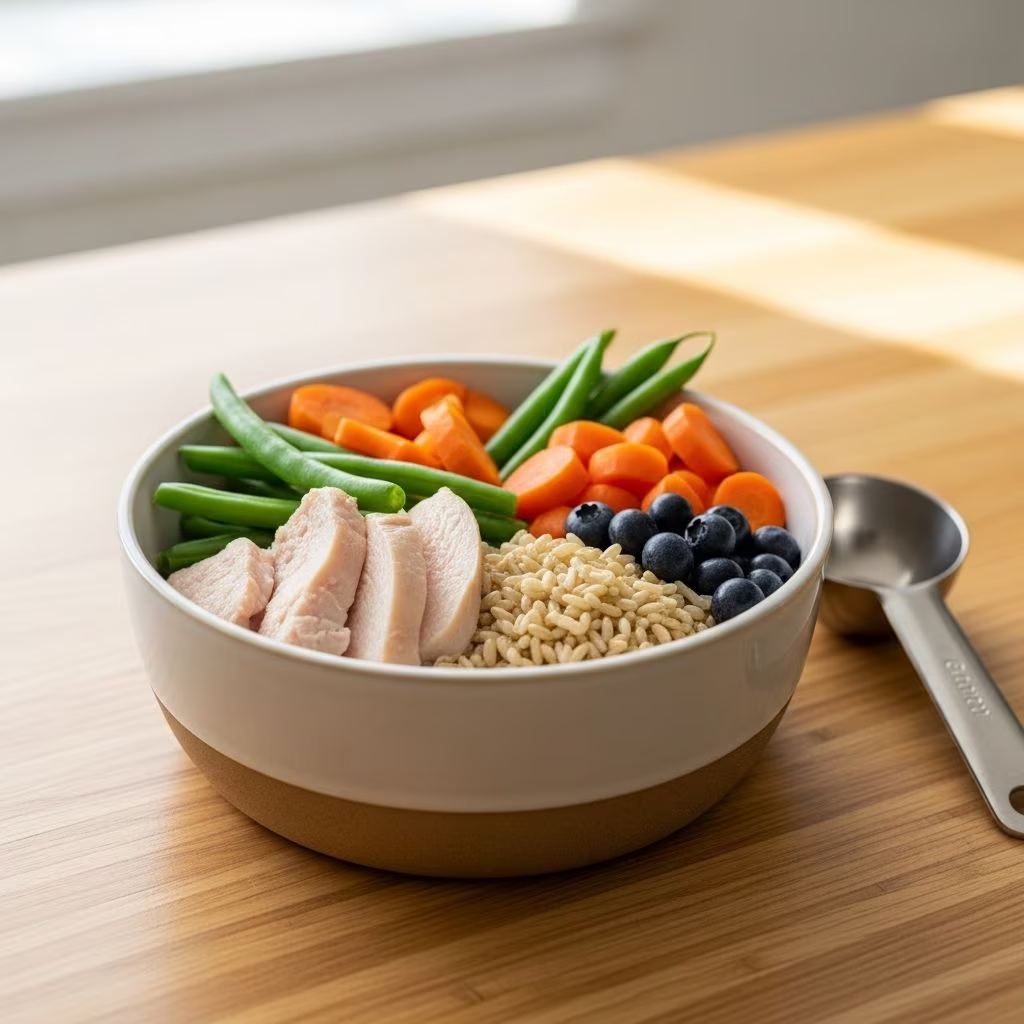
How Much Fresh Food to Feed a Dog
Feeding your dog the right amount of fresh food is one of the most important decisions you can make as a pet parent. Unlike traditional kibble or canned diets, fresh dog foods require careful consideration of portion sizes because they vary significantly in calorie density and ingredients. Understanding your dog’s nutritional needs ensures they maintain a healthy weight, have optimal energy levels, and receive all essential nutrients for long-term wellness.
The amount of fresh food your dog needs depends on several factors, including age, size, activity level, and metabolic rate. What works perfectly for one dog may be too much or too little for another. This comprehensive guide will help you navigate fresh dog food feeding to ensure your canine companion thrives.
Key Factors That Determine Fresh Food Portions
Before you start measuring out your dog’s meals, it’s important to understand what influences their nutritional requirements. Several key factors play a role in determining how much fresh food your dog should consume daily.
Age and Life Stage
Age is one of the most significant factors affecting your dog’s caloric needs. Puppies require substantially more calories per pound of body weight than adult dogs because they’re growing and developing. Senior dogs often need fewer calories as their metabolism slows and activity levels typically decrease. If your dog is under 12 months of age (or 18 months for very large breeds), you should use a dedicated puppy feeding chart rather than adult guidelines.
Body Weight and Size
Your dog’s ideal body weight directly correlates with caloric requirements. A 15-pound dog needs fewer total calories than a 50-pound dog, but interestingly, smaller dogs typically require more calories per pound of body weight. This is because smaller animals have higher metabolic rates relative to their size.
Activity Level
How active your dog is significantly impacts their caloric needs. A highly active dog that exercises for several hours daily will need more food than a sedentary dog of the same weight. Dogs with athletic lifestyles, those who compete in sports, or those who spend considerable time outdoors require additional calories to fuel their activities and maintain muscle mass.
Metabolic Rate
Just like humans, dogs have individual metabolic rates. Some dogs naturally have faster metabolisms and require more food to maintain a healthy weight, while others are more efficient at converting food to energy. Your veterinarian can help you assess your specific dog’s metabolic needs.
Understanding Fresh Dog Food Differences
Fresh dog foods differ significantly from traditional dry kibble or canned foods, and these differences affect how much you should feed. Understanding these distinctions helps you make informed decisions about your dog’s nutrition.
High Digestibility Means Less Food
Fresh dog foods are typically highly digestible, meaning your dog’s body can process and absorb more of the nutrients. This increased digestibility often means you’ll feed less fresh food compared to traditional diets to meet the same nutritional needs. Your dog may seem like they’re eating less, but they’re actually getting more usable nutrition from each portion.
Fewer Preservatives Require Proper Storage
Fresh dog foods contain few or no artificial preservatives, which is excellent for your dog’s health but requires careful storage practices. These foods typically come frozen, refrigerated, or in shelf-stable formats. Proper storage prevents spoilage and maintains nutritional value, ensuring your dog gets the benefits of fresh feeding.
Improved Palatability Can Lead to Overeating
Dogs usually love the taste of fresh foods, which is a major benefit but also a potential concern. The delicious flavor and aroma may encourage your dog to want more than they actually need. It’s crucial to measure portions carefully and resist the temptation to give larger amounts just because your dog seems enthusiastic about their meals.
Reduced Digestive Waste
One noticeable benefit of fresh dog food is that it often produces less poop. The high digestibility means more of the food is converted to usable energy and nutrients, with less ending up as waste. This is particularly appreciated by pet parents who regularly clean up after their dogs.
Fresh Dog Food Feeding Chart for Adult Dogs
The following chart provides caloric guidelines for spayed or neutered adult dogs at different body weights. These are average recommendations; individual dogs may need more or less depending on their specific circumstances. The range provided shows the variation you might see in actual feeding amounts based on activity level and metabolism.
| Dog’s Ideal Weight | Average Caloric Intake | Range |
|---|---|---|
| 5 lbs | 210 kcal/day | 105 – 315 kcal/day |
| 10 lbs | 346 kcal/day | 173 – 519 kcal/day |
| 15 lbs | 472 kcal/day | 236 – 708 kcal/day |
| 20 lbs | 587 kcal/day | 294 – 881 kcal/day |
| 25 lbs | 690 kcal/day | 345 – 1035 kcal/day |
| 30 lbs | 794 kcal/day | 397 – 1191 kcal/day |
| 40 lbs | 982 kcal/day | 491 – 1473 kcal/day |
| 50 lbs | 1165 kcal/day | 583 – 1748 kcal/day |
| 60 lbs | 1334 kcal/day | 667 – 2001 kcal/day |
| 70 lbs | 1499 kcal/day | 750 – 2249 kcal/day |
| 80 lbs | 1656 kcal/day | 828 – 2484 kcal/day |
| 90 lbs | 1808 kcal/day | 904 – 2712 kcal/day |
| 100 lbs | 1958 kcal/day | 979 – 2937 kcal/day |
| 110 lbs | 2102 kcal/day | 1051 – 3153 kcal/day |
| 120 lbs | 2243 kcal/day | 1122 – 3365 kcal/day |
| 130 lbs | 2384 kcal/day | 1192 – 3576 kcal/day |
Remember that these are guidelines for average adult dogs. Puppies under 12 months of age should use dedicated puppy feeding charts, as their caloric needs are significantly higher. Similarly, intact (non-spayed/neutered) dogs, highly active dogs, and senior dogs may fall outside these ranges and should be assessed individually.
How to Calculate Fresh Food Portions
Once you know your dog’s daily caloric requirements, calculating the appropriate portion of fresh food is straightforward. There are several approaches to determine the right amount for your specific product.
Check the Product Label
Start by examining the fresh dog food label you’ve purchased. The label should clearly display the calorie content, typically measured in kilocalories per cup, per pound, or per ounce. This information is essential for accurate portion calculation.
Simple Portion Calculation Formula
To determine your dog’s daily portion, use this simple formula:
Dog’s Daily Caloric Needs ÷ Food’s Caloric Content = Daily Portion Size
For example, if your 30-pound dog needs approximately 794 calories per day and your fresh food contains 400 calories per cup, you would divide 794 by 400 to get approximately 2 cups per day. This basic calculation accounts for your specific dog and your specific food product.
Pre-Portioned Fresh Food Options
Many fresh dog foods come in convenient pre-portioned packaging designed specifically for different dog sizes and weights. Brands like Get Real offer pre-portioned packs that eliminate the need for measuring. Each pack contains a single meal or daily portion, making feeding incredibly convenient. This approach removes guesswork and ensures consistent nutrition with every meal.
Consulting Product-Specific Recommendations
Different fresh dog food brands provide their own feeding recommendations. For example, one popular brand recommends feeding 1 cup daily per 10 pounds of body weight, with increases for active dogs. Puppies and pregnant or lactating dogs may require double or triple this amount. Always check your specific product’s recommendations, as they’re formulated based on that particular food’s nutritional profile.
Comparing Fresh Dog Food to Other Diet Types
Understanding how fresh food stacks up against other feeding options helps you make informed decisions about your dog’s nutrition. Each diet type has distinct characteristics that affect portion sizes and feeding practices.
Fresh Food vs. Dry Kibble
Fresh foods typically require smaller portions than dry kibble because they contain more moisture and are highly digestible. A cup of fresh food is not nutritionally equivalent to a cup of dry kibble. Fresh foods come in various forms including frozen, refrigerated, shelf-stable, air-dried, freeze-dried, and dehydrated formats, each with different calorie densities.
Complete and Balanced Nutrition
To avoid nutritional excesses or deficiencies, purchase only complete and balanced fresh dog foods. These products meet established nutritional standards and include all essential vitamins, minerals, proteins, fats, and carbohydrates your dog needs. Look for AAFCO statements on the label confirming the food is complete and balanced for your dog’s life stage.
Special Feeding Considerations
Using Fresh Food as a Topper
Many pet parents choose to use fresh food as a topper to their dog’s regular diet rather than as the sole food source. If you’re using fresh food as a topper or supplement, limit it to no more than 10% of your dog’s daily caloric intake to maintain nutritional balance. However, if the fresh food is complete and balanced, you can feed it as much as you like without other foods.
Monitoring Your Dog’s Body Condition
After establishing a fresh food feeding routine, regularly assess your dog’s body condition. You should be able to feel their ribs easily without excessive prominence, and they should have a visible waist when viewed from above. If you notice significant changes in body weight or condition, consult your veterinarian. Adjustments may be needed based on how your dog responds to fresh food feeding.
Transitioning to Fresh Food
When switching from another diet to fresh food, transition gradually over 7-10 days to allow your dog’s digestive system to adjust. Start by mixing a small amount of fresh food with their current diet, gradually increasing the fresh food proportion while decreasing the old food. This slow transition helps prevent digestive upset and allows you to monitor your dog’s response.
Frequently Asked Questions About Fresh Dog Food Portions
Q: How do I know if my dog is eating the right amount of fresh food?
A: Your dog should maintain a healthy weight with ribs that are easily felt but not visibly prominent. Their energy levels should be appropriate for their age and activity level, and they should have a good coat condition. If you’re unsure, consult your veterinarian during regular check-ups.
Q: Can I mix fresh dog food with dry kibble?
A: Yes, you can mix fresh food with dry kibble. Just ensure that the combined caloric intake matches your dog’s daily needs. Remember that if using fresh food as a supplement rather than a complete diet, limit it to 10% of daily calories unless the fresh food is formulated as a complete and balanced diet.
Q: Do puppies need different portions of fresh food than adult dogs?
A: Yes, puppies require significantly more calories per pound of body weight than adult dogs because they’re growing. Use a dedicated puppy feeding chart for dogs under 12 months of age (18 months for very large breeds), as their caloric needs are substantially higher.
Q: How often should I feed my dog fresh food?
A: Most adult dogs eat twice daily, dividing their total daily caloric needs into two meals. This feeding schedule aids digestion and provides steady energy throughout the day. Puppies typically require more frequent meals, while some senior dogs may benefit from the same twice-daily schedule.
Q: What if my dog seems hungry after their fresh food meal?
A: Dogs often seem hungry because fresh food is so palatable. Ensure you’re feeding the correct amount according to feeding guidelines. If your dog consistently seems hungry, consult your veterinarian. They can assess whether your dog genuinely needs more food or if their hunger is behavioral.
Q: How should I store fresh dog food?
A: Storage depends on the fresh food format. Frozen foods should remain frozen until thawing in the refrigerator before serving. Refrigerated foods should be kept at appropriate temperatures and used within the timeframe specified. Shelf-stable fresh foods should be stored in cool, dry conditions. Always follow the manufacturer’s storage instructions.
Q: Should I adjust portions if my dog is very active?
A: Yes, highly active dogs typically need more calories than sedentary dogs of the same weight. The feeding chart range accounts for activity level differences. Very active dogs may need portions at the higher end of the range, while less active dogs may need less. Monitor your dog’s weight and adjust accordingly.
Working with Your Veterinarian
While feeding charts and product labels provide valuable guidance, individual veterinary recommendations are invaluable. Your veterinarian knows your dog’s complete medical history, current health status, and any dietary restrictions or special needs. They can provide personalized feeding recommendations tailored specifically to your dog’s requirements, taking into account factors that generic charts cannot address.
Schedule regular veterinary visits to assess your dog’s nutrition and body condition. If you’re considering a transition to fresh dog food or if you have concerns about your current feeding practices, discuss them with your veterinarian. They can help you navigate dietary changes and ensure your dog receives optimal nutrition at every life stage.
References
- How Much Food Should I Feed My Dog? — Chewy. https://www.chewy.com/education/dog/food-and-nutrition/how-much-food-to-feed-my-dog
- What Is Fresh Dog Food? — Chewy. https://www.chewy.com/education/dog/food-and-nutrition/fresh-dog-food
- Puppy Feeding Guide: How Much to Feed a Puppy — Chewy. https://www.chewy.com/education/dog/food-and-nutrition/puppy-feeding-guide
- Dog Nutrition: What Is Complete and Balanced Dog Food? — Chewy. https://www.chewy.com/education/dog/food-and-nutrition/dog-nutrition-complete-and-balanced-dog-food
- How to Read a Dog Food Label — Chewy. https://www.chewy.com/education/dog/food-and-nutrition/dog-food-labels-and-dog-nutrition



