

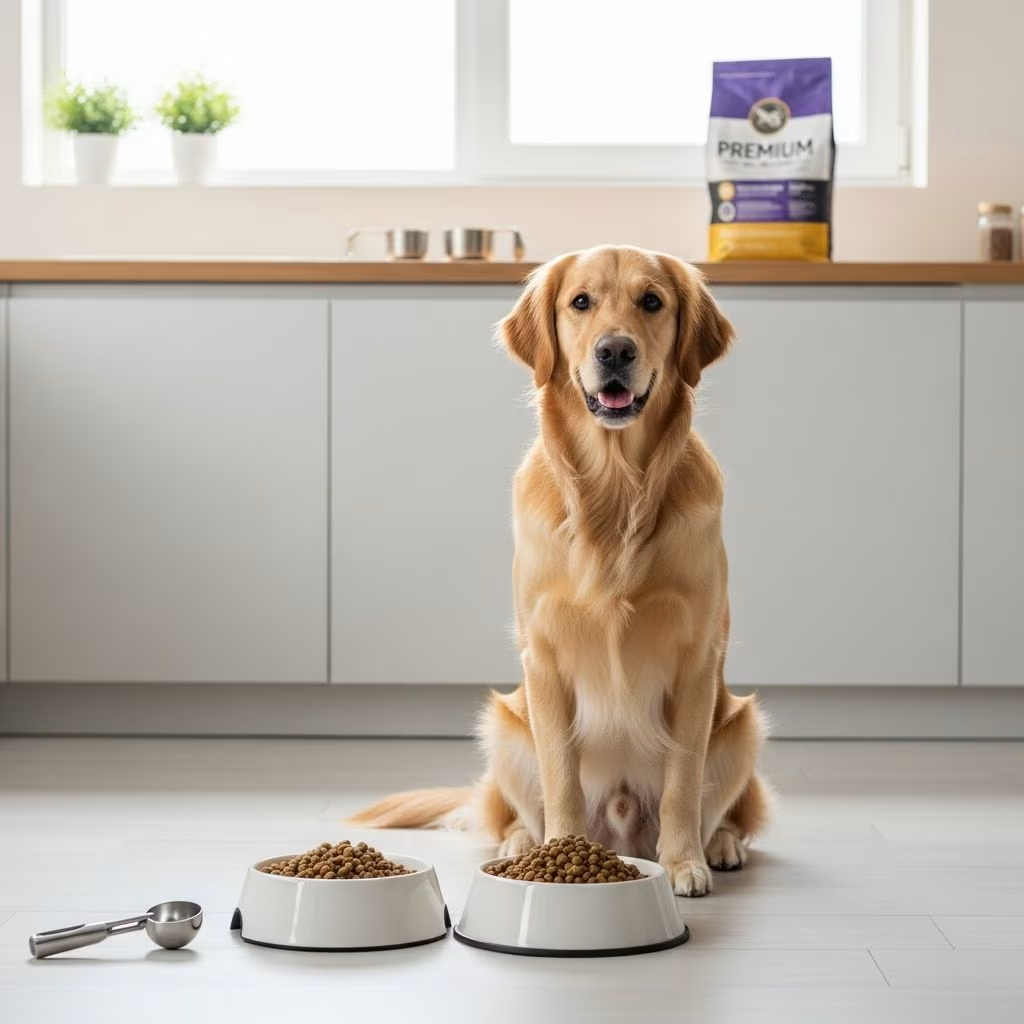
How Much Food Should I Feed My Dog?
Determining the correct amount of food to feed your dog is one of the most important aspects of pet ownership. Proper nutrition supports your dog’s overall health, maintains a healthy weight, and promotes longevity. However, the amount of food your dog needs varies significantly based on multiple factors including age, size, activity level, metabolism, and overall health status. Understanding these variables and how to read feeding guidelines will help you make informed decisions about your dog’s diet.
Understanding Your Dog’s Basic Nutritional Requirements
Before determining portion sizes, it’s essential to understand what nutrients your dog needs. According to the Association of American Feed Control Officials (AAFCO), a non-profit organization that sets nutritional standards for pet food in the United States, dogs require six essential nutrient groups to thrive. These include proteins for muscle development and maintenance, fats for energy and skin health, carbohydrates for fiber and steady energy, vitamins for various bodily functions, minerals for bone health and metabolic processes, and water for hydration and organ function.
Proteins are particularly crucial, as they support muscle development, immune function, and enzyme production. Fat sources such as fish oil, chicken fat, and flaxseed provide essential fatty acids for coat health and cognitive function. Carbohydrates from whole grains, sweet potatoes, and legumes supply fiber for digestive health and sustained energy. When selecting a dog food, ensure it contains a complete and balanced profile of these nutrients appropriate for your dog’s life stage.
The 2 to 4 Percent Rule
As a general guideline, most adult dogs will consume between 2 to 4 percent of their body weight in food daily. Smaller dogs typically fall toward the higher end of this range, requiring proportionally more food per pound of body weight than larger breeds. For example, a 10-pound dog might need 0.2 to 0.4 pounds of food daily, while a 50-pound dog might need 1 to 2 pounds. However, this is merely a starting point, and individual dogs may require adjustments based on their specific circumstances.
It’s important to note that this percentage accounts for dogs with average activity levels eating once daily. If you’re feeding your dog multiple times per day or if your dog has higher or lower activity levels, you’ll need to adjust portions accordingly. Very active dogs may require more calories, while sedentary or older dogs may require fewer.
Dog Weight and Portion Size Chart
The most straightforward way to determine proper portions is to consult the feeding chart on your dog food’s label. These charts provide recommended daily amounts based on your dog’s weight and are formulated for dogs with average activity levels. Below is an example feeding chart for adult dry dog food:
| Dog Weight (lbs) | Cups Per Day |
|---|---|
| 3 | 1/2 |
| 6 | 3/4 |
| 10 | 1 |
| 15 | 1 1/2 |
| 20 | 1 3/4 |
| 30 | 2 1/2 |
| 40 | 3 |
| 50 | 3 1/2 |
| 60 | 4 |
| 70 | 4 1/2 |
| 80 | 5 |
Keep in mind that these are general recommendations, and your individual dog may need more or less depending on their unique metabolism and lifestyle. For every 15 to 20 pounds of body weight, the suggested feeding amount typically increases by approximately one-half to one cup of food.
Accounting for Different Dog Food Types
The type of food you feed your dog significantly affects portion sizes. Raw dog food, kibble, and wet dog food can all provide excellent nutrition, but they have different densities, moisture contents, and ingredient profiles that influence recommended portions.
Dry Kibble: Dry dog food is calorie-dense and shelf-stable, making it a popular choice for many dog owners. Because kibble contains very little moisture, the recommended portions on the label reflect this concentration of nutrients.
Wet Food: Wet dog food typically contains 70 to 80 percent moisture, which means portions will be significantly larger by volume than dry food. A dog eating only wet food may appear to consume twice as much food as a dog eating kibble, but the actual caloric intake may be comparable. Wet food is beneficial for dogs that don’t drink enough water, as it increases their overall fluid intake and hydration.
Raw Food: Frozen and freeze-dried raw dog food is nutrient-dense and low in carbohydrates, making it an excellent option for dogs prone to weight gain. Raw diets typically require smaller portions than kibble because of their concentrated nutrient profile. Always review the specific feeding guidelines for your chosen raw food brand, as portions vary.
Mixed Diets: Combining wet and dry food offers multiple benefits including increased palatability, improved water intake, and better weight management. When mixing food types, reduce portions of each proportionally to avoid overfeeding.
How Often to Feed Your Dog
The feeding frequency recommendations depend primarily on your dog’s age and lifestyle. Most adult dogs thrive on twice-daily feeding, with one meal in the morning and another in the evening. Feeding your dog multiple times per day helps distribute blood sugar levels evenly throughout the day and prevents excessive hunger between meals.
When dividing daily portions into multiple meals, split the total recommended amount equally. For example, if your dog requires 2 cups of food daily, feed 1 cup at breakfast and 1 cup at dinner. This consistent schedule also helps with house training and digestive regularity.
Some dogs may do well with a single daily meal, particularly if they have slower metabolisms or are less active. However, veterinarians often recommend twice-daily feeding as the optimal approach for most adult dogs. Feeding frequency can also be influenced by your dog’s breed, with some larger breeds potentially benefiting from smaller, more frequent meals to reduce the risk of bloat.
Puppy Feeding Guidelines
Puppies have significantly different nutritional needs than adult dogs because they’re actively growing and developing. Puppies require nutrient-rich food specifically formulated for growth and development, and they need to eat much more frequently than adult dogs.
Very young puppies, typically between 2 to 4 weeks old, should be fed every 6 to 8 hours. By 8 to 12 weeks of age, most puppies do well eating 4 meals daily, though the tiniest breeds may need 5 meals. By 12 to 16 weeks of age, puppies usually transition to three meals per day. Most puppies thrive on three meals daily until approximately six months of age, when they can transition to two meals daily.
For toy and small-breed dogs, a modified schedule of four meals daily until six months, then three meals daily, may be optimal. Always follow the feeding guidelines on your puppy food’s label and consult with your veterinarian for personalized recommendations based on your puppy’s breed, size, and individual growth rate.
When introducing solid food to puppies transitioning from mother’s milk, you can soften dry kibble with warm water or broth to create a mush-like consistency. Puppies may need encouragement to begin eating solid food—dipping your finger in the mush and allowing them to lick it can spark their interest. With multiple puppies, supervised feedings with separate bowls ensure each puppy receives adequate nutrition.
Senior Dog Feeding Considerations
As dogs age, their nutritional and caloric requirements often decrease. Senior dogs typically have lower activity levels and slower metabolisms compared to their younger counterparts. The feeding chart for senior dogs may recommend slightly less food than an adult maintenance diet. For example, a senior dog of the same weight as an active adult dog may require 10 to 25 percent fewer calories.
| Dog Weight (lbs) | Cups Per Day |
|---|---|
| 3 | 1/2 |
| 6 | 3/4 |
| 10 | 1 |
| 15 | 1 1/2 |
| 20 | 2 |
| 30 | 2 1/2 |
| 40 | 3 |
| 50 | 3 2/3 |
| 60 | 4 1/4 |
| 70 | 4 3/4 |
| 80 | 5 1/4 |
Adjusting Portions for Activity Level and Lifestyle
Your dog’s activity level is one of the most important factors in determining proper portion sizes. A highly active dog, such as a Border Collie involved in agility training or a hunting dog, will require significantly more calories than a sedentary companion dog. Conversely, an inactive dog with a tendency to gain weight will require fewer calories than the label recommendations suggest.
When adjusting portions for activity level, consider your dog’s daily exercise routine. Dogs that receive daily vigorous exercise, regular training sessions, or participate in sports require additional calories to maintain their energy levels and muscle mass. Start with the label recommendations and monitor your dog’s weight and body condition, adjusting portions up or down as needed.
Dogs with health conditions such as obesity, diabetes, or thyroid disease may require modified portion sizes. Always consult with your veterinarian before making significant changes to your dog’s diet, as they can provide personalized recommendations based on your dog’s specific health status and needs.
Accounting for Treats and Snacks
Many dog owners enjoy giving treats and snacks to their pets, and these should be factored into overall daily caloric intake. Treats should comprise no more than 10 percent of your dog’s total daily calories, with the remaining 90 percent coming from their regular meals. This guideline helps prevent nutritional imbalances and excessive weight gain.
If you regularly give treats, reduce your dog’s regular meal portions slightly to maintain the appropriate total caloric intake. For example, if your dog receives 100 calories of treats daily, reduce their regular meals by approximately 100 calories.
Reading and Using Food Labels
Dog food labels contain valuable information to help you determine proper portions. The feeding guidelines on a dog food label provide general suggestions based on dogs with average activity levels and are organized by dog weight and life stage. These guidelines serve as your starting point for determining how much to feed your dog.
The feeding directions represent the total daily amount, not the per-meal portion. If your dog eats twice daily, divide the recommended daily amount by two. If feeding three times daily, divide by three. Labels should clearly state whether the recommended amount is for one meal or the entire day.
It’s also important to understand that label recommendations are general guidelines and may not be perfect for every individual dog. Use them as a starting point and adjust based on your dog’s body condition, weight changes, and overall health.
Monitoring Your Dog’s Weight and Body Condition
The best way to determine if you’re feeding the right amount is to monitor your dog’s weight and body condition regularly. Your dog should maintain a healthy weight with ribs that are easily felt but not visibly protruding, a visible waist when viewed from above, and a tucked abdomen when viewed from the side.
Weigh your dog regularly and keep a log of weight changes over time. For puppies, daily weighing helps monitor steady growth rates and ensures they’re developing appropriately. If your dog is gaining excessive weight, reduce portions by 10 to 25 percent and increase exercise. If your dog appears too thin, gradually increase portions by small increments and monitor the results.
Transitioning to New Foods
When switching your dog to a new food, do so gradually over 7 to 10 days to minimize digestive upset and encourage acceptance. Begin by mixing a small amount of the new food with the current food, gradually increasing the proportion of new food while decreasing the old food. This gradual transition allows your dog’s digestive system to adjust to the new food’s ingredients and nutrient profile.
When to Consult Your Veterinarian
Before making significant changes to your dog’s diet, consult with your veterinarian. They can approve your chosen food or provide personalized recommendations based on your dog’s age, breed, health status, lifestyle, and specific nutritional needs. Veterinarians are particularly valuable when feeding dogs with special requirements, such as weight management, allergies, digestive sensitivities, or medical conditions requiring therapeutic diets.
Frequently Asked Questions
Q: Can I free-feed my dog, leaving food available all day?
A: Free-feeding can lead to overeating and weight gain in many dogs, particularly those prone to obesity. Scheduled meals allow better portion control and help establish consistent feeding routines and bathroom schedules.
Q: How do I calculate portions if my dog’s weight falls between chart values?
A: Estimate proportionally based on nearby values. If your dog weighs 25 pounds and the chart shows 20 pounds (1 3/4 cups) and 30 pounds (2 1/2 cups), your dog likely needs approximately 2 to 2 1/4 cups daily.
Q: What should I do if my dog seems hungry after eating the recommended portion?
A: Some dogs are more food-motivated than others and may seem perpetually hungry. Before increasing portions, consult your veterinarian to rule out underlying health issues. Increase portion size only if your dog is visibly underweight.
Q: How often should I adjust portions as my dog grows?
A: For puppies, adjust portions every few weeks as they grow, following the recommended portions for their current weight. For adult dogs, portion adjustments are typically necessary only if activity levels change significantly or if weight management becomes necessary.
Q: Are prescription diet portions different from regular dog food?
A: Yes, prescription and therapeutic diets often have different nutrient densities and caloric concentrations than regular foods. Always follow the specific feeding guidelines provided with your dog’s prescribed diet.
References
- Dog Nutrition: What Is Complete and Balanced Dog Food? — Chewy. 2024. https://www.chewy.com/education/dog/food-and-nutrition/dog-nutrition-complete-and-balanced-dog-food
- Puppy Feeding Guide: How Much to Feed a Puppy — Chewy. 2024. https://www.chewy.com/education/dog/food-and-nutrition/puppy-feeding-guide
- How Much to Feed Your Dog — Stella & Chewy’s. 2024. https://www.stellaandchewys.com/blogs/articles/how-much-to-feed
- How Much Food Should I Feed My Dog? — Chewy. 2024. https://www.chewy.com/education/dog/food-and-nutrition/how-much-food-to-feed-my-dog
- How to Read a Dog Food Label — Chewy. 2024. https://www.chewy.com/education/dog/food-and-nutrition/dog-food-labels-and-dog-nutrition
- How Often Should You Feed A Dog? — Chewy. 2024. https://www.chewy.com/education/dog/food-and-nutrition/how-often-should-you-feed-a-dog



