

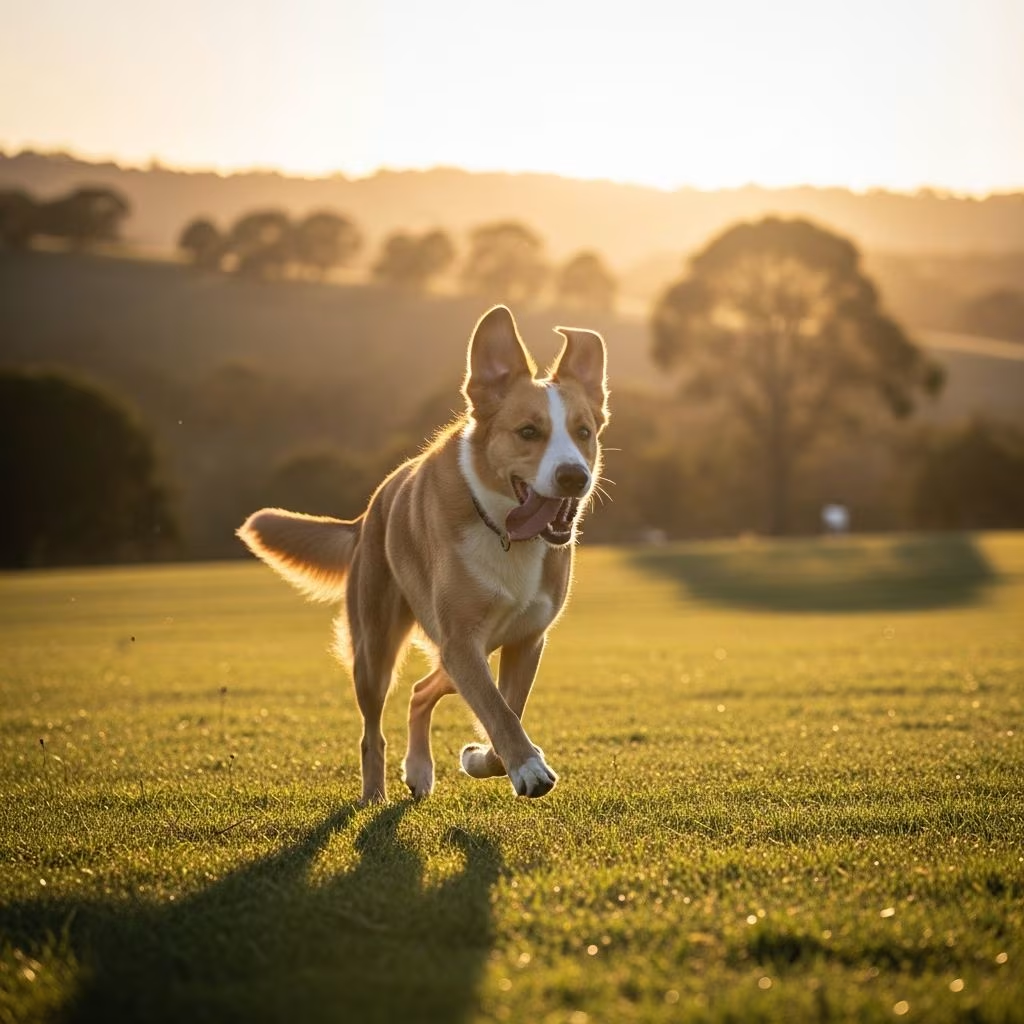
How Much Exercise Does a Dog Need? A Comprehensive Guide for Every Life Stage
Every dog is unique, and so are their exercise requirements. Whether you’re a new pet owner wondering how much activity your pup needs or you’re looking to optimize your dog’s fitness routine, understanding the factors that influence exercise needs is essential for maintaining your dog’s physical and mental health. Unlike a one-size-fits-all approach, your dog’s ideal exercise regimen depends on multiple variables including breed, age, health status, personality, and lifestyle.
Understanding Your Dog’s Exercise Needs
There’s no universal formula for how much exercise a dog needs. You might have a canine athlete bursting with energy or a couch potato who prefers leisurely lounging. However, even dogs with lower energy levels require regular physical activity to maintain optimal health and behavioral wellness.
According to veterinary behaviorists, exercise requirements vary significantly among individual dogs. The key is recognizing that your dog’s exercise needs depend on several interconnected factors that work together to determine the ideal activity level for your specific pet.
Six Factors That Affect Your Dog’s Exercise Routine
Understanding what influences your dog’s exercise needs helps you create a tailored fitness plan. Here are the primary factors to consider:
1. Breed and Genetic Predisposition
Different breeds were developed for different purposes, and this history significantly impacts their energy levels. Working, sporting, and herding breeds typically require higher intensity or longer duration exercise, sometimes up to two or three hours daily. Conversely, small companion breeds or low-energy dogs may only need 30 minutes of daily activity.
2. Age and Life Stage
A puppy’s exercise needs differ dramatically from those of an adult or senior dog. Puppies have growing bones that can be vulnerable to joint or skeletal problems if the wrong type of exercise is introduced too early, especially in large breeds like German Shepherds, Rottweilers, and Great Danes. For puppies, shorter, more frequent exercise opportunities where the puppy can set the pace work best.
Older dogs may need to burn off energy through short exercise bursts, but they may prefer low-impact activities like walking through water versus running through fields. Senior dogs often benefit from maintaining their previous routines while adjusting intensity and duration based on individual preferences.
3. Health Status and Medical Conditions
Any underlying health conditions should be considered when planning exercise. Dogs recovering from injury, experiencing joint problems, or managing chronic conditions require modified routines. Always consult your veterinarian before significantly changing your dog’s exercise regimen, especially if health concerns are present.
4. Personality and Individual Temperament
Beyond breed characteristics, individual personality plays a crucial role. Some dogs are naturally more energetic and driven, while others are content with minimal activity. Observing your dog’s behavior and preferences helps you understand their ideal exercise level.
5. Weather and Environmental Conditions
Extreme heat, cold, or poor weather conditions can affect how much exercise your dog needs or can safely handle. During very hot or cold periods, you may need to adjust the timing, duration, or intensity of activities to keep your dog comfortable and safe.
6. Previous Exercise Routine and Conditioning
If your dog hasn’t been very active lately, avoid jumping straight into long or intense walks. Instead, ease them back into a routine gradually, increasing duration and intensity over time. Dogs can suffer from muscle strains, joint pain, and fatigue if they’re overexerted. A slow, steady approach is the safest way to build endurance and keep them healthy.
Exercise Guidelines by Energy Level
While individual dogs vary, most fall into recognizable categories based on energy levels. These guidelines provide a starting point for determining appropriate daily exercise:
Low-Energy Dogs: 30 Minutes or Less
Small breeds and dogs with naturally low energy levels typically require only 30 minutes of daily exercise. These dogs are often content with short walks and indoor play sessions. Older dogs or those with health limitations may also fall into this category.
Moderate-Energy Dogs: One Hour Daily
An hour of daily exercise—think two long walks or a short morning jog with some fetch later—is usually right for moderate-energy dog breeds. This group includes most retriever breeds like Golden Retrievers and Labrador Retrievers, large hounds, Nordic breeds, and larger spaniels such as Brittany Spaniels. These dogs benefit from a balanced combination of aerobic activity and mental stimulation.
High-Energy Dogs: More Than One Hour
If you want an avid running partner or a long-distance hiking companion, breeds like Siberian Huskies, Border Collies, Australian Shepherds, and Belgian Malinois might be your ideal active companions. Working, sporting, and herding breed dogs typically require higher intensity or longer duration exercise, sometimes up to two or three hours daily. These dogs need consistent, engaging activities to prevent boredom and behavioral issues.
Variety in Exercise Is Essential
Dogs need variety to stay engaged and motivated. While fetching is a great activity, providing multiple options keeps your dog’s mind and body stimulated. Consider incorporating:
- Agility training and obstacle courses
- Scent work and nose games
- Swimming and water exercises
- Interactive toys and puzzle games
- Controlled leash walking with varied terrain
- Decompression walks using long leashes
- Core-strengthening exercises
- Step-ups and balance work
Dogs appreciate structured linear movement and environmental variety, which helps prevent monotony and maintains their interest in physical activities. Mixing different types of exercise also ensures full-body development and addresses both cardiovascular fitness and mental stimulation.
Signs Your Dog Isn’t Getting Enough Exercise
If your dog’s current exercise routine is insufficient, behavioral and physical changes will typically become apparent. Recognizing these signs allows you to adjust activity levels before problems develop:
- Excessive chewing on furniture, shoes, or household items
- Unexplained weight gain despite normal food intake
- Excessive barking or vocalization
- Attention-seeking behaviors such as mouthing or rough play
- Restlessness and pacing, especially indoors
- Persistent leash pulling during walks
- Destructive behavior like digging holes in the yard
- Difficulty sleeping or restless nights
If you observe these signs, consult your veterinarian. Medical causes should be ruled out before assuming lack of exercise is the issue. Some health conditions can cause similar symptoms, so professional evaluation is important.
Benefits of Regular Exercise for Dogs
Understanding why exercise matters motivates consistent activity. Regular physical activity provides numerous benefits for your dog’s overall wellbeing:
- Weight Management: Exercise helps dogs maintain a healthy weight and prevents obesity-related health issues
- Cardiovascular Health: Regular activity promotes optimal heart health and circulation
- Bone and Joint Strength: Weight-bearing exercise strengthens bones and supports joint function
- Muscle Development: Physical activity builds and maintains muscle mass
- Immune System Boost: Exercise enhances immune function and overall health resilience
- Mental Health: Activity reduces anxiety, improves mood, and provides natural stress relief
- Behavioral Improvement: Well-exercised dogs exhibit fewer behavioral problems and better obedience
- Longevity: Regular exercise contributes to a longer, healthier lifespan
Adjusting Exercise for Life Stages
Puppies: The Foundation Phase
Puppies require special consideration regarding exercise. The five-minute rule provides a helpful guideline—about five minutes of walking per month of age, twice a day. This prevents overexertion during critical growth periods. Controlled walks, low-impact play sessions, opportunities for exploration with puzzle toys, and natural zoomies (those adorable spontaneous sprints) are ideal for developing puppies. Avoid jumping, sustained running, or high-impact activities until growth plates close, typically around 12-18 months depending on breed.
Adult Dogs: Maintaining Peak Performance
Adult dogs in their prime years typically thrive with consistent, varied exercise routines. Most dogs benefit from one to two walks daily, with total daily exercise ranging from 30 to 90 minutes depending on breed and energy level. This is the ideal time to introduce structured activities, training, and more demanding physical challenges.
Senior Dogs: Maintaining Quality of Life
Senior dogs, typically those aged 7-9 years (though smaller breeds may stay active until 10+), still need exercise but may require modified approaches. Walking remains one of the simplest and best senior dog exercises. You might adjust how far you go or how quickly you walk, but giving your pup a chance to stretch their legs and experience new sights and smells remains physically beneficial and mentally enriching. Swimming, gentle play, and low-impact activities often work well for aging dogs. Pay attention to your senior dog’s cues—some will seem unsatisfied when they return home and need another form of exercise, while others will start to drag during the walk and immediately rest afterward.
Creating Your Dog’s Exercise Plan
Developing an effective exercise routine requires personalization. Start by assessing your dog’s breed characteristics, current age, health status, and individual personality. Observe how your dog responds to different activities and adjust accordingly. Gradually build up to your target exercise duration, especially if your dog hasn’t been very active recently.
Incorporate variety to maintain engagement and provide comprehensive physical conditioning. Consider environmental factors like weather and available resources. Most importantly, make exercise a positive, enjoyable experience that strengthens your bond with your dog while promoting their health and happiness.
Frequently Asked Questions About Dog Exercise
Q: What are the main benefits of exercise for dogs?
A: Exercise helps dogs maintain a healthy weight, promotes optimal cardiovascular health, strengthens bones, joints, and muscles, and even boosts the immune system. Beyond physical benefits, regular activity also supports mental health, reduces anxiety, and improves overall behavioral wellness.
Q: Is it okay to not walk your dog every day?
A: While daily walks are ideal, the specific frequency depends on your individual dog. Most dogs benefit from one to two walks daily, but some may need more or less based on breed, age, and health. Consult your veterinarian to determine what’s appropriate for your specific dog.
Q: How do I know if my dog is getting enough exercise?
A: A well-exercised dog typically exhibits good behavior, maintains a healthy weight, sleeps well, and shows contentment. If you notice excessive chewing, weight gain, restlessness, destructive behavior, or persistent barking, your dog may need more activity.
Q: Can I over-exercise my dog?
A: Yes, over-exercise, especially in puppies or dogs not conditioned for high activity, can cause muscle strains, joint pain, and fatigue. Gradually build up exercise intensity and duration, and adjust for age and health status.
Q: What types of exercise are best for senior dogs?
A: Walking, swimming, gentle play, and low-impact activities generally work well for senior dogs. Avoid high-impact exercises and adjust duration and intensity based on your individual senior dog’s preferences and physical condition.
Q: How much exercise do puppies need?
A: Follow the five-minute rule—approximately five minutes of exercise per month of age, twice daily. This prevents overexertion during critical growth phases. Focus on controlled walks, puzzle toys, and exploration rather than intense activity.
References
- How Much Exercise Does a Dog Need? What To Know for Your Pup — Chewy. 2025. https://www.chewy.com/education/dog/health-and-wellness/how-much-exercise-does-a-dog-need
- How Often Should You Walk Your Dog? — Chewy. 2025. https://www.chewy.com/education/dog/health-and-wellness/how-often-should-you-walk-your-dog
- Senior Dog Exercise: What’s Right For Your Pup? — Chewy. 2025. https://www.chewy.com/education/dog/health-and-wellness/senior-dog-exercise
- 7 Signs Your Dog Isn’t Getting Enough Exercise — Chewy. 2025. https://www.chewy.com/education/dog/general/signs-your-dog-isnt-getting-enough-exercise
- Dog Physical Therapy Exercises Your Pet Can Do at Home — Chewy. 2025. https://www.chewy.com/education/dog/training-and-behavior/dog-physical-therapy-exercises-pet-can-home



