

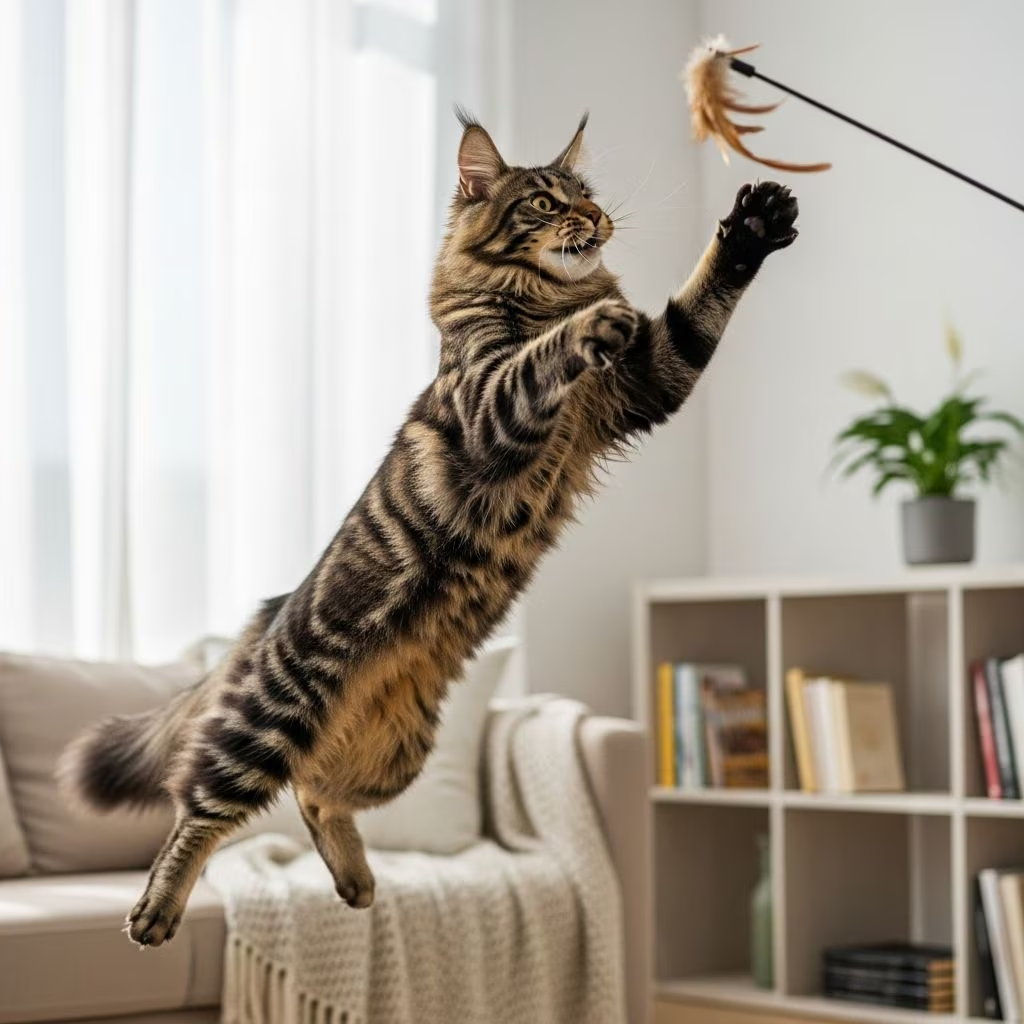
Cats require 20-45 minutes of intentional exercise daily, often in short bursts of 5-15 minutes multiple times a day, to maintain physical health, prevent obesity, and support mental well-being.
While cats are known for sleeping up to 16 hours a day, their natural predatory instincts drive them to engage in high-energy play sessions mimicking hunting behaviors like chasing, pouncing, and jumping. Indoor cats, in particular, need structured play since they lack outdoor roaming opportunities. This article explores why exercise matters, recommended amounts by age and lifestyle, signs your cat needs more activity, effective exercise methods, and answers to common questions.
Why Do Cats Need Exercise?
Regular exercise is crucial for cats to prevent obesity, strengthen muscles and joints, improve cardiovascular health, and reduce risks of diabetes, arthritis, and high blood pressure.
Physically, activity helps cats maintain ideal body weight by burning calories consumed from meals. Sedentary lifestyles, common in indoor cats, lead to fat accumulation and related complications. Exercise also supports heart and lung function, keeping joints flexible and muscles toned.
Mentally, play taps into a cat’s hunting instincts, preventing boredom, stress, and destructive behaviors like scratching furniture or excessive meowing. It provides enrichment, fosters bonding with owners, and promotes better sleep patterns.
Outdoor cats naturally get more exercise through exploration, but indoor felines rely on owners for stimulation. Without it, cats may develop behavioral issues or gain weight rapidly.
How Much Exercise Do Cats Need Daily?
The consensus from veterinary sources is 20-45 minutes of moderate to intense activity per day, divided into 2-5 short sessions to match cats’ natural bursty energy patterns.
- General guideline: Aim for at least 30 minutes total, such as three 10-minute play sessions.
- Indoor cats: Minimum 30 minutes, often in 5-15 minute bursts multiple times daily.
- Active outdoor cats: May need less structured play if they roam, but supplemental indoor activity is still beneficial.
Adjust based on individual factors: kittens and young adults (under 2 years) thrive on more vigorous play, while seniors prefer gentler sessions. Overweight cats start with shorter durations, building up gradually.
How Much Exercise Do Cats Need by Age?
Exercise needs evolve with a cat’s life stage, influenced by energy levels, metabolism, and health conditions.
| Life Stage | Daily Exercise Recommendation | Key Considerations |
|---|---|---|
| Kittens (0-6 months) | Multiple 5-10 minute sessions, up to 45+ minutes total | High energy; focus on play to build coordination and socialization. |
| Adults (1-7 years) | 30-45 minutes in 3-5 bursts | Peak hunting simulation; prevent weight gain during prime years. |
| Seniors (8+ years) | 15-30 minutes gentle activity | Low-impact to support joints; monitor for arthritis. |
Kittens burn energy exploring and playing constantly, requiring frequent interaction. Adult cats average 30 minutes to stay lean. Seniors benefit from lighter exercise like walking or slow chasing to maintain mobility without strain.
Signs Your Cat Needs More Exercise
Watch for these indicators that your cat isn’t active enough:
- Weight gain: Visible belly fat, difficulty jumping, or ribs hard to feel. Obesity increases risks for diabetes, heart disease, and joint issues.
- Behavioral changes: Destructive scratching, biting furniture, excessive vocalization, or lethargy beyond normal sleeping.
- Lack of interest: Ignoring toys, sleeping more than 16 hours, or reduced grooming.
- Health issues: Rapid breathing during minimal activity, hair loss from stress, or constipation from inactivity.
Early intervention with play prevents escalation. Consult a vet if signs persist alongside appetite changes or pain.
10 Ways to Exercise Your Cat
Engage your cat’s instincts with these proven methods for fun, effective workouts:
- Interactive toys: Feather wands, laser pointers for chasing and pouncing (10-15 minutes/session).
- Cat wheels: Ideal for high-energy cats to run endlessly indoors.
- Climbing structures: Trees, shelves, scratching posts for vertical exercise.
- Hide-and-seek: Hide treats in boxes or mazes to encourage foraging.
- Chasing games: Run with string toys or balls across floors.
- Food puzzles: Dispensers that require pawing for kibble, combining mental and physical effort.
- Window perches: Bird-watching stimulates natural stalking urges.
- Leashed walks: Harness training for safe outdoor exploration (if tolerated).
- Cat strollers/backpacks: For fresh air without free roaming risks.
- Owner workouts: Use cat as weight for squats, planks, or yoga poses.
Rotate activities to prevent boredom. Always end sessions with the cat “catching” prey for satisfaction.
Best Toys for Cat Exercise
Toys mimicking prey maximize engagement:
- Laser pointers: Endless chasing without owner fatigue.
- Feather wands/fishing poles: Simulate birds for aerial pounces.
- Mice/birds with bells: Auditory and movement triggers.
- Balls and kick toys: For solo batting and wrestling.
- Tunnels and boxes: Ambush play setups.
Choose durable, non-toxic options. Supervise to avoid ingestion hazards.
Exercising Indoor Cats
Indoor cats need deliberate routines since they miss outdoor calories burned.
Create a stimulating environment: multi-level furniture, daily play at dawn/dusk (peak activity times), and varied toys. Cardboard mazes, treat hunts, and scratching stations add up minutes effortlessly. Aim for consistency to build habits.
Can Cats Get Too Much Exercise?
Rarely, as cats self-regulate via sleep. Overexertion signs include heavy panting, hiding, or refusal to play. Provide rest intervals and water. Puppies or kittens tire faster—monitor closely.
Benefits of Exercising With Your Cat
Joint activity boosts owner fitness (e.g., cat-weighted exercises) and strengthens bonds. It reduces mutual stress, improves sleep, and prevents cat boredom-induced mischief.
Frequently Asked Questions (FAQs)
What happens if a cat doesn’t get enough exercise?
Insufficient activity leads to obesity, diabetes, arthritis, boredom, and destructive behaviors.
How can you tell if your cat is overweight?
No waist visible from above, hard-to-feel ribs, or reluctance to jump.
How do you get a lazy cat to exercise?
Use enticing toys like lasers, schedule play during active times, and incorporate food puzzles.
Do older cats need exercise?
Yes, gentle daily activity maintains mobility and health.
Is a cat exercise wheel worth it?
For energetic indoor cats, yes—it provides independent cardio.
References
- How Much Daily Exercise Your Pet Requires — Courtyard Veterinary Hospital. 2023. https://courtyardvet.com/blog/how-much-daily-exercise-your-pet-requires/
- How to Exercise with Your Cat and Get Fit — Vetster. 2024. https://vetster.com/en/wellness/how-to-exercise-with-your-cat-and-get-fit
- How Much Exercise Do Indoor Cats Need? — Elanco Your Pet & You. 2023. https://yourpetandyou.elanco.com/us/lifestyle/how-much-exercise-do-indoor-cats-need
- Understanding the Importance of Physical Activity in Cats — Kenmore Veterinary Hospital. 2024. https://kenmorevet.com/understanding-the-importance-of-physical-activity-in-cats/
- Exercising Your Cat — People’s Dispensary for Sick Animals (PDSA). 2025. https://www.pdsa.org.uk/pet-help-and-advice/looking-after-your-pet/kittens-cats/exercise-for-your-cat
- Three Signs Your Cat Needs More Exercise — Juanita Bay Veterinary Hospital. 2023. https://juanitabayvet.com/three-signs-your-cat-needs-more-exercise/



