
How Much Does It Cost To Spay A Cat: Ways To Save
Complete guide to cat spaying costs, factors affecting price, and affordable options for pet owners.
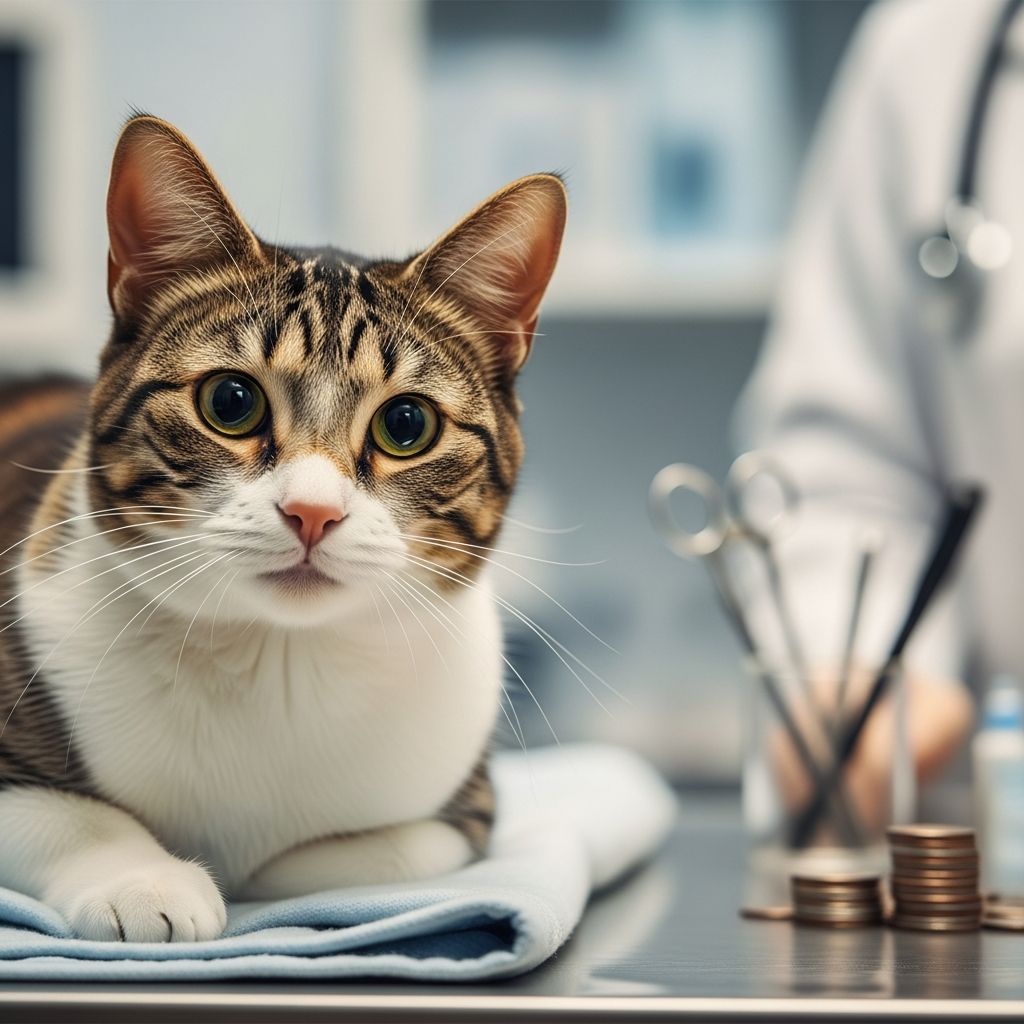
How Much Does It Cost to Spay a Cat?
Spaying your female cat is one of the most important health decisions you can make as a pet parent. This surgical procedure prevents unwanted pregnancies, reduces the risk of serious health conditions, and helps control pet overpopulation in shelters. However, many cat owners struggle with the cost of this essential procedure. Understanding the price range and factors that influence spaying costs can help you make an informed decision and find the best option for your budget and your cat’s needs.
The cost of spaying a cat varies significantly based on multiple factors, but knowing what to expect can help you plan ahead and potentially save money. Whether you’re looking at private veterinary hospitals, low-cost clinics, or shelter programs, there are options available for virtually every budget.
What Is a Cat Spay?
Before discussing costs, it’s important to understand what spaying actually involves. A cat spay, also known as an ovariohysterectomy or ovariectomy, is a surgical procedure that removes the ovaries and uterus from a female cat. This permanent sterilization procedure prevents your cat from going into heat and eliminates the possibility of pregnancy.
Ideally, cats should be spayed before five months of age to prevent heat cycles and pregnancy, though they can be spayed when they’re older as well. Early-age spaying provides numerous health benefits, including reduced risk of mammary cancer and uterine infections. Additionally, spaying helps reduce pet overpopulation by preventing unwanted litters that often end up in shelters.
Average Cost to Spay a Cat
The cost of spaying a cat varies based on the cat’s age and health status, the type of clinic performing the surgery, and your geographic location. At a private veterinary hospital, the cost of a cat spay typically ranges from $300 to $500. Surgeries in low cost-of-living areas for cats who are healthy and under six months old will fall on the lower end of this range, while a spay for an older cat who lives in a city with a higher cost of living will probably be on the higher end.
However, you don’t have to pay premium prices at every facility. Spay and neuter clinics, animal shelters, and other not-for-profit organizations often provide cat spays at a reduced cost. The cost to spay a cat at a shelter, rescue, or low-cost clinic can range from as low as $25 to $150 or more. Many of these organizations set their fees on a sliding scale based on their client’s ability to pay, making spaying accessible to pet owners with various financial situations.
Factors Affecting Spaying Costs
Several key factors influence how much you’ll pay for cat spaying:
Geographic Location
One of the most significant factors affecting spaying costs is your location. Veterinarians in busy urban areas charge more than those in rural areas. The cost of living in your region directly impacts veterinary fees, as practices in metropolitan areas have higher overhead costs including rent, utilities, and staff salaries. A spay procedure in New York City or Los Angeles will cost significantly more than the same procedure in a small town.
Age and Health Status of Your Cat
Your cat’s age and current health significantly impact the cost of spaying. Healthy kittens and young cats under six months old typically cost less to spay than older cats. If your cat is pregnant or has a significant health problem such as pyometra or heart disease, the cost may increase by $100 to $200 or more. Pre-surgical blood work may also be recommended, typically costing between $80 and $200, to ensure your cat is healthy enough for anesthesia and surgery.
Type of Veterinary Facility
The facility where you choose to have the procedure performed makes a substantial difference in cost. Full-service private veterinary hospitals charge premium prices because they offer comprehensive services and advanced equipment. Low-cost spay and neuter clinics provide more affordable options but may have to keep expenses down by skipping certain procedures. For example, having an IV catheter in place during a spay allows fluids to be given to maintain your cat’s blood pressure and to provide rapid access to a vein should an emergency arise. With a low-cost spay, the catheter and fluids may be skipped to save money.
Payment Method
The way you pay for the procedure can also affect the total cost. Some veterinarians might offer discounts if you pay in cash. You might also pay in installments through veterinary financing or with your credit card, which could alternatively increase the total incurred cost over time due to interest charges.
Spaying Costs by Facility Type
Different types of veterinary facilities offer varying price points for cat spaying:
Private Veterinary Hospitals
Private veterinary hospitals typically charge between $300 and $500 for cat spaying. These facilities offer comprehensive pre-operative and post-operative care, advanced monitoring equipment, and experienced veterinary surgeons. The higher cost reflects the quality of care and the full range of services available.
Pet Store Clinics
Major pet retailers offer spaying services at competitive prices. Spaying a cat at Petco costs between $50 and $500, depending on your cat’s weight and unique needs such as pre-surgical blood work. Depending on where you go, the cat spaying operation at PetSmart could cost anywhere from $40 to $150. PetSmart is partnered with Banfield Pet Hospitals to provide neutering and spaying procedures for pets.
Low-Cost Clinics and Shelters
Animal shelters, rescues, and non-profit spay and neuter clinics provide the most affordable options. The cost to spay a cat at a shelter, rescue, or low-cost clinic can range from as low as $25 to $150 or more. Many of these organizations set their fees on a sliding scale based on their client’s ability to pay. Keep in mind that while most of these organizations provide excellent care, they do have to keep expenses down, and they may not be able to offer everything a full-service veterinary clinic can.
Comparison of Spaying Versus Neutering Costs
It’s important to understand that spaying female cats costs more than neutering male cats. Yes, spay costs are higher for female cats because the desexing procedure is longer and more complicated than neutering a male cat, and females will take more time to recover. Neutering male cats is generally less expensive than spaying female cats because neutering involves the removal of the testicles, while spaying involves removal of the uterus, ovaries, and fallopian tubes. Just for comparison, the average cost of neutering a male cat is $200.
A male cat typically costs $50 to $150 to neuter, while spaying a female cat costs $50 to $250 depending on the facility. This cost difference reflects the surgical complexity and recovery time involved in each procedure.
Additional Costs to Consider
Beyond the basic spaying procedure, several additional costs may apply:
Pre-surgical blood work: Veterinarians often recommend blood tests before surgery to check organ function and ensure your cat is healthy enough for anesthesia. This typically costs $80 to $200.
Pain medication: Post-operative pain management medications may be prescribed, ranging from $20 to $50.
Antibiotics: Prophylactic antibiotics to prevent infection may cost $15 to $40.
E-collar or surgical suit: To prevent your cat from licking the incision, you may need to purchase an E-collar or surgical suit, costing $10 to $50.
Follow-up visits: Post-operative check-ups to ensure proper healing are often included in the initial cost but verify this with your veterinarian.
Ways to Save Money on Cat Spaying
If cost is a concern, several strategies can help you afford spaying:
Visit a low-cost clinic: Animal shelters and non-profit spay and neuter clinics offer significantly reduced rates. Many operate on a sliding scale based on income.
Ask about financial assistance programs: Some veterinary clinics partner with organizations like CareCredit, which offers payment plans for veterinary services.
Check for community programs: Local animal welfare organizations often offer subsidized spaying programs or vouchers that reduce costs.
Pay in cash: Some veterinarians offer discounts for cash payment, potentially saving you 10-15%.
Pet insurance with wellness plans: If you plan ahead, pet insurance with wellness coverage can offset some costs.
Contact veterinary schools: Veterinary teaching hospitals often perform procedures at reduced rates under supervision of experienced instructors.
Health Benefits of Spaying Your Cat
While spaying represents a significant expense, the health benefits justify the cost. Spaying prevents pregnancy and offers major health benefits, including a reduced risk of mammary cancer and uterine infections. The procedure also prevents behavioral problems associated with heat cycles, such as excessive vocalization and urine marking. Additionally, spaying eliminates the risk of life-threatening conditions like pyometra, a uterine infection that can develop in unspayed cats.
Recovery and Post-Operative Care
Recovery takes 10–14 days and involves limited activity, pain management, and monitoring for signs of infection at the incision site. During this recovery period, keep your cat indoors, restrict exercise, and follow your veterinarian’s instructions regarding wound care and medication administration. Most cats return to normal activity within two weeks, though complete healing takes several weeks.
Frequently Asked Questions About Cat Spaying Costs
Q: At what age should I have my cat spayed?
A: Ideally, cats should be spayed before five months of age to prevent heat cycles and pregnancy. However, they can be spayed when they’re older as well. Discuss the best timing with your veterinarian based on your cat’s health status.
Q: Is spaying safer at a low-cost clinic or a private veterinary hospital?
A: Both can provide safe, effective spaying. Low-cost clinics perform thousands of surgeries and have high success rates. The main difference is that private hospitals may offer more advanced monitoring and additional services. The procedure itself is routine and safe with a low complication rate regardless of facility.
Q: Can I get pet insurance to help cover spaying costs?
A: Most traditional pet insurance plans don’t cover spaying since it’s a preventive procedure typically done before enrollment. However, some pet wellness plans include coverage for spaying and neutering. Check with insurance providers about wellness add-ons.
Q: What if I can’t afford spaying right now?
A: Contact local animal shelters, rescue organizations, or non-profit clinics about their sliding-scale fees or assistance programs. Many offer payment plans or vouchers. You can also explore CareCredit or ask your veterinarian about financing options.
Q: Are there any risks associated with spaying?
A: Spaying is a routine surgical procedure with a very low complication rate. Serious complications are rare, though as with any surgery, minor risks exist. Your veterinarian will discuss any specific concerns based on your cat’s health status.
Q: How long is the recovery period after spaying?
A: Most cats recover within 10-14 days. During this time, limit your cat’s activity, keep the incision clean and dry, and administer any prescribed medications. Contact your veterinarian if you notice excessive bleeding, discharge, or signs of infection.
Making Your Decision
The cost of spaying your cat shouldn’t prevent you from making this important health decision. With options ranging from $25 at shelters to $500 at private hospitals, there’s an affordable solution for every budget. Consider your cat’s age and health status, your location, and available resources when choosing a facility. Whether you select a low-cost clinic or a full-service veterinary hospital, spaying your cat provides invaluable health benefits that far outweigh the initial investment. Start by calling local veterinarians and clinics to get specific price quotes for your situation, and don’t hesitate to ask about payment plans or financial assistance programs.
References
- How Much Does It Cost To Spay A Cat? Everything You Need To Know — Pawlicy Advisor. 2024. https://www.pawlicy.com/blog/how-much-does-it-cost-to-spay-a-cat/
- How Much Does It Cost to Spay a Cat? — PetMD. 2024. https://www.petmd.com/cat/general-health/how-much-does-it-cost-to-spay-a-cat
- Spaying vs Neutering: What’s the Difference? — Papaya Pet. 2024. https://www.papayapet.com/resources/spaying-vs-neutering-whats-the-difference/
- How Much Does It Cost to Neuter a Cat? — Insurify. 2024. https://insurify.com/pet-insurance/knowledge/cat-neutering-and-spaying-costs/
- Cat Spay: Benefits, Cost, and How To Prepare Your Cat — PetMD. 2024. https://www.petmd.com/cat/procedure/cat-spay
Similar Articles








Read full bio of Sneha Tete




