

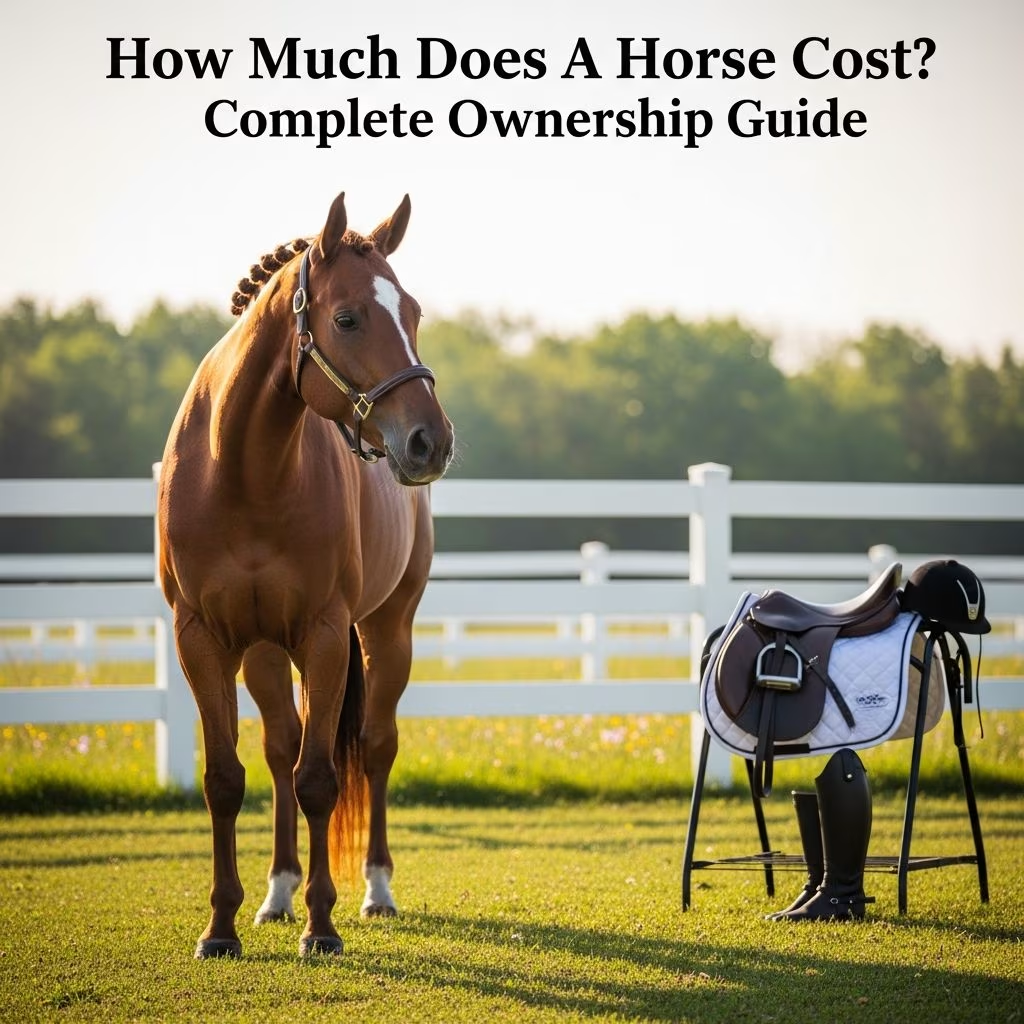
How Much Does a Horse Cost? Understanding the Full Financial Commitment
Bringing a horse into your life is an exciting prospect, but it comes with significant financial responsibilities that extend far beyond the initial purchase. Whether you’re a first-time horse owner or an experienced equestrian, understanding the complete cost structure is essential for making an informed decision. The total cost of horse ownership encompasses initial purchase expenses, ongoing maintenance costs, and unexpected emergency expenses that can accumulate throughout your horse’s lifetime.
Initial Costs of Buying a Horse
The first major expense associated with acquiring a horse is the purchase price itself. The cost of a horse can vary dramatically depending on numerous factors. According to veterinary experts, the initial cost of a horse can range from $500 for an untrained horse up to hundreds of thousands for high-level show horses. On average, most horses cost between $1,500 and $10,000, though this varies widely based on specific characteristics and circumstances.
Factors Affecting Horse Purchase Price
Several key factors influence how much you’ll pay for a horse:
– Pedigree and bloodline- Level of training and experience- Age of the horse- Conformation (body shape and structure)- Showing experience and competition history- Geographic location of purchase
A horse with excellent bloodlines, extensive training, and proven competition experience will command significantly higher prices than an untrained or young horse. Location also plays a crucial role, as regional market conditions can substantially affect pricing.
Pre-Purchase Examination
Before committing to a horse purchase, a pre-purchase veterinary examination is highly recommended. This examination typically costs $250 or more and provides essential information about the horse’s health status, potential issues, and suitability for your intended use. This investment protects you from purchasing a horse with hidden health problems that could result in substantial veterinary expenses later.
Tack and Equipment
New horse owners must invest in quality tack and equipment, which includes saddles, bridles, halters, leads, and other necessary gear. Initial tack purchases typically range from $250 to $5,000 or more, depending on the quality and type of equipment you select. Additionally, grooming supplies will cost between $60 and $140 to start, including brushes, combs, hoof picks, and other essential grooming tools.
Ongoing Maintenance Costs of Horse Ownership
Once you own a horse, recurring expenses occur throughout the year. These maintenance costs are necessary to keep your horse healthy, well-fed, and properly cared for. Understanding these expenses helps you budget appropriately for horse ownership.
Boarding and Facility Costs
One of the largest ongoing expenses for horse owners is boarding. If you have your own barn and land, you might spend $100 to $600 per month on facility maintenance. However, most horse owners utilize boarding facilities, and costs vary significantly based on the type of care provided.
Boarding options include:
– Pasture board with minimal care: Starting around $400 per month- Self-care board: Where you provide feed and care- Partial board: Shared responsibilities between owner and facility- Full-service board with stall and complete care: $1,000 to $2,000 or higher per month
Full-care competition barns with premium amenities can charge over $2,000 monthly, while most boarding facilities in the United States range from $400 to $1,200 per month for full care. Geographic location significantly impacts these costs, with rural areas typically offering lower rates than urban regions.
Feed and Nutrition Expenses
Regular feeding is a weekly necessity that significantly impacts your annual horse budget. Feed costs depend on your horse’s size, age, and activity level. According to equine veterinarians, feed for one horse averages $200 to $500 per month, breaking down to approximately $50 to $125 per week.
Your horse’s diet typically includes hay and grain. A 50-pound bag of horse feed currently averages $14 to $50 and will last your horse 5 to 25 days depending on consumption. Hay costs vary based on type and region—2-string bales range from $5 to $30 each and last 2 to 4 days, while round bales cost $75 to $100 and may last several weeks to two months. Over a year, hay alone can cost between $450 and $2,500.
Many horses also require supplements based on their job, age, or nutritional needs. Yearly supplement costs can range from $200 to over $3,000, depending on your horse’s specific requirements.
Veterinary Care
Routine veterinary care is essential for maintaining your horse’s health. Regular veterinary exams and routine maintenance typically cost between $350 and $600 annually when there are no emergencies. This includes vaccinations and dental care, which average around $150 to $200 every six months.
Many horses require yearly dental floats, a procedure where teeth are filed to smooth them and fix misalignments, costing $200 to $300. As your horse ages, more frequent exams may become necessary, and chronic conditions such as arthritis or metabolic diseases like EMS or PPID may require daily medication or special feeds, adding several hundred dollars yearly.
Farrier Services
Regular hoof care from a farrier is critical for your horse’s health and soundness. Routine trimming typically costs $30 to $70, while shoes or intensive therapeutic maintenance can cost $120 to $250. Farriers usually charge trip fees based on mileage, which adds to the total cost. Yearly farrier costs generally range between $300 and $2,000 per year.
Insurance Considerations
Horse insurance protects against unexpected financial burdens and can be worthwhile depending on your circumstances. Insurance rates vary based on coverage level, location, and other factors. Major medical insurance might cost $200 or more per year, while mortality insurance typically costs a percentage (such as 3%) of your horse’s value. Liability insurance premiums depend on desired coverage levels and can cost hundreds annually. In general, equine insurance costs between $150 and $500 per year.
Annual Cost Summary Table
| Expense Category | Annual Cost Range |
|---|---|
| Boarding | $1,200 – $24,000 |
| Feed | $2,400 – $6,000 |
| Routine Veterinary Care | $350 – $600 |
| Vaccinations and Dental Care | $300 – $400 |
| Farrier Services | $390 – $3,000 |
| Insurance | $150 – $500 |
| Total Annual Estimate | $4,640 – $34,000 |
Unexpected and Emergency Costs
Beyond regular maintenance expenses, horse owners must be prepared for unexpected veterinary emergencies that can result in substantial costs. Colic is one of the most common equine emergencies, and emergency treatment can range significantly depending on severity and required hospitalization.
A typical mild colic case treated after-hours averages around $350 without IV fluids, but more serious cases requiring surgery can cost up to $10,000. Emergency veterinary care after-hours typically costs $200 to several thousand dollars if hospitalization or surgery is required. Many veterinarians recommend maintaining an emergency fund of at least $2,000 to $5,000 to cover unexpected medical expenses.
Initial Investment Overview
When calculating your total initial investment in horse ownership, consider all startup expenses:
– Horse Purchase: $500 – $100,000+- Pre-Purchase Examination: $250+- Tack: $250 – $5,000+- Grooming Supplies: $60 – $140+- Total Initial Cost Estimate: $990 – $105,390+
Geographic and Lifestyle Factors
The cost of horse ownership varies significantly based on where you live and your circumstances. It’s more economical to own a horse if you have your own land or live in Southern states such as Kentucky, Tennessee, or Mississippi, compared to owning a horse in expensive urban areas like New York or California. Rural horse owners who keep equines at home and feed them primarily from the land can spend as little as $100 per month, while urban owners may spend considerably more.
Additional periodic costs you may experience include lessons if you’re competing and need a trainer, showing expenses, and various equipment purchases over time.
Frequently Asked Questions
Q: What is the average cost of a horse?
A: The average horse costs between $1,500 and $10,000, though prices can range from $500 for untrained horses to hundreds of thousands for high-level show horses. The price depends on factors like pedigree, training level, age, and conformation.
Q: How much does it cost to board a horse annually?
A: Annual boarding costs typically range from $1,200 to $24,000, depending on the type of facility and level of care. Full-service boarding with stall care averages $1,000 to $2,000 monthly, while pasture board starts around $400 monthly.
Q: What are the largest ongoing expenses in horse ownership?
A: Boarding and feed are typically the largest ongoing expenses. Combined, they can represent 60-70% of annual horse ownership costs, with boarding ranging $1,200-$24,000 and feed costing $2,400-$6,000 annually.
Q: Is horse insurance necessary?
A: While not mandatory, horse insurance can be valuable protection. It typically costs $150-$500 annually and can cover medical emergencies, mortality, theft, and liability, helping protect against unexpected financial burdens.
Q: What emergency veterinary costs should I prepare for?
A: Emergency colic surgery can cost up to $10,000, and after-hours veterinary emergency fees can range from $200 to several thousand dollars. Most experts recommend maintaining an emergency fund of $2,000-$5,000 minimum.
Q: Can I reduce horse ownership costs by keeping my horse at home?
A: Yes, significantly. If you have your own land and barn, you can reduce boarding costs to $100-$600 monthly for facility maintenance, compared to $400-$2,000+ at boarding facilities. This is one of the most effective ways to reduce overall ownership costs.
Q: What should I budget for my first year of horse ownership?
A: First-year costs include initial purchase ($500-$100,000+), equipment and supplies ($300-$5,140+), plus annual maintenance costs ($4,640-$34,000), totaling approximately $5,440-$139,140+ depending on horse quality and care level chosen.
References
- How Much Does a Horse Cost? — Chewy. 2024. https://www.chewy.com/education/horse/general/how-much-does-a-horse-cost
- How Much Does a Horse Cost? — PetMD. 2024. https://www.petmd.com/horse/how-much-does-horse-cost
- Everything You Need to Know About Horse Boarding: Cost, Types — Chewy. 2024. https://www.chewy.com/education/horse/general/tips-for-choosing-the-perfect-horse-boarding-facility



