

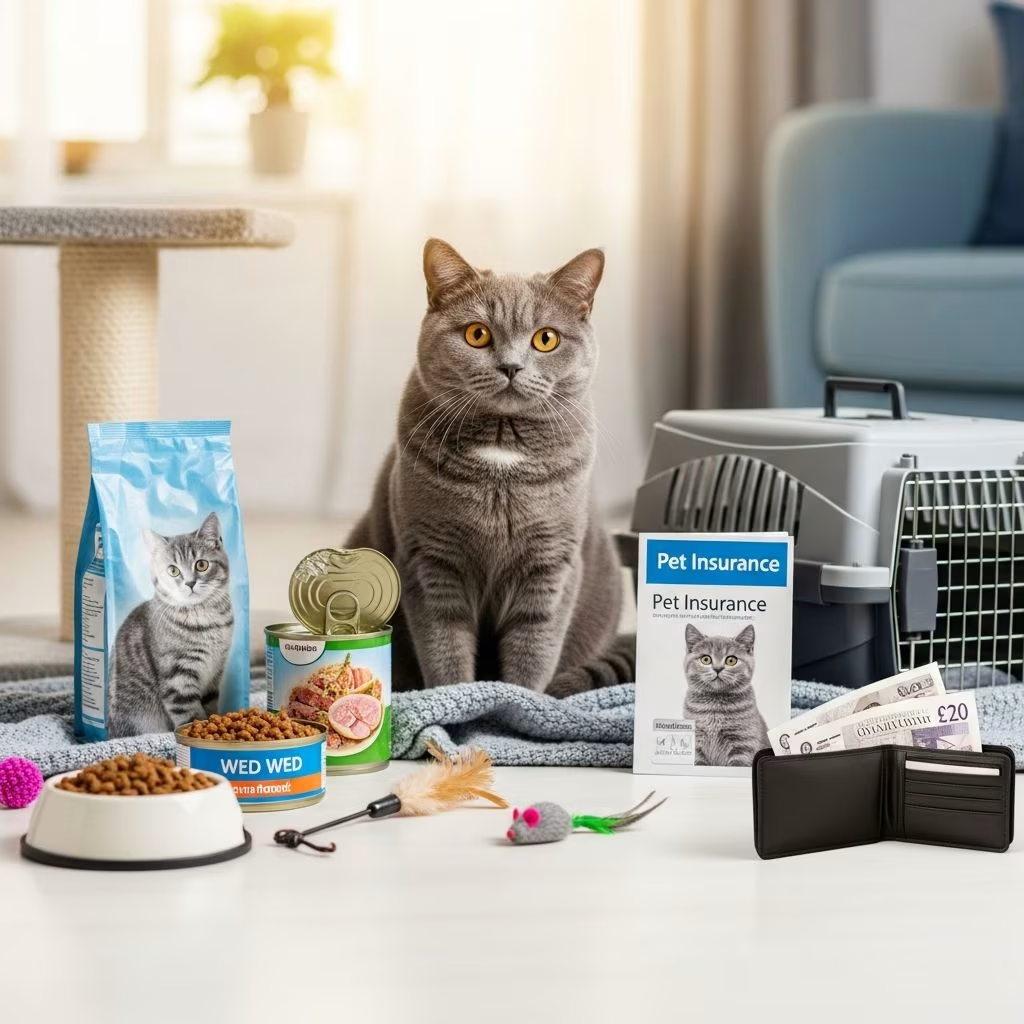
Bringing a cat into your home is a joyful decision that comes with financial responsibilities. In the UK, the cost of owning a cat varies widely based on whether you adopt from a rescue, buy from a breeder, or opt for a pedigree breed. Initial costs can range from £50 for adoption to over £12,000 for rare breeds like Savannah cats, while monthly expenses typically fall between £30 and £300. Over a cat’s 12-15 year lifetime, total costs average £11,400 to £17,000, covering food, vet care, insurance, and supplies.
Initial Costs of Cat Ownership
The upfront expenses for a new cat include the purchase or adoption fee, plus essential setup items like litter trays, beds, and scratching posts. Adopting from shelters like the RSPCA often provides the best value, as cats come microchipped, vaccinated, and neutered.
Adoption vs. Breeder Prices
Adopting a cat is the most affordable option. RSPCA fees are around £80 for adults over six months and £100 for kittens under six months. Other rescues charge £50-£125. From breeders, domestic shorthairs cost £50 or less, but pedigrees like Maine Coons or Russian Blues range from £450-£1,000, with exotics like Savannahs exceeding £12,000-£25,000.
| Source | Adult Cat | Kitten | Pedigree |
|---|---|---|---|
| RSPCA/Rescue | £50-£80 | £100-£125 | N/A |
| Breeder | £50+ | £50-£1,000 | £450-£25,000 |
Setup Supplies and Essentials
Initial setup costs £100-£366, depending on quality. Key items include:
- Food and water bowls: £8-£20
- Litter tray and litter: £15-£30
- Bed or blanket: £10-£40
- Scratching post: £20-£50
- Carrier: £20-£40
- Toys: £10-£30
- Grooming tools: £10-£20
If adopting, vaccinations (£50-£100), microchipping (£20-£30), and neutering (£50-£150) may already be covered; otherwise, budget £150 extra.
Ongoing Monthly Costs
Monthly bills average £50-£300, with minimums at £79 for basics like food, litter, flea treatments, and insurance. Premium food or health issues can push costs higher.
Food and Treats
Cat food costs £20-£40 monthly (£250-£500 yearly), varying by brand and diet. Wet food, dry kibble, or prescription diets for allergies increase expenses. Treats add £5-£10.
Litter and Waste Management
Clumping litter runs £10-£20 per month for one cat. Multi-cat homes need more, plus tray cleaners (£5).
Pet Insurance
Essential for covering vet bills averaging £960 per claim. Basic policies start at £5-£10/month; comprehensive £15-£30/month (£230-£450 yearly). Costs rise with age and breed.
Flea, Tick, and Worm Treatments
Monthly spot-ons cost £10-£17; wormers every 3 months add £5-£10.
Grooming and Toys
Brushing is free for short-haired cats, but long-haired breeds may need professional grooming (£20-£50/month). Toys and scratchers: £5-£15 monthly.
| Expense | Low End | High End |
|---|---|---|
| Food | £20 | £40 |
| Litter | £10 | £20 |
| Insurance | £10 | £30 |
| Treatments | £10 | £17 |
| Total Monthly | £50 | £300+ |
Annual and Lifetime Costs
Yearly expenses total £480-£1,380, including vet check-ups (£50-£100), boosters (£40-£80), and emergencies. Lifetime costs: £11,400-£17,000 minimum, up to £24,000 for high-maintenance cats.
- Year 1: £500-£1,000 (setup heavy)
- Annual thereafter: £600-£1,500
- Lifetime (15 years): £12,000-£24,000
Multi-cat households double costs but share some items.
Veterinary and Emergency Expenses
Annual check-ups and boosters: £100-£300. Emergencies like dental issues or illnesses can add £500-£7,000; insurance mitigates this. PDSA estimates minimum lifetime vet care at several thousand pounds.
Factors Affecting Cat Ownership Costs
Breed: Pedigrees have higher food, grooming, and health risks (e.g., Maine Coons prone to HCM).
Age: Kittens need more initial care; seniors have higher vet bills.
Lifestyle: Indoor cats cost more in litter/toys; outdoor reduce litter but risk injuries.
Location: Urban vet fees higher than rural.
Budgeting Tips for Cat Owners
To manage costs:
- Adopt from rescues to save on initials.
- Buy insurance young for lower premiums.
- Shop bulk food/litter from supermarkets.
- DIY grooming and make toys from recyclables.
- Save for emergencies: £1,000 fund recommended.
- Multi-cat discounts on insurance/vet plans.
Government pet grants or charities like PDSA help low-income owners.
Frequently Asked Questions (FAQs)
Q: How much is a kitten from the RSPCA?
A: Around £100, including microchip, vaccines, and neutering.
Q: What’s the cheapest way to get a cat in the UK?
A: Adoption from rescues for £50-£80, often with health care covered.
Q: Do cats need pet insurance?
A: Highly recommended; covers claims averaging £960.
Q: How much food does a cat eat monthly?
A: £20-£40, depending on wet/dry mix and brand.
Q: What’s the average lifetime cost of a cat?
A: £11,400-£17,000 minimum.
Q: Are indoor cats more expensive?
A: Yes, due to higher litter and toy needs.
References
- What’s the Cost of a Cat in the UK? (2026 Update) — Hepper Pet. 2026. https://articles.hepper.com/whats-the-price-of-a-cat-uk/
- The cost of owning a cat — PDSA. 2026. https://www.pdsa.org.uk/pet-help-and-advice/looking-after-your-pet/kittens-cats/the-cost-of-owning-a-cat
- The True Cost of Owning a Cat in the UK — Oreate AI Blog. 2026. https://www.oreateai.com/blog/the-true-cost-of-owning-a-cat-in-the-uk/1e9c46ac5f697b5421ad89c284bd1ebd
- The Cost of Owning a Cat — Tippaws. 2026. https://www.tippaws.com/blogs/news/the-cost-of-owning-a-cat
- Is it Cheaper to Own a Cat or a Dog? — PetAir UK. 2026. https://www.petairuk.com/blog/is-it-cheaper-to-own-a-cat-or-a-dog/
- 15 Surprising UK Pet Spending Statistics to Know in 2026 — Dogster. 2026. https://www.dogster.com/statistics/pet-spending-statistics-uk



