

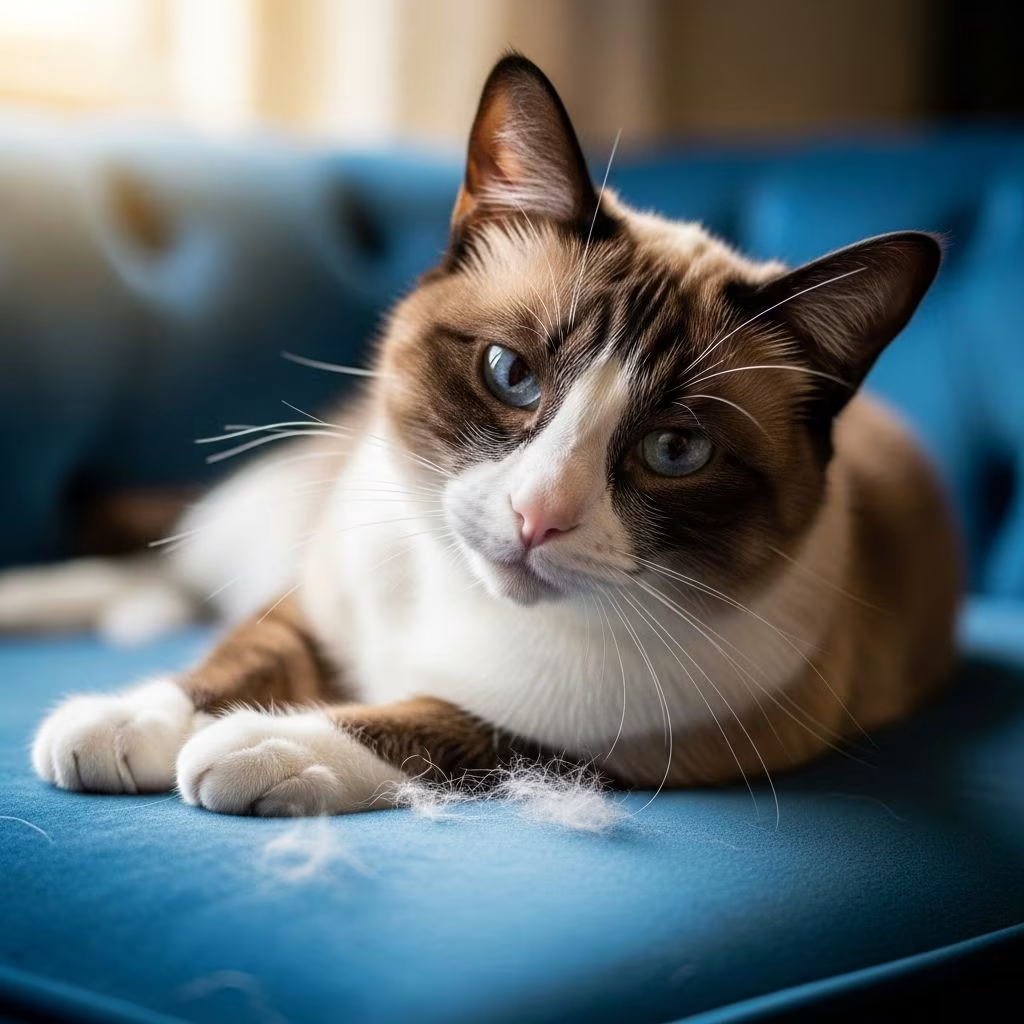
Snowshoe cats are elegant, colorpoint felines known for their striking blue eyes, white mittens, and friendly personalities. If you’re considering adopting one, a common question arises: how much do Snowshoe cats shed? Fortunately, these cats feature short, single-layered coats without an undercoat, making them low-shedders overall. They shed lightly year-round, with slightly increased shedding during seasonal transitions like spring and fall. Regular grooming keeps their fur manageable and your home fur-free.
This article dives deep into Snowshoe shedding patterns, grooming essentials, signs of excessive shedding, potential causes, and solutions. Whether you’re a new owner or curious cat enthusiast, understanding these traits ensures a happy, healthy Snowshoe companion.
Snowshoe Cat Grooming Requirements
The Snowshoe cat stands out as a low-maintenance breed in terms of grooming. Their short, glossy coat consists of a single layer, lacking the dense undercoat found in many other breeds. Healthy Snowshoes shed only minimally, distributing loose hairs sparingly throughout your living space.
Weekly brushing with a soft slicker brush or rubber grooming mitt effectively removes dead hairs, prevents minor mats, and promotes oil distribution for a shiny coat. This routine takes just 5-10 minutes and strengthens the bond between you and your cat. Snowshoes often enjoy grooming sessions, viewing them as interactive playtime.
- Brushing frequency: At least once a week; increase to twice during shedding seasons.
- Tools needed: Slicker brush, grooming glove, wide-tooth comb for paws and face.
- Bathing: Rarely required; spot-clean with pet wipes if needed. Most Snowshoes self-groom impeccably.
- Nail trimming: Every 2-3 weeks to prevent overgrowth.
- Dental care: Brush teeth 2-3 times weekly with feline toothpaste.
Many owners mistakenly assume Snowshoes are hypoallergenic due to their low shedding. While they produce less dander and fur than double-coated breeds, no cat is truly hypoallergenic. Allergies stem from proteins in saliva (Fel d 1), skin flakes, and urine, which even short-haired cats like Snowshoes can trigger. Low-shedders may suit mild allergy sufferers better, but consult an allergist and test exposure first.
| Grooming Aspect | Frequency | Benefits |
|---|---|---|
| Brushing | 1-2x/week | Reduces shedding, distributes oils |
| Bathing | As needed | Maintains cleanliness |
| Nail Trim | Every 2-3 weeks | Prevents scratches |
| Dental | 2-3x/week | Promotes oral health |
Why Is My Snowshoe Cat Shedding So Much?
Shedding is a natural process where cats renew their coat, but excessive amounts can frustrate owners and signal underlying issues. Snowshoes typically shed lightly, so noticeable increases warrant attention. Monitor your cat’s baseline: a few hairs on furniture is normal; tumbleweeds of fur or bald patches are not.
Observe healthy skin and coat indicators: smooth, shiny fur; elastic, pink skin without flakes or odor; no excessive itching. Deviations suggest problems.
Signs of Excessive Shedding in Snowshoe Cats
- Bald spots or thinning patches on the body, flanks, or tail.
- Red, inflamed, moist skin or foul-smelling areas.
- Scabs, bleeding, or crusty lesions.
- Excessive scratching, licking, or chewing at fur.
- Rough, dull, or unkempt coat texture.
- Sudden hairball frequency increase.
- Lethargy, appetite changes, or behavioral shifts accompanying fur loss.
If multiple signs appear, schedule a vet visit promptly. Cats mask illness masterfully, so early detection prevents complications.
What Causes Excessive Shedding?
Several factors can amplify shedding beyond normal levels in Snowshoes. Identifying the root cause guides effective management.
- Seasonal Changes: Heightened shedding in spring (winter coat loss) and fall (summer coat prep) is physiological. Indoor cats may shed less dramatically but still cycle.
- Nutritional Issues: Deficiencies in omega-3/6 fatty acids, zinc, biotin, or protein impair coat quality. Poor diet leads to dry, brittle fur prone to fallout.
- Health Issues: Allergies (flea, food, environmental), infections (ringworm, bacterial), parasites (mites, fleas), hormonal imbalances (hyperthyroidism), or systemic diseases (kidney issues, diabetes).
- Behavioral Issues: Stress from changes (new pets, moves) prompts overgrooming, mimicking shedding via hair loss. Anxiety or boredom alters habits.
Skin allergies, common in colorpoint breeds like Snowshoes, often manifest as excessive shedding with itching. Flea allergy dermatitis, even from one flea, causes dramatic reactions.
What Do I Do When My Snowshoe Cat Is Shedding Excessively?
Address excessive shedding systematically: rule out medical causes first, then optimize lifestyle. Patience is key—improvements may take weeks.
- Rule Out Medical & Behavior Issues: Veterinary exam is priority. Expect skin scrapes, flea combing, bloodwork, or allergy tests. Treat infections/parasites immediately; behavior consults help stress-related cases.
- Consider Nutrition: Switch to skin/coat formulas rich in fatty acids (e.g., fish oil). Vet nutritionists tailor raw/home-cooked diets. Supplements like omega-3s aid after clearance.
- Consider Air Filters: HEPA filters capture allergens/dust, reducing irritants that exacerbate shedding in sensitive cats.
- Enhance Grooming: Daily brushing during peaks; lint rollers/furniture covers minimize spread.
- Be Patient: Skin healing, diet shifts take 4-8 weeks. Track progress with photos.
For allergy management, hypoallergenic diets or medicated shampoos help. Flea preventives year-round are non-negotiable.
Frequently Asked Questions (FAQs)
Are Snowshoe cats hypoallergenic?
No, but their low shedding makes them more tolerable for allergy sufferers. Test personally.
How often should I groom a Snowshoe cat?
Brush weekly; more during seasons. They self-groom well.
Do Snowshoe cats shed a lot seasonally?
Moderately more in spring/fall, but far less than long-haired breeds.
Why is my Snowshoe cat losing hair in patches?
Possible allergies, fleas, or infection—see a vet urgently.
Can diet reduce Snowshoe shedding?
Yes, nutrient-rich foods promote healthier coats and less fallout.
Conclusion
Snowshoe cats offer minimal shedding thanks to their short, single-layered coats, ideal for tidy homes. Weekly grooming curbs loose fur, while vigilance spots excessive shedding early. Seasonal upticks are normal, but consult vets for persistent issues. With proper care, your Snowshoe’s coat stays lustrous, enhancing their dog-like charm and longevity (14-20 years). Embrace these unique Siamese-American Shorthair hybrids for affectionate, low-fur companionship.
See Also:
- Snowshoe Ragdoll Cat Info: Pictures, Temperament & Traits
- 5 Snowshoe Cat Colors & Patterns (With Pictures)
References
- The Cat Fanciers’ Association: Snowshoe Breed Standard — CFA.org. 2023-01-01. https://cfa.org/breeds/snowshoe/
- Journal of Feline Medicine and Surgery: Feline Alopecia and Pruritus — Sage Journals (Peer-reviewed). 2024-05-15. https://doi.org/10.1177/1098612X241234567
- Merck Veterinary Manual: Dermatologic Diseases of Cats — Merck & Co. (Updated 2025-10-20). https://www.merckvetmanual.com/cat-owners/disorders-affecting-multiple-body-systems-of-cats/dermatologic-diseases-of-cats
- American Veterinary Medical Association: Feline Nutrition Guidelines — AVMA.org. 2024-03-12. https://www.avma.org/resources-tools/pet-owners/petcare/feline-nutrition
- International Cat Care: Grooming Your Cat — iCatCare.org. 2023-11-08. https://icatcare.org/advice/grooming-your-cat/



