

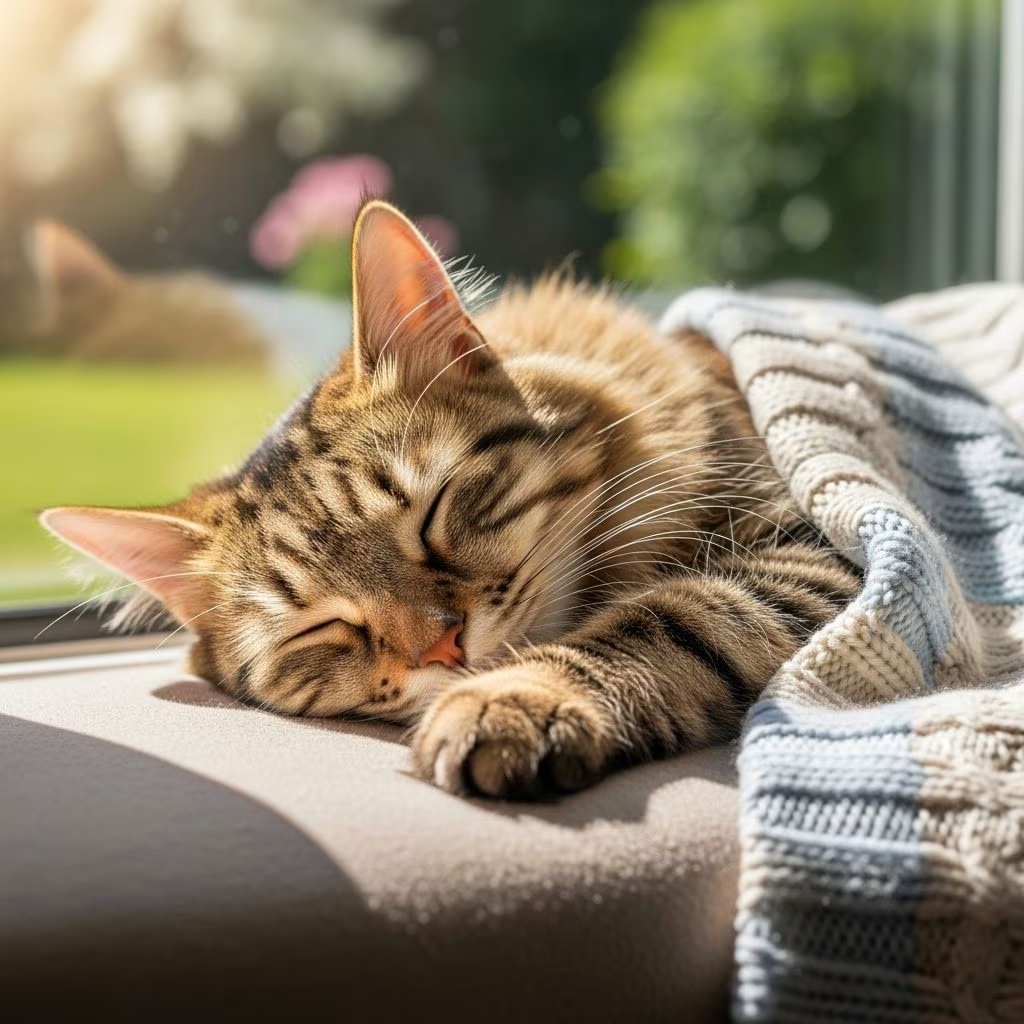
How Much Do Cats Sleep? A Comprehensive Guide to Feline Rest
Cats are famous for their ability to sleep—a lot. If you’ve ever wondered why your feline companion seems to spend half the day (or more) snoozing, you’re not alone. Understanding cat sleep is essential for any cat owner, as it helps you recognize normal behavior and identify potential health concerns. Cats have evolved unique sleep patterns that differ significantly from humans, and these patterns vary based on age, health, and environmental factors.
Average Cat Sleep Duration
The amount of time cats spend sleeping is considerably higher than most other animals, including humans. On average, cats sleep between 12 to 20 hours per day, with many cats falling into the 12 to 18-hour range. To put this in perspective, this means cats spend roughly two-thirds of their lives sleeping or resting. However, not all cats follow the same pattern. Nearly 40% of cats sleep more than 18 hours daily, while some may sleep closer to the lower end of the spectrum.
The reason for this extensive sleep is rooted in their evolutionary history. As predators, cats expend significant energy when hunting and exploring. This high energy expenditure necessitates longer rest periods to maintain alertness and focus when awake. Unlike humans, who consolidate sleep into one long nighttime session, cats distribute their sleep throughout the day in multiple short bursts.
The Polyphasic Sleep Pattern
One of the most distinctive aspects of feline sleep is their polyphasic sleep pattern. This means cats don’t sleep in one long, continuous block like humans do. Instead, they take multiple short naps throughout the day and night. These individual napping sessions typically last between 15 to 30 minutes, though some can extend to 50 to 113 minutes. The average cat nap lasts approximately 78 minutes.
This polyphasic approach to sleep allows cats to remain partially alert even while resting. During lighter sleep phases, cats can quickly detect environmental changes and threats, enabling them to respond rapidly to potential danger. This evolutionary adaptation reflects their role as both hunters and prey avoidance specialists in the wild.
Understanding Cat Sleep Cycles
Like humans, cats experience different sleep stages with distinct characteristics. However, the proportion and duration of each stage differ significantly from human sleep patterns. Understanding these stages helps you recognize what your cat is experiencing during rest periods.
Light Sleep (Non-REM Sleep)
Light sleep, or non-rapid eye movement (NREM) sleep, comprises approximately 75% of a cat’s total sleep time. During this stage, cats appear to be resting but remain highly alert to their surroundings. You may notice their eyes partially open or their ears rotating toward sounds in their environment. Their muscles remain active and ready to respond, allowing them to transition from rest to action within seconds if needed.
Light sleep typically lasts around 25 minutes. During this phase, the cat’s brain activity shows long, irregular waves on an EEG graph. This lighter sleep stage allows cats to receive restorative benefits while maintaining awareness of potential threats or opportunities in their environment.
Deep Sleep (REM Sleep)
Deep sleep, or rapid eye movement (REM) sleep, accounts for only about 25% of a cat’s total sleep time. During REM sleep, the cat’s eyes move rapidly behind closed eyelids, moving both horizontally and vertically. This stage is when cats are most likely to dream, similar to humans, though we can only speculate about the content of their dreams.
REM sleep lasts only 5 to 7 minutes in cats. During this phase, you may observe twitching whiskers, tail flicks, paw movements, or even occasional snoring. Cats are difficult to wake during deep REM sleep, and they cycle through multiple bursts of REM activity (8 to 30 movements per burst) before transitioning back to lighter sleep stages. This deep sleep is crucial for mental restoration and memory consolidation.
Cat Sleep Patterns by Age
The amount and pattern of sleep cats require changes throughout their lifespan. Understanding age-related sleep variations helps you provide appropriate care for your cat at each life stage.
Kittens
Newborn kittens sleep nearly 24 hours a day, spending most of their time nursing and sleeping while their bodies grow and develop. This extensive sleep is essential for their rapid physical development and neurological maturation. Interestingly, newborn kittens fall directly into deep REM sleep rather than progressing through lighter sleep stages first.
As kittens mature, their sleep requirements decrease to approximately 16 to 20 hours per day. Despite this reduction, kittens still spend most of their day sleeping, punctuated by brief bursts of intense playfulness and energy between meals. Adolescent kittens may display erratic sleep patterns, sometimes sleeping deeply for extended periods then suddenly bursting into hyperactive play sessions.
Adult Cats
Adult cats typically maintain consistent sleep schedules, averaging 12 to 20 hours of sleep per day. At this life stage, cats have established routines and more predictable sleep-wake cycles. Adult cats generally require slightly less sleep than kittens but significantly more than most other animals. Their sleep remains distributed throughout the day in multiple short naps rather than consolidated sleep periods.
Senior Cats
As cats enter their senior years (typically 10 years and older), sleep duration often increases again. Senior cats typically have reduced activity levels due to age-related changes, decreased mobility, or health conditions. They tend to sleep more than younger adult cats, sometimes approaching or exceeding 18 to 20 hours daily.
Circadian Rhythms and Activity Patterns
Like all animals, cats possess a circadian rhythm—an internal biological clock governing their 24-hour sleep-wake cycle. However, unlike humans who are diurnal (active during the day and asleep at night), cats are crepuscular. This means cats experience two natural peaks of activity: one in the early morning before sunrise and another in the evening around sunset.
Crepuscular activity patterns reflect cats’ evolutionary history as hunters. Wild feline predators typically hunt during dawn and dusk when other animals are most active and when larger predators are less likely to be hunting. While domesticated cats don’t need to hunt for survival, this biological programming remains. This is why many cat owners notice their pets becoming playful or active during early morning or evening hours, sometimes when owners are trying to sleep.
Factors Influencing Cat Sleep Duration
While average sleep ranges provide useful guidelines, individual cats may sleep more or less based on various factors. Several elements influence how much sleep a particular cat needs:
Health Status
A cat’s overall health significantly impacts sleep duration and quality. Cats with chronic health conditions, arthritis, hyperthyroidism, or other medical issues may sleep more or experience disrupted sleep patterns. Conversely, cats experiencing pain or discomfort may struggle to sleep deeply and may appear restless during rest periods.
Activity Level
Cats with higher activity levels during waking hours may require slightly more sleep for recovery. Indoor cats with enrichment activities and interactive play sessions may have different sleep patterns than less active cats. Environmental stimulation and play opportunities influence a cat’s energy expenditure and subsequent sleep needs.
Environmental Conditions
Weather and environmental comfort significantly affect cat sleep. Many cats sleep longer and deeper on cold, rainy days compared to sunny, mild weather. Environmental temperature, noise levels, and comfort of sleeping locations all contribute to sleep duration and quality. Cats naturally seek comfortable, secure sleeping spots that encourage longer rest periods.
Age
As discussed, age remains one of the most significant factors determining sleep duration. Kittens, adult cats, and senior cats have distinctly different sleep requirements, with kittens and senior cats generally sleeping more than middle-aged adults.
When to Worry About Excessive Sleep
While cats naturally sleep extensively, sudden changes in sleep patterns or excessive sleeping that deviates from your cat’s normal behavior may indicate health concerns. There is no specific sleep threshold that definitively indicates a problem; instead, focus on understanding your cat’s normal sleep patterns.
Signs that your cat’s sleep may warrant veterinary attention include sudden increases in sleep duration that deviate from their baseline, sleep accompanied by other behavioral changes, difficulty waking or excessive grogginess, lethargy between sleep periods, or sleep patterns that coincide with other symptoms like appetite loss or litter box changes. Additionally, if your senior cat or adult cat suddenly begins sleeping significantly more than their normal pattern, consult your veterinarian to rule out underlying health issues.
Creating an Optimal Sleep Environment
Supporting healthy cat sleep is an important part of pet care. Provide comfortable sleeping locations, such as soft beds, cat trees, or window perches where your cat can rest undisturbed. Ensure these areas are quiet, warm, and secure. Many cats prefer elevated sleeping spots that offer both comfort and visibility of their surroundings.
Maintain consistent daily routines and provide interactive play during your cat’s active periods to encourage appropriate sleep-wake cycles. Respect your cat’s sleep time by minimizing disruptions and loud noises during their rest periods, especially during their natural peak sleep hours.
Frequently Asked Questions About Cat Sleep
Q: Is it normal for my cat to sleep 20 hours a day?
A: Yes, it is normal for many cats to sleep 18 to 20 hours daily. Nearly 40% of cats sleep more than 18 hours per day. However, ensure this is consistent with your cat’s normal pattern and not a sudden change indicating illness.
Q: Why do cats take so many naps?
A: Cats’ polyphasic sleep pattern allows them to remain alert to their environment while still getting necessary rest. This evolutionary adaptation enables them to react quickly to threats or hunting opportunities. Multiple short naps provide restorative benefits while maintaining environmental awareness.
Q: Do cats dream during sleep?
A: Cats likely dream during REM sleep, similar to humans. Researchers have observed cats appearing to act out their dreams while in deep sleep, with movements like twitching paws or tail flicks. However, the content of cat dreams remains unknown.
Q: Why does my cat sleep more in winter?
A: Many cats sleep longer on cold, rainy days because cooler temperatures and gray weather make rest feel more appealing. Additionally, reduced daylight in winter can influence circadian rhythms, potentially affecting sleep duration and timing.
Q: How can I tell if my cat is really asleep or just resting?
A: During light sleep (which comprises 75% of cat sleep), cats’ eyes may be partially open and their ears remain active. True deep sleep is when eyes are fully closed and the cat appears completely still. Both stages are normal and restorative for cats.
Q: Should I be concerned if my senior cat sleeps constantly?
A: Senior cats naturally sleep more than younger cats due to reduced activity and potential health changes. However, monitor for sudden increases beyond your cat’s normal pattern or accompanying symptoms like appetite loss, which may indicate health issues requiring veterinary attention.
References
- How Many Hours Do Cats Sleep? — Sleep Foundation. 2024. https://www.sleepfoundation.org/animals-and-sleep/how-much-do-cats-sleep
- Why Do Cats Sleep So Much? — PetMD. 2024. https://www.petmd.com/cat/behavior/why-do-cats-sleep-so-much
- What Time Of Day Do Cats Sleep The Most? — FELIWAY. 2024. https://www.feliway.co.uk/blogs/news/what-time-of-day-do-cats-sleep-the-most
- Catnap Connoisseurs: How Cats Sleep — Fear Free Happy Homes. 2024. https://www.fearfreehappyhomes.com/catnap-connoisseurs-how-cats-sleep/
- Why Do Cats Sleep So Much? — Union Lake Veterinary Hospital. 2024. https://unionlakeveterinaryhospital.com/blog/why-do-cats-sleep-so-much
- My cat sleeps constantly, should I be worried? — Germantown Animal Hospital. 2024. https://www.germantownah.com/site/blog-memphis-vet/2024/04/15/cat-sleeps-constantly
- Why do Cats Sleep so Much? — Oakland Veterinary Referral Services. 2024. https://www.ovrs.com/blog/cats-sleep/



