

How Much Cat Litter Per Month Should You Use?
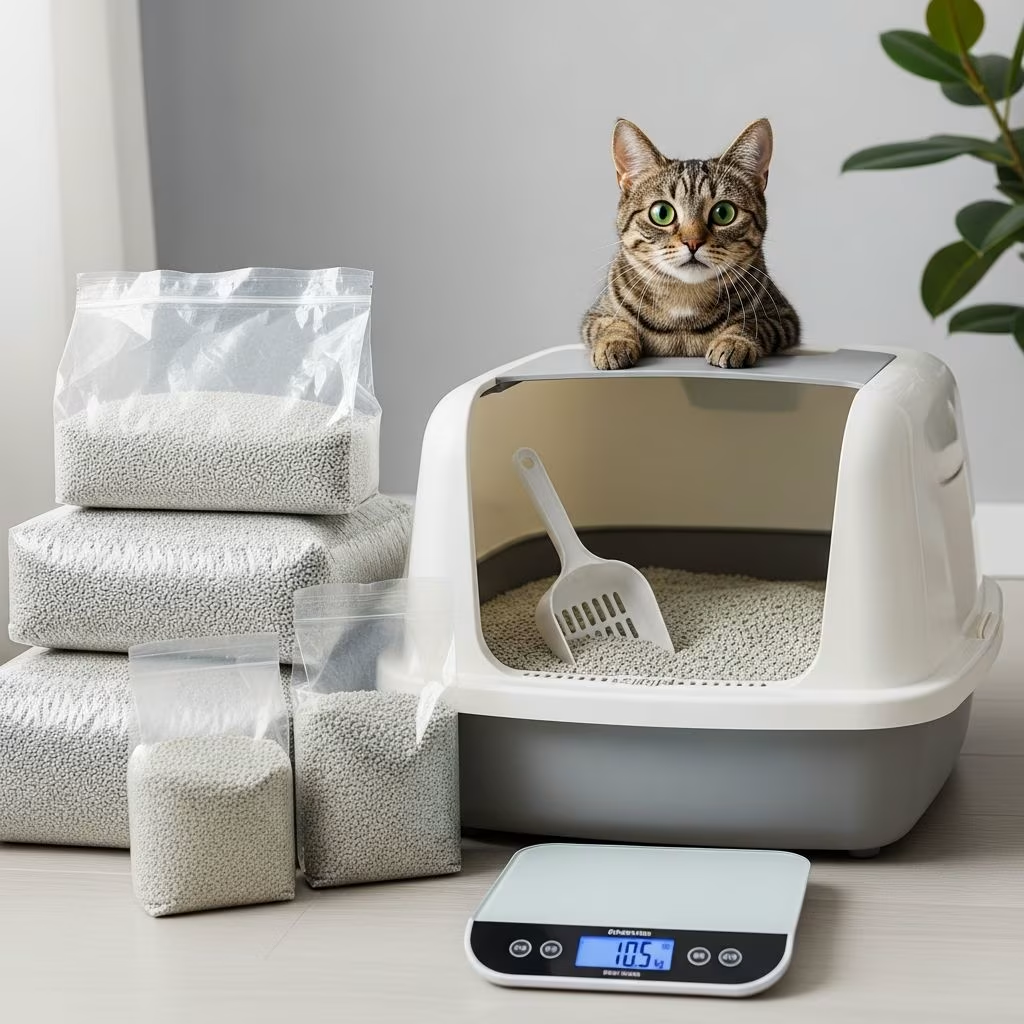
One of the most common questions cat owners face is determining how much litter their feline companion will need each month. The answer isn’t one-size-fits-all, as several variables influence consumption. On average, you can expect to use approximately 20–40 pounds of cat litter per month per cat, depending on how often you fully change the box versus scooping and topping off. Understanding your specific situation will help you budget accurately and ensure your cat always has a clean litter box.
How Much Cat Litter Does the Average Cat Go Through in One Month?
Every cat is unique, and their litter usage varies considerably. Some cats may go through around 20–25 pounds of litter each month, while others that use a larger tray or prefer a spotless litter box may require as much as 40 pounds per month. Additionally, cats experiencing medical issues that cause increased urination or diarrhea may need an even greater amount of litter.
The difference in usage comes down to individual preferences and habits. Cats that are more fastidious about their bathroom environment or those with larger bodies naturally require more litter. By monitoring your cat’s bathroom habits and litter box preferences, you can develop a more accurate estimate for your household.
Determining How Much Cat Litter to Use Per Month
To determine how much cat litter to use each month, consider the following steps:
- Start with the average range of 20–40 pounds per cat as your baseline
- Factor in all variables specific to your household and cat’s behavior
- Keep track of how much litter you purchase and use over a full month
- Adjust your estimates based on actual consumption patterns
- Diligently clean and replace your cat’s litter regularly to maintain accuracy
This methodical approach ensures you won’t be caught off guard by sudden litter shortages and helps you understand the true cost of cat ownership. Many cat owners find that tracking their usage for even a single month provides valuable insights that guide their purchasing decisions for the entire year.
Key Variables Affecting Monthly Litter Usage
Several important factors influence how much litter your cat will go through in a month. Understanding these variables will help you make more accurate calculations and adjustments:
Number of Cats
Each additional cat significantly increases monthly litter consumption. Studies show that each additional cat increases monthly litter consumption by 15-25 pounds. Multiple cats sharing litter boxes require more frequent changes and larger top-up amounts. The rule of thumb is to have N+1 litter boxes for N cats, which means more initial fill requirements and ongoing maintenance costs.
Litter Box Quantity and Size
The number and size of litter boxes in your home directly impacts litter usage. Larger boxes naturally require more litter to maintain the recommended depth, while additional boxes mean more litter to manage across multiple locations. More boxes lead to better hygiene but higher initial fill requirements and maintenance costs.
Scooping Frequency
How often you scoop your cat’s litter box plays a crucial role in overall consumption. If you scoop the litter box daily and only replace litter as needed, you may use less overall compared to less frequent scooping. Regular scooping also helps control odors and keeps the box cleaner between full changes, which can extend the life of your litter.
Litter Depth Preference
The depth at which you maintain your litter directly affects monthly usage. Most experts recommend maintaining 2-3 inches of litter depth. Shallow litter under 2 inches can cause odor issues, while excessive depth over 4 inches wastes product and increases tracking. Adjust the depth based on your cats’ digging preferences and your comfort level with odor control.
Cat Age and Health
Your cat’s age and overall health status can impact litter usage. Kittens and senior cats may have different bathroom habits compared to adult cats. Cats experiencing medical issues that cause them to urinate more frequently or have diarrhea will require greater amounts of litter. Regular veterinary check-ups can help identify any health concerns that might affect litter box usage.
Understanding Different Litter Types and Their Usage Rates
The type of litter you choose significantly affects how much you’ll need monthly. Different materials have varying absorption rates and longevity, which directly impacts monthly consumption calculations.
Clumping Clay Litter
Clumping clay litter remains the most popular choice for cat owners due to its ease of use and effective odor control. According to the Cornell Feline Health Center, monthly consumption typically ranges from 20-40 pounds per cat with proper scooping habits and bi-weekly full changes. This litter forms hard clumps when wet, making it easy to scoop out waste and remove only the soiled portions. While clumping clay can be dusty and heavy, its popularity stems from its excellent performance and affordability.
Non-Clumping Clay Litter
Non-clumping clay litter requires more frequent complete changes since you cannot remove individual waste clumps. This increases monthly usage by 30-50% compared to clumping varieties. However, the lower cost per pound can sometimes offset the higher volume needs. Non-clumping options are ideal for cat owners seeking a budget-friendly alternative who don’t mind more frequent full box replacements.
Crystal or Silica Gel Litter
Crystal or silica gel litter absorbs moisture without clumping and can last 3-4 weeks between changes. While initial costs are higher, monthly usage drops to 10-15 pounds per cat, making it cost-competitive for small households. This type of litter is excellent for odor control and produces minimal dust, though some cats may need time adjusting to the texture.
Natural and Biodegradable Litters
Natural and biodegradable litters offer eco-friendly alternatives made from materials like corn, wheat, pine, or paper. These options have varying absorption rates depending on the material composition and processing method. Usage typically ranges from 15-35 pounds monthly per cat. Many environmentally conscious cat owners choose these alternatives, though performance may vary compared to traditional clay products.
Monthly Litter Usage by Household Type
Here’s a breakdown of typical monthly litter consumption for different household scenarios:
| Household Type | Number of Cats | Litter Boxes | Monthly Usage | Estimated Cost/Month |
|---|---|---|---|---|
| Single Cat – Minimal | 1 | 1 | 15-20 lbs (6.8-9 kg) | $7.50 – $10.00 |
| Single Cat – Standard | 1 | 2 | 25-30 lbs (11-14 kg) | $12.50 – $15.00 |
| Two Cats – Standard | 2 | 3 | 40-50 lbs (18-23 kg) | $20.00 – $25.00 |
| Three Cats – Standard | 3 | 4 | 55-70 lbs (25-32 kg) | $27.50 – $35.00 |
These estimates assume mid-range clumping clay litter and standard maintenance routines. Your actual costs and usage may vary based on the specific litter type, local pricing, and your individual cat’s needs.
How Much Does Cat Litter Cost Per Month?
The average cost of cat litter per month varies depending on several variables, such as the brand you purchase and how much your cat goes through in a month. On average, you can expect to pay $20–$40 per month for cat litter when using mid-range clumping clay litter. This estimate can vary depending on the type of litter you use and how often you fully change it.
Premium litter brands may cost more upfront but can actually reduce overall monthly consumption and odor issues, potentially balancing out the higher per-pound cost. Conversely, budget-friendly options might seem economical initially but could require higher volumes to achieve the same odor control and clumping performance.
Money-Saving Tips for Cat Litter Expenses
Reducing your cat litter expenses doesn’t mean compromising on quality or your cat’s comfort. Consider these cost-saving strategies:
- Buy in Bulk: Bulk purchasing often reduces per-pound costs by 20-40%, and buying in larger quantities prevents emergency pet store trips that typically cost more
- Compare Price Per Pound: Check product packaging or divide the total price by weight to calculate true costs, as larger bags often offer better value
- Scoop Daily: Regular scooping extends litter life and reduces waste, ultimately lowering monthly consumption
- Use Litter Liners: Box liners can make cleaning easier and help maintain litter freshness longer
- Subscribe to Delivery Services: Many brands offer subscription discounts for regular deliveries, providing both convenience and savings
- Track Your Usage: Knowing exactly how much you need helps avoid over-buying and storing excess litter
Calculating Your Litter Box Needs
Beyond just purchasing litter, understanding your complete litter box setup ensures optimal hygiene and efficiency:
- Initial Fill Amount: The pounds of litter needed to fill all boxes to your specified depth when starting fresh or doing complete changes. Stock this amount to avoid running short during replacements
- Daily Top-Up Amount: The litter you’ll add daily to maintain proper depth after scooping waste. This compensates for removed clumps and lost volume, keeping boxes at optimal levels
- Monthly Litter Usage: Total consumption including initial fills, complete changes, and daily top-ups. This figure helps determine whether to buy 20-pound bags or 40-pound containers
- Recommended Litter Depth: Maintain 2-3 inches of litter to prevent odor issues while avoiding waste
Frequently Asked Questions (FAQs)
Q: How often should I completely change my cat’s litter?
A: Complete litter changes depend on your maintenance routine and litter type. With clumping litter and daily scooping, bi-weekly complete changes are typically sufficient. Non-clumping litter requires more frequent full changes, sometimes weekly.
Q: Does the size of my cat affect litter usage?
A: Yes, larger cats may use more litter, especially if they prefer deeper litter boxes. Additionally, cats that dig more extensively will displace more litter during bathroom use.
Q: Can I use less litter to save money?
A: While you might reduce costs short-term, using less than 2 inches of litter typically results in odor problems and less effective waste management. It’s better to find a cost-effective litter type that works well than to compromise on depth.
Q: What should I do if my cat uses more litter than expected?
A: Increased litter usage could indicate health issues or behavioral changes. If your cat suddenly needs significantly more litter, consult your veterinarian to rule out urinary tract infections or other medical conditions.
Q: How can I reduce litter tracking in my home?
A: Using proper litter depth (2-3 inches) helps minimize tracking. Additionally, placing a litter mat outside the box can catch loose litter, and some cats track less with larger grain litters.
Q: Is premium cat litter worth the extra cost?
A: Premium litters often provide superior odor control, reduced dust, and better clumping performance. While initial costs are higher, they may reduce overall monthly usage and improve your home environment, making them cost-effective over time.
References
- How Much Cat Litter Per Month Calculator — whatbreedismycat.io. 2025. https://whatbreedismycat.io/cat-litter-calculator/
- How Much Cat Litter Calculator — calculator.land. 2025. https://www.calculator.land/calculators/animal-calculators/how-much-cat-litter-calculator/
- Cat Litter Calculator — SuperPawculators. 2025. https://superpawculators.com/cat-litter-calculator/
- How Much Cat Litter Per Month Should You Use? Vet-Verified Facts — Catster. 2025. https://www.catster.com/cat-health-care/how-much-cat-litter-per-month-should-you-use/



