

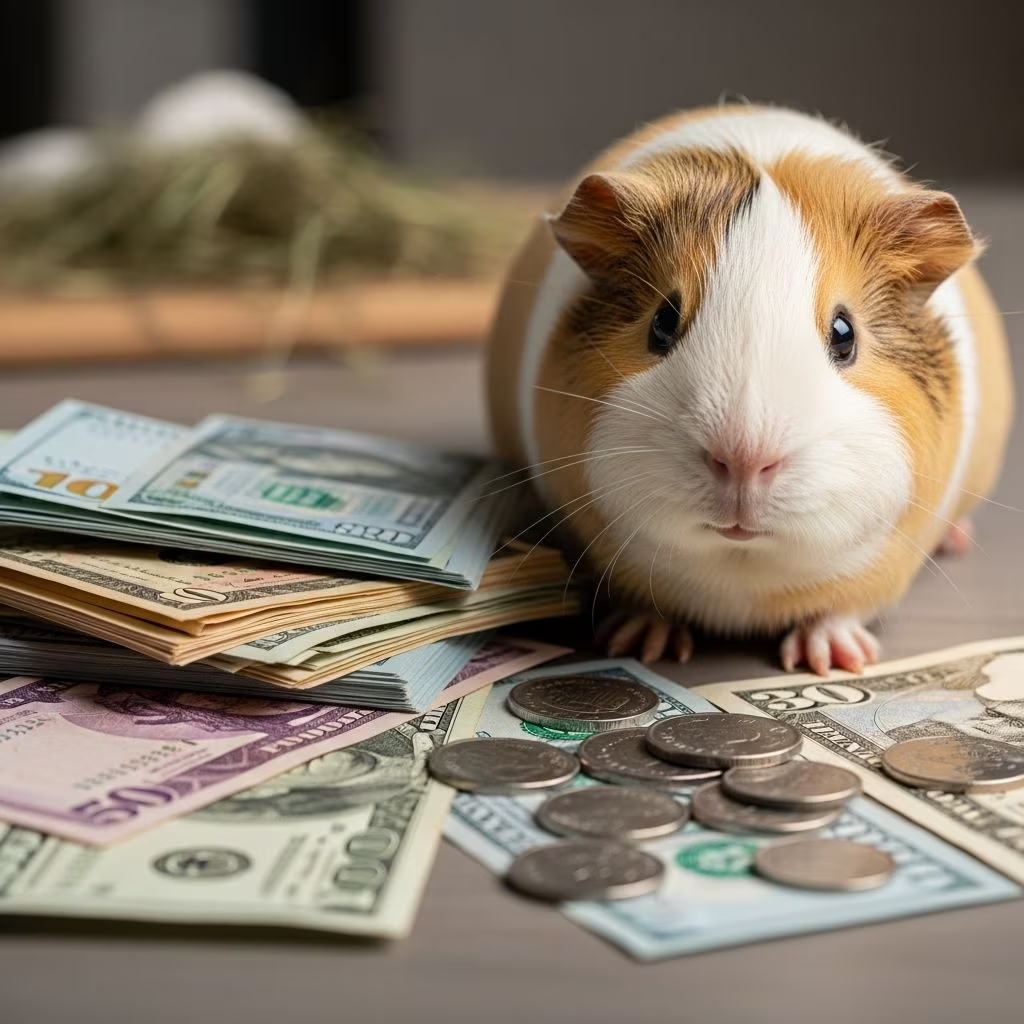
How Much Are Guinea Pigs: A Complete Cost Breakdown
Guinea pigs are popular small pets known for their friendly temperament and relatively low maintenance compared to other animals. However, potential guinea pig owners should understand that while these adorable creatures may seem affordable, there are significant upfront and ongoing costs associated with responsible guinea pig ownership. Understanding these expenses will help you determine if guinea pigs fit your budget and lifestyle.
Guinea Pig Purchase Price
The initial cost of acquiring a guinea pig varies depending on where you obtain the animal and its breed or characteristics. Guinea pigs purchased from reputable breeders, pet shops, or specialty stores typically range from $25 to $100 per animal. Show-quality or rare breed guinea pigs may cost more, sometimes reaching $150 or higher. However, adopting from animal shelters or guinea pig rescues can be significantly more affordable, with adoption fees typically ranging from $10 to $50.
It’s important to note that many experts recommend purchasing or adopting at least two guinea pigs, as these are social animals that thrive in pairs or small groups. This means your initial animal acquisition cost could easily be $50 to $200 or more for two guinea pigs. Consider starting with two animals from the beginning to provide companionship and better overall welfare for your pets.
Initial Setup and Housing Costs
Beyond the cost of the guinea pigs themselves, you’ll need to invest in proper housing and initial supplies. This startup phase represents one of your largest expenses when beginning guinea pig ownership.
Enclosure and Housing
A spacious, secure enclosure is essential for guinea pig health and happiness. Guinea pigs should be housed indoors to keep them safe from injury, heatstroke, and predators. Standard pet store cages are often too small; veterinarians and guinea pig experts recommend a minimum of 7.5 square feet for one guinea pig and an additional 2.5 square feet for each additional guinea pig. Quality enclosures, whether traditional cages or C&C (Cubes and Coroplast) cages, typically cost $150 to $500 or more, depending on size and construction quality.
C&C cages, which many guinea pig enthusiasts prefer for their durability and customizability, can be built for $100 to $300 depending on materials and size. Pre-built large enclosures may cost $200 to $600. This represents a significant investment but is crucial for your guinea pigs’ well-being and long-term health.
Bedding Materials
Proper bedding is essential for guinea pig health and comfort. Recycled-paper bedding such as Carefresh or Fresh News is recommended, while cedar and pine shavings should be avoided due to their harmful oils and respiratory irritants. Initial bedding purchase typically costs $30 to $60, and ongoing monthly bedding expenses will range from $20 to $40 depending on enclosure size and bedding type.
Essential Accessories
Beyond the basic enclosure, guinea pigs require several accessories for comfort and health:
- Hideaway places or shelters: $20 to $50 (at least one per guinea pig)
- Food bowls and water bottles: $15 to $40
- Hay racks: $10 to $25
- Chew toys and enrichment items: $20 to $50
- Small animal nail clippers: $10 to $20
- Brush and grooming supplies: $15 to $30
Your total initial setup cost for housing and accessories typically ranges from $250 to $800 or more, depending on quality and size choices.
Food and Nutrition Expenses
Proper nutrition is fundamental to guinea pig health and represents a significant portion of ongoing expenses. Guinea pigs require a specific diet consisting of hay, fresh vegetables, pellets, and vitamin C supplementation.
Hay Costs
High-quality hay such as timothy, oat, or orchard grass should make up 70 to 80 percent of a guinea pig’s diet and should always be available. Guinea pigs should never run out of fresh hay. Depending on the quality and source, hay costs approximately $20 to $40 monthly for two guinea pigs. Bulk purchases or hay subscriptions can sometimes reduce costs.
Pellets
Guinea pig pellets formulated specifically for these animals supplement their hay diet. The recommended amount is 1 to 2 tablespoons per guinea pig daily, or approximately 1/8 cup per animal. Quality guinea pig pellets cost roughly $15 to $30 monthly for two guinea pigs, depending on brand and type.
Fresh Vegetables
Guinea pigs require 20 to 30 percent of their diet as fresh vegetables. Daily vegetable costs typically range from $10 to $25 monthly for two guinea pigs. Safe vegetables include bell peppers, cucumbers, romaine lettuce, and carrots, while avocados and certain other vegetables must be avoided.
Vitamin C Supplements
Since guinea pigs cannot produce vitamin C themselves, supplementation is essential to prevent scurvy and maintain health. Vitamin C supplements can be provided through drops added to water or treats formulated with the nutrient. Quality supplements typically cost $10 to $20 monthly. While some pellets are fortified with vitamin C, this nutrient can degrade over time, especially after the bag is opened, making separate supplementation important.
Treats
While not essential, guinea pigs enjoy occasional treats. However, treats should be healthy and limited in sugar and fat content. Budget approximately $5 to $15 monthly for treats, being mindful that many commercial treats are high in sugar and low in fiber.
Your total monthly food and nutrition costs for two guinea pigs typically range from $60 to $130, making annual food expenses $720 to $1,560.
Ongoing Maintenance and Cleaning Supplies
Guinea pig ownership requires regular cage maintenance to prevent respiratory infections and maintain a healthy living environment. Daily spot-cleaning involves removing soiled bedding, wiping surfaces, and checking food and water. Weekly deep cleaning requires complete bedding changes and thorough cage sanitization.
Cleaning supplies such as bedding, cage cleaner, and sanitizing products cost approximately $20 to $40 monthly. Maintaining proper ventilation and preventing ammonia buildup is crucial, as respiratory infections from poor living conditions can be deadly for guinea pigs.
Veterinary Care Costs
Preventative veterinary care is essential for guinea pig health. Unlike dogs and cats, guinea pigs require veterinarians experienced with small animals. Annual wellness checks typically cost $50 to $100 per guinea pig. Some guinea pigs may require more frequent veterinary visits or treatment for specific health conditions.
Common health issues requiring veterinary care include respiratory infections, dental problems, vitamin C deficiency, and digestive issues. Treatment costs can range from $100 to $500 or more per visit, depending on the condition and required procedures. Emergency veterinary care can be significantly more expensive.
Budget approximately $100 to $300 annually per guinea pig for routine veterinary care, with additional funds reserved for unexpected health issues.
Monthly Cost Summary
Understanding the complete monthly expenses helps you budget effectively for guinea pig ownership:
| Expense Category | Monthly Cost Range (Two Guinea Pigs) |
|---|---|
| Hay | $20 – $40 |
| Pellets | $15 – $30 |
| Fresh Vegetables | $10 – $25 |
| Vitamin C Supplements | $10 – $20 |
| Treats | $5 – $15 |
| Bedding and Cleaning Supplies | $20 – $40 |
| Total Monthly | $80 – $170 |
Annual Cost Estimates
When calculating annual guinea pig ownership costs, consider both recurring expenses and veterinary care:
- Food and nutrition: $720 to $1,560
- Bedding and cleaning supplies: $240 to $480
- Routine veterinary care: $100 to $300 per guinea pig (additional veterinarians can charge more)
- Replacement accessories and enrichment: $50 to $150
- Emergency fund for unexpected health issues: $200 to $500
Annual expenses for two guinea pigs typically range from $1,310 to $3,390, with an average around $1,800 to $2,200 annually. This estimate assumes routine care and no major health issues.
Factors Affecting Guinea Pig Costs
Location and Geographic Differences
Guinea pig costs vary by geographic location. Urban areas typically have higher veterinary costs and may offer more specialty pet stores with premium pricing. Rural areas may have limited access to small animal veterinarians, potentially increasing travel costs or requiring exotic animal specialists.
Quality and Brand Preferences
Choosing premium brands for hay, pellets, and supplements can increase monthly costs by 25 to 50 percent. However, investing in quality nutrition often results in better guinea pig health and fewer veterinary visits.
Number of Guinea Pigs
While housing costs don’t increase proportionally with each additional guinea pig, food, bedding, and veterinary costs do. A third guinea pig might add $30 to $50 monthly in expenses.
Health Status and Age
Older guinea pigs or those with chronic health conditions require more frequent veterinary care and potentially specialized diets, increasing annual costs.
Ways to Reduce Guinea Pig Costs
Several strategies can help manage guinea pig ownership expenses without compromising care quality:
- Purchase hay in bulk from agricultural suppliers to reduce costs by 30 to 40 percent
- Subscribe to hay delivery services for regular pricing and convenience
- Grow fresh vegetables at home for guinea pig consumption
- Buy quality pellets in bulk and store properly to maintain freshness
- Adopt guinea pigs from rescues to reduce initial acquisition costs
- Build a C&C cage yourself instead of purchasing pre-made enclosures
- Join guinea pig communities and forums for money-saving tips and bulk purchasing opportunities
- Establish preventative care habits to reduce emergency veterinary visits
Frequently Asked Questions About Guinea Pig Costs
Q: How much does it cost to adopt a guinea pig from a rescue?
A: Guinea pig adoption fees from rescues typically range from $10 to $50, significantly less than purchasing from pet stores or breeders. Adoption often includes the benefit of potentially knowing the guinea pig’s personality and health history.
Q: Are guinea pigs expensive to maintain?
A: Guinea pigs are relatively affordable to maintain compared to dogs or cats, with monthly costs typically between $80 and $170 for two animals. However, they require consistent investment in quality food, housing, and veterinary care.
Q: Can I save money by keeping guinea pigs outdoors?
A: No. Guinea pigs should be housed indoors to protect them from injury, heatstroke, predators, and weather extremes. While outdoor housing might seem cheaper initially, it compromises guinea pig safety and health significantly.
Q: What is the most expensive part of guinea pig ownership?
A: The initial setup with housing and accessories represents the largest upfront cost. Ongoing, food and bedding are the most significant recurring expenses, followed by veterinary care.
Q: How often should guinea pigs see a veterinarian?
A: Guinea pigs should have annual wellness checkups, costing $50 to $100 per visit. Additional veterinary care may be necessary if health issues arise, potentially adding $100 to $500 or more per visit.
Q: Is guinea pig food expensive?
A: Guinea pig food costs are moderate, typically $45 to $75 monthly for two animals when including hay, pellets, vegetables, and supplements. This represents the most consistent ongoing expense in guinea pig ownership.
References
- Guinea Pigs Care Guide: How To Take Care of Guinea Pigs — Chewy Education. 2025. https://www.chewy.com/education/small-pet/guinea-pig/how-to-care-for-a-guinea-pig
- What Do Guinea Pigs Eat? Hay, Veggies and More — Chewy Education. 2025. https://www.chewy.com/education/small-pet/guinea-pig/what-do-guinea-pigs-eat
- The Ultimate Guide to Housing for Guinea Pigs — Chewy Education. 2025. https://www.chewy.com/education/small-pet/guinea-pig/housing-for-guinea-pigs
- Are Guinea Pigs Good Pets for Kids? Here’s What Parents Should Know — Chewy Education. 2025. https://www.chewy.com/education/small-pet/guinea-pig/are-guinea-pigs-good-pets-for-kids
- The Ultimate Guide to Guinea Pig Breeds — Chewy Education. 2025. https://www.chewy.com/education/small-pet/guinea-pig/types-of-guinea-pigs



