

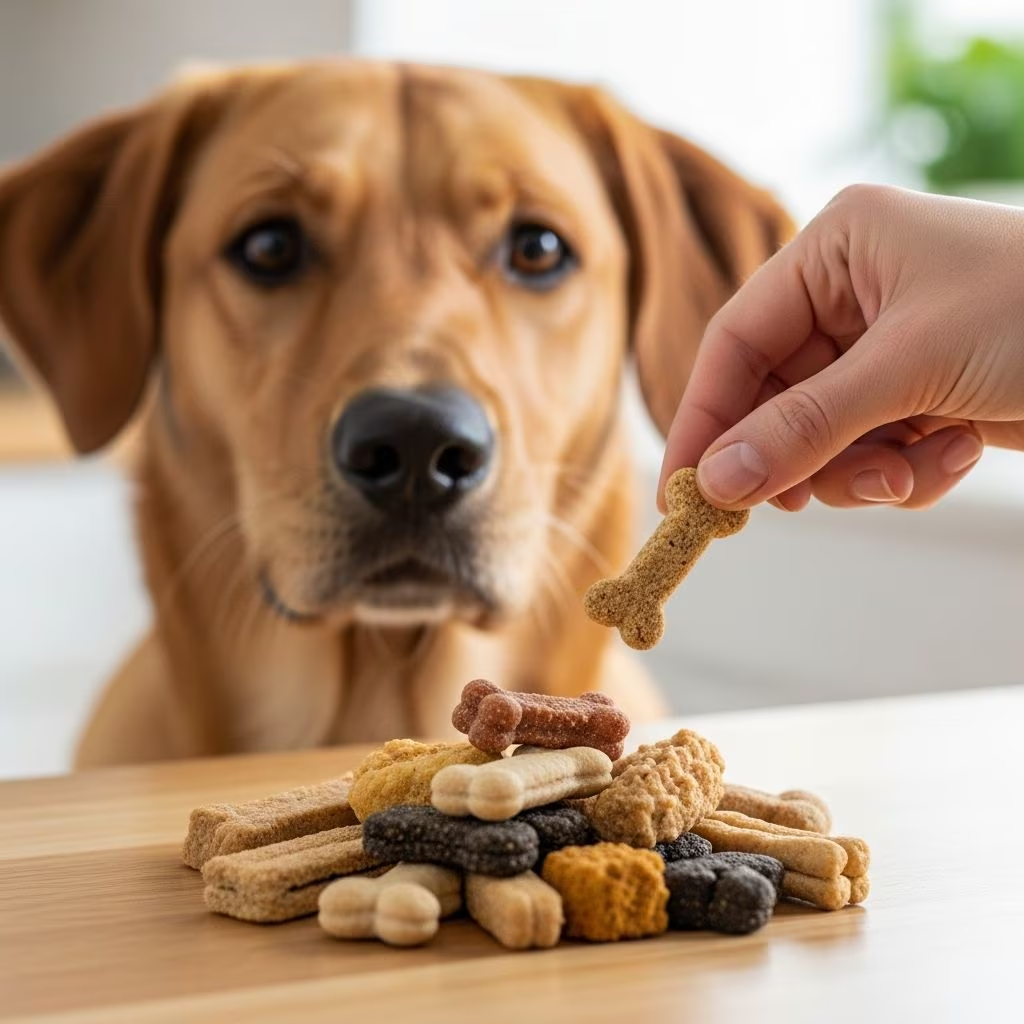
How Many Treats Should I Feed My Dog: A Complete Nutritional Guide
Treats are an essential part of dog ownership. They serve as rewards during training, strengthen the bond between you and your pet, and provide moments of joy for your furry companion. However, many dog owners struggle with one fundamental question: how many treats should I actually give my dog each day? Understanding proper treat portions is crucial for maintaining your dog’s health, preventing obesity, and ensuring balanced nutrition throughout their life.
The Golden Rule: The 5-10% Treat Guideline
Veterinarians and canine nutrition experts agree on a straightforward principle when it comes to treating your dog. Treats should be given in moderation and should represent five percent or less of your dog’s total daily caloric intake. For puppies, this threshold is even more conservative—limiting puppy treats to 10% or less of their diet helps prevent nutritional imbalances and excessive calorie consumption during critical growth stages.
This percentage-based approach ensures that treats remain supplementary to your dog’s primary diet rather than becoming a significant nutritional component. When treats exceed these recommended percentages, they can displace essential nutrients that your dog needs from their regular meals, potentially leading to dietary deficiencies or weight gain.
Understanding Caloric Requirements
To apply the 5-10% rule effectively, you need to know your dog’s daily caloric requirements. A dog’s caloric needs depend on several factors, including body weight, activity level, age, metabolism, and overall health status. Most average adult dogs require between 25 to 30 calories per pound of body weight daily, though active dogs may need more and senior or less active dogs may need fewer calories.
For example, a 50-pound moderately active dog typically needs approximately 1,250 to 1,500 calories daily. Following the 5% guideline, this dog should receive no more than 62 to 75 calories from treats each day. A 10-pound small breed dog requiring around 250 to 300 calories daily should consume no more than 12 to 30 calories from treats.
Factors Affecting Daily Treat Portions
While the 5-10% guideline provides a solid foundation, several individual factors may necessitate adjustments to your dog’s treat allowance:
Activity Level
Highly active dogs, such as those engaged in agility training, dock diving, or regular vigorous exercise, may have higher caloric requirements and could potentially handle slightly larger treat portions. Conversely, sedentary or senior dogs with limited activity require fewer calories overall, making their appropriate treat portions smaller.
Age and Life Stage
Puppies have different nutritional needs than adult dogs, requiring more calories per pound of body weight to support growth and development. However, their treat allowance should remain more conservative to ensure they receive adequate nutrition from their specialized puppy food formulas. Senior dogs may have slower metabolisms and lower activity levels, requiring smaller treat portions to prevent unwanted weight gain.
Body Weight and Health Status
Dogs prone to obesity or those already overweight should receive smaller treat portions to help them maintain or achieve a healthy weight. Dogs with certain health conditions, such as diabetes or digestive issues, may require specific treat choices and stricter portion control as directed by their veterinarian.
Weight Management Goals
If your dog needs to lose weight, your veterinarian may recommend reducing treat portions further. Some owners find success using low-calorie vegetables like carrots or green beans as training rewards, which provide volume and satisfaction while contributing minimal calories.
Choosing Healthy Treats
Beyond portion size, the quality and type of treats matter significantly for your dog’s overall health. When shopping for healthy dog treats, look for wholesome, whole-food ingredients such as chicken, salmon, or beef, and those that don’t contain fillers, additives, artificial preservatives, colors, and flavors. Small treats or treats that can be easily broken apart help with portion control and allow for more training opportunities without exceeding your dog’s daily treat allowance.
Types of Treats to Consider
Crunchy Treats: When dogs chew on crunchy treats, the hard texture helps to remove plaque, stimulate the gums, and improve dental health. Crunchy treats tend to be lower in calories than soft options, and many dogs enjoy the engaging texture. These are excellent choices for maintaining dental hygiene and managing weight.
Soft Treats: Soft, chewy treats are ideal for senior dogs or those with missing teeth, as they’re easier to consume. They’re also perfect for training since dogs don’t need to spend time chewing, allowing for more frequent reward-based repetitions during training sessions.
Natural and Organic Treats: Made with minimal processing and no artificial ingredients, natural treats are produced using techniques that preserve nutritional value. These treats are especially beneficial for dogs with sensitive stomachs or allergies.
Homemade Treats: Creating your own dog treats allows complete control over ingredients. Homemade recipes can incorporate nutrient-dense ingredients like sweet potatoes and apples for dietary fiber, supporting digestive health while avoiding preservatives and additives.
High-Value Treats for Training
High-value dog treats are exciting snacks that dogs will work extra hard to earn. Helpful for training, these treats tend to be highly palatable, chewy, and often have a stronger aroma that appeals to dogs. These premium treats should be reserved for important training sessions and should be even smaller portions than regular treats to stay within your daily treat budget. Breaking high-value treats into tiny pieces extends their use during training without significantly increasing calorie consumption.
Special Considerations for Different Life Stages
Puppies
Puppies should receive treats limited to 10% or less of their daily diet. Their primary nutrition should come from high-quality puppy food formulated to support growth and development. Using small, low-calorie treats during training helps puppies learn commands without overfeeding. Avoid giving puppies treats intended for adult dogs, as these are often too large and calorie-dense for developing dogs.
Adult Dogs
Adult dogs benefit most from the 5% treat guideline, with treats constituting a small percentage of their daily food intake. This allows flexibility for training, bonding, and occasional rewards while maintaining balanced nutrition from their primary diet.
Senior Dogs
Senior dogs often have reduced activity levels and slower metabolisms, requiring fewer overall calories. Specialized senior dog treats containing joint-supporting ingredients like green-lipped mussels and antioxidant-rich sweet potatoes can be beneficial. Their soft texture is also easier on aging teeth and gums.
Calculating Your Dog’s Treat Allowance
Follow these simple steps to determine your dog’s daily treat allowance:
Step 1: Determine your dog’s daily caloric requirement by consulting your veterinarian or using the guidelines based on your dog’s weight and activity level.
Step 2: Calculate 5-10% of that daily caloric requirement. For example, a 50-pound moderately active dog needing 1,250 calories daily should receive 62.5 to 125 calories from treats.
Step 3: Check the calorie content on your treat packaging to determine appropriate portion sizes.
Step 4: Adjust portions based on your individual dog’s factors, including activity level, age, health status, and weight management goals.
Step 5: Monitor your dog’s weight and adjust treat portions accordingly if you notice weight gain or loss.
Healthy Treat Alternatives
If you’re concerned about exceeding your dog’s treat allowance or want to provide low-calorie rewards, several alternatives exist:
Fresh Vegetables: Carrots, green beans, and sweet potatoes provide volume, satisfaction, and minimal calories. Many dogs enjoy the crunch and natural sweetness of these vegetables.
Fruits: Apples (without seeds), blueberries, and strawberries contain antioxidants and dietary fiber, supporting overall health while adding variety to your dog’s diet.
Plain Yogurt: An excellent source of probiotics to help maintain digestive system health, plain yogurt can be frozen for a refreshing treat during warm months.
Lean Proteins: Small amounts of plain, unseasoned chicken, turkey, or beef provide high-protein rewards without excessive calories.
Common Treat-Related Mistakes to Avoid
Many well-meaning dog owners inadvertently provide too many treats. Avoid these common mistakes: neglecting to account for training treats in your dog’s daily caloric intake, giving human food scraps that often contain added fats and sodium, offering treats too frequently throughout the day, and failing to adjust treat portions as your dog ages or its activity level changes.
Additionally, avoid treats containing xylitol, a sugar substitute that is toxic to dogs. Always read ingredient labels carefully and consult your veterinarian if your dog has specific dietary restrictions or health conditions.
Monitoring Your Dog’s Weight
Regular weight monitoring helps ensure your treat portions are appropriate for your dog’s needs. Weigh your dog monthly and assess their body condition score by feeling their ribs—you should be able to feel them without pressing hard, but they shouldn’t be visibly protruding. If your dog is gaining unwanted weight, reduce treat portions and consult your veterinarian. If your dog appears thin or is losing weight, increased treats or increased portions of their primary diet may be necessary.
Frequently Asked Questions
Q: Can I give my dog treats every day?
A: Yes, you can give your dog treats daily as long as they stay within the recommended 5-10% of their daily caloric intake. Daily treats are common for training and bonding purposes.
Q: What if my dog is overweight?
A: Consult your veterinarian about appropriate treat portions for weight management. They may recommend reducing treats further or switching to lower-calorie alternatives while increasing your dog’s exercise.
Q: Are homemade treats healthier than store-bought treats?
A: Homemade treats allow complete control over ingredients, making them excellent for dogs with allergies or sensitivities. However, high-quality commercial treats from reputable manufacturers are also nutritious options.
Q: How should I adjust treats for very small or very large dogs?
A: Both small and large dogs follow the same 5-10% guideline, but portion sizes differ. Small dogs may receive only a few small treats daily, while large dogs can have larger portions while maintaining the same percentage of daily calories.
Q: Should training treats count toward the daily treat allowance?
A: Yes, all treats, including training treats, should count toward your dog’s daily treat allowance. Use very small training treats to allow more frequent rewards without exceeding caloric guidelines.
Q: What treats are best for dogs with sensitive stomachs?
A: Look for treats with limited ingredients, high digestibility, and natural ingredients like turkey and sweet potatoes. Avoid treats containing corn, wheat, soy, artificial flavors, and preservatives.
References
- A Guide: How Many Treats Should I Feed My Dog — Chewy. 2025. https://www.chewy.com/education/dog/food-and-nutrition/guide-many-treats-feed-dog
- Puppy Feeding Guide: How Much to Feed a Puppy — Chewy. 2025. https://www.chewy.com/education/dog/food-and-nutrition/puppy-feeding-guide
- 12 Best Dog Treats, According to Dog Parents — Chewy. 2025. https://www.chewy.com/education/dog/food-and-nutrition/best-dog-treats
- Dog Food & Nutrition: Feeding Guidelines, Diet Types & More — Chewy. 2025. https://www.chewy.com/education/dog/food-and-nutrition



