

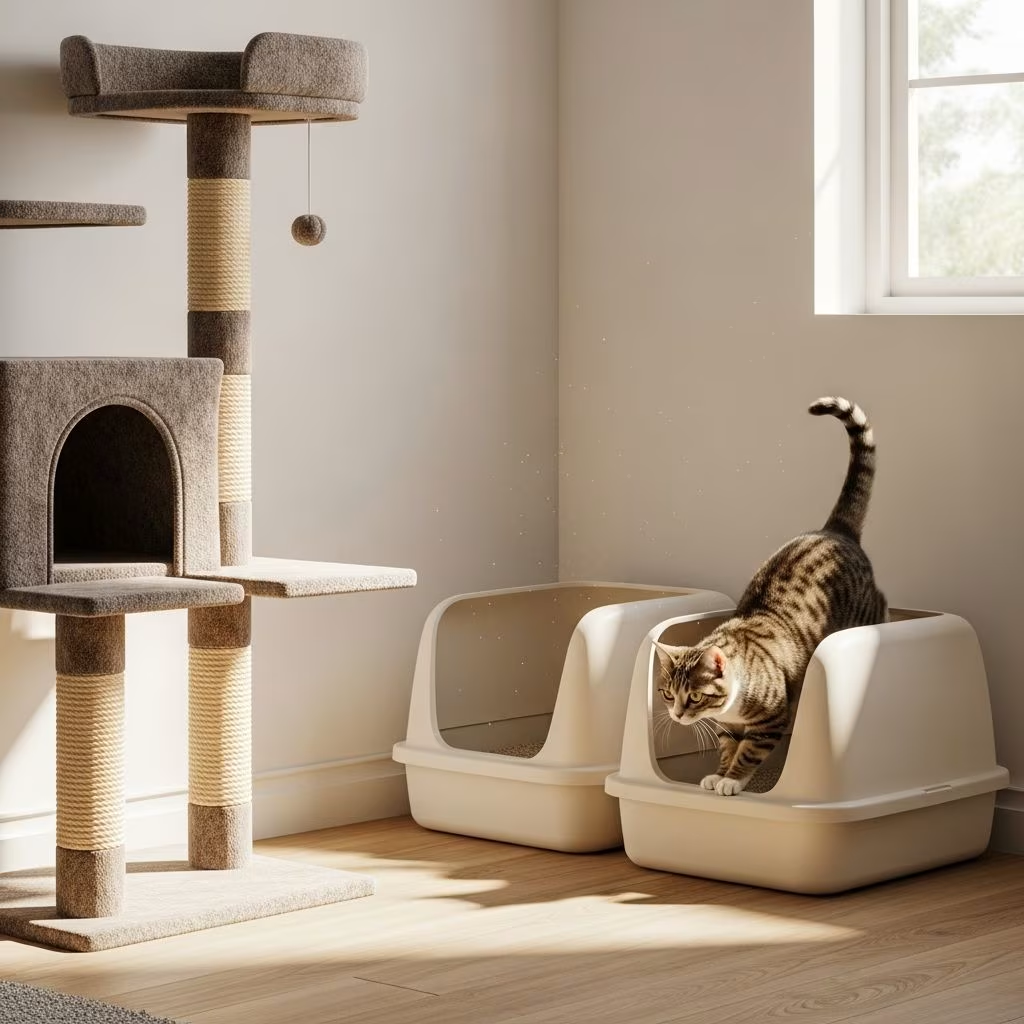
Determining the right number of litter boxes is essential for maintaining your cat’s health and happiness, especially in multi-cat households. The golden rule recommended by experts is to provide **one litter box per cat plus one extra** to minimize competition, reduce stress, and prevent inappropriate elimination behaviors.
Why the “One Plus One” Rule Matters
The “one litter box per cat plus one” guideline—such as two boxes for one cat, three for two cats—helps decrease urinary problems and resource competition. Certified animal behaviorists emphasize this ratio because cats are territorial by nature and prefer not to share facilities, much like humans avoid crowded restrooms. In multi-cat homes, insufficient boxes can lead to stress, bullying, or cats avoiding the litter box altogether, resulting in accidents on your floors or furniture.
This rule stems from understanding feline instincts: cats in the wild bury waste to avoid predators, and they seek private, accessible spots. Overcrowded boxes disrupt this, potentially causing urinary tract infections (UTIs) or idiopathic cystitis, conditions more common in stressed cats.
Ideal Litter Box Setup for Single Cats
For a single cat, **two litter boxes** are ideal. Place one in a quiet, low-traffic area and the other nearby but separate. This gives your cat options and backup if one box is soiled. Cats dislike dirty boxes intensely, often holding urine until it’s unbearable, which risks health issues.
- Accessibility: Ensure easy entry with low sides for kittens, seniors, or arthritic cats.
- Size: Boxes should be at least 1.5 times the cat’s length for comfortable turning and digging.
- Cleanliness: Scoop daily; full clean weekly.
Litter Box Recommendations for Multi-Cat Households
In homes with multiple cats, scale up strictly: three boxes for two cats, four for three, and so on. Distribute boxes across different locations to prevent dominant cats from guarding them. Ruby Leslie, a certified animal behaviorist, notes that wide, open boxes with unscented clumping litter mimic natural substrates best, avoiding scented varieties that deter use.
For three or more cats, consider:
- One box per floor or room to match territory sizes.
- Avoid covered boxes, as they trap odors and make cats feel trapped.
- Monitor usage; if one box is ignored, add another nearby.
| Number of Cats | Recommended Boxes | Placement Tips |
|---|---|---|
| 1 | 2 | Two separate quiet spots |
| 2 | 3 | One per main area + extra |
| 3 | 4 | Spread across floors/rooms |
| 4+ | n+1 | Monitor territories closely |
Choosing the Right Litter Box Size and Type
Cats prioritize boxes that feel safe and spacious. Oversized boxes allow digging and comfortable positioning, crucial for large breeds or long-haired cats. Avoid tiny boxes meant for kittens once they mature.
Open vs. Covered: Open boxes are preferred; lids trap smells and limit escape routes, heightening anxiety. For privacy-loving cats, high-sided open boxes contain messes without enclosing them.
Automatic Litter Boxes: While convenient, many cats fear the noise and motion. Test carefully, as surprises during vulnerable moments can cause avoidance.
- Best for most cats: Large, rectangular open pans (e.g., 22×18 inches).
- Alternatives: Top-entry for jumpers, low-entry for mobility-challenged cats.
Best Locations for Litter Boxes
Placement affects usage profoundly. Cats want quiet, private spots away from food, water, and high-traffic zones but accessible without navigating stairs if possible.
Prime spots:
- Low-traffic bathrooms or laundry rooms.
- Corner of a spare room, not against walls (cats prefer 360-degree views).
- Avoid balconies or drafts; stable temperatures preferred.
In multi-cat homes, space boxes to reflect territories—e.g., one near each cat’s favorite hangout. Never place near noisy appliances.
How Often to Clean Litter Boxes
Cats demand pristine boxes; scoop **daily** minimum, twice for multi-cat setups. Urine clumps should be removed promptly to prevent ammonia buildup, which irritates paws and noses.
Weekly deep cleans: Dump litter, wash with mild soap (no harsh chemicals), dry fully. Frequency adjusts by cat number and litter type—clumping holds longer than non-clumping.
- Signs it’s too dirty: Strong odor, wet clumps, paw prints outside.
- Pro Tip: Use litter mats to trap strays.
Types of Cat Litter and Cat Preferences
Unscented, clumping clay or sand litters best mimic wild substrates. Pellets, crystals, or strong scents often rejected.
Popular options:
| Litter Type | Pros | Cons | Best For |
|---|---|---|---|
| Clumping Clay | Easy scoop, odor control | Dusty, heavy | Most cats |
| Silica Crystals | Long-lasting, lightweight | Expensive, noisy | Low-maintenance owners |
| Wood Pine | Natural, biodegradable | Tracky, scent strong | Eco-conscious |
| Grass/World’s Best | Low dust, flushable | Costly | Sensitive cats |
Test small batches; transition gradually over a week.
Troubleshooting Common Litter Box Problems
Inappropriate elimination signals issues. Steps:
Sudden Accidents
Rule out medical causes (UTI, diabetes) with vet visit first. If healthy, add boxes, improve cleanliness, or relocate.
One Cat Avoiding Box
In multi-cat dynamics, the timid cat may be bullied. Provide escape routes and extra boxes in safe zones.
Litter Box Aversion
Switch litter type, ensure size/privacy. Enzymatic cleaners erase old scents attracting repeat offenses.
- Prevention: Kittens learn early; positive reinforcement helps.
Litter Boxes for Special Needs Cats
Kittens need shallow boxes; seniors low-entry ramps. Obese cats require extra-large. Pregnant or post-surgery cats benefit from multiple accessible options.
Self-Cleaning Litter Boxes: Pros and Cons
Tech options like Petkit Pura Max auto-scoop post-use, reducing daily chores. However, noise scares many cats; safety sensors prevent mishaps, but compatibility varies.
- Pros: Hygienic, time-saving.
- Cons: Pricey ($500+), electricity-dependent, cat fright risk.
Ideal for busy owners with accepting cats.
Frequently Asked Questions
Do I really need one more litter box than cats?
Yes, the extra box prevents competition and provides options, crucial for harmony.
Where should I not put litter boxes?
Avoid near food/water, loud areas, or enclosed tight spaces.
How do I introduce a new litter box?
Place beside old one with same litter; transition slowly.
Can covered boxes work?
Sometimes for shy cats, but most prefer open for odor escape.
What if my cat still won’t use it?
Vet check first, then adjust box count, litter, or location.
By following these guidelines, your cats will have stress-free bathroom habits, keeping your home clean and peaceful. Proper litter box management fosters health and bonding.
References
- 5 Best Cat Litter Boxes, Recommended by Experts — Kinship. 2023. https://www.kinship.com/cat-shopping/best-cat-litter-box
- Choosing The Right Litter Box for Your Cat — Ingrid King. 2022-10-15. https://ingridking.com/choosing-the-right-litter-box-for-your-cat/
- 7 Best Automatic Litter Boxes in 2026 — Cats.com. 2026-01-01. https://cats.com/reviews/best-self-cleaning-litter-box
- Best Self Cleaning Cat Litter Box — Kinship. 2024. https://www.kinship.com/cat-shopping/electric-cat-litter-box



