

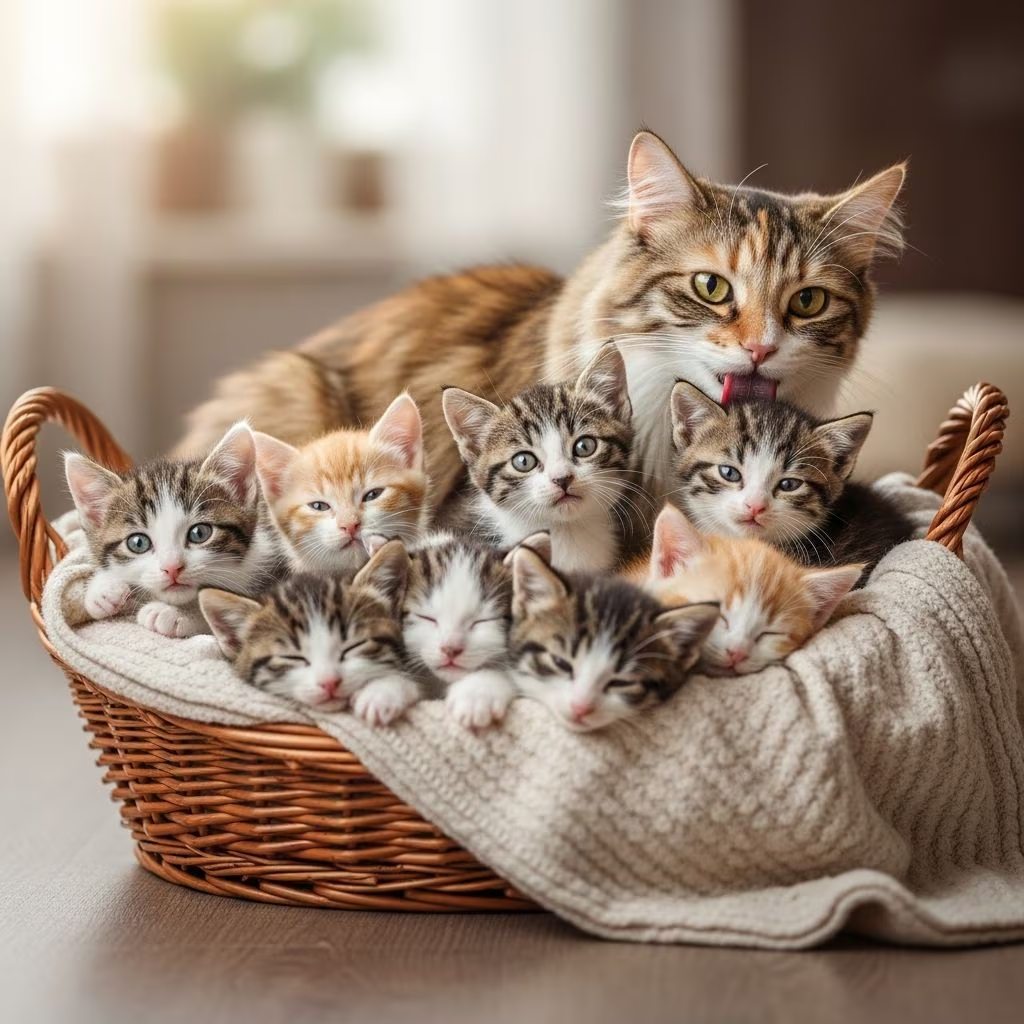
How Many Kittens Are in a Litter?
If you’re caring for a pregnant cat, you might be wondering how many kittens to expect when she gives birth. While it’s common for cats to have multiple kittens at once, litter size can vary significantly based on several factors. Understanding what influences litter size can help you prepare for your cat’s pregnancy and ensure she receives proper care during this important time.
Average Kitten Litter Size
On average, a pregnant cat—fittingly known as a queen—will have between four and six kittens in a single litter. However, the actual number of kittens can vary quite a bit. Some queens give birth to just one kitten, while others may have up to 12 or more kittens. The largest recorded litter in history was an incredible 19 kittens, born to a Burmese-Siamese mix in the United Kingdom in 1970. While smaller litters can be expected with a first pregnancy, this isn’t always the case, and each cat’s experience can be unique.
Research on feral cat populations provides additional insight into typical litter sizes. A scientific study of 2,332 female cats revealed an average of 1.4 litters per year, with litters averaging three kittens per litter. This data shows that while the average for domestic cats tends to be slightly higher, three to five kittens remains a common range for many cats.
Factors That Influence Litter Size
Several important factors can affect how many kittens your cat will have in her litter. Understanding these variables can give you a better idea of what to expect when your queen is expecting.
Genetics
If a queen comes from a line of cats that consistently have large or small litters, she’s more likely to follow suit. Genetics plays a significant role in determining litter size, so if you know your cat’s lineage, you may have a good indication of whether to expect a smaller or larger litter.
Age of the Mother
Your cat’s age significantly impacts litter size. Young cats, especially those under a year old, tend to have smaller litters of two or three kittens. Litter size typically increases as cats reach their prime reproductive years, usually between one and seven years old. However, older cats may see smaller litters again as their fertility declines with age.
First-Time Pregnancy
First-time feline mothers often have fewer kittens compared to experienced queens. If your cat is having her first litter, you should typically expect a smaller than average number of kittens. This is completely normal and not a cause for concern.
Health and Nutrition
A healthy, well-nourished cat is more likely to have a larger litter. Proper nutrition during pregnancy is essential for supporting multiple developing kittens. Conversely, cats with underlying health issues, such as feline leukemia (FeLV) or poor nutrition, may carry fewer kittens. Ensuring your pregnant cat receives appropriate nutrition and veterinary care is crucial for both her health and her kittens’ development.
Breed Characteristics
Some cat breeds are known for consistently having larger litters. Breeds including Siamese, Orientals, Burmese, Abyssinians, and Persians tend to produce more kittens per litter. If your cat belongs to one of these breeds, you might expect a larger than average litter.
Body Size
Larger cats often have more room to carry kittens, which can mean more little ones in a litter. A cat’s physical size and frame can influence how many kittens she can comfortably carry during pregnancy.
Health Problems
Certain health conditions can affect litter size and the overall health of the kittens. For example, Feline Immunodeficiency Virus (FIV) and Panleukopenia (FPV) can cause stillborns and reduce the number of healthy kittens at birth.
Breeding Frequency and Multiple Fathers
A litter of kittens can be born of more than one father. The number of times a cat mates can affect the size of the litter, as more mating opportunities increase the chances of becoming pregnant with a larger litter.
Detecting Pregnancy and Estimating Litter Size
If you suspect your cat is pregnant, a veterinarian can help confirm the pregnancy and provide an estimate of litter size. A veterinarian can usually confirm pregnancy around three weeks using an abdominal ultrasound, which may also provide a rough estimate of litter size, though an exact count at this stage can be challenging.
For a more accurate count, about two weeks before the due date, an abdominal X-ray can offer a better picture of the kittens. This timing allows your vet to give you a more reliable estimate of how many kittens to expect, helping you prepare appropriately for the birth.
Multiple Litters Per Year
While the average number of kittens in a litter will vary by litter, and you can’t expect your cat to have the same number of kittens in a litter every time they’re pregnant, cats can get pregnant multiple times per year. Female cats can become pregnant at just five months old and have two to three litters every year. The average cat has around 1-8 kittens per year, so a cat can give birth to up to 24 kittens or more every twelve months.
Kitten season, typically occurring between March and October in warmer climates, sees a significant increase in births. During this period, cats can have an average of 3-8 kittens per litter and can have between 2-5 litters per season. One unfixed female cat can have more than 100 kittens in her lifetime.
Why Is It Called a “Litter”?
A group of kittens born to the same mother is called a litter because it references the offspring born at one time. The term “litter” comes from the French word “litière,” which translates to “bed.” Since cats give birth to all their babies in one spot or bed at one time, they’re called a litter. The term “litter” is also used to describe the offspring of many different animals, including pigs and other species.
Preparing for Your Cat’s Delivery
Depending on the number of kittens, birth can be challenging for cats, so pet parents must prepare accordingly. Interestingly, the fewer kittens, the more difficult the births can sometimes be. Meanwhile, cats that deliver large litters without having enough milk will need their kittens supplemented with feedings by bottles or feeding tubes. Therefore, it’s always best to get as much information as possible from your vet to be prepared for when they’re ready to deliver.
Create a comfortable, quiet birthing area for your cat, ensure she has access to fresh water and food, and keep her veterinarian’s contact information readily available in case complications arise during labor.
Frequently Asked Questions (FAQs)
Q: What cat gave birth to the most kittens?
A: The largest known kitten litter was born to a Burmese-Siamese mix in the UK in 1970. She gave birth to 19 kittens, though four were stillborn. This extraordinary case remains the record for the largest recorded litter.
Q: Can you tell if a cat has given birth before?
A: In some cases, yes. A cat who’s given birth may have slightly enlarged or darkened nipples, and her abdomen might feel looser or stretched. However, without medical records or a vet exam, it’s hard to say for sure.
Q: How many litters can a cat have per year?
A: Female cats can become pregnant at just five months old and have two to three litters every year. The average cat has around 1-8 kittens per year, so a cat can give birth to up to 24 kittens or more every twelve months.
Q: What is the typical litter size range?
A: The average litter size for cats ranges from three to six kittens, with four to six being most common. However, some cats may have as few as one kitten or as many as twelve or more.
Q: Do first-time mothers have smaller litters?
A: Yes, first-time feline mothers often have fewer kittens compared to experienced queens. Smaller litters can be expected with a first pregnancy, though this isn’t always the case.
Q: How can I prepare for my cat’s pregnancy?
A: Schedule regular veterinary check-ups, ensure your cat receives proper nutrition, create a comfortable birthing area, and ask your vet for guidance on what to expect. Getting an ultrasound at three weeks and an X-ray closer to the due date can help you estimate litter size.
References
- How Many Kittens Can a Cat Have in One Litter? — Chewy. 2024. https://www.chewy.com/education/cat/health-and-wellness/how-many-kittens-can-a-cat-have-in-one-litter
- How Many Cats Are In A Litter Of Kittens? — Dutch. 2024. https://www.dutch.com/blogs/cats/how-many-is-litter-of-kittens
- Truths About Feral Cats — Feral Cat Project. https://www.feralcatproject.org/truths-about-feral-cats
- What is Kitten Season — Lynchburg Humane Society. https://lynchburghumane.org/did-you-know-kitten-season/
- How Many Kittens Are Usually in a First Litter? — Wag! 2021-10-15. https://wagwalking.com/wellness/how-many-kittens-is-normal-for-a-first-litter



