
How Many Kittens Can Cats Have? Complete Guide
Discover average litter sizes, factors affecting kitten numbers, and what to expect during cat pregnancy and birth.
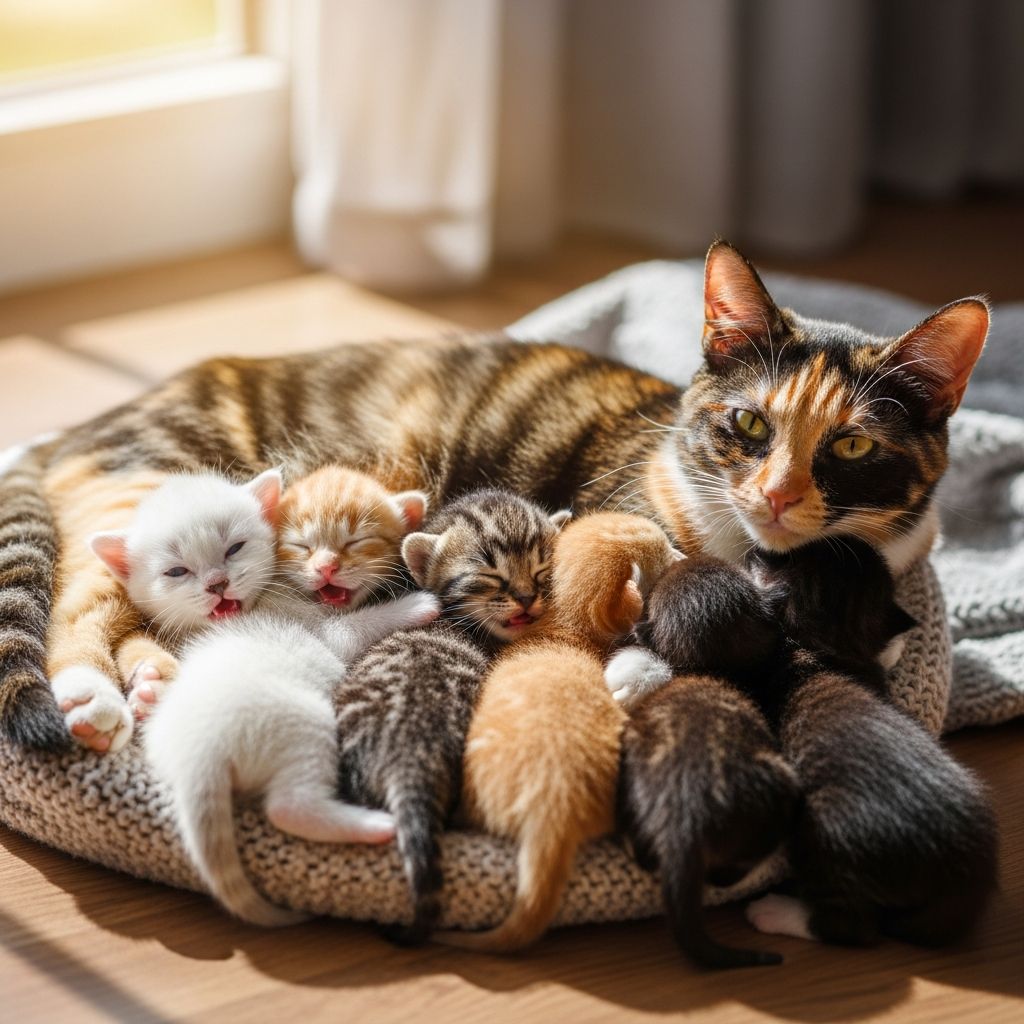
How Many Kittens Can Cats Have?
If you’re preparing for your cat to have kittens, you’re likely wondering just how many little furbabies to expect. Understanding litter size and the factors that influence it can help you prepare properly for your cat’s pregnancy and delivery. The good news is that most cat pregnancies result in manageable litter sizes, though there’s quite a bit of variation depending on several key factors.
Average Litter Size for Cats
Most cat litters contain between 4 and 6 kittens, which is considered the average range. However, first-time mothers and younger cats typically have smaller litters, often containing just 2 to 3 kittens. Older cats may also produce smaller litters as they age. On the other end of the spectrum, a Burmese and Siamese mix once gave birth to an extraordinary litter of 19 kittens—the largest recorded litter on record. While this is an exceptional case, it demonstrates that litter sizes can vary dramatically depending on the individual cat.
Factors That Affect Litter Size
Several important factors influence how many kittens your cat will have. Understanding these variables can help you better anticipate your cat’s litter size and prepare accordingly.
Age and Maturity
A cat’s age plays a significant role in determining litter size. First-time mothers and very young cats typically produce smaller litters of 2 to 3 kittens as their bodies are still developing. Similarly, older cats tend to have smaller litters as their reproductive capacity declines with age. Prime reproductive age cats—those in their mature years but not yet elderly—tend to produce the largest litters.
Breed Characteristics
Certain cat breeds are predisposed to having larger litters than others. Burmese cats, for example, are known for producing particularly large litters. Additionally, if a kitten was born as part of a large litter, that kitten is likely to produce large litters when they reach breeding age themselves, suggesting a genetic component to litter size.
Overall Health and Nutrition
A cat’s health status significantly impacts litter size and pregnancy success. Healthy, well-nourished cats tend to produce larger litters that are carried to full term. Conversely, malnourished cats or those in poor health may experience complications such as miscarriages or stillbirths, resulting in smaller or failed litters. Proper nutrition before and during pregnancy is crucial for maximizing litter size and ensuring healthy kitten development.
Size of the Mother Cat
Generally, larger cats have the physical capacity to carry and deliver more kittens than smaller cats. However, this is just one of many factors influencing final litter size, and individual variation still occurs regardless of the mother cat’s size.
Understanding Cat Reproduction and Heat Cycles
Before kittens arrive, it’s important to understand how cats become pregnant. Unneutered female cats go into heat on a regular cycle, and recognizing the signs of heat is essential for cat owners.
Signs Your Cat Is in Heat
When your cat is in heat, her behavior will change noticeably. She may become unusually vocal, restless, and affectionate. She’ll attempt to escape the house to find a male cat and may spray urine to mark territory and attract mates. These behavioral changes are unmistakable signs that your cat is ready to reproduce.
Multiple Paternity
An interesting aspect of cat reproduction is that during a single heat cycle, a female cat can mate with multiple tom cats. This means that kittens within the same litter may not all share the same father. This phenomenon, known as superfecundation, is common in cats and can result in littermates with noticeably different appearances and characteristics.
How Long Are Cats Pregnant?
Unlike humans, who carry pregnancies for over nine months, cats have a much shorter gestation period. The cat gestation period averages 63 to 65 days, or approximately 9 weeks. This relatively brief pregnancy is divided into three trimesters, with each trimester lasting approximately 20 days. The compact timeline means that from conception to birth, the process moves relatively quickly.
Determining Litter Size During Pregnancy
If you’re curious about exactly how many kittens your cat is carrying, there are several methods your veterinarian can use to provide estimates.
Ultrasound Examination
Ultrasound scans can typically be performed around 3 to 4 weeks into the pregnancy. During this procedure, your veterinarian may be able to give you an idea of how many kittens are present, though exact counts aren’t always possible due to the positioning of the fetuses and image quality limitations.
X-Ray Imaging
X-rays can be taken from around 6 weeks of pregnancy, once the kittens’ skeletons have sufficiently developed to be visible. X-rays are more accurate than ultrasound at showing the number of kittens present and can provide a more definitive count. However, X-rays may require sedation or anesthesia to ensure your cat remains still during imaging.
Preparing for Labor and Delivery
As your cat’s due date approaches, proper preparation is essential to ensure a safe and comfortable delivery.
Setting Up a Birthing Nest
Create a comfortable, safe birthing space for your cat several weeks before her expected delivery date. A simple cardboard box with an easy access point lined with old towels, newspaper, or soft pillowcases works perfectly. The nesting area should be warm, cozy, and private but still observable so you can monitor the birth process. Avoid using blankets with loose strings or fabrics that could pose intestinal obstruction risks. The location should be free from drafts and maintain a temperature suitable for newborn kittens.
Signs Your Cat Is Going Into Labor
As delivery approaches, watch for these telltale signs that labor is beginning:
- Spending more time in and around the birthing nest
- Pacing around restlessly
- Meowing, yowling, and whimpering
- Excessive licking of the vulva
- Loss of appetite
- Visible straining and contractions
Once you observe these signs, your cat will likely go into active labor within hours.
The Birth Process
Understanding what to expect during delivery helps you provide appropriate support and know when veterinary intervention is needed.
Timeline of Kitten Delivery
Once your cat begins active straining and contractions, the first kitten is typically born within 30 minutes. Subsequent kittens are delivered at intervals of 10 to 60 minutes apart. Most cats will deliver their entire litter within six hours. Allow your cat to proceed naturally through this process, and only intervene if you notice complications. If your cat has been straining for 20 to 30 minutes without producing a kitten, contact your veterinarian immediately.
Interrupted Labor
A phenomenon called interrupted labor is sufficiently common in cats to be considered normal. During this occurrence, your cat may stop straining, rest comfortably, nurse the kittens already born, and even eat something—all while still having more kittens to deliver. This resting stage may last 24 to 36 hours before straining resumes and the remaining kittens are born. Don’t panic if this happens; it’s a normal part of the feline birthing process.
Postpartum Care for Mother and Kittens
Once all kittens have been delivered, proper postpartum care ensures the health and well-being of both mother and babies.
Immediate Postpartum Steps
Ensure that all kittens are dry and that their noses and mouths are clear of any fluid or debris. If possible without disturbing the new family, clean away soiled linen from the nesting box to keep kittens dry and warm. The nesting box temperature should be maintained between 85 and 90 degrees Fahrenheit during the first week to prevent chilling.
Monitoring Nursing and Behavior
Healthy kittens require minimal assistance finding and nursing from their mother. However, monitor your cat to ensure she’s allowing normal nursing behaviors and accepting her kittens. If you notice your cat rejecting her kittens or showing signs of distress, contact your veterinarian immediately.
Maternal Diet After Birth
Continue feeding your cat the high-calorie diet used during pregnancy for the duration of nursing. Mother cats require frequent meals throughout the day to maintain energy and produce adequate milk for nursing kittens. Provide small, frequent meals rather than one or two large meals to accommodate her increased nutritional needs.
Caring for Newborn Kittens
The first weeks of a kitten’s life are critical for development and bonding with their mother.
Early Development Stages
Just like human babies, kittens pass through several distinct developmental stages. During the first weeks, kittens are entirely dependent on their mother for nutrition and care. They require a warm environment and regular nursing to thrive. Keep the nesting area quiet and limit disturbances to allow mother and kittens to bond undisturbed.
Introduction to Solid Food
Kittens are typically ready for solid food when they have developed baby teeth, show interest in their mother’s food, and display curiosity and playfulness. The transition from nursing to solid food happens gradually over several weeks, with kittens continuing to nurse while supplementing with kitten food.
Socialization Period
The ideal socialization window for kittens occurs between 2 and 7 weeks of age. During this critical period, positive experiences with humans and other animals help kittens develop into well-adjusted, friendly adult cats. Gentle handling and exposure to various environments during this window contribute significantly to a kitten’s future temperament and behavior.
Transitioning from Kitten to Adult Food
When your kitten reaches one year of age, it’s time to transition to adult cat food. Kitten food is formulated with increased calories and nutrients to support growth and development. Once a cat stops growing, these extra nutrients are no longer necessary, and continued kitten food consumption can lead to obesity. Gradually mix adult and kitten food together, slowly decreasing the proportion of kitten food over several weeks until your cat is eating only adult formula.
Frequently Asked Questions
Q: What is the average number of kittens in a cat litter?
A: The average litter size is 4 to 6 kittens. However, first-time mothers and young cats typically have smaller litters of 2 to 3 kittens, while older cats may also have smaller litters.
Q: Can cats have more than 10 kittens in one litter?
A: While extremely rare, it is possible. The largest recorded litter contained 19 kittens from a Burmese and Siamese mix, though this is exceptional. Most cats will never experience litters this large.
Q: How long is a cat pregnant?
A: The cat gestation period is approximately 63 to 65 days, or about 9 weeks. This is divided into three trimesters of roughly 20 days each.
Q: How can I know how many kittens my cat is carrying?
A: Your veterinarian can perform ultrasound around 3 to 4 weeks into pregnancy or X-rays around 6 weeks to estimate or count the number of kittens. X-rays are more accurate but may require sedation.
Q: How long does cat labor usually last?
A: Most cats deliver their entire litter within six hours. Kittens are typically born 10 to 60 minutes apart, with the first kitten arriving within 30 minutes of active straining.
Q: What should I do if my cat hasn’t delivered a kitten after 30 minutes of straining?
A: Contact your veterinarian immediately if your cat has been straining for 20 to 30 minutes without delivering a kitten, as this may indicate a complication requiring professional assistance.
Q: Is interrupted labor normal in cats?
A: Yes, interrupted labor is sufficiently common in cats to be considered normal. Your cat may rest for 24 to 36 hours between delivering some kittens before resuming labor to deliver the remainder.
Q: What temperature should the kitten nesting box maintain?
A: The nesting box should be kept between 85 and 90 degrees Fahrenheit during the first week after birth to prevent kittens from getting cold.
References
- Cat Pregnancy: Signs, Stages and Care — PetMD. 2024. https://www.petmd.com/cat/conditions/reproductive/cat-pregnancy-and-kittens-complete-guide
- Pregnancy and Parturition in Cats — VCA Animal Hospitals. 2024. https://vcahospitals.com/know-your-pet/pregnancy-and-parturition-in-cats
- How Many Kittens Are in a Litter? Vet Reviewed Litter Size & Stages — Hepper. 2024. https://articles.hepper.com/how-many-kittens-are-in-a-litter/
- How Long is a Cat Pregnant? — PrettyLitter. 2024. https://www.prettylitter.com/blog/how-long-is-a-cat-pregnant
- Preparing for Your Kitten’s Developmental Milestone — All Creatures Veterinary Care. 2024. https://www.allcreaturespomona.com/veterinary-articles/preparing-for-your-kitten-s-developmental-milestone
Similar Articles








Read full bio of Sneha Tete




