
How Many Kittens Can Cats Have: Litter Size Guide
Complete guide to understanding cat litter sizes, factors affecting kitten numbers, and pregnancy care.
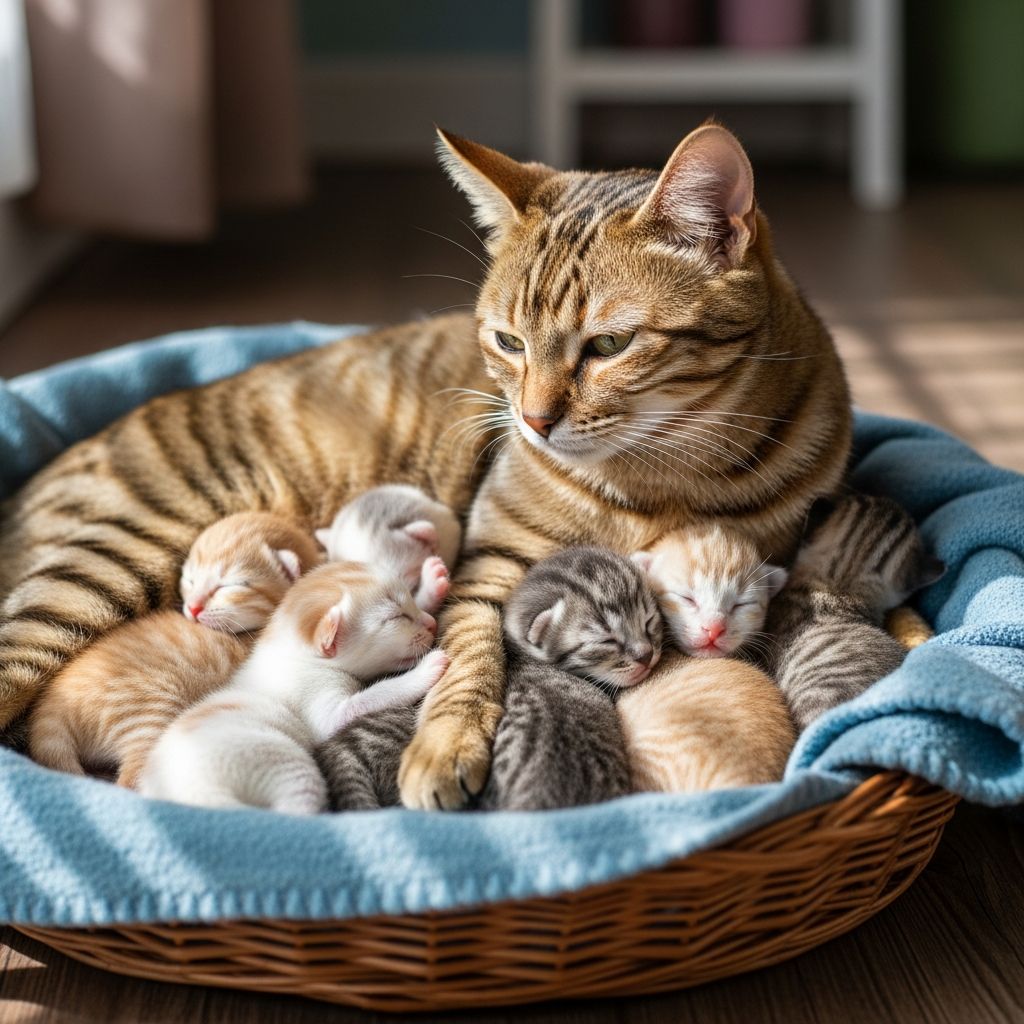
How Many Kittens Can Cats Have?
If you’re a cat owner expecting a litter of kittens, you’re probably wondering how many little bundles of joy to anticipate. Understanding typical litter sizes and the factors that influence them can help you prepare properly for your cat’s pregnancy and birth.
Average Litter Size for Cats
The typical litter size for cats ranges from four to six kittens per pregnancy. However, this is just an average, and the actual number can vary significantly. Some cats may give birth to as few as one kitten, while others might have as many as twelve. First-time mothers tend to have smaller litters, usually containing two to three kittens. This smaller initial litter is completely normal and doesn’t indicate any health problems.
The largest litter of kittens ever recorded was an extraordinary nineteen kittens, born to a Burmese-Siamese mix in the United Kingdom in 1970, although four of those kittens were stillborn. While this represents the extreme end of the spectrum, it demonstrates that cat litters can occasionally exceed typical expectations.
Factors That Influence Litter Size
Several important factors can affect how many kittens your cat will have in her litter. Understanding these variables can help you better predict and prepare for your cat’s pregnancy.
Age and Experience
A cat’s age plays a significant role in determining litter size. Young cats, particularly those under one year old, typically have smaller litters of two to three kittens. As cats mature and gain reproductive experience, their litter sizes generally increase. However, as cats enter their senior years and fertility naturally declines, litter sizes may become smaller again.
First-time mothers consistently produce fewer kittens than experienced queens. While initial litters average two to three kittens, subsequent pregnancies often result in larger litters as the cat’s body becomes more efficient at supporting multiple pregnancies.
Breed Characteristics
Certain cat breeds are genetically predisposed to have larger litters. Siamese, Oriental, Burmese, Abyssinian, and Persian cats typically produce larger litters compared to other breeds. If your cat comes from a line of cats known for large litters, she’s more likely to follow that genetic pattern. This hereditary influence on litter size is remarkably consistent across generations.
Overall Health and Nutrition
A cat’s health status significantly impacts litter size and kitten viability. Healthy, well-nourished cats are more likely to carry and deliver larger litters successfully. Cats with underlying health conditions, including feline leukemia virus (FeLV), may carry fewer kittens. Additionally, malnourished or cats in poor health may experience increased miscarriages or stillbirths, resulting in fewer living kittens at birth.
Proper nutrition before and during pregnancy is essential for maximizing litter size and ensuring the health of both the mother and her kittens. Consult with your veterinarian about appropriate pregnancy nutrition for your cat.
Body Size and Physical Build
Larger cats typically have more physical space to accommodate more kittens during pregnancy. This means that bigger feline mothers may naturally carry and deliver more kittens than smaller breeds or individual cats. However, body size is just one of many factors and should not be the sole predictor of litter size.
Genetics and Family History
If a queen comes from a family line with consistently large or small litters, she’s likely to follow that pattern. Genetics play a powerful role in reproductive outcomes, and inherited traits related to fertility and litter size are passed down through generations of cats.
How Many Litters Can Cats Have Per Year?
Cats have relatively short gestation periods compared to many other mammals. The feline gestation cycle is approximately two months, or 63-65 days. This means that a cat can potentially have multiple litters within a single year. In theory, a cat could have up to four litters annually.
However, veterinarians recommend limiting cats to no more than two litters per year to allow adequate recovery time and to protect the mother’s long-term health. Frequent pregnancies can deplete a cat’s body of essential nutrients and increase the risk of health complications. For this reason, spaying is recommended for cats not intended for breeding purposes.
Litter Size by Cat Age
Understanding how age affects litter size can help you anticipate what to expect from your specific cat:
| Cat Age | Typical Litter Size | Notes |
|---|---|---|
| Under 1 year old | 2-3 kittens | Young cats have smaller litters; first-time mothers are particularly likely to have few kittens |
| 1-3 years old | 3-4 kittens | Litter size begins to increase as cats reach reproductive maturity |
| 4-8 years old | 4-6 kittens | Peak reproductive years; largest average litters occur during this period |
| Senior cats (8+ years) | 2-4 kittens | Fertility declines with age; smaller litters become more common |
How Many Kittens Can a One-Year-Old Cat Have?
A cat that is one year old can typically have an average litter of three to four kittens. At this age, the young cat’s reproductive system is developed, but she hasn’t yet reached her peak fertility years. If your one-year-old cat becomes pregnant, veterinarians generally recommend spaying her after this litter to prevent multiple subsequent pregnancies that could compromise her health.
Detecting and Confirming Pregnancy
If you suspect your cat might be pregnant, a veterinarian can confirm this and provide valuable information about your expected litter:
Week 3: A veterinarian can usually confirm pregnancy using an abdominal ultrasound around three weeks after conception. This ultrasound may provide a rough estimate of litter size, though an exact count at this early stage can be challenging.
Two Weeks Before Due Date: An abdominal X-ray approximately two weeks before the expected delivery date can offer a more accurate count of the kittens. This imaging technique allows the vet to visualize the individual kitten skeletons, providing a clearer picture of litter size.
Factors That Affect Pregnancy Duration
While the average feline gestation period is about 63-65 days, certain factors can cause variations:
Litter Size: Cats carrying larger litters may go into labor slightly earlier, while those carrying smaller litters might be pregnant a few days longer.
Stress Levels: Environmental stress can potentially affect pregnancy duration and outcomes.
Maternal Age: First-time mothers and older cats may experience slightly different gestation lengths compared to cats in their prime reproductive years.
Preparing for Your Cat’s Litter
Once you know your cat is pregnant, preparation is key to ensuring a safe and comfortable delivery experience.
Create a Comfortable Birthing Area
Designate a quiet, dark, and warm space for your cat to give birth. This area should include:
– A soft bed or nesting box lined with clean towels or washable pads
– Privacy from household activity and other pets
– Easy access to food and water for the mother
– A separate litter box nearby (but not within the nesting area)
– A consistent temperature, ideally around 75-85 degrees Fahrenheit
Gather Essential Supplies
Before your cat’s due date, assemble the following supplies:
– Clean towels and washable bed pads
– Gloves for handling kittens
– A heating pad or heat lamp to keep newborns warm
– Antiseptic solution for umbilical cords
– A scale to weigh newborn kittens
– Contact information for your veterinarian, including emergency services
The Birth Process
During active labor, expect a kitten to be born approximately every 10-60 minutes. This means that a full litter of four to six kittens may take several hours to deliver. This timeline is completely normal, and patience is essential.
When to Contact Your Veterinarian: If your cat strains actively for more than an hour without delivering a kitten, contact your veterinarian immediately, as this may indicate complications.
Caring for Newborn Kittens
Once the kittens arrive, proper care ensures their health and development:
– Allow the mother to clean and bond with her kittens
– Maintain a warm environment for vulnerable newborns
– Ensure kittens have access to nursing within the first few hours
– Keep the birthing area clean by regularly changing soiled pads and towels
– Monitor the mother for signs of complications such as excessive bleeding or fever
– Schedule a postpartum veterinary checkup within 24-48 hours
Multiple Fathers in One Litter
One fascinating aspect of cat reproduction is that kittens within a single litter can have different fathers. This phenomenon, known as superfecundation, occurs because female cats can release multiple eggs during a heat cycle, and different eggs can be fertilized by different males if the cat mates with multiple males during her heat period.
Frequently Asked Questions
Q: What is a litter of kittens called?
A: A litter of kittens is also called a “kindle.” The term “litter” comes from the fact that cats traditionally give birth to multiple kittens at once in one designated bed or area.
Q: Why is it called a cat litter?
A: The term “cat litter” refers to the group of kittens born at one time because cats give birth to their kittens simultaneously in one bed or nesting area, hence the collective name for the group.
Q: Can a litter of kittens have more than one father?
A: Yes, kittens in a single litter can indeed have different fathers. This occurs when a female cat in heat mates with multiple males during her reproductive cycle, resulting in superfecundation.
Q: Can you tell if a cat has given birth before?
A: In some cases, yes. A cat who has previously given birth may have slightly enlarged or darkened nipples, and her abdomen might feel looser or stretched. However, without medical records or a veterinary examination, it’s difficult to say with certainty.
Q: Do cats know how many kittens they have?
A: Cats appear to have a natural awareness of their litter and can usually tell if one is missing. Many queens will search for missing kittens or become distressed if one is separated from the group, suggesting they maintain an awareness of their litter size.
Q: What cat gave birth to the most kittens?
A: The largest known kitten litter was born to a Burmese-Siamese mix in the United Kingdom in 1970. She gave birth to 19 kittens, though four were stillborn, making 15 surviving kittens.
Q: How long are cats pregnant?
A: The feline gestation period averages 63-65 days, or approximately two months. This relatively short pregnancy period allows cats to have multiple litters within a single year.
Q: When should I take my pregnant cat to the veterinarian?
A: Schedule a veterinary appointment as soon as you suspect pregnancy. Your vet can confirm pregnancy via ultrasound around three weeks and provide guidance on nutrition, care, and what to expect during delivery.
References
- How Many Kittens Are in a Litter? Vet Reviewed Litter Size & Stages — Hepper. 2024. https://articles.hepper.com/how-many-kittens-are-in-a-litter/
- How Many Kittens Can a Cat Have? — Basepaws. 2024. https://basepaws.com/cat-insider/how-many-kittens-can-a-cat-have
- How Many Kittens Can a Cat Have in One Litter? — Chewy. 2024. https://www.chewy.com/education/cat/health-and-wellness/how-many-kittens-can-a-cat-have-in-one-litter
- How Long is a Cat Pregnant? — PrettyLitter. 2024. https://www.prettylitter.com/blog/how-long-is-a-cat-pregnant
- Cat Pregnancy: Signs, Stages and Care – Complete Guide — PetMD. 2024. https://www.petmd.com/cat/conditions/reproductive/cat-pregnancy-and-kittens-complete-guide
Similar Articles








Read full bio of medha deb




