

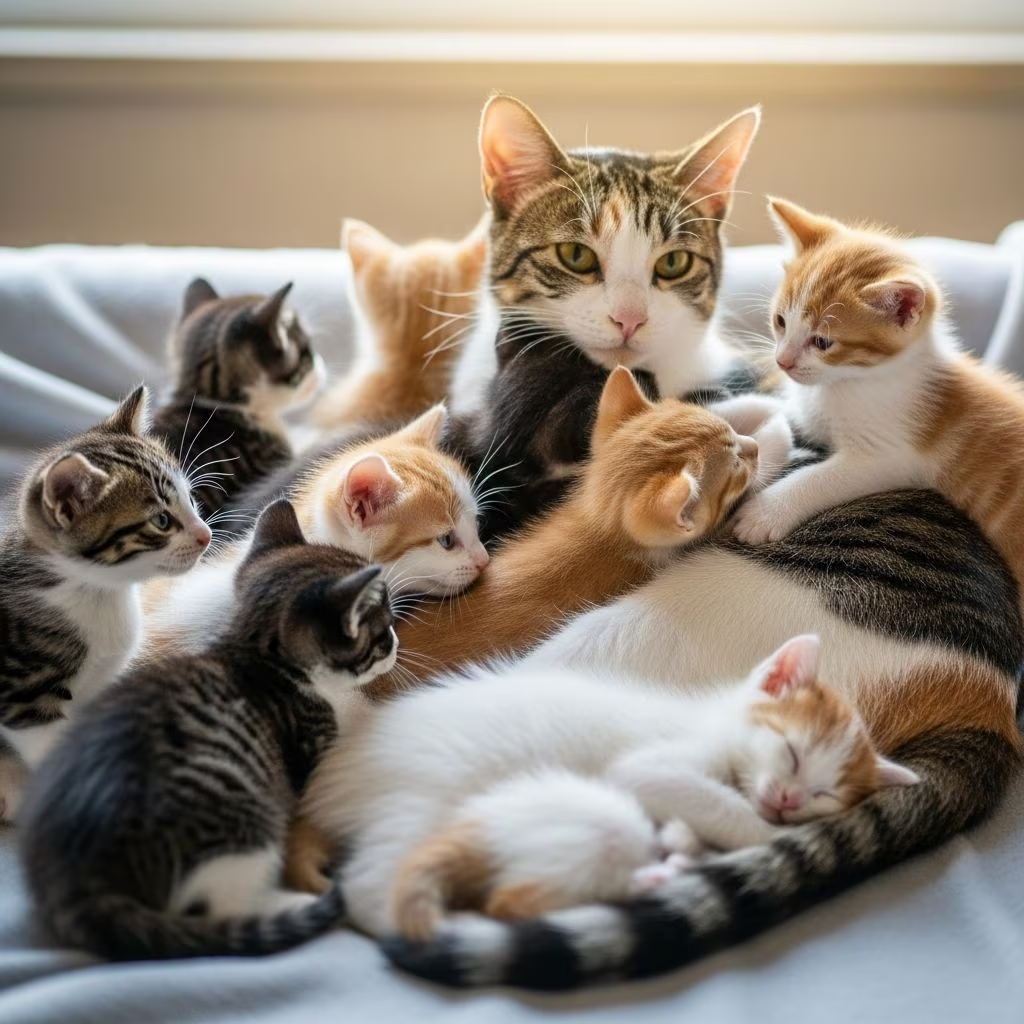
How Many Kittens Can a Cat Have in One Litter?
If you’ve recently rescued a pregnant cat or discovered your feline companion is expecting, you’re likely wondering how many kittens to prepare for. Understanding typical litter sizes and what influences the number of kittens can help you better prepare for birth and ensure proper care for both mother and babies.
How Long Are Cats Pregnant?
Before discussing litter size, it’s important to understand the feline pregnancy timeline. Cat pregnancy typically lasts approximately 63 to 65 days, or roughly nine weeks. During this time, the developing kittens grow rapidly inside the mother cat, also known as a queen. Understanding this timeframe helps you prepare for the upcoming birth and schedule appropriate veterinary checkups.
How Many Kittens Are in a Litter?
On average, a pregnant cat will have four to six kittens in a single litter. However, litter size can vary considerably. Some queens give birth to just one kitten, while others may have up to 12 or more. The number of kittens a cat produces depends on multiple biological and environmental factors.
The largest recorded kitten litter consisted of an incredible 19 kittens, born to a Burmese-Siamese mix in the United Kingdom in 1970. While this is exceptionally rare and far above average, it demonstrates the remarkable reproductive capacity of felines.
Getting an Accurate Count During Pregnancy
A veterinarian can usually confirm pregnancy around three weeks using an abdominal ultrasound, which may also provide a rough estimate of litter size. However, getting an exact count at this early stage can be challenging since kittens continue to develop and their positions may be difficult to determine precisely.
For more accurate counting, about two weeks before the due date, an abdominal X-ray can provide a much clearer picture of how many kittens to expect. X-rays allow veterinarians to see skeletal structures more clearly, making it easier to count individual kittens.
What Influences How Many Kittens a Cat Has?
Several factors play significant roles in determining litter size. Understanding these influences can help you anticipate what to expect from your pregnant cat.
Genetics and Hereditary Patterns
If a queen comes from a line of cats that consistently have large or small litters, she’s more likely to follow the same pattern. Genetics significantly influence reproductive capacity, making family history a reliable predictor of future litter sizes.
Age of the Mother Cat
Age plays a crucial role in determining litter size. Young cats, especially those under one year old, tend to have smaller litters of only two or three kittens. Litter size typically increases as cats mature into adulthood. However, as cats reach senior years and fertility declines, litter sizes may decrease again. First-time feline mothers often have fewer kittens than experienced queens.
Health and Nutrition
A healthy, well-nourished cat is more likely to have a larger litter. Proper nutrition provides the necessary resources for developing multiple kittens. Conversely, cats with underlying health issues, such as feline leukemia (FeLV) or poor nutrition, may carry fewer kittens or experience complications during pregnancy. Ensuring your pregnant cat receives high-quality nutrition is essential for optimal litter size and kitten health.
Breed Characteristics
Some cat breeds are naturally predisposed to having larger litters. Breeds known for larger litters include Siamese, Orientals, Burmese, Abyssinians, and Persians. If your cat belongs to one of these breeds, you might expect a more substantial litter than average.
Body Size and Physical Capacity
Larger cats often have more physical space to carry kittens, which typically results in more offspring. A cat’s body size directly correlates with her reproductive capacity, as larger frames can accommodate more developing fetuses.
Breeding Frequency and Multiple Sires
Interestingly, a single litter of kittens can have multiple fathers. The number of times a cat mates can affect litter size, as more mating opportunities increase the chances of conception and potentially contribute to larger litters with diverse paternity.
Do Pregnant Cats Need Special Care?
Caring for a pregnant cat requires attention to several important aspects to ensure a healthy pregnancy and successful delivery.
Nutrition During Pregnancy
Pregnant cats require increased calories and nutrients to support both their own bodies and the developing kittens. Feed your queen high-quality cat food formulated for pregnant or nursing cats. Consult with your veterinarian about appropriate portion sizes and any necessary supplements.
Veterinary Monitoring
Regular veterinary checkups throughout pregnancy are essential. Your vet can monitor the queen’s health, confirm the pregnancy timeline, estimate litter size, and identify any potential complications early. Schedule ultrasounds around three weeks of pregnancy and X-rays approximately two weeks before the expected due date.
Creating a Safe Nesting Environment
Prepare a quiet, comfortable space where your pregnant cat can give birth and nurse her kittens. A nesting box in a low-traffic area of your home provides security and comfort. Line it with clean, soft blankets that can be easily washed.
Stress Reduction
Minimize stress for your pregnant cat by maintaining a calm household environment. Avoid loud noises, sudden changes, or excessive handling. Allow her to rest as much as needed during the latter stages of pregnancy.
Exercise and Movement
While pregnant cats need rest, light activity is beneficial. Allow your queen to move around naturally, but avoid encouraging strenuous exercise or jumping. She’ll naturally adjust her activity level as pregnancy progresses.
Factors Affecting Birth Difficulty
Interestingly, the relationship between litter size and birth difficulty isn’t always intuitive. Fewer kittens can sometimes lead to more difficult births because individual kittens may be larger and require more effort to deliver. Conversely, cats delivering large litters may face challenges if they don’t produce enough milk to feed all their offspring, requiring supplemental bottle or tube feedings.
Understanding these dynamics helps you prepare appropriately and work closely with your veterinarian to ensure the safest possible delivery for your cat.
Frequently Asked Questions About Kitten Litters
Q: What cat gave birth to the most kittens?
A: The largest known kitten litter was born to a Burmese-Siamese mix in the UK in 1970. She gave birth to 19 kittens, though unfortunately four were stillborn. This record demonstrates the remarkable reproductive capacity of cats, though such large litters are exceptionally rare.
Q: Can you tell if a cat has given birth before?
A: In some cases, yes. A cat who’s given birth may have slightly enlarged or darkened nipples, and her abdomen might feel looser or stretched. However, without medical records or a veterinary examination, it’s difficult to determine with certainty whether a cat has previously given birth.
Q: Do cats know how many kittens they have?
A: Cats seem to have a natural awareness of their litter and can usually tell if one is missing. While we don’t know exactly what they’re thinking, many queens will search for missing kittens or become distressed if one is separated from the group. This maternal instinct helps ensure all kittens remain together and safe.
Q: How many litters can a cat have per year?
A: Female cats can become pregnant at just five months old and can have two to three litters every year. With multiple litters annually and average litter sizes of 3-8 kittens, cats are remarkably prolific reproducers. One unfixed female cat can have more than 100 kittens in her lifetime.
Q: Why is it called a cat litter?
A: A group of kittens born to the same mother is called a litter because it references the offspring born together. The term comes from the French word “litière,” which means “bed.” Since cats give birth to all their babies in one spot or bed at one time, they’re collectively called a litter. This term is also used for the offspring of many other animals, including pigs.
Q: What is the average number of kittens per litter?
A: The average number of kittens in a litter is four to six, though some sources report three to five as the typical range. However, this can vary significantly based on factors such as breed, age, health, and genetics. First-time mothers and very young or older cats often have smaller litters than experienced adult cats in their prime years.
Q: How can I determine how many kittens my pregnant cat will have?
A: The most accurate way to determine litter size is through veterinary examination. Ultrasounds around three weeks of pregnancy provide initial estimates, while X-rays taken two weeks before the due date offer the most precise count. Your veterinarian can use these diagnostic tools to give you a reliable prediction of what to expect.
Preparing for Your Cat’s Arrival
Once you understand how many kittens to expect and have confirmed the pregnancy with your veterinarian, you can begin proper preparations. Stock up on kitten supplies, including high-quality kitten food, cleaning supplies, and medical resources. Educate yourself about the birthing process and know when to contact your vet in case of emergencies.
Whether your cat has a small litter of two or a larger litter of eight or more, each kitten will require proper care, nutrition, and socialization. By understanding the factors that influence litter size and preparing appropriately, you’ll be well-equipped to support your pregnant cat through pregnancy and help ensure healthy development for all her kittens.
References
- How Many Kittens Can a Cat Have in One Litter? — Chewy. 2024. https://www.chewy.com/education/cat/health-and-wellness/how-many-kittens-can-a-cat-have-in-one-litter
- How Many Cats Are In A Litter Of Kittens? — Dutch. 2024. https://www.dutch.com/blogs/cats/how-many-is-litter-of-kittens
- Truths About Feral Cats — Feral Cat Project. https://www.feralcatproject.org/truths-about-feral-cats
- Did You Know? What is Kitten Season — Lynchburg Humane Society. https://lynchburghumane.org/did-you-know-kitten-season/
- How Many Kittens Are Usually in a First Litter? — Wag Walking. 2024. https://wagwalking.com/wellness/how-many-kittens-is-normal-for-a-first-litter



