

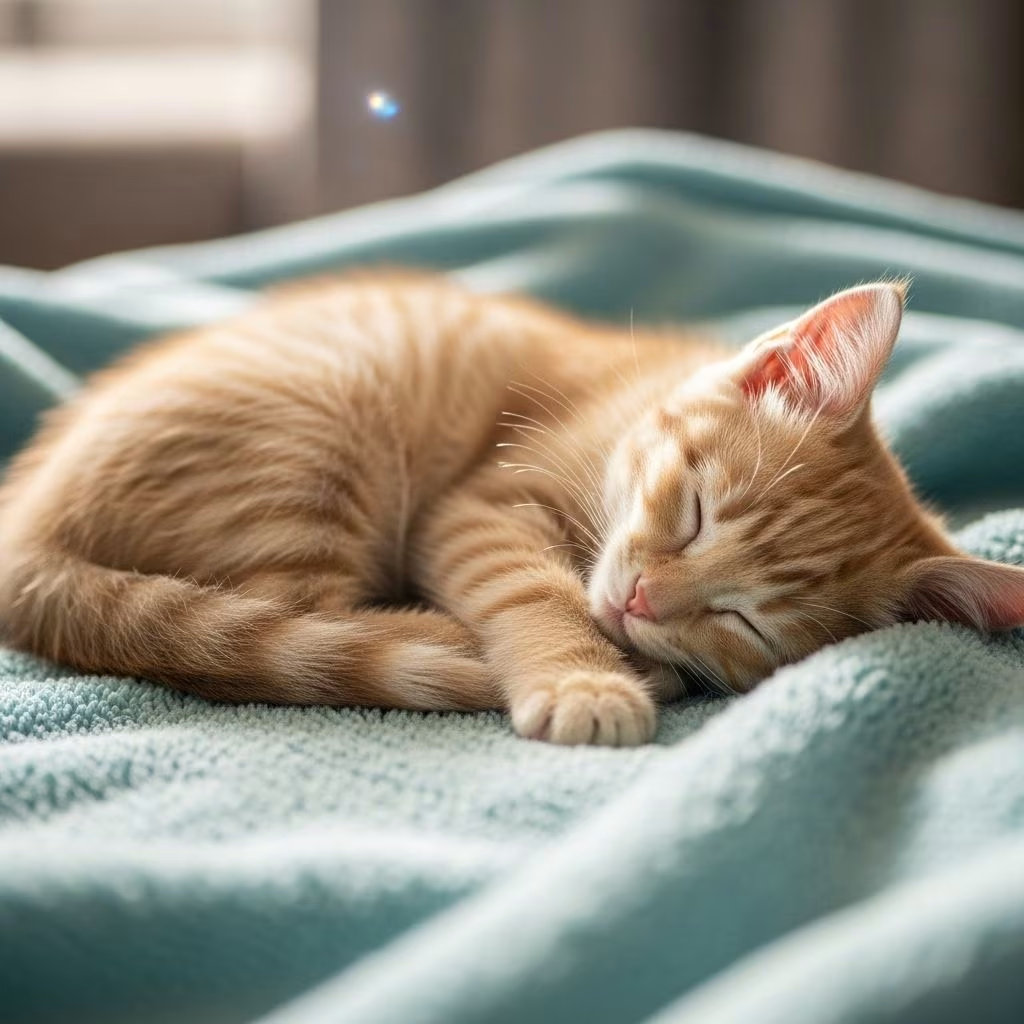
Kittens sleep between 18 and 22 hours per day, depending on their age, far more than adult cats who average 16 to 18 hours. This extensive sleep supports rapid growth, brain development, immune function, and energy restoration for their playful bursts of activity.
Newborn kittens may sleep up to 22 hours daily, gradually reducing to around 18 hours by 2-3 months. Their polyphasic sleep pattern involves short naps of 50-113 minutes, mixing REM and deep sleep stages. Understanding these patterns helps owners provide the right environment for healthy development.
Why Do Kittens Sleep So Much?
Sleep is crucial for kittens’ physical and neurological growth during their early weeks and months. Unlike adult cats, kittens undergo explosive development, requiring immense energy that sleep replenishes. During REM sleep, which dominates newborn rest, their brains process sensory experiences and form neural connections.
Kittens’ high metabolism demands constant repair and growth hormone release, peaking in deep sleep phases. This rest bolsters their developing immune system, helping fight off infections common in young felines. Insufficient sleep can lead to stunted growth, weakened immunity, or behavioral issues like excessive hyperactivity or lethargy.
Additionally, kittens are crepuscular like adult cats, naturally active at dawn and dusk for ancestral hunting instincts. This leads to fragmented sleep throughout the day and night, aligning with short prey pursuits followed by recovery naps.
How Much Do Kittens Sleep by Age?
Kitten sleep needs vary significantly by developmental stage. Here’s a breakdown:
- Newborn (0-2 weeks): Up to 22 hours daily, mostly REM sleep with twitching. They cuddle with littermates for warmth, waking only to nurse every 2-3 hours.
- 2-4 weeks: 19-20 hours, introducing deeper sleep. Eyes open, exploration begins, but rest remains primary.
- 1-2 months: 18-19 hours, sleeping alone in secure spots. More play between naps, with cycles of 5 minutes REM + 20-25 minutes deep sleep.
- 3 months+: 16-20 hours, approaching adult patterns. Increased independence and energy.
| Age | Average Sleep Hours | Sleep Characteristics |
|---|---|---|
| 0-2 weeks | 20-22 | 90% REM, cluster feeding wakes |
| 2-4 weeks | 19-20 | Deeper sleep emerges, more awake time |
| 1-3 months | 18-19 | Polyphasic naps, playful intervals |
| Adult (reference) | 16-18 | Crepuscular activity peaks |
These figures are averages; individual kittens vary based on health, environment, and activity levels.
Kitten Sleep Cycles Explained
Cats exhibit polyphasic sleep, napping multiple times daily rather than one long block. Average nap: 78 minutes, ranging 50-113 minutes. Cycles include light sleep for quick arousal, REM for dreaming (twitching paws, whiskers), and deep restorative sleep.
Newborns favor REM (rapid eye movement) for brain growth, showing facial twitches—normal and healthy. Older kittens balance with more non-REM deep sleep for tissue repair. Circadian rhythms kick in early, with crepuscular peaks: active pre-dawn and dusk, napping midday and deep night.
This pattern evolved for survival: short hunts, quick rests. Disruptions like new homes can alter cycles temporarily, but routines help stabilize.
Where Should Kittens Sleep?
Choose safe, warm, quiet spots mimicking maternal nests. For newborns: near mother or in a box with soft blankets, heating pad on low (avoid direct contact). Older kittens prefer elevated, sunny beds or cat trees for security and warmth.
- Bedding: Soft, washable fabrics; avoid loose threads.
- Location: Low-traffic area, away from drafts/noises; near litter box/food for convenience.
- Temperature: 85-90°F for neonates, room temp for weaned.
- Solo vs. Group: Littermates together until 8 weeks; solos fine after.
Avoid human beds initially to prevent accidents and encourage independence. Provide multiple options for choice.
How to Get Your Kitten to Sleep Through the Night
Kittens rarely sleep 8 straight hours due to crepuscular nature and tiny bladders. Tire them with evening play sessions 1-2 hours before bed, using toys like wand teasers. Feed a small meal post-play to induce drowsiness.
Establish routine: dim lights, quiet time post-9 PM. Use pheromone diffusers for calming. Ignore night cries after ensuring needs met—attention reinforces wakefulness. By 3-4 months, longer sleeps emerge.
Common pitfalls: Overstimulation before bed, irregular feeding. Patience yields better habits.
Signs Your Kitten Is Sleeping Too Much (or Too Little)
Normal: 18-22 hours with play/eating. Too much: Lethargy, no interest in food/play, isolation—may signal illness (worms, infections). Consult vet if unresponsive.
Too little: Hyperactivity, aggression, poor growth—stress, pain, or parasites. Monitor weight, appetite, stool. Track sleep over 24 hours; deviations warrant check-up.
Healthy kittens balance sleep with zoomies. Baseline: active dusk/dawn, naps elsewhere.
Final Thoughts on Kitten Sleep
Kittens’ prodigious sleep fuels their transformation from helpless neonates to agile juveniles. Respect their 20-hour needs, provide optimal setups, and engage daytime play for balanced development. As they mature, sleep stabilizes near adult levels, but naps remain a feline hallmark.
Embrace this phase—it’s fleeting. Healthy sleep now builds robust adults. Observe patterns, adjust environments, and enjoy the cuddly naps!
Frequently Asked Questions
Q: How many hours should a newborn kitten sleep?
A: Newborns sleep 20-22 hours daily, waking mainly for feeding. This supports vital early growth.
Q: How much does a 2-month-old kitten sleep?
A: Around 18-19 hours, in short cycles. They choose warm spots independently.
Q: Is it normal for kittens to sleep all day?
A: Yes, up to 20 hours total, polyphasically. Ensure play and nutrition between naps.
Q: How much sleep does a 3-month kitten need?
A: 16-20 hours, nearing adult patterns with more awake time.
Q: Where should my kitten sleep at night?
A: Secure, warm bed in quiet area. Avoid your bed initially for safety and habit-building.
Q: Why is my kitten sleeping so much?
A: Growth demands it—20 hours average. Excessive lethargy? Vet check needed.
References
- How Many Hours Do Kittens Sleep? — Cats.com. 2023. https://cats.com/how-many-hours-do-kittens-sleep
- A Guide to Kitten Sleeping Habits — Vets4Pets. 2023. https://www.vets4pets.com/pet-health-advice/cat-advice/kitten/a-guide-to-kitten-sleeping-habits/
- Where Should My Kitten Sleep? — Chewy. 2023. https://www.chewy.com/education/cat/health-and-wellness/where-should-my-kitten-sleep
- How Many Hours Do Cats Sleep? — Sleep Foundation. 2024-01-14. https://www.sleepfoundation.org/animals-and-sleep/how-much-do-cats-sleep
- Why Is My Kitten Sleeping So Much? — Lemonade. 2023. https://www.lemonade.com/pet/explained/why-is-my-kitten-sleeping-so-much/
- How to Get a Kitten to Sleep Through the Night — Purina. 2023. https://www.purina.com/articles/cat/kitten/getting-a-kitten/kittens-first-night



