

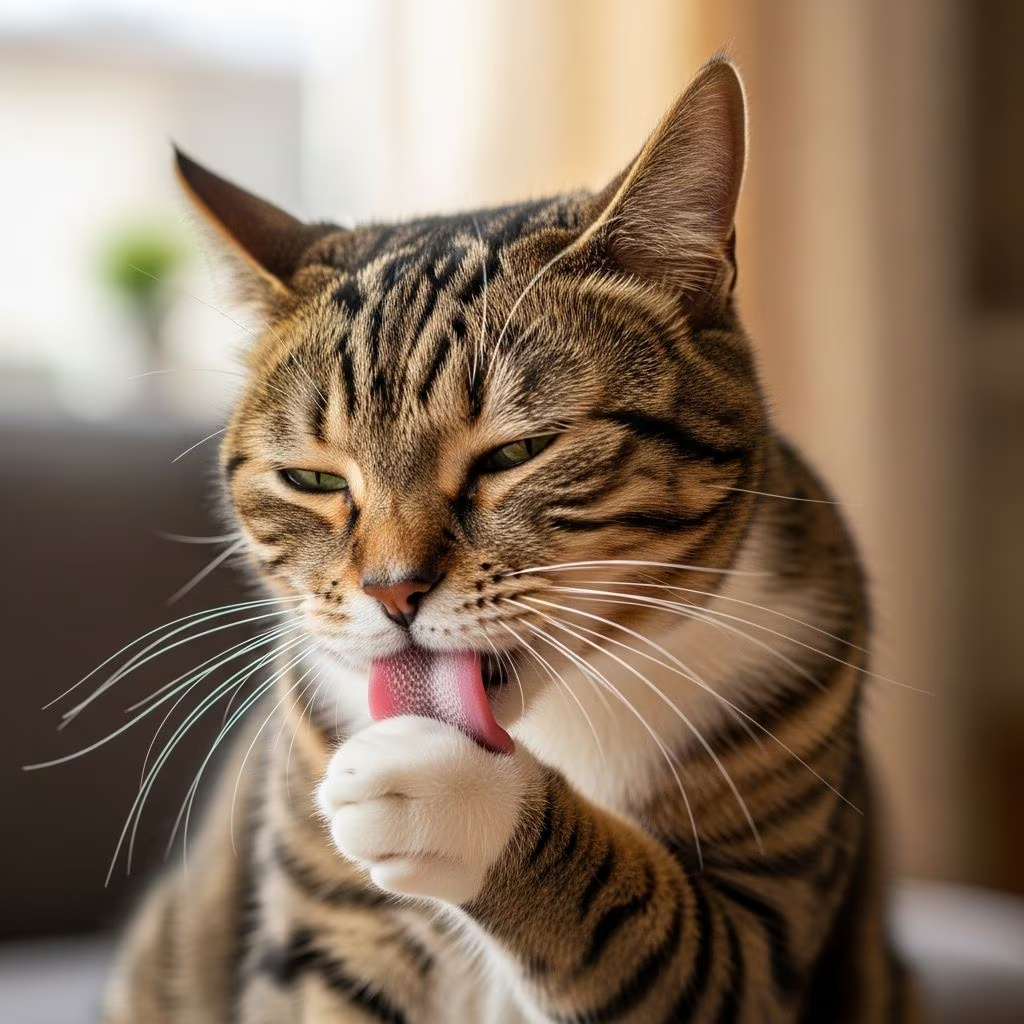
Cats are renowned for their impeccable grooming habits, dedicating a significant portion of their day to maintaining their luxurious coats. On average, cats spend **2–5 hours per day grooming themselves**, equivalent to **30–50% of their waking hours**. This meticulous behavior far exceeds human hygiene routines, highlighting the central role grooming plays in feline life. For context, if a human mirrored this after sleeping 8 hours, they would spend 4–8 hours daily on personal care.
Understanding this natural behavior helps cat owners distinguish normal patterns from potential health concerns. Grooming serves multiple purposes beyond cleanliness, including temperature regulation, parasite removal, and social bonding. Factors like breed, age, coat length, lifestyle (indoor vs. outdoor), activity level, and health status influence grooming frequency. Short-haired cats often manage independently, while long-haired breeds may require owner assistance to prevent matting.
Why Do Cats Groom So Much?
Grooming is an instinctive behavior rooted in cats’ evolutionary history as solitary hunters who must stay clean, scent-free, and agile. Domestic cats retain this trait, using their rough tongues—covered in papillae like tiny hooks—to lick away dirt, loose fur, and parasites while distributing natural oils for a shiny coat.
Beyond hygiene, grooming fulfills several key functions:
- Thermoregulation: Saliva evaporates like sweat, cooling the body during hot weather.
- Social Bonding: Cats groom each other (allogrooming) to reinforce bonds in multi-cat households or with owners, spreading familial scents.
- Stress Relief: Licking releases endorphins, providing comfort similar to a human’s self-soothing habits.
- Territorial Marking: Cats apply cheek and paw scents during grooming to claim spaces.
- Health Maintenance: Removes dead skin, stimulates blood flow, and prevents tangles.
Individual variations are common. Kittens groom lightly to learn the behavior, seniors may groom less due to arthritis or lethargy, and active outdoor cats groom more to remove environmental debris. In multi-pet homes, cats may groom excessively for security or to alleviate loneliness if solitary.
How Much Grooming Is Normal for Cats?
Normal grooming occupies **30–50% of a cat’s waking day**, translating to **2–5 hours** for most adults who sleep 12–16 hours daily. This range accounts for:
| Factor | Impact on Grooming Time |
|---|---|
| Coat Length | Short-haired: Less time needed; long-haired: More to prevent mats. |
| Age | Kittens/seniors: Reduced due to flexibility or energy limits. |
| Lifestyle | Indoor: Consistent; outdoor: Increased for dirt/parasite removal. |
| Health | Healthy: Steady; ill/obese: Decreased from lethargy. |
| Breed | Persians/Siberians: Higher due to dense fur; Siamese: Lower. |
Observe your cat’s baseline: sudden increases or focal licking (e.g., belly only) warrant attention, while gradual changes with age are typical. Vets note no universal “normal”—monitor for your cat’s unique patterns.
When Your Cat May Be Cleaning Too Much
Excessive grooming exceeds **50% of waking hours**, leading to health issues like **hairballs, bald patches (alopecia), skin infections, or raw wounds**. Signs include visible fur loss, excessive vomiting, or obsessive focus on one area.
Common causes of over-grooming include:
- Parasites: Fleas, mites, lice cause intense itching; check for flea dirt (black specks).
- Allergies: Food (e.g., proteins), environmental (pollen, dust), or contact (cleaners); manifests as itchy paws, ears, or base of tail.
- Pain/Injuries: Arthritis, wounds, dental issues prompt licking for relief.
- Infections: Bacterial, fungal, yeast overgrowth irritates skin.
- Stress/Anxiety: Changes like new pets, moves, or loud noises trigger psychogenic alopecia.
Over-grooming risks escalate in long-haired cats, where mats trap debris, worsening irritation. Early intervention prevents escalation to veterinary treatments like cone collars or medications.
Reasons Cats Groom Less Than Usual
Under-grooming signals underlying issues, as cats prioritize it highly. Reduced grooming (less than 20–30% of waking time) often stems from:
- Age-Related Decline: Arthritis limits flexibility; seniors struggle with contortions.
- Illness/Lethargy: Kidney disease, hyperthyroidism, or pain reduce energy.
- Obesity: Excess weight hinders reaching belly/ back.
- Depression: Loss of appetite or interest in self-care.
- Skin Conditions: Severe allergies or dermatitis make grooming painful.
A unkempt coat, dandruff, or odor accompanies these. Prompt vet checks rule out systemic problems.
How to Prevent Your Cat From Over-Grooming
Proactive care normalizes grooming. Key strategies:
- Regular Brushing: Short-haired: Weekly; long-haired: Daily 3+ minutes to remove loose fur, reduce hairballs.
- Flea Prevention: Monthly topicals/orals; vacuum frequently.
- Stress Reduction: Pheromone diffusers, consistent routines, enrichment toys, vertical spaces.
- Diet Check: Hypoallergenic foods if allergies suspected; omega-3 supplements for skin health.
- Environmental Control: Dust-free litter, hypoallergenic cleaners.
For long-haired cats, professional grooming every 2 months prevents compaction. Nail trims (2–4 weeks), ear cleaning, and tooth brushing enhance overall hygiene.
Grooming Differences: Short-Haired vs. Long-Haired Cats
Coat type dictates needs:
| Aspect | Short-Haired | Long-Haired |
|---|---|---|
| Grooming Frequency | Weekly brush; self-sufficient. | Daily brush; prone to mats. |
| Tools | Grooming glove, soft brush. | Slicker brush, wide-tooth comb. |
| Risks | Minimal shedding. | Matting, hairballs, fecal soiling. |
| Pro Help | Rare. | Bi-monthly for dense coats. |
Focus on high-risk areas for long-hairs: armpits, hindquarters.
Frequently Asked Questions (FAQs)
Is it normal for cats to spend half their day grooming?
Yes, **30–50% of waking hours (2–5 hours)** is standard for hygiene, bonding, and comfort.
What if my cat suddenly grooms more?
Check for fleas, allergies, pain, or stress; consult a vet if bald spots or hairballs appear.
How often should I brush my cat?
Short-haired: Weekly; long-haired: Daily. Adjust for shedding seasons.
Why does my senior cat groom less?
Arthritis, illness, or obesity limits mobility; vet evaluation recommended.
Can over-grooming cause health problems?
Yes, leading to skin infections, wounds, and excessive hairballs.
Conclusion
Cats’ dedication to grooming—up to half their waking hours—ensures hygiene and well-being but requires vigilant monitoring. Normal patterns vary by individual factors, but deviations signal issues like parasites or stress. Regular brushing, flea control, and a stable environment prevent over-grooming, keeping your feline pristine and healthy. Consult your vet for personalized advice.
References
- How Many Hours a Day Do Cats Groom? Vet-Reviewed Behavior — Catster. 2023. https://www.catster.com/cat-behavior/how-many-hours-do-cats-groom/
- About Cat Grooming — North Road Veterinary Clinic. 2024-05-15. https://www.northroadvet.com.au/blog/about-cat-grooming
- Finding the Right Schedule for Cat Grooming — Purrf. 2023-08-20. https://www.purrf.com.au/post/finding-the-right-schedule-for-cat-grooming
- How Often Do Cats Groom Themselves? — PrettyLitter. 2024. https://www.prettylitter.com/blog/how-often-do-cats-groom-themselves
- The Ultimate Guide to Cat Grooming — TICA (The International Cat Association). 2024-03-10. https://tica.org/blogs/the-ultimate-guide-to-cat-grooming-frequency-and-tips-for-pet-owners/



