

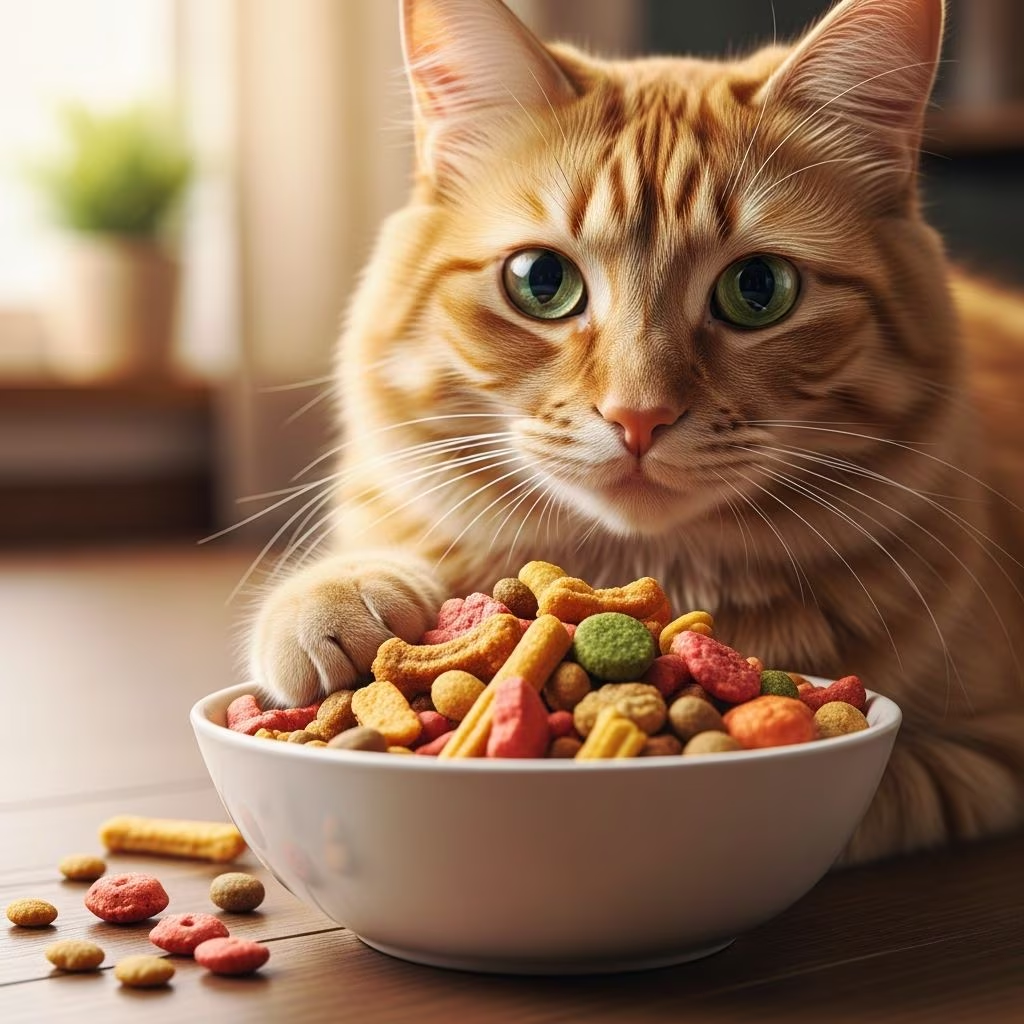
Cat treats are a beloved part of pet parenting, offering moments of joy, bonding, and training opportunities. However, determining **how many cat treats** is appropriate requires understanding your cat’s nutritional needs, calorie intake, and individual habits. Overfeeding treats can lead to obesity, a common issue affecting up to 60% of cats in the U.S., according to veterinary studies. This comprehensive guide breaks down the science behind treat portions, ideal timing, healthiest options, and strategies to keep your cat trim and thriving.
Understanding Your Cat’s Calorie Needs
Cats are obligate carnivores with precise daily caloric requirements based on age, weight, activity level, and neuter status. An average adult cat (4kg or 9lbs) needs about 200-250 calories per day to maintain a healthy weight. Treats, despite their appeal, are not nutritionally complete and should comprise no more than **10% of total daily calories**—roughly 20-25 calories from treats alone.
To calculate precisely:
- Step 1: Determine your cat’s daily caloric allowance using a vet-recommended formula or body condition score.
- Step 2: Check the treat packaging for calories per piece (e.g., 2kcal per treat).
- Step 3: Multiply: For a 240-calorie cat, 10% is 24 calories, allowing 12 treats at 2kcal each.
Indoor cats often need fewer calories (180-220/day) due to lower activity, while active outdoor cats may require more (250-300). Use this table for quick reference:
| Cat Profile | Daily Calories | Max Treat Calories (10%) | Example Treats (2kcal ea.) |
|---|---|---|---|
| Sedentary Indoor Adult (4kg) | 200 | 20 | 10 |
| Active Indoor Adult | 240 | 24 | 12 |
| Kitten (under 1yr) | 250-300 | 25-30 | 12-15 |
| Senior (low activity) | 180 | 18 | 9 |
Adjust main meal portions downward to account for treats. For instance, if kibble is 0.73kcal/g and your cat gets 24 treat calories, reduce meals by about 33g total daily.
Why Limit Cat Treats: Health Risks of Overfeeding
Treats pack concentrated calories without the fiber or balance of complete cat food, leading to rapid weight gain. Obesity in cats increases risks for diabetes, urinary issues, arthritis, and liver disease. Outdoor cats face extra challenges: they hunt (adding 50-100 calories/day) and beg from neighbors, complicating intake tracking.
Some cats self-regulate, grazing freely, but many gorge on treats shown as affection. Signs of overfeeding include:
- Rib cage not easily felt under fat.
- No waist visible from above.
- Lethargy or difficulty jumping.
If overweight, eliminate treats entirely until ideal weight is reached, then reintroduce sparingly while boosting exercise.
When Should I Give My Cats Treats?
Treats shine as tools for positive reinforcement, not random snacks. Offer between meals to avoid disrupting hunger cues. Ideal times and purposes include:
- Training sessions: Reward tricks like sit, come, or high-five. Cats respond to high-value treats more than dogs, debunking the ‘untrainable cat’ myth.
- Stress relief: In a quiet room, use treats to soothe anxiety from vet visits or changes.
- Boredom busters: Hide treats in puzzles or obstacle courses for mental stimulation.
- Spontaneous rewards: Praise good behaviors like using the litter box or returning home.
Avoid treats for unwanted actions (e.g., counter jumping or yowling), as this reinforces them. For clicker training: Pair click with treat 20-30 times initially, then shape behaviors. Spread 2-3 mini-sessions daily, keeping total under 10% calories.
Which Treats Are Best for My Cat?
Quality matters: Prioritize **high-protein treats** (over 50% meat like chicken, fish, turkey) with minimal fillers. Avoid high sugar, carbs, salt, or fats, which harm teeth and waistlines. Beneficial additives include glucosamine for joints, omega-3s for coat, or dental enzymes.
Top choices:
- Commercial: Freeze-dried meats, soft chews with probiotics.
- Homemade: Plain boiled chicken, turkey, fish, or scrambled eggs (no seasoning). Limit to 10% calories.
- Kibble as treats: Use 10-20% of daily kibble portion in toys.
For dental health, sugary treats erode enamel; opt for crunchy textures and brush teeth daily with cat-safe paste. Sustainable options like insect-based or ethically sourced fish support eco-health.
How to Transition and Monitor Your Cat’s Treat Intake
Gradually introduce treats by mixing with meals. Track weekly weigh-ins and body condition scores. Apps or journals log calories. Encourage play: Laser pointers, feather wands burn 20-50 calories/session. For multi-cat homes, feed separately to prevent stealing.
Vets recommend annual check-ups; consult for conditions like diabetes where treats may be contraindicated.
Frequently Asked Questions (FAQs)
Can overweight cats have any treats?
No, eliminate treats until weight normalizes. Focus on low-calorie meals and exercise.
Are homemade treats healthier?
Yes, if plain meat/eggs, but still limit to 10% calories as they’re unbalanced.
How do I train my cat with treats?
Use high-value treats for desired behaviors only; clicker training accelerates results.
What if my outdoor cat hunts?
Reduce portions by 20-50 calories; monitor for begging behaviors.
Do treats cause dental issues?
Sugary ones do; choose crunchy, protein-rich options and brush regularly.
Key Takeaways for Happy, Healthy Cats
Treats enhance life when limited to 10% calories, used purposefully, and chosen wisely. High-protein, low-junk options support vitality. Monitor weight, train positively, and consult vets for tailored advice. Your cat will thank you with purrs and playfulness.
References
- Feeding Guidelines for Cats — Association of American Feed Control Officials (AAFCO). 2023-2025. https://www.aafco.org/
- Obesity in Cats: Risk Factors and Management — Journal of Feline Medicine and Surgery (PubMed). 2022-01-15. https://journals.sagepub.com/doi/10.1177/1098612X221074927
- Caloric Needs of Companion Cats — National Research Council (NRC), National Academies Press. 2006 (authoritative standard, still referenced in 2025 vet guidelines). 2006-06-01. https://nap.nationalacademies.org/catalog/11625/nutrient-requirements-of-dogs-and-cats
- Pet Obesity Prevention — Association for Pet Obesity Prevention. 2024-05-10. https://www.petobesityprevention.org/
- Clicker Training for Cats — American Animal Hospital Association (AAHA). 2023-09-20. https://www.aaha.org/resources/



