

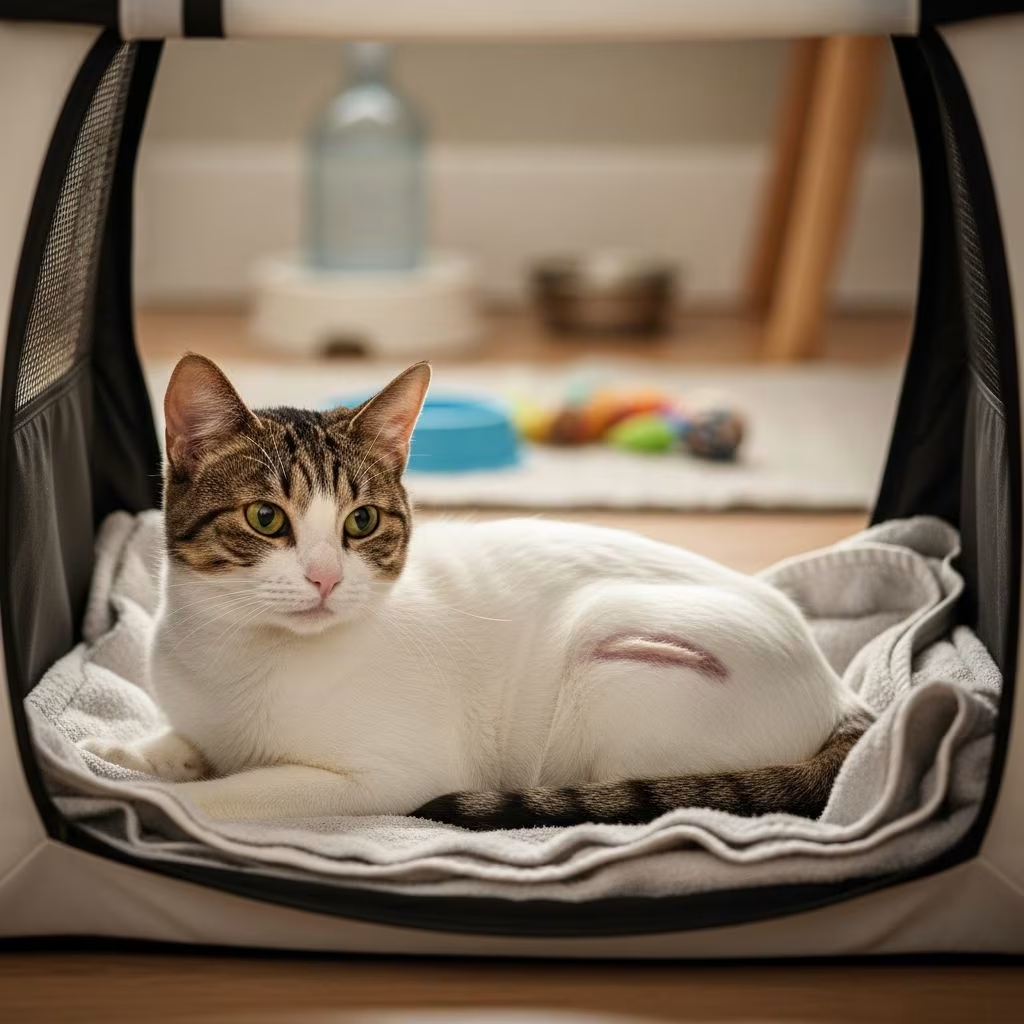
Spaying and neutering are routine procedures that offer significant health and behavioral benefits for cats, but proper post-operative care is crucial for a smooth recovery. Confining your cat helps prevent them from jumping, running, or licking the incision site, reducing the risk of complications like infection or dehiscence. Recovery timelines vary slightly between males and females, but most veterinarians recommend **7-14 days of restricted activity** to ensure proper healing.
Why Confine Your Cat After Spay/Neuter Surgery?
Confinement minimizes physical strain on the surgical site. After spaying, females have an abdominal incision that needs time to heal internally and externally. Neutered males have scrotal incisions that are smaller but still vulnerable to swelling or reopening if the cat is too active. Without restriction, cats may exacerbate pain, delay healing, or develop hernias.
Key reasons for confinement include:
- Preventing **jumping, climbing, or running**, which can tear stitches.
- Avoiding **licking or biting** the incision, leading to infection.
- Reducing **swelling and bleeding** by limiting blood flow increases from activity.
- Protecting from **other pets or outdoor hazards** during vulnerability.
Studies and vet guidelines emphasize that restricted movement promotes faster tissue regeneration and lowers complication rates.
How Long to Keep Your Cat Confined: Spay vs. Neuter Timelines
Recovery duration depends on the procedure, cat’s age, health, and whether it’s feral or domestic. Here’s a breakdown:
| Procedure | Initial Confinement (First 24-48 Hours) | Full Restriction Period | Gradual Return to Normal |
|---|---|---|---|
| Female Spay | 24-48 hours in quiet space/crate | 10-14 days indoors, no jumping | After 2 weeks, vet check |
| Male Neuter | 12-24 hours monitoring | 7-10 days, crate/room confinement | Week 2, supervised activity |
| Lactating/Pregnant Females | 10-12 hours post-anesthesia | 48 hours max, then reunite with kittens | Immediate if alert |
| Feral Cats (TNR) | Overnight in trap | 24-48 hours total | Return to colony when steady |
For **spayed females**, expect **14 days** total recovery, with strict confinement for the first week. Males often heal faster, around **5-7 days** for basic activity, but **10-14 days** for full normalcy. Always follow your vet’s specific instructions, as individual cases vary.
Setting Up a Safe Confinement Space for Your Cat
Create a “recovery room”—a small, quiet bathroom, spare room, or large crate (minimum 24x24x36 inches for adults). Essentials include:
- Soft bedding and litter box (low-sided for easy access).
- Food/water bowls near bedding to minimize movement.
- Toys and scratching post (low-profile for mental stimulation).
- E-collar or recovery suit if licking is an issue.
- Quiet environment away from high-traffic areas or other pets.
Keep the space at comfortable temperature (70-80°F) and clean daily to prevent infections. For multi-cat homes, separate fully during the first week.
Daily Recovery Timeline: What to Expect Day-by-Day
First 24 Hours: Anesthesia Recovery
Your cat will be groggy, nauseous, and lethargic. Offer small amounts of water first, then bland food. Monitor vitals—no eating if vomiting persists beyond 48 hours.
Days 2-4: Monitoring Incision and Appetite
Activity should remain low. Check incision twice daily for redness/swelling. Appetite returns gradually; encourage eating with warmed food.
Days 5-7: Gradual Improvement
Cats feel better and may test boundaries. Maintain confinement; introduce gentle play. Stitches often dissolve, but site remains tender.
Days 8-14: Transition to Normal Activity
Supervised outings begin. Full outdoor access for outdoor cats after 14 days or vet approval.
Beyond 2 Weeks: Full Recovery
Schedule a recheck. Most cats resume pre-surgery behavior, with benefits like reduced roaming.
Signs of Complications: When to Call the Vet Immediately
Normal symptoms (lethargy, mild swelling) resolve quickly, but watch for:
- Incision issues: Redness, pus, reopening, excessive discharge.
- No urination/defecation after 48-72 hours.
- Persistent vomiting/diarrhea >48 hours.
- Refusal to eat/drink >24 hours.
- Excessive pain: Hiding, aggression, not using litter box.
- Fever or lethargy returning after day 2.
Do NOT give human meds—many are toxic to cats. Contact your vet or ER for any concerns.
Pain Management and Medications Post-Surgery
Vets provide injectable pain relief lasting 24-36 hours. Oral meds may follow for 3-5 days. Administer as prescribed; never skip doses. Signs of inadequate pain control: restlessness, whining, or guarding the site.
Feeding, Litter, and Hygiene During Confinement
- Feeding: Small, frequent meals of recovery food. Avoid rich treats.
- Litter: Monitor for straining; switch to non-clumping if needed.
- Bathing/Cleaning: Keep incision dry; use pet wipes only.
For ferals, feed in trap end to keep clean.
Behavioral Changes After Spay/Neuter
Neutering reduces urine marking, roaming, and aggression in 90% of cases. Spaying eliminates heats, yowling. Changes appear within weeks, but personality persists.
Special Considerations: Kittens, Seniors, and Feral Cats
- Kittens: Faster healing (7-10 days); same rules.
- Seniors: Extended monitoring for comorbidities.
- Ferals/TNR: 24-hour hold max; release when alert.
- Lactating moms: Release ASAP post-recovery.
Frequently Asked Questions (FAQs)
Can my cat climb stairs after neutering?
No, restrict stairs for 7-10 days to avoid incision strain.
How do I stop my cat from licking the incision?
Use an e-collar, recovery suit, or bitter spray. Monitor closely.
When can my cat go outside after spay?
After 14 days or vet clearance, especially for outdoor cats.
Is swelling normal after neuter?
Mild yes for 48 hours; increasing or hot—call vet.
What if my cat removes stitches?
Seek immediate vet care to prevent infection.
Long-Term Benefits of Spay/Neuter
Beyond recovery, spaying prevents pyometra, cancers; neutering curbs behaviors and fights. Contributes to population control.
References
- Male Cat Before & After Neutering: Behavior & Recovery — North Boulder Vet. 2022-03-30. https://www.northbouldervet.com/site/blog/2022/03/30/male-cat-neutering-behavior-recovery
- Spay/Neuter Post-Surgery Care — Feral Cat Focus. Accessed 2026. https://feralcatfocus.org/spayneuter-post-surgery-care/
- Cat Spay Recovery Timeline — Main Street Veterinary Center. Accessed 2026. https://mainstreetvetcenter.com/blog/cat-spay-recovery-timeline/
- Cat Neuter Recovery Tips — Black Mountain Animal Hospital (San Diego Vets). Accessed 2026. https://sandiegovets.com/cat-neuter-recovery-tips/
- Spayed Cat Aftercare: How To Care For Your Cat After Surgery — PetMD. Accessed 2026. https://www.petmd.com/cat/general-health/spayed-cat-aftercare
- Spay/neuter post-surgical care and recovery instructions — Animal Humane Society. Accessed 2026. https://www.animalhumanesociety.org/resource/spayneuter-post-surgical-care-and-recovery-instructions
- Spay/Neuter Surgery Pre & Post-Operative Information — PRCKC. Accessed 2026. https://prckc.org/affordable-spay-neuter/after-pet-surgery/



