

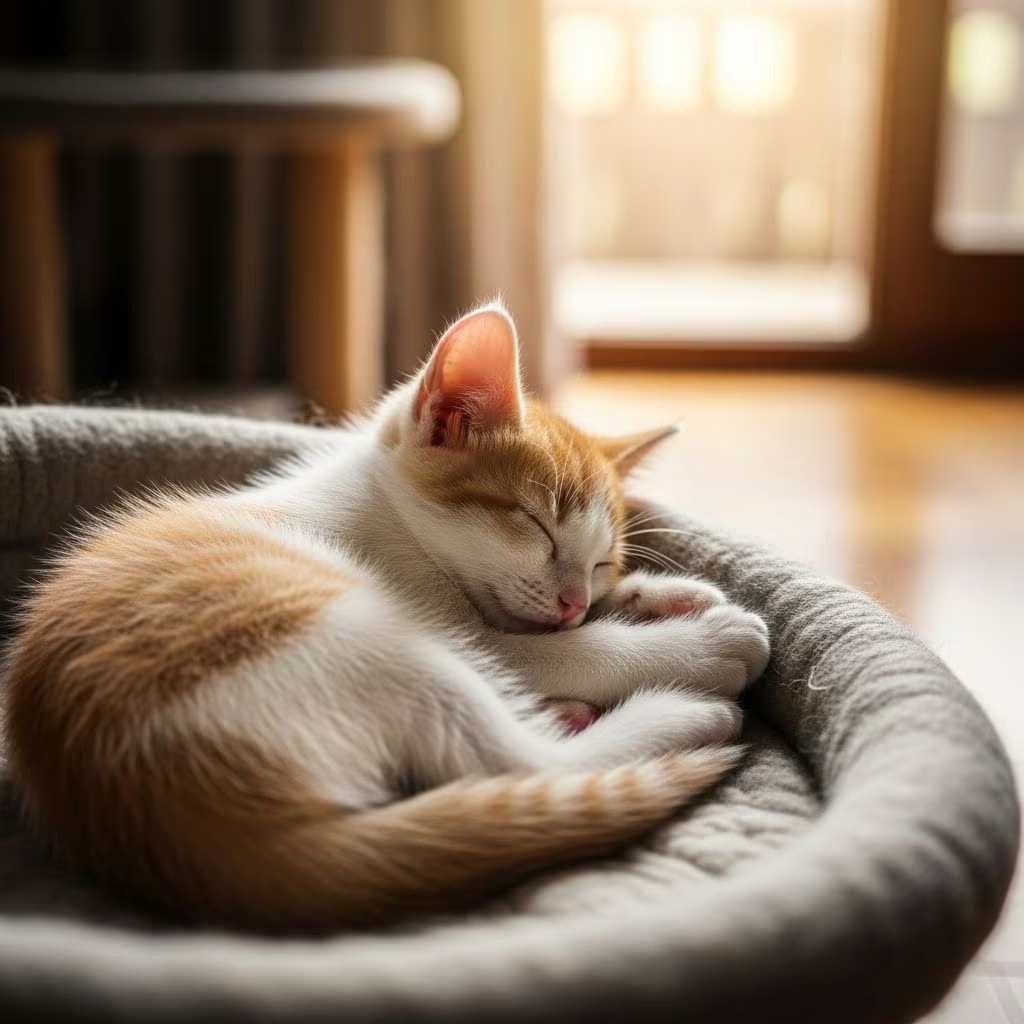
How Long Can You Leave a Kitten Alone?
Leaving your kitten alone for the first time can be nerve-wracking for any pet owner. Unlike adult cats, young kittens have specific physical and emotional needs that change as they develop. Understanding the appropriate duration for leaving your kitten unattended is essential to ensure their safety, health, and emotional wellbeing. The answer depends on several factors, including your kitten’s age, health status, personality, and developmental stage.
Age-Based Guidelines for Leaving Kittens Alone
The primary factor determining how long a kitten can be left alone is their age. As kittens mature, their ability to self-regulate food and water intake, manage their body temperature, and handle litter training improves significantly. Here are detailed guidelines for each developmental stage.
Newborn to Four Weeks Old
Kittens in this age range should not be left alone under any circumstances. They require constant supervision and care from their mother or a human caregiver. Bottle-fed kittens need feeding every two to three hours, and they lack the ability to regulate their body temperature effectively. These youngest kittens are completely dependent on caregivers for survival, and leaving them unattended poses serious health risks.
Four to Eight Weeks Old
Kittens at this developmental stage are still learning fundamental survival skills. They are beginning to transition from nursing to solid food, but they remain highly vulnerable. If absolutely necessary, you should only leave kittens of this age alone for around one hour maximum. At this stage, kittens are still struggling to regulate their body temperature, learn to eat solid food properly, and develop basic self-care routines. The risks associated with extended alone time are significant, making constant supervision the safest approach.
Eight to Twelve Weeks Old
Two-month-old kittens show increased independence and can be left alone for approximately two to four hours. However, they still require frequent meals throughout the day and need supervised playtime to support healthy development. At this age, kittens are becoming more confident but remain curious and prone to getting into dangerous situations. Ensure they have access to food, fresh water, and a clean litter box before leaving them.
Three to Six Months Old
Kittens in this age range demonstrate rapidly increasing confidence and self-assurance. They can generally be left alone for four to six hours, though individual variation is significant. Some kittens may adapt more quickly to alone time, while others with more dependent temperaments may struggle. The flexibility at this stage depends largely on your specific kitten’s routine, personality, and how well they’ve been socialized. Continue to monitor their behavior and adjust accordingly.
Six Months and Older
Once kittens reach six months of age, they can be left alone for eight hours or more, provided they have adequate food, water, and a safe environment. At this point, they are approaching adult cat capabilities in terms of independence. However, individual cats still vary in their comfort with alone time, and some may develop separation anxiety regardless of age.
Key Factors Beyond Age
While age is the primary determinant of how long a kitten can be left alone, several additional factors significantly influence this timeline.
Food and Hydration Needs
Young kittens have urgent food and hydration requirements due to their small stomachs and high energy demands. As kittens age, their ability to self-regulate food and water consumption improves, and they require less frequent meals. Ensure fresh water is always available, and provide appropriate meals according to your kitten’s age and feeding schedule.
Health Conditions
Kittens with health conditions may have severely limited alone time due to medication needs, frequent feeding requirements, or monitoring for symptoms. Always consult your veterinarian if your kitten has any health concerns, as their specific situation may require more frequent check-ins than age-based guidelines suggest.
Litter Training and Safety
Some kittens struggle with litter training or general safety awareness, which limits their safe alone time. Ensure your kitten is reliably using the litter box before extending alone periods. Additionally, young kittens are naturally curious and may investigate dangerous items, toxic plants, chemicals, or electrical cords. A well-prepared, kitten-safe environment is essential.
Socialization and Separation Anxiety
Young kittens require significant time with human caregivers and other cats for proper socialization. Inadequate early socialization can lead to long-term behavioral problems, including separation anxiety. Even well-socialized kittens may experience distress when left alone for extended periods. Gradual acclimatization to alone time helps prevent anxiety-related behaviors.
Preparing Your Home for Your Kitten’s First Time Alone
Before leaving your kitten unattended, ensure your home is thoroughly kitten-proofed and equipped with everything they need.
Essential Supplies
- Clean litter box positioned away from food and water bowls
- Fresh, clean water available at all times
- Age-appropriate food in measured portions
- Safe toys for independent play (ping pong balls, catnip mice, interactive toys)
- A comfortable resting area or bed
- A scratching post to redirect natural scratching behavior
Safety Precautions
- Close and secure all doors and windows to prevent escape
- Keep houseplants out of reach or remove toxic varieties entirely
- Secure or hide electrical cords and chargers
- Store cleaning supplies, medications, and chemicals in locked cabinets
- Secure blinds and curtains to prevent entanglement
- Block access to small spaces where kittens could become trapped
- Remove or secure any hazardous objects or small items that could be swallowed
Gradual Introduction to Alone Time
The best approach to helping your kitten adjust to being alone is gradual acclimatization. Start by leaving your kitten alone for very short periods and gradually increase the duration over days and weeks.
Step-by-Step Approach
- Begin with 5-10 minute absences several times daily to help your kitten adjust
- Observe your kitten quietly during these practice sessions to assess their comfort level
- Return if you notice signs of severe distress, but try to avoid over-comforting
- Gradually increase alone time by 5-15 minutes every few days
- Check on your kitten at least every few hours until they reach adulthood
- Use positive reinforcement to reward calm, independent behavior
Environmental Enrichment
Providing engaging toys and environmental enrichment helps prevent boredom and destructive behavior. Rotate toys regularly to maintain interest, consider puzzle feeders for mental stimulation, and ensure your kitten has vertical spaces to explore and rest. Interactive toys and window perches can provide entertainment during your absence.
Managing Separation Anxiety
Some kittens naturally struggle with being alone, exhibiting behaviors such as excessive vocalization, destructive scratching, or inappropriate elimination. If your kitten cries when you leave or shows signs of distress, focus on gradually extending their comfort with alone time in a safe environment. Avoid punishing vocalization, as this increases anxiety. Instead, reward calm behavior and practice departures without making a fuss when leaving or returning.
When Professional Help Is Necessary
If you need to be away from your kitten for more than 24 hours, hiring a professional pet sitter is essential. A cat sitter should visit at least once daily to provide fresh food and water, scoop the litter box, and provide interactive play. For extended trips, multiple daily visits may be necessary for very young kittens. Pet sitters ensure your kitten receives necessary care, monitoring, and socialization that cannot be provided by automatic feeders or water fountains alone.
Adult Cats vs. Kittens: Key Differences
As your kitten matures into an adult cat, their alone time capacity increases significantly. Healthy adult cats can typically be left alone for eight to twelve hours at a time. However, they should not regularly be left alone for a full 12 hours, as this should be reserved for occasional situations. Cats older than six months can manage longer periods alone than younger kittens, though individual variation persists based on personality, health, and socialization history.
Signs Your Kitten Is Not Ready for Longer Alone Time
Watch for behavioral indicators that your kitten is struggling with extended alone periods. These signs include excessive vocalization when you leave, destructive behavior such as aggressive scratching or knocking items over, inappropriate elimination outside the litter box, or refusal to eat or drink normally. If your kitten displays these behaviors, reduce alone time and progress more gradually.
Frequently Asked Questions
Q: Can I leave my kitten alone overnight?
A: No, you should not leave young kittens alone overnight. Kittens under six months require regular check-ins and feeding. Even older kittens benefit from human interaction and monitoring. Adult cats occasionally may be left overnight with appropriate preparations, but this is not recommended as a regular practice.
Q: What should I do if my kitten cries when I leave?
A: Crying when you leave is common, especially for young or under-socialized kittens. Gradually extend alone time in a safe environment, avoid over-comforting when departing or returning, and use positive reinforcement for calm behavior. Consider using calming products designed for cats, but consult your veterinarian first.
Q: Are automatic feeders suitable for kittens?
A: Timed feeders can be helpful for some kittens and cats, providing meals at regular intervals during your absence. However, they should supplement, not replace, a pet sitter’s visits for young kittens requiring multiple daily meals and socialization.
Q: How do I know if my kitten has separation anxiety?
A: Signs include excessive vocalization, destructive behavior, inappropriate elimination, refusal to eat, or extreme distress when you prepare to leave. If you suspect separation anxiety, consult your veterinarian for guidance on behavioral modification and potential treatment options.
Q: What is the maximum time an adult cat can be left alone?
A: Adult cats can be left alone for up to 24 hours if they have food, water, and a clean litter box, though this is not recommended regularly. A pet sitter should visit at least once daily for longer absences. Cats should not be left alone for extended periods without professional care.
Q: Can I leave my kitten alone if I have another cat at home?
A: Having another cat provides some companionship and can help reduce separation anxiety. However, this does not eliminate the need for appropriate alone time limits based on your kitten’s age. Young kittens still require regular human interaction and feeding regardless of feline companionship.
References
- How Long Can You Leave a Cat Alone? — PetMD. 2024. https://www.petmd.com/cat/general-health/how-long-can-you-leave-a-cat-alone
- How long can you leave a kitten alone? Our guide — ManyPets. 2024. https://manypets.com/uk/articles/how-long-can-you-leave-a-kitten-alone/
- How long can you leave a cat alone? — Cats Protection. 2024. https://www.cats.org.uk/cats-blog/how-long-can-you-leave-a-cat-alone
- Tips For Leaving a Kitten Home Alone For The First Time — Sharon Lakes Veterinary Hospital. 2023. https://www.sharonlakes.com/site/blog-south-charlotte-vet/2023/05/15/kitten-home-alone-first-time



