

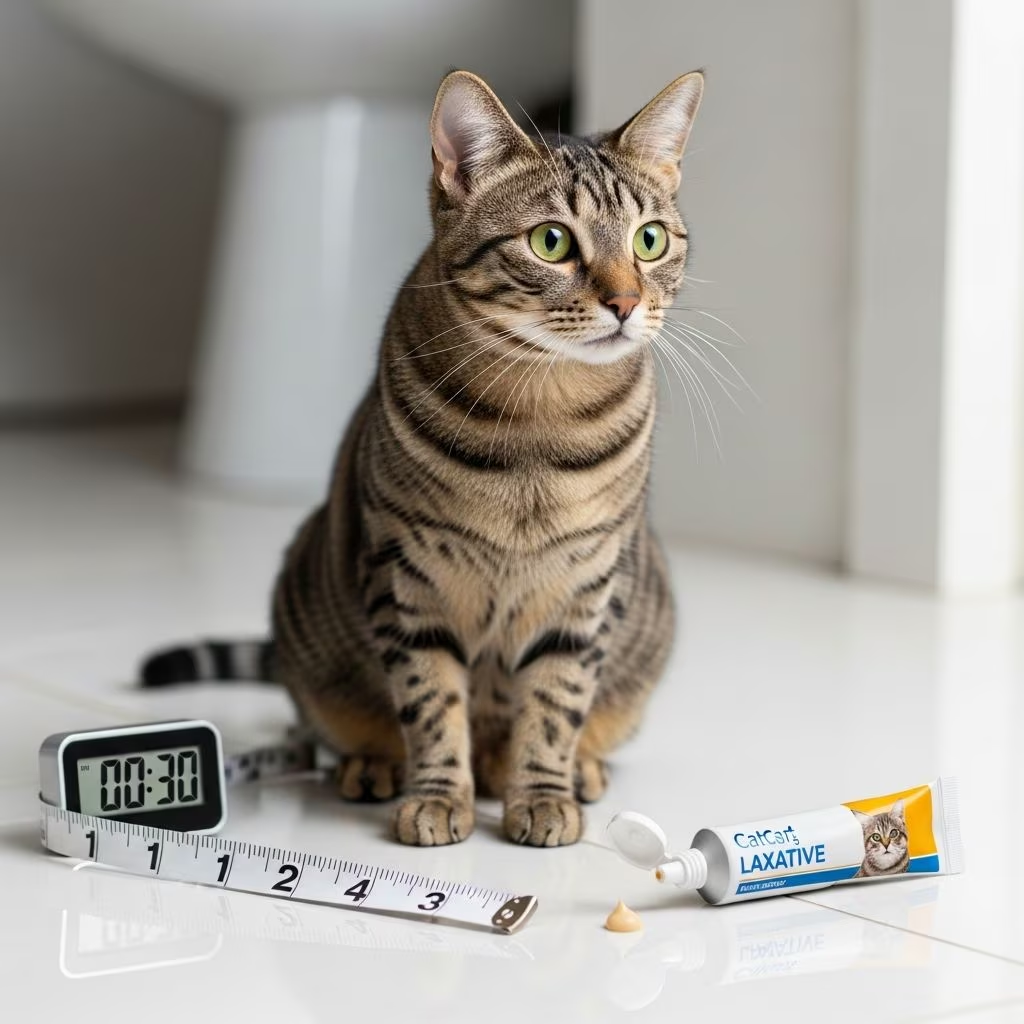
Cat laxatives typically begin working within **24 to 48 hours**, with effects like softer stools appearing as early as 12-24 hours for osmotic types like polyethylene glycol (PEG3350, e.g., Miralax) or lactulose, though full relief may take up to 72 hours depending on the cat’s condition, dosage, and constipation severity.
Constipation is common in cats, affecting quality of life if recurrent. Laxatives are often first-line treatments, but timelines vary by type: osmotic laxatives draw water into the colon for quick softening, while stimulants or stool softeners may act slower. Always consult a vet before starting, as underlying issues like megacolon or dehydration need addressing.
What Causes Constipation in Cats?
Constipation occurs when a cat strains to defecate hard, dry stools fewer than three times weekly or passes small amounts. Causes include:
- Dehydration: Insufficient water intake leads to dry feces.
- Dietary issues: Low-fiber food or sudden changes.
- Litter box problems: Dirty boxes, pain from arthritis, or small boxes hinder defecation.
- Medical conditions: Megacolon, tumors, hyperthyroidism, or kidney disease.
- Medications or inactivity: Opioids or sedentary lifestyles in obese cats.
Recognize signs early: straining, vocalizing in litter box, lethargy, or appetite loss. If no bowel movement in 48-72 hours, seek veterinary care to rule out emergencies like obstipation.
Types of Cat Laxatives
Several laxatives are vet-recommended for cats, categorized by mechanism. Here’s a breakdown:
| Type | Examples | How It Works | Typical Onset |
|---|---|---|---|
| Osmotic | PEG3350 (Miralax), Lactulose | Draws water into intestines to soften stool | 12-48 hours |
| Stool Softeners/Emollients | Docusate sodium/calcium | Moistens stool by surfactant action | 24-72 hours |
| Stimulants/Prokinetics | Cisapride | Increases colon contractions | 24-48 hours |
| Bulk-Forming | Psyllium (Metamucil) | Adds fiber to promote motility | 48-72 hours |
Osmotic laxatives like PEG3350 are most studied and preferred for palatability and efficacy in cats. Lactulose, a sugar alcohol, ferments to draw water but may cause gas.
How Long Do Laxatives Take to Work in Cats?
Timelines depend on the laxative, dose, and cat:
- PEG3350 (Miralax): Soft stools often within 24-48 hours. In a study, all cats achieved soft stools (grade I-III) with doses starting at 1.9g/meal, adjusted up if no effect in 48 hours. Median effective dose: 3g daily.
- Lactulose: Effects in 24-48 hours, but less palatable; some cats refuse it.
- Docusate: 50mg capsule daily for cats; works in 24-72 hours.
- Cisapride: 0.1-1mg/kg every 8-12 hours; improves motility in 24 hours, but not for severe cases.
Monitor for softer, formed stools every 1-2 days. If no improvement in 48 hours, adjust dose or see vet. In mild cases, symptoms resolve in 48 hours without treatment via hydration.
Safe Dosages for Cat Laxatives
Dosing is individualized; start low and titrate. Consult vet always.
- PEG3350: Start 1/8-1/4 tsp (0.5-1g) daily mixed in food; up to 1/2 tsp BID if needed. Median study dose: 3g/day (range 0.8-3.8g).
- Lactulose: 0.5-1ml/kg BID; adjust for soft stool.
- Docusate sodium: 50mg capsule q24h.
- Cisapride: 2.5-5mg BID-TID (0.1-1mg/kg).
Mix powders in wet food for acceptance. Effective doses vary widely; one study showed 4/6 cats needed dose reduction for diarrhea.
Side Effects of Cat Laxatives
Most are safe short-term, but monitor:
- Common: Diarrhea (reduce dose), gas, mild cramping.
- PEG3350: Rare vomiting; mild hyperkalemia in study (non-clinical).
- Lactulose: Bloating, refusal due to taste.
- Serious (rare): Dehydration if overused, electrolyte imbalance. Monitor bloodwork in chronic use.
No weight loss or appetite changes in 4-week PEG study. Discontinue if vomiting persists or dehydration signs appear.
When to See a Vet for Cat Constipation
Seek immediate care if:
- No stool in 48-72 hours.
- Straining, blood, vomiting, lethargy, or abdominal distension.
- Recurrent despite laxatives (may indicate megacolon).
Vet may recommend enemas, imaging, or diet changes. Chronic cases need prokinetics or surgery.
How to Prevent Constipation in Cats
Proactive steps reduce recurrence:
- Hydration: Wet food, fountains, multiple bowls.
- Diet: High-fiber prescription food or add pumpkin (1 tsp/day).
- Litter: Large, low-sided boxes (1.5x body length); keep clean.
- Exercise: Play daily to stimulate motility.
- Probiotics/Fiber: Supplements like FortiFlora.
For lifelong issues like megacolon, daily laxatives like Miralax maintain regularity.
Frequently Asked Questions (FAQs)
Can I give my cat Miralax for constipation?
Yes, PEG3350 (Miralax) is safe and effective at 1/8-1/2 tsp daily, mixed in food. Consult vet for dosing.
How quickly does Miralax work in cats?
Typically 24-48 hours for softer stools; adjust if no effect.
Is lactulose safe for cats long-term?
Yes, but less palatable than PEG; use 0.5ml/kg BID under vet guidance.
What if laxatives don’t work for my cat?
See vet within 48 hours; may need enemas or diagnostics for underlying issues.
Can fiber alone fix cat constipation?
Helpful for mild cases, but severe/recurrent needs laxatives or vet care.
This comprehensive guide ensures cat owners understand laxative timelines, safety, and prevention. Always prioritize veterinary advice for tailored care.
References
- Safety and Palatability of Polyethylene Glycol 3350 as an Oral Laxative in Normal Cats — PMC/NIH. 2024. https://pmc.ncbi.nlm.nih.gov/articles/PMC10832764/
- Laxative Can Aid With Regularity In Cats — Cat Care Clinic. Accessed 2026. https://catcare.com/blog/laxative-can-aid-with-regularity-in-cats/
- When to See a Vet for Cat Constipation — Vetster. Accessed 2026. https://vetster.com/en/wellness/when-to-see-a-vet-for-cat-constipation
- Constipation, Obstipation, and Megacolon in Small Animals — Merck Veterinary Manual. Accessed 2026. https://www.merckvetmanual.com/digestive-system/diseases-of-the-large-intestine-in-small-animals/constipation-obstipation-and-megacolon-in-small-animals
- Constipation in Cats — VCA Animal Hospitals. Accessed 2026. https://vcahospitals.com/know-your-pet/constipation-in-cats



