How Long Does a Bunny Live: Rabbit Lifespan Guide
Discover rabbit lifespan factors and learn how to help your bunny live a long, healthy life.
How Long Does a Bunny Live? Understanding Rabbit Lifespan
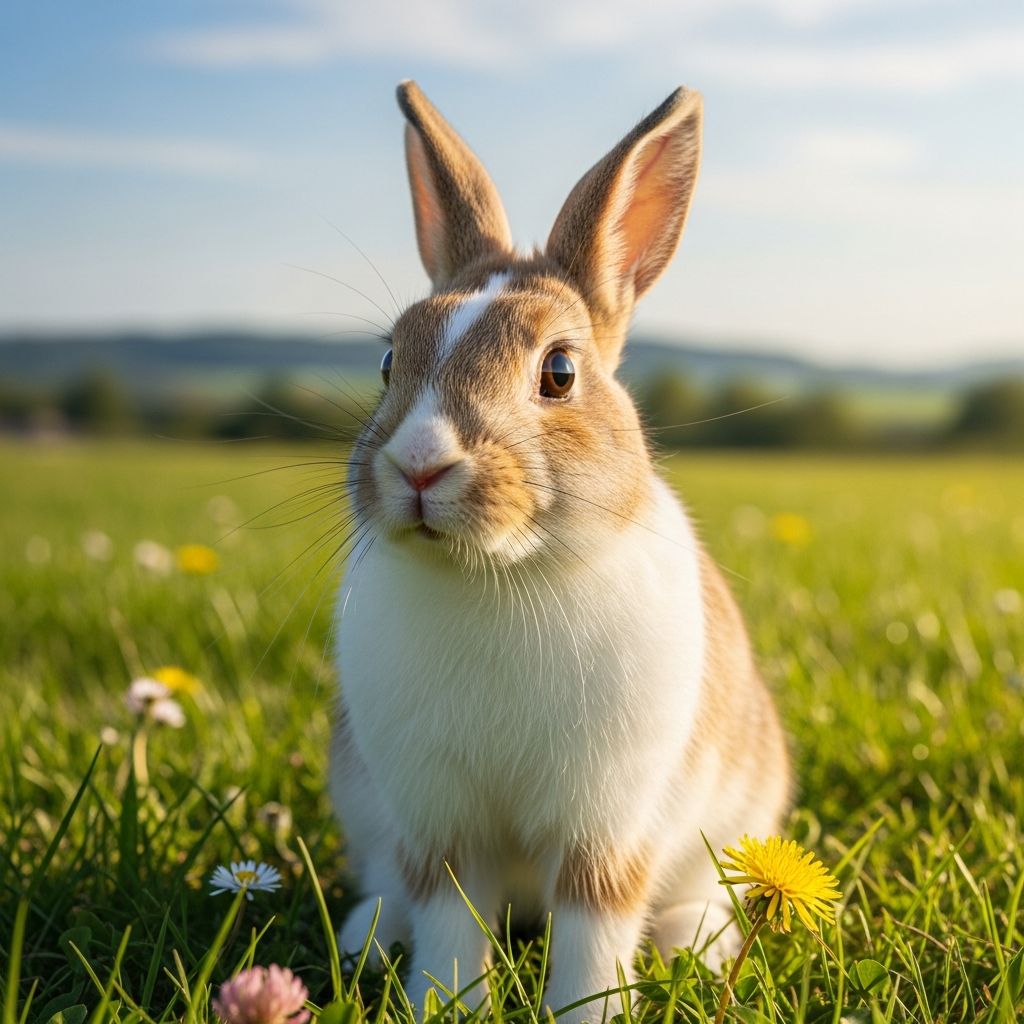
Rabbits make wonderful, intelligent, and affectionate companions for families and individuals alike. One of the most important questions potential rabbit owners ask is: how long do rabbits live? Understanding your bunny’s potential lifespan is crucial for making an informed decision about pet ownership and planning for your rabbit’s long-term care. The answer varies significantly depending on whether your rabbit lives indoors or outdoors, their breed, genetics, and most importantly, the quality of care they receive.
Average Rabbit Lifespan
The lifespan of a domestic rabbit typically ranges from 8 to 12 years, though many rabbits with excellent care have been documented living into their mid-teens, with some reaching 14, 15, or even 16 years of age. The average lifespan across all rabbit breeds is approximately 7 to 10 years. This is substantially longer than wild rabbits, which typically live only 1 to 3 years due to environmental pressures and predation.
The longest-living rabbit ever recorded lived to be 18 years and 10 months old, demonstrating that with exceptional care and favorable genetics, rabbits can live well beyond typical expectations.
How Rabbit Housing Affects Lifespan
One of the most significant factors influencing how long your bunny lives is whether it lives indoors or outdoors. This distinction dramatically affects longevity and overall health.
Indoor Rabbits
Indoor house rabbits typically live the longest, often reaching 8 to 12 years or more with proper care. The controlled environment of an indoor home protects rabbits from predators, extreme weather conditions, and diseases like Rabbit Hemorrhagic Disease Virus. Additionally, indoor rabbits receive consistent nutrition, regular veterinary care, and climate-controlled living spaces that support longevity.
Outdoor Rabbits
Outdoor domestic rabbits have significantly shorter lifespans, typically living only 3 to 5 years. These rabbits face exposure to predators, harsh weather, temperature fluctuations, parasites, and infectious diseases. Even in a secure outdoor enclosure, rabbits are exposed to environmental stressors that reduce their lifespan compared to their indoor counterparts.
Wild Rabbits
Wild rabbits have the shortest lifespans, generally living between 1 to 3 years, though some sources suggest they may reach up to 9 years in ideal conditions. In the wild, rabbits face constant threats from predators, habitat loss, vehicle strikes, harsh weather, disease, and limited food resources. These environmental challenges significantly impact their ability to survive to old age.
Rabbit Breed and Lifespan Variations
Different rabbit breeds have distinct lifespans influenced by their genetics and breed-specific health predispositions. Generally, smaller rabbit breeds tend to live longer than larger breeds.
Long-Lived Rabbit Breeds
Certain breeds are known for their exceptional longevity:
- Holland Lop: Lives 8 to 12 years with proper care
- Mini Rex: Known for longevity, often living 10 to 12 years or more
- Lionhead: Average lifespan of 7 to 9 years
- Netherland Dwarf: Often lives 10 to 12 years or more
Shorter-Lived Rabbit Breeds
Larger rabbit breeds typically have shorter lifespans:
- Flemish Giant: May live 5 to 8 years, though some may exceed these averages
When selecting a rabbit breed, it’s essential to research common health issues associated with that breed and discuss these with your veterinarian. Some breeds are genetically predisposed to conditions that may shorten their lifespan, making informed breed selection an important part of rabbit ownership.
Key Factors That Influence Rabbit Longevity
Beyond housing and breed, several modifiable factors significantly impact how long your bunny will live.
Spaying and Neutering
One of the most impactful health decisions is spaying or neutering your rabbit. Spayed or neutered rabbits typically live between 8 to 12 years, while unspayed female rabbits face a high risk for uterine cancer and often have substantially shorter lifespans. Spaying female rabbits to prevent uterine cancer can significantly extend their life expectancy, making this procedure one of the most important investments in your rabbit’s long-term health.
Genetics
Genetics play a crucial role in determining your rabbit’s lifespan. Some rabbits are born with genetic predispositions to live longer, while others may have inherited health vulnerabilities. While you cannot control your rabbit’s genetics, understanding the genetic background of your rabbit’s breed helps you anticipate potential health issues and provide preventative care.
Diet and Nutrition
Proper nutrition is foundational to rabbit health and longevity. A healthy rabbit diet should consist of:
- Unlimited timothy or alfalfa hay (approximately 80% of their diet)
- Fresh greens daily
- Small amounts of high-quality pellets
- Fresh, clean water at all times
- Occasional treats and fruit in moderation
Hay is particularly important as it supports digestive health and maintains proper dental wear. Poor nutrition can lead to obesity, digestive issues, and dental disease—all conditions that reduce lifespan.
Exercise and Mental Stimulation
Rabbits are active, intelligent animals that require daily exercise and mental stimulation. Regular physical activity maintains healthy weight, supports cardiovascular health, and prevents behavioral problems. Mental stimulation through toys, exploration, and social interaction keeps rabbits psychologically healthy, contributing to overall longevity.
Veterinary Care
Regular veterinary examinations are essential for early detection and treatment of health issues. Routine check-ups allow veterinarians to identify problems before they become serious. Quality veterinary care significantly extends rabbit lifespans by preventing disease progression and managing chronic conditions effectively.
Social Interaction
Rabbits are social animals that thrive with daily human interaction or companionship with other rabbits. Loneliness and stress can negatively impact rabbit health. Providing consistent, positive social interaction contributes to emotional well-being and overall longevity.
Rabbit Life Stages and Their Characteristics
Understanding the different life stages of rabbits helps owners provide appropriate care at each phase:
Newborns to Young Rabbits
Young rabbits experience rapid growth and require proper nutrition, warmth, and socialization. This period establishes the foundation for lifelong health.
Young Adults
Energy levels peak during young adulthood, and rabbits benefit from abundant exercise opportunities and mental stimulation.
Middle-Aged Rabbits (3-5 Years)
Rabbits in this stage remain active but may begin showing signs of aging. Regular veterinary care becomes increasingly important.
Late Middle Age (5-7 Years)
It becomes increasingly common to notice rabbits having difficulty keeping themselves clean. Regular veterinary visits become more important to ensure continued health and well-being.
Senior Rabbits (7 Years and Above)
Senior rabbits often calm down significantly, become more trusting, and spend more time with their owners. They may require special accommodations, modified diets, and more frequent veterinary visits. Quality care and attention are crucial to keep seniors happy and healthy.
Maximizing Your Rabbit’s Lifespan: Essential Care Tips
Provide a Safe, Comfortable Living Environment
Create an indoor space that is spacious, quiet, and climate-controlled. Rabbits are sensitive to extreme temperatures and stress. A dedicated rabbit room or large enclosure provides security and comfort.
Maintain Proper Nutrition
Feed a balanced diet of high-quality hay, fresh vegetables, appropriate pellets, and clean water. Avoid sugary treats and excessive fruit. Consult breed-specific feeding guidelines for daily portions.
Schedule Regular Veterinary Care
Find a veterinarian experienced with rabbits and schedule routine check-ups. Early intervention prevents minor issues from becoming serious health problems.
Ensure Daily Exercise and Play
Allow your rabbit at least several hours of supervised exercise daily. Provide toys, tunnels, and safe spaces for exploration and burrowing behavior.
Practice Spaying and Neutering
Spay or neuter your rabbit to prevent reproductive cancers and extend lifespan.
Provide Social Interaction
Spend quality time daily with your rabbit through gentle handling, interaction, and bonding activities.
Comparing Domestic and Wild Rabbit Lifespans
| Rabbit Type | Average Lifespan | Key Factors |
|---|---|---|
| Indoor Domestic | 8-12+ years | Controlled environment, veterinary care, consistent nutrition, protection from predators |
| Outdoor Domestic | 3-5 years | Exposure to predators, weather extremes, parasites, disease |
| Wild Rabbits | 1-3 years | Predation, harsh weather, limited food, disease, habitat loss, vehicle strikes |
Frequently Asked Questions About Rabbit Lifespans
Q: What is the oldest rabbit breed?
A: While no breed is definitively the “oldest,” smaller breeds like the Mini Rex and Netherland Dwarf are known for living 10-12 years or more. Individual rabbit longevity depends more on care quality than breed alone.
Q: Can rabbits live past 12 years?
A: Yes, many rabbits with exceptional care have lived to 14, 15, or 16 years old. The record holder lived to 18 years and 10 months.
Q: Does spaying or neutering extend a rabbit’s life?
A: Yes, significantly. Spaying prevents uterine cancer in females, which is common in unspayed rabbits. Spayed and neutered rabbits typically live 8-12 years compared to shorter lifespans in unaltered rabbits.
Q: Why do outdoor rabbits live shorter lives than indoor rabbits?
A: Outdoor rabbits face predators, extreme weather, temperature fluctuations, parasites, and infectious diseases. Indoor rabbits have controlled environments, protection, consistent nutrition, and regular veterinary care.
Q: How can I help my rabbit live longer?
A: Provide an indoor living space, offer a proper diet of hay and fresh vegetables, schedule regular veterinary care, ensure daily exercise and social interaction, and have your rabbit spayed or neutered.
Q: What are signs my rabbit is aging?
A: Senior rabbits may have difficulty grooming themselves, become calmer and more sedentary, develop health issues, or show behavioral changes. Increased veterinary care becomes important for senior rabbits.
References
- How Long Do Rabbits Live? — PetMD. 2024. https://www.petmd.com/rabbit/care/evr_rb_how-long-do-rabbits-live
- How Long Do Rabbits Live? Understanding the Lifespan of Our Furry Friends — Rabbit Hole Hay. 2024. https://www.rabbitholehay.com/blogs/rabbit-hole-hay-blog/how-long-do-rabbits-live-understanding-the-lifespan-of-our-furry-friends
- What is a pet rabbit’s lifespan? — Modesto Vets. 2023-12-15. https://www.vmamodesto.com/site/blog/2023/12/15/pet-rabbits-live
- How Long Do Rabbits Live? — House Rabbit Society. 2024. https://rabbit.org/resources/how-long-do-rabbits-live/
- Bunny Basics: A Guide to Happy, Healthy Rabbits — Aurora Veterinary Hospital. 2024. https://www.auroravet.com/services/other/blog/bunny-basics-guide-happy-healthy-rabbits
Similar Articles








Read full bio of medha deb