

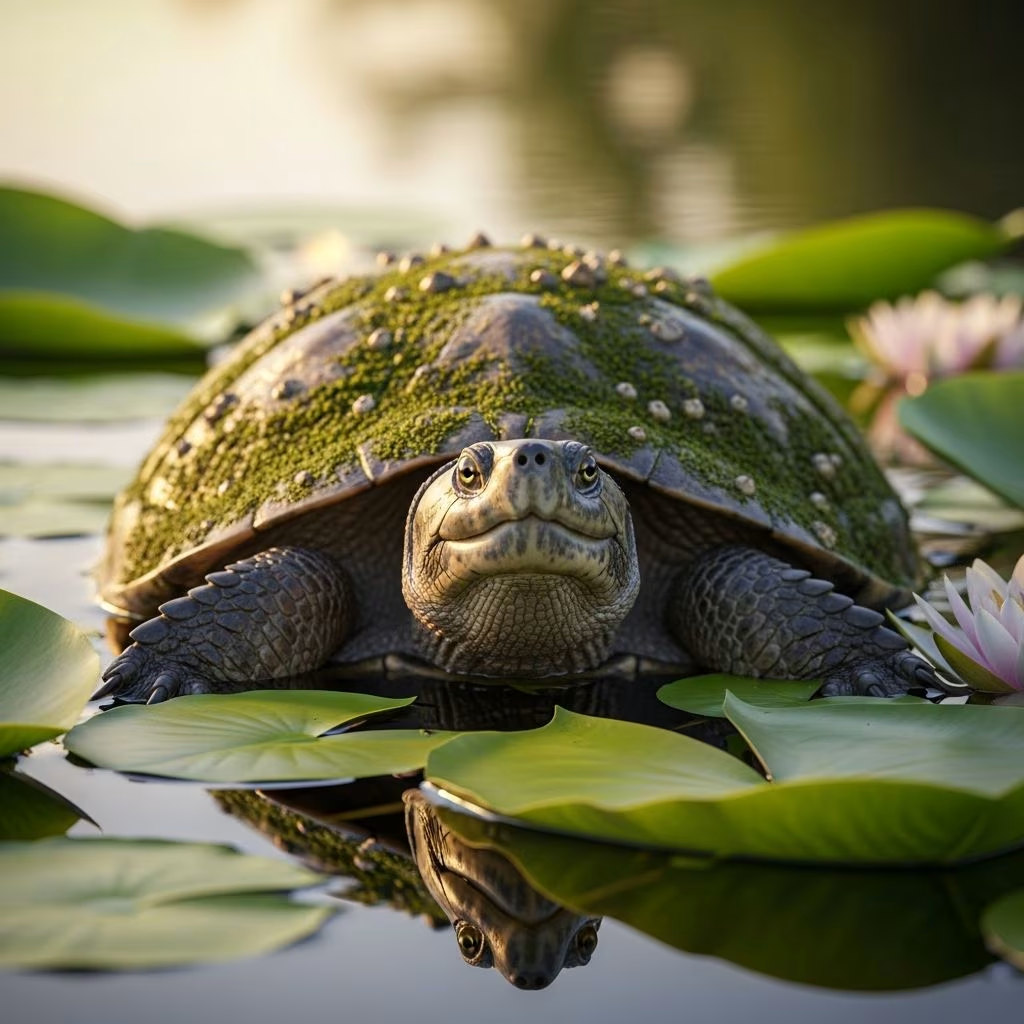
How Long Do Turtles Live? A Comprehensive Lifespan Guide
Turtles and tortoises are among the most long-lived reptiles on the planet, with lifespans that can span multiple human generations. Whether you’re considering adding a turtle to your family or simply curious about these remarkable creatures, understanding their lifespan is essential. The answer to “how long do turtles live?” varies dramatically depending on the species, with some living only 10 to 20 years while others can reach 150 years or more. This comprehensive guide explores the fascinating world of turtle and tortoise longevity, examining the factors that influence their lifespan and providing insights into how to help these amazing pets live their longest, healthiest lives.
Turtle Lifespan by Species
The lifespan of a turtle depends significantly on its species classification. Different turtle varieties have evolved with varying lifespans, reflecting their natural environments and biological adaptations. Understanding these differences helps prospective pet owners make informed decisions about turtle ownership and care commitments.
Freshwater Turtles
Freshwater turtles represent one of the most popular categories for pet owners, and their lifespans range considerably within this group.
| Species | Lifespan |
|---|---|
| Box Turtle | 20–50 years |
| Red-eared Slider | 15–30 years |
| Map Turtle | 15–25 years |
| Painted Turtle | 25–50 years |
| Spiny Softshell Turtle | up to 50 years |
| Alligator Snapping Turtle | 20–70 years |
| Mud Turtle | 10–15 years |
| Mata Mata Turtle | 40–75 years |
| Reeves Turtle | up to 20 years |
| Spotted Turtle | over 100 years possible |
Red-eared sliders and map turtles are popular beginner-friendly options with moderate lifespans of 15 to 30 years. Box turtles and painted turtles can live for several decades with proper care, making them excellent long-term companions. Some species, like the alligator snapping turtle and Mata Mata turtle, have particularly impressive lifespans that can extend well into their senior years.
Sea Turtles
Sea turtles, adapted to oceanic life, generally live longer than freshwater varieties. These marine reptiles require 40 to 50 years to reach sexual maturity, which means their lifespans often extend at least 60 to 70 years. Some sea turtle species, such as the green sea turtle, can live up to 80 years or beyond in the wild.
Tortoise Lifespan by Species
Tortoises are renowned for their exceptional longevity, often outliving their owners by decades. These land-dwelling reptiles have evolved biological mechanisms that allow them to age remarkably slowly, making them some of the longest-lived terrestrial animals on Earth.
Giant Tortoises
Giant tortoises represent the upper echelon of reptile longevity. The Galápagos giant tortoise and Aldabra giant tortoise are the most famous examples, capable of living more than 150 years. In some documented cases, these remarkable creatures have reached 200 years or more, making them living archives of history.
Other Tortoise Species
| Species | Lifespan |
|---|---|
| Leopard Tortoise | 100 years or more |
| Greek Tortoise | 100 years or more |
| Hermann’s Tortoise | 70–100 years |
| Sulcata Tortoise | 30–50 years (up to 120 years) |
| Horsfield’s (Russian) Tortoise | 50–100 years |
| Mediterranean Tortoise | 50–100 years |
| Egyptian Tortoise | 70–100 years |
| Red-footed Tortoise | 25–50 years |
| Indian Star Tortoise | 60–100 years |
| Yellow-foot Tortoise | 50–90 years |
Desert species like the leopard tortoise and African Sulcata tortoise typically live at least 100 years in ideal conditions. Smaller Testudo species, including Russian tortoises, Greek tortoises, Egyptian tortoises, and Hermann’s tortoises, generally live between 75 and 125 years. Even the “shorter-lived” red-footed tortoises can reach 25 to 50 years of age.
The Genetics Behind Turtle and Tortoise Longevity
Scientific research has revealed fascinating genetic mechanisms that enable turtles and tortoises to live such exceptionally long lives. A groundbreaking study conducted by Yale University, the University of Oviedo in Spain, the Galápagos Conservancy, and the Galápagos National Park Service provided key insights into the genetics of tortoise longevity by analyzing the genome of Lonesome George, the last known individual of the Chelonoidis abingdonii species.
Enhanced DNA Repair Mechanisms
Cells accumulate damage over time, leading to aging and disease. Giant tortoises possess gene variants that enhance DNA repair capabilities, significantly reducing mutations that can lead to cancer and age-related deterioration. This superior repair system allows their cells to maintain integrity throughout their extended lifespans, protecting them from the molecular damage that typically accelerates aging in other species.
Cancer Suppression Genes
Unlike many other vertebrates, tortoises have evolved sophisticated mechanisms to suppress tumor formation. These specialized genes increase their chances of living longer, healthier lives by preventing the uncontrolled cell growth that characterizes cancer. This genetic advantage provides tortoises with natural protection against one of the most significant age-related threats.
Stronger Immune Responses
A robust immune system helps tortoises fight infections and recover from illnesses more effectively than shorter-lived animals. Genetic variants enhance their immune response capabilities, allowing them to combat pathogens and maintain health despite their extended lifespans. This strengthened immunity contributes significantly to their remarkable longevity.
Biological Factors Contributing to Slow Aging
Beyond genetics, several biological and environmental factors contribute to the slow aging process observed in turtles and tortoises, making them ideal subjects for longevity research.
Low Metabolic Rate
Tortoises and turtles maintain a slow metabolism, burning energy at a much lower rate than most other animals. This reduced metabolic rate decreases oxidative stress and cellular damage, which are major contributors to aging. A slower metabolism also allows turtles to survive longer periods without food or water, making them highly resilient to harsh environmental conditions. This metabolic efficiency is particularly advantageous in desert environments where resources are scarce.
Protective Shells
The turtle’s shell serves as an armor-like defense mechanism, protecting them from predators, extreme weather, and environmental hazards. This remarkable adaptation significantly reduces their mortality rate, as turtles are far less likely to suffer fatal injuries compared to animals that rely on speed or aggression for survival. Unlike creatures constantly threatened by predators, turtles’ natural armor allows them to age with minimal external threats, contributing substantially to their extended lifespans.
Minimal Predation in Adulthood
Once turtles and tortoises reach adulthood, they face very few natural predators, primarily because of their large size and tough shells. Unlike many other species that contend with continuous predatory threats throughout their lives, adult turtles can roam relatively unchallenged in their environments. This protection from predation allows them to live for decades without significant external dangers, preserving their energy for growth and reproduction rather than constant defensive behaviors.
Efficient Stress Response
Turtles and tortoises have evolved a unique ability to tolerate extreme conditions, including prolonged droughts, food scarcity, and fluctuating temperatures. They efficiently store nutrients and water, allowing them to survive in harsh environments where other animals might perish. Their capacity to enter a state of metabolic dormancy during unfavorable conditions reduces cellular damage and conserves energy, further extending their lifespan and enabling them to thrive in challenging ecosystems.
Comparing Turtle Longevity to Other Species
When examined alongside other long-lived animals, turtles and tortoises occupy a unique position in the longevity spectrum. While Greenland sharks can live 300 years and bowhead whales exceed 200 years, turtles still represent remarkable examples of extended lifespans among more commonly encountered animals. Their longevity exceeds that of most mammals, including humans, who typically live around 80 years.
Factors Affecting Turtle and Tortoise Lifespan in Captivity
The actual lifespan of captive turtles and tortoises depends heavily on the quality of care provided. Several critical factors can extend or significantly shorten their lives.
Genetics and Species Selection
Genetic predisposition plays a crucial role, as different species have inherently different lifespans. Prospective owners should select species appropriate for their long-term commitment, understanding that some turtles will outlive their owners.
Proper Diet
Nutrition is fundamental to turtle health and longevity. Species-specific diets should include appropriate vegetables, protein sources, and supplements. Nutritional deficiencies can lead to serious health complications and shortened lifespans.
Optimal Temperature and Humidity
Each species requires specific environmental conditions to thrive. Maintaining proper temperature ranges and humidity levels is essential for metabolic function and overall health. Temperature fluctuations or improper humidity can cause stress and health complications.
Adequate UVB Lighting
UVB lighting is critical for calcium metabolism and bone health. Without proper lighting, turtles can develop metabolic bone disease, a serious condition that can significantly shorten their lifespans. Providing appropriate UVB exposure is non-negotiable for long-term health.
Spacious Housing
Adequate tank size and environmental enrichment are essential for physical and mental well-being. Enclosures should provide space for natural behaviors like swimming, basking, and digging, promoting activity levels necessary for maintaining health throughout their extended lives.
Regular Veterinary Care
Regular check-ups with a reptile veterinarian help monitor health and address potential issues early. Professional care can identify and treat diseases before they become life-threatening, significantly extending lifespan.
Water Quality
For aquatic and semi-aquatic species, water quality is paramount. Clean water maintained at appropriate temperatures prevents infections and supports overall health. Regular water changes and filtration are essential maintenance tasks.
Maximizing Your Turtle or Tortoise’s Lifespan
Pet owners committed to providing excellent care can help their turtles and tortoises live their maximum potential lifespans. This requires dedication to understanding species-specific needs and maintaining consistent care protocols.
Hydration
Even tortoises living in arid environments require regular access to fresh water. Provide shallow bowls where they can drink and soak, ensuring they maintain proper hydration levels essential for bodily functions.
Appropriate Substrate and Décor
Use species-appropriate substrates and provide naturalistic décor that encourages normal behaviors. This enrichment supports physical activity and psychological well-being, contributing to overall health and longevity.
Exercise and Activity
Turtles are active animals requiring space to swim and explore. Ensure enclosures are sufficiently large to accommodate free movement and opportunities for natural behaviors. Regular activity maintains muscle tone and supports cardiovascular health.
Seasonal Adjustments
Some species require seasonal temperature and lighting adjustments to simulate natural cycles. These adjustments support proper breeding behavior and metabolic function, contributing to overall health and longevity.
Frequently Asked Questions About Turtle Lifespans
Q: Can turtles live over 100 years?
A: Yes, many tortoise species regularly live over 100 years in ideal conditions. Giant tortoises can exceed 150 years, while some sea turtles and spotted turtles can also live well over a century.
Q: What is the longest-lived turtle species?
A: Giant tortoises, specifically the Galápagos and Aldabra species, hold the record for longest-lived turtles, with documented lifespans exceeding 150 years and occasionally reaching 200 years or more.
Q: Do pet turtles live longer than wild turtles?
A: Pet turtles can potentially live longer than their wild counterparts when provided with excellent care, consistent nutrition, appropriate environmental conditions, and regular veterinary attention. However, they may also live shorter lives if care is inadequate.
Q: How can I help my turtle live longer?
A: Provide species-appropriate diet and environment, maintain proper temperatures and UVB lighting, ensure adequate space for activity, offer regular veterinary care, maintain water quality, and provide enrichment opportunities. Consistent, high-quality care is the key to maximizing lifespan.
Q: Do different turtle species have very different lifespans?
A: Yes, lifespan varies dramatically by species. Some freshwater turtles live only 10–20 years, while others live 50+ years. Tortoises typically live significantly longer, often 50–150+ years depending on species.
Q: Why do tortoises live so much longer than other reptiles?
A: Tortoises possess unique genetic adaptations including enhanced DNA repair, cancer suppression genes, and strengthened immune responses. Combined with slow metabolism, protective shells, and minimal predation in adulthood, these factors enable their exceptional longevity.
References
- Why Do Tortoises Live So Long? Unraveling the Genetic Secrets of Longevity — Lab Manager, Yale University, University of Oviedo, Galápagos Conservancy, and Galápagos National Park Service. 2024. https://www.labmanager.com/in-death-lonesome-george-reveals-why-giant-tortoises-live-so-long
- How Long Do Turtles and Tortoises Live? — PetMD. 2024. https://www.petmd.com/reptile/how-long-do-turtles-and-tortoises-live
- Turtle – Longevity, Adaptations, Conservation — Britannica. 2024. https://www.britannica.com/animal/turtle-reptile/Longevity
- How Long Do Tortoises and Turtles Live? — Animal Hotels. 2024. https://animalhotels.com/gb/blog/reptiles-and-amphibian/how-long-do-tortoises-and-turtles-live
- Tortoise Lifespan — Tortoise Town. 2024. https://www.tortoisetown.com/tortoise-lifespan/
- Learning About Aging from Turtles and Other Cold-Blooded Critters — MedlinePlus Magazine. 2024. https://magazine.medlineplus.gov/article/learning-about-aging-from-turtles-and-other-cold-blooded-critters
- Species Spotlight: Facts and Myths About Turtles — Greater Good. 2024. https://greatergood.org/blog/species-spotlight-facts-and-myths-about-turtles



