

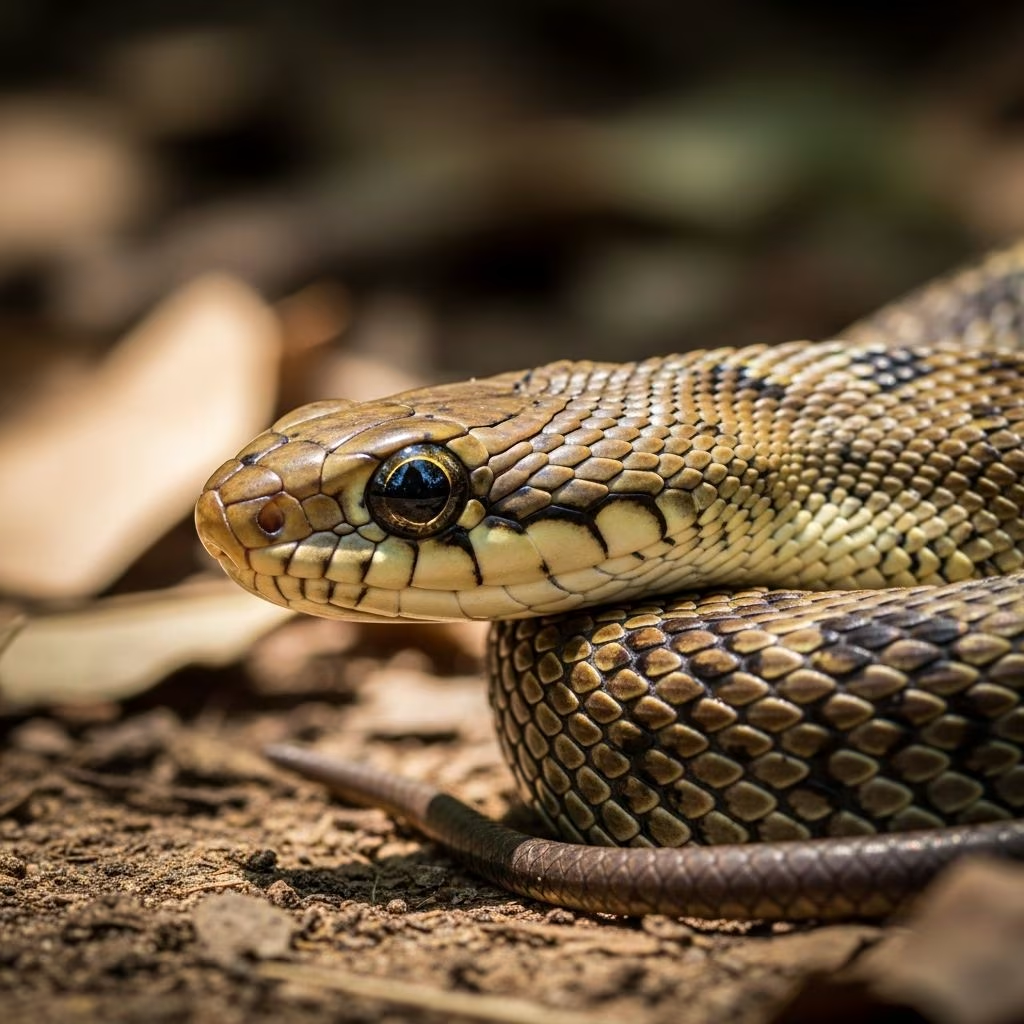
How Long Do Snakes Live: Understanding Snake Lifespans
Snakes are fascinating reptiles with lifespans that vary dramatically depending on their species, habitat, and environmental conditions. Whether you’re considering a snake as a pet or simply curious about these remarkable creatures, understanding how long snakes typically live is essential for proper care and realistic expectations. The lifespan of a snake can range from just a few years to several decades, with factors such as species, diet, temperature, and living conditions playing significant roles in determining longevity.
Average Snake Lifespan in the Wild vs. Captivity
Snake lifespans differ significantly between wild and captive environments. In the wild, most snakes live between 5 to 15 years on average, though this varies considerably by species and habitat conditions. Species commonly found in human settlements, such as garden snakes, typically have shorter lifespans of around 8-10 years due to habitat disturbance, road accidents, and human conflict. In contrast, snakes that live in captivity with proper care often enjoy extended lifespans because they benefit from controlled diets, protection from predators, regulated temperatures, and veterinary care when needed.
Lifespan by Snake Species
Python Species: The Longest-Living Snakes
Pythons are among the longest-lived snake species available in the pet trade. These non-venomous constrictors can live 25 to 40 years, with some documented cases of pythons exceeding 40 years in captivity. Their extended lifespan can be attributed to their slow metabolism, powerful constriction abilities that enable efficient prey capture, and relatively low risk of predation in many habitats. In captivity, with controlled diet and protection from environmental stressors, pythons thrive and can reach their maximum potential lifespan.
Ball Pythons
Ball pythons are popular pet snakes known for their docile temperament and relatively long lifespan. These snakes typically live 20-30 years in captivity when provided with optimal care. Their longevity depends heavily on five critical factors: temperature, hygiene, safety, diet, and humidity. Ball pythons require precise temperature control, as they are ectothermic creatures whose immune systems function properly only when adequately warmed. Common causes of death in captive ball pythons include respiratory infections, anorexia, scale rot, and heart disease, many of which are preventable through proper care.
California King Snakes
California King Snakes are hardy, adaptable reptiles that make excellent pets for experienced keepers. With proper care, these snakes can live 20-30 years, with some individuals exceeding this range. Their longevity is supported by their hardy nature and adaptability to various environments, making them relatively forgiving for keepers who maintain appropriate care standards.
Venomous Species
Venomous snakes such as the Common Krait, Cobra, Russell’s Viper, and Saw-Scaled Viper tend to survive longer than many other snake species, often exceeding 15 years in the wild. Their extended lifespans can be attributed to their elusive nature, limited interaction with humans, and exceptional adaptability to wild habitats. These species rarely encounter the predators or human conflicts that reduce lifespans in other snake populations.
Garden Snakes
Garden snakes and other species frequently found in human settlements typically have shorter lifespans of 8-10 years. These snakes face numerous challenges including habitat loss, road accidents, and deliberate killing by humans, all of which significantly reduce their average lifespan compared to more elusive species.
Factors Affecting Snake Lifespan
Environmental Habitat Factors
The environment plays a crucial role in determining how long snakes survive and thrive. Snakes living in human-populated areas face high risks of habitat loss, road accidents, and deliberate killing, which shortens their lifespan. In contrast, snakes in protected forests and wilderness areas benefit from abundant food sources and safer conditions that allow them to live longer. Climate stability and prey availability are also significant factors—snakes in areas with stable prey sources and mild climates tend to live longer than those in harsh or unstable ecosystems.
Temperature Control
Temperature is one of the most critical factors influencing snake lifespan, particularly for captive snakes. As ectothermic reptiles, snakes require appropriate external heat to fuel their immune system. When snakes don’t receive adequate warmth, their immune function becomes compromised, making them susceptible to diseases and infections. Maintaining optimum temperatures specific to each species is essential for supporting immune function and promoting longevity in captive snakes.
Diet and Nutrition
A proper diet is fundamental to snake longevity. Snakes should receive appropriately-sized prey items at intervals suited to their species and age. Inconsistent feeding, poor diet quality, or feeding inappropriate prey sizes can lead to nutritional deficiencies and health complications. Snakes that receive consistent, proper nutrition throughout their lives are more likely to achieve their maximum potential lifespan.
Enclosure and Hygiene
The quality of a snake’s enclosure directly impacts its health and longevity. A well-suited environment with optimum temperature, humidity, and adequate space contributes significantly to the overall well-being of pet snakes. Maintaining proper hygiene in the enclosure, including regular substrate changes and cleaning, prevents bacterial and fungal infections such as scale rot. Poor enclosure conditions can lead to respiratory infections and other health issues that shorten a snake’s lifespan.
Humidity Levels
Different snake species have varying humidity requirements. Maintaining appropriate humidity levels specific to each species is essential for respiratory health and proper shedding. Improper humidity can lead to respiratory infections and shedding difficulties, both of which negatively impact longevity.
Predation and Human Threats
In the wild, predation significantly impacts snake lifespan. Species with numerous predators have abbreviated lifespans, such as garter snakes that can live up to ten years but typically die within their first year. Additionally, some species face higher hunting pressure from humans. For example, diamondback rattlesnakes are commonly hunted for their skin, which reduces the mean lifespan of these otherwise long-lived snakes.
Stress Factors
Stress compromises a snake’s immune system and contributes to disease development. Creating a calm, secure environment with appropriate hides, minimal handling when unnecessary, and stable conditions reduces stress-related mortality in captive snakes.
How to Determine a Snake’s Age
Accurately determining a snake’s exact age is challenging, as external features can be misleading, particularly after maturity. However, several indicators provide clues about a snake’s approximate age and health status:
Body Size and Growth
Body size is often used to estimate snake age, as larger snakes are generally older. However, growth rates vary between species and individuals, making size alone an unreliable age indicator, particularly for mature snakes whose growth has slowed significantly.
Skin Condition and Coloration
Younger snakes typically have brighter, glossier skin with more vibrant coloration, while older snakes may appear duller with less vivid patterns. However, skin condition is influenced by factors such as hydration, nutrition, and recent shedding, so it cannot be used as the sole age determinant.
Frequency of Shedding
Younger snakes shed their skin more frequently than mature snakes. However, shedding frequency is influenced by growth rate, temperature, and feeding schedule, making it an imprecise age marker. As snake expert Mahadev explains, after maturity, growth slows significantly, and external features become misleading. Snakes continue shedding throughout their entire lives, so frequency alone is not an accurate age marker but rather provides clues about their overall health and life stage.
Cellular and Genetic Markers
Advanced scientific methods such as telomere analysis can provide insights into snake aging at the cellular level. Telomeres shorten with age, and examining telomere length can indicate cellular aging. Research on snake populations has revealed that species with longer lifespans have underlying cellular physiologies that support free-radical repair mechanisms, contributing to their extended longevity.
Lifespan Comparison Table
| Snake Species | Average Wild Lifespan | Captive Lifespan | Key Longevity Factors |
|---|---|---|---|
| Python | 15-25 years | 25-40+ years | Slow metabolism, apex predator status |
| Ball Python | 15-20 years | 20-30 years | Temperature, humidity, diet |
| California King Snake | 12-18 years | 20-30 years | Hardy nature, adaptability |
| Cobra | 15-20 years | N/A (rarely kept) | Elusive nature, adaptability |
| Garden Snake | 8-10 years | 10-15 years | Habitat quality, human conflicts |
| Garter Snake | 2-5 years | 10 years | High predation, fast reproduction |
Evolutionary Perspectives on Snake Longevity
Research on snake populations reveals that longevity is an evolutionary trait shaped by environmental pressures and life history strategies. Different snake populations have evolved distinct aging phenotypes based on their mortality environments. For example, some populations experience high predation or unpredictable food availability, leading to early maturation and shorter lifespans. Conversely, populations with stable environments and lower extrinsic mortality have evolved slower growth rates, later sexual maturation, and extended lifespans. Understanding these evolutionary patterns helps explain why certain snake species are inherently longer-lived than others.
Maximizing Your Pet Snake’s Lifespan
To achieve the longest possible lifespan for a pet snake, several care practices are essential:
Provide Species-Appropriate Care
Research your snake’s specific species requirements for temperature, humidity, diet, and enclosure size. Every species has unique needs, and meeting these requirements is fundamental to longevity.
Maintain Optimal Environmental Conditions
Ensure temperature gradients, humidity levels, and enclosure setup closely resemble the snake’s natural habitat. A well-suited environment is one of the most important factors in supporting snake health and longevity.
Provide Consistent, Quality Nutrition
Feed appropriately-sized prey at intervals suited to your snake’s species and age. Consistency in feeding promotes stable growth and supports immune function.
Maintain Rigorous Hygiene Standards
Regular enclosure cleaning and substrate changes prevent bacterial and fungal infections. Proper hygiene supports respiratory health and overall well-being.
Minimize Stress
Provide adequate hiding places, minimize unnecessary handling, and maintain stable environmental conditions to reduce stress-related immune compromise.
Monitor Health Regularly
Watch for signs of respiratory infections, scale rot, feeding difficulties, or behavioral changes. Early intervention can prevent minor health issues from becoming serious complications.
Frequently Asked Questions
Q: What is the longest-living snake species?
A: Pythons are the longest-living snake species, with lifespans of 25 to 40 years or more in captivity. Ball pythons and reticulated pythons are particularly long-lived, often reaching 25-30 years or more with proper care.
Q: How long do snakes live in the wild compared to captivity?
A: Most wild snakes live 5 to 15 years on average, while captive snakes often live significantly longer—sometimes 10-20+ years longer—due to controlled environments, consistent food sources, protection from predators, and veterinary care.
Q: What is the most important factor for snake longevity in captivity?
A: Temperature is the most critical factor, as snakes are ectothermic and require appropriate external heat to fuel their immune system. Inadequate temperature compromises immune function and leads to disease susceptibility.
Q: Can you determine a snake’s exact age?
A: Determining a snake’s exact age is challenging. External features like size, skin condition, and shedding frequency provide clues about approximate age, but are not reliable indicators, especially after maturity. Advanced cellular analysis such as telomere examination can provide more accurate age estimation.
Q: What causes early death in captive snakes?
A: Common causes include respiratory infections, improper temperature and humidity, poor diet, inadequate enclosure conditions, scale rot, anorexia, heart disease, and high stress levels. Most are preventable through proper husbandry.
Q: Do all snake species live equally long?
A: No. Lifespan varies dramatically by species. Pythons can live 25-40+ years, while garden snakes average 8-10 years, and garter snakes often live only 2-5 years in the wild. Species-specific care requirements are essential for supporting maximum lifespan.
Q: How does habitat affect wild snake lifespan?
A: Protected forests and stable habitats with abundant prey support longer lifespans. Human-populated areas with habitat loss, road accidents, and deliberate killing significantly reduce snake lifespan.
References
- How long do snakes live: Python leads with 40-year lifespan and expert survival secrets revealed — Times of India ETimes. 2024-10-31. https://timesofindia.indiatimes.com/etimes/trending/how-long-do-snakes-live-python-leads-with-40-year-lifespan-and-expert-survival-secrets-revealed/articleshow/122974806.cms
- How long do Ball Pythons live? Pay attention to these 5 factors for longevity — Educational Video Resource. Accessed 2025-11-28. https://www.youtube.com/watch?v=ifJmeLEqso8
- The evolution of aging phenotypes in snakes: a review and synthesis — National Center for Biotechnology Information (NCBI). Published in PubMed Central. https://pmc.ncbi.nlm.nih.gov/articles/PMC2527626/
- Snake Longevity — American Society of Herpetologists (ASP). https://www.snakes.ngo/longevity/
- Snake Lifespan Factors and Mortality in the Wild — Trutech Wildlife Service. https://www.trutechinc.com/snake-lifespan/
- Top 5 Factors That Determine California King Snake Lifespan — Vivariam. https://www.vivariam.com/blog/california-king-snake-care
- Ball Python Lifespan in Captivity — Wilbanks Reptiles. https://www.wilbanksreptiles.com/blogs/ball-pythons/ball-python-lifespan-in-captivity-wilbanks-reptiles



