

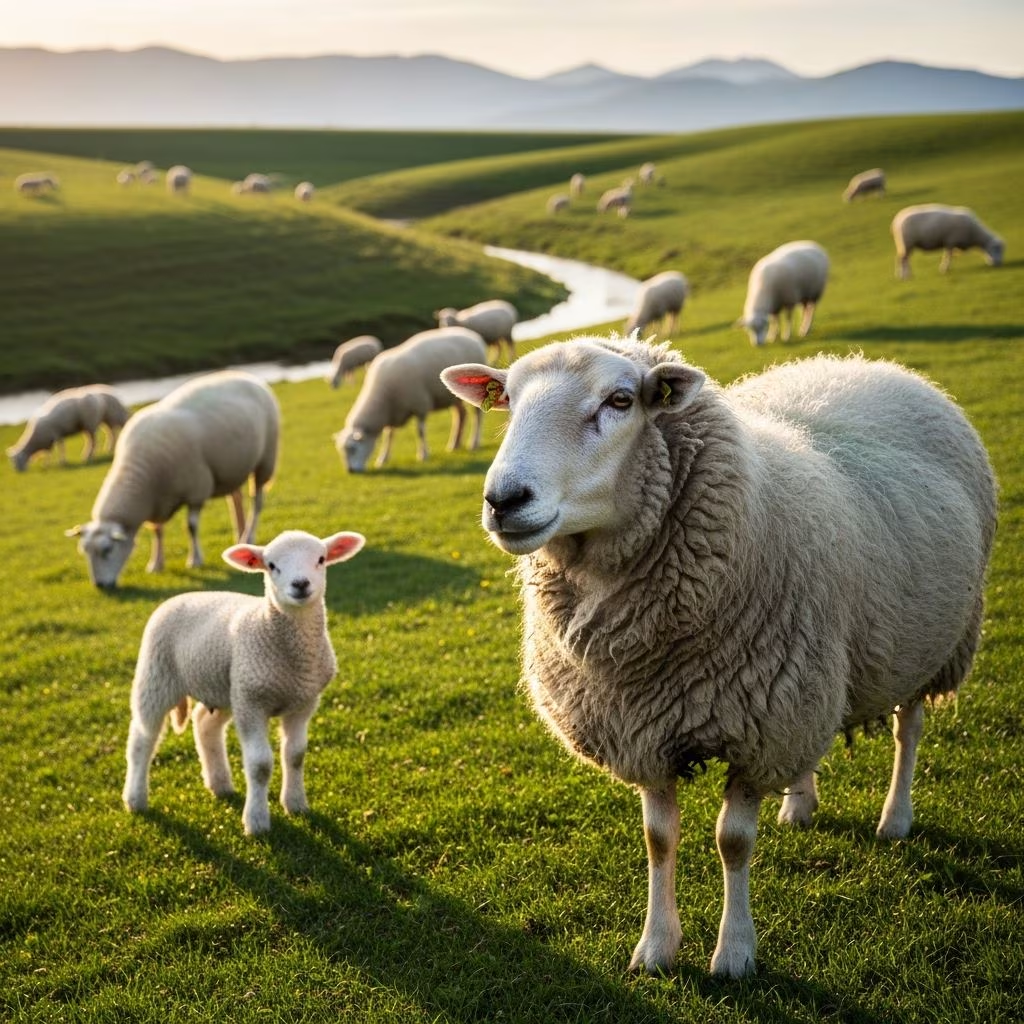
How Long Do Sheep Live: Understanding Sheep Lifespan and Longevity
Sheep are valuable farm animals that provide wool, meat, and milk to farmers and producers worldwide. Understanding their lifespan is essential for proper herd management and long-term planning. The typical lifespan of domestic sheep ranges from 10 to 12 years, though some individuals may live considerably longer with optimal care and favorable conditions.
Average Sheep Lifespan
Most domestic sheep live between 10 and 12 years when maintained in standard farming conditions. However, individual variation exists, and some sheep may reach 15 years or beyond with exceptional care and attention to their health and nutritional needs. The productive lifespan of breeding ewes often differs from their total lifespan, as many farmers cull animals based on reproductive performance rather than age alone.
Certain breeds show variation in longevity. For example, Dorper sheep, known for their hardiness and meat production capabilities, typically live 10 to 12 years on average, with some individuals potentially exceeding this range when provided excellent care and proper management practices.
Determining Sheep Age by Examining Teeth
A practical method for estimating sheep age involves examining their front teeth. Young sheep begin life with milk teeth that are gradually replaced by larger, permanent adult teeth over time. This process follows a predictable pattern that allows farmers and veterinarians to estimate age relatively accurately.
During the first few years of life, sheep develop a complete set of eight adult front teeth through a regular replacement cycle. Each year, a pair of milk teeth is replaced by larger adult teeth. By approximately four years of age, sheep have their complete set of permanent front teeth. This dental development pattern serves as a reliable age indicator during the early years of a sheep’s life.
As sheep age beyond four years, the front teeth gradually diminish and are slowly lost. This dental deterioration presents significant challenges for aging animals, as reduced tooth mass makes grazing and consumption of coarser forage increasingly difficult. The difficulty in eating can compromise overall health and reduce productivity, which is why many farmers focus on herd management strategies around this critical age point.
Factors Affecting Sheep Lifespan
Multiple interconnected factors influence how long sheep live and their overall quality of life. Understanding these factors allows farmers to implement management strategies that maximize longevity and productivity.
Nutrition and Diet Quality
Proper nutrition stands as one of the most critical factors affecting sheep longevity. Sheep primarily consume grasses in both natural pasture form and dried hay, particularly during winter months. Quality forage forms the foundation of a healthy sheep diet and supports overall well-being throughout their lifespan.
Inadequate grass intake or improper feeding practices can lead to serious health complications. Sheep receiving insufficient quantities of quality forage may develop nutritional deficiencies that compromise their immune systems and overall health. Conversely, overfeeding or providing toxic plant material, such as excessive alfalfa hay and certain grains, can result in obesity, bladder stones, and other metabolic disorders.
Minerals and vitamins play essential roles in maintaining sheep health. Access to clean, fresh water at all times is non-negotiable for optimal health outcomes. Feed provided to sheep must be carefully formulated, as many mineral supplements and feeds designed for cattle, poultry, and pigs contain copper levels that are toxic to sheep.
Healthcare Management
Regular preventive healthcare practices significantly extend sheep lifespan and maintain productive capacity. Vaccinations against common diseases protect flocks from serious illnesses that could otherwise prove fatal or severely limit productivity. Common vaccination targets include protection against coccidiosis and other infectious diseases prevalent in sheep populations.
Deworming programs and parasite prevention measures are essential components of comprehensive healthcare. Internal parasites can severely compromise nutrition absorption and overall health, particularly in younger animals. Regular monitoring for signs of parasitic infection and implementation of appropriate treatment protocols helps maintain herd health.
Stress reduction also plays a vital role in sheep longevity. Excessive stress—whether from restraint, isolation, loud noises, novel situations, pain, heat, or extreme cold—triggers cortisol secretion that can compromise immune function and overall welfare. Maintaining calm, consistent handling practices and providing comfortable environmental conditions supports long-term health.
Genetics and Breeding
Genetic factors significantly influence individual sheep longevity, with certain bloodlines predisposed to longer lifespans. Birth type and size affect longevity differently depending on breed and production system. Ewes born in smaller litters have shown increased longevity in some studies, though this relationship varies by breed and environmental conditions.
Age at first lambing represents another important genetic and management factor affecting productive lifespan. The relationship between early reproductive activity and longevity varies based on breed characteristics and environmental conditions, reflecting complex interactions between genetics and management practices.
Housing and Environmental Conditions
Appropriate shelter protects sheep from extreme weather conditions that could otherwise compromise health and reduce lifespan. Proper housing provides protection from excessive heat, cold, wind, and precipitation while maintaining adequate ventilation to prevent respiratory issues. Clean, dry bedding reduces disease transmission and promotes comfort.
Environmental management practices influence stress levels and overall welfare. Maintaining consistent routines, providing adequate space, and creating calm living conditions all contribute to improved longevity outcomes.
Reproductive History
The productive lifespan of breeding ewes—defined as the period between first and last lambing—represents an important economic consideration in sheep production. Research on Katahdin sheep found that most ewes with strong productive longevity produced their highest number of lambs when between 4 and 6 years of age, indicating that continued reproduction generally supports health and longevity when managed appropriately.
Lambing interval, litter size, and number of lambing events all influence ewe longevity. Ewes experiencing reproductive complications or health issues may be culled earlier than their potential lifespan would otherwise suggest, making health management during breeding crucial for extended productive life.
Peak Productive Years for Sheep
While sheep may live 10 to 12 years or longer, their most productive years typically occur during middle age. For breeding ewes, the period between 4 and 6 years of age often represents peak reproductive performance, with optimal lamb production and weaning rates. This window of maximum productivity makes understanding longevity particularly important for flock management decisions.
After approximately four years of age, domestic sheep on normal pasture begin a gradual decline in health and productivity. This decline correlates with dental deterioration and increased difficulty consuming adequate forage. While sheep may continue living beyond this point, management considerations often shift to accommodate reduced productivity.
Extending Sheep Lifespan Through Proper Management
Several management strategies can help extend sheep lifespan and maintain productivity:
Nutritional Excellence
Providing consistent access to quality forage, supplemented with appropriate minerals and vitamins, forms the foundation of longevity. Ensuring adequate fresh water at all times supports metabolic function and overall health. Monitoring individual animals for signs of nutritional deficiency allows early intervention.
Preventive Healthcare
Implementing comprehensive vaccination programs, regular deworming, and parasite monitoring protects sheep from common health threats. Working with veterinary professionals to develop breed-specific and season-specific healthcare plans maximizes effectiveness.
Stress Minimization
Maintaining calm handling practices, consistent routines, and comfortable environmental conditions reduces stress-related health issues. Providing adequate space, appropriate shelter, and protection from predators contributes to overall welfare and longevity.
Selective Breeding
Breeding for longevity traits, when economically feasible, can gradually improve herd longevity. Selecting breeding stock from longer-lived parent animals and diverse genetic backgrounds supports sustained improvement over generations.
Frequently Asked Questions About Sheep Lifespan
Q: What is the average lifespan of domestic sheep?
A: Domestic sheep typically live 10 to 12 years when maintained in standard farming conditions. Some individuals may reach 15 years or beyond with exceptional care.
Q: How can I tell how old a sheep is?
A: During the first few years, sheep age can be estimated by examining front teeth. Each year, a pair of milk teeth is replaced by larger adult teeth. By age four, sheep have a complete set of eight permanent front teeth.
Q: What factors most affect sheep lifespan?
A: Key factors include nutrition quality, healthcare management, genetics, housing conditions, environmental stress levels, and reproductive history. Proper management in these areas significantly extends lifespan.
Q: When do sheep experience the most significant decline?
A: Domestic sheep on normal pasture begin gradual health decline around four years of age, corresponding with dental deterioration and increased difficulty consuming forage.
Q: How long do sheep remain productive for breeding?
A: Breeding ewes often demonstrate peak productivity between 4 and 6 years of age. Many are culled before reaching their maximum lifespan based on reproductive performance rather than age alone.
Q: Can pet sheep live longer than farm sheep?
A: When fed and managed properly, pet sheep maintain good health and can live for extended periods within the typical 10 to 12-year range or potentially longer with exceptional care.
Q: What minerals are dangerous for sheep?
A: Copper is a critical concern—feeds and supplements designed for cattle, poultry, and pigs often contain copper levels lethal to sheep. Salt licks and mineral supplements must be specifically formulated for sheep.
Q: How important is dental health for sheep longevity?
A: Dental health is extremely important. As sheep age and teeth deteriorate, their ability to graze effectively diminishes, potentially compromising nutrition and overall health. Monitoring dental condition helps identify animals needing special feeding management.
References
- Sheep Lifespan: How Long Do Sheep Live? — A-Z Animals. Retrieved November 2025. https://a-z-animals.com/blog/sheep-lifespan-how-long-do-sheep-live/
- Sheep — Wikipedia. Retrieved November 2025. https://en.wikipedia.org/wiki/Sheep
- Factors affecting the length of productive life in U.S. Katahdin ewes — Journal of Animal Science. Oxford University Press. 2024. https://doi.org/10.1093/jas/skae361
- Genome-wide associations with longevity and reproductive traits in sheep — National Center for Biotechnology Information. Retrieved November 2025. https://pmc.ncbi.nlm.nih.gov/articles/PMC11163081/
- Dorper Sheep Lifespan & Care Tips — Toltrazuril Shop. Retrieved November 2025. https://toltrazurilshop.com/dorper-sheep-lifespan-guide/
- Sheep as Pets — Sheep 201. Retrieved November 2025. https://www.sheep101.info/201/pets2.html



