

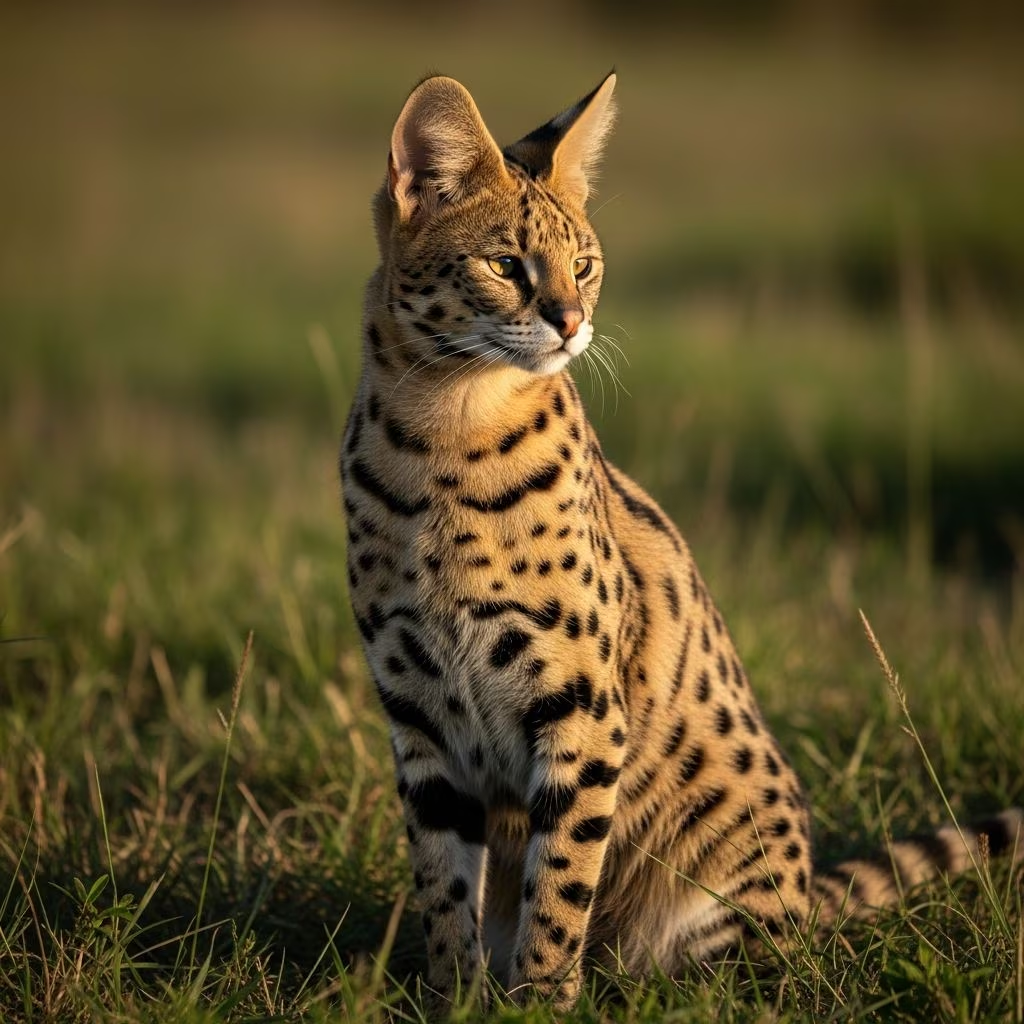
Savannah cats, the striking hybrid breed resulting from crosses between domestic cats and African servals, typically live 12–15 years on average, though many exceed this and reach 20 years or more with proper care. These athletic, social felines combine wild aesthetics with domestic temperaments, demanding active lifestyles to thrive. Known for their large size—often 12–20 pounds, with F1 males up to 30 pounds—Savannahs require tailored nutrition, stimulation, and veterinary oversight to achieve their full lifespan potential.
What’s the Average Lifespan of a Savannah Cat?
The consensus across veterinary and breed resources places the average Savannah cat lifespan at 12–15 years, with exceptional individuals living into their 20s. This longevity mirrors healthy domestic cats but benefits from the serval’s robust genetics, as captive servals often reach 20 years. Factors like generation (F1 being closest to wild ancestry) influence health risks; early generations (F1/F2) face higher chances of conditions like hypertrophic cardiomyopathy (HCM), a heart muscle thickening disease, and portosystemic shunts (liver vascular abnormalities), though these are not breed-defining. Most Savannahs enjoy vigorous health, supported by routine care, distinguishing them as one of the healthier hybrid breeds.
Longevity data is still emerging due to the breed’s relative newness—recognized by The International Cat Association in 2001—but owner reports and claims data consistently affirm 12–20 years as typical. Indoor living, high-quality diets, and preventive healthcare are pivotal in pushing towards the upper end of this range.
The 3 Likely Reasons Why Some Savannah Cats Live Longer Than Others
While genetics play a role, nutrition, environment, and healthcare are the primary modifiable factors determining why some Savannahs outlive averages. Hereditary issues occur but are mitigated through breeder screening and vigilant ownership. Here’s a deeper dive:
1. Nutrition
Savannah cats, as obligate carnivores, thrive on high-protein, animal-derived diets meeting their elevated energy needs. F1 and F2 generations are prone to calcium deficiencies and skeletal issues due to hybrid vigor challenges, necessitating vet-guided balancing of calcium-phosphorus ratios for bone health. Adults require 30–40% protein from quality sources like meat, avoiding grain-heavy fillers that could lead to obesity or nutrient gaps.
Seniors benefit from adjusted formulas: lower protein to match reduced activity, enriched with antioxidants, joint-supporting glucosamine, and omega-3s for mobility and cardiac health. Proper portion control prevents obesity, a risk factor for diabetes and heart disease. High-quality commercial foods or raw diets (under supervision) correlate with fewer chronic illnesses, potentially adding years.
2. Indoor or Outdoor
Indoor Savannahs live 15–17 years on average, vastly outpacing outdoor counterparts, who rarely exceed 5 years due to traffic, predators, toxins, and infectious diseases like feline leukemia. These high-energy cats need secure indoor enrichment—tall cat trees, puzzle feeders, and leash training for safe outdoor access—to curb stress and boredom, which shorten lifespans.
Active environments with daily play mimic their serval heritage, preventing obesity and behavioral issues. Stress from inadequate stimulation elevates cortisol, weakening immunity over time.
3. Healthcare
Routine veterinary care is non-negotiable for longevity. Annual exams, vaccinations, and early screenings for HCM (via echocardiograms, especially in F1–F3) detect issues proactively. Claims data highlights common concerns: cancer, respiratory infections, stomatitis (mouth inflammation), asthma, and gastrointestinal upset.
Spaying/neutering reduces cancer risks, while dental care prevents stomatitis progression. Exotic-savvy vets address unique needs, like monitoring for shunts in early generations via bloodwork. Parasite prevention and prompt illness intervention compound into decades of health.
The 4 Life Stages of a Savannah Cat
Savannahs mature slower than typical domestics, spanning distinct phases. Understanding these helps tailor care for optimal lifespan.
1. Newborn
The first 8 weeks mark the newborn phase: kittens are born blind, deaf, and weighing 6–9 ounces, fully dependent on mother’s milk for immunity and growth. Rapid development includes eye/ear opening (10–14 days), weaning (4–6 weeks), and socialization. Breeders should ensure minimal stress; orphaned kittens need 24/7 bottle-feeding and warmth.
- Key needs: Colostrum for antibodies, frequent feeds (every 2–3 hours), clean environment.
- Weight gain: Double birth weight by week 2.
2. Kitten / Juvenile
From 2–12 months, explosive growth occurs, but Savannahs extend adolescence to 3 years, reaching full size later. High-protein kitten food fuels this; monitor for nutritional secondary hyperparathyroidism in early generations.
- Play drive peaks: Provide climbing structures, toys for athleticism.
- Vaccinations: Core series at 6–8 weeks, boosters.
- Socialization: Critical for dog-like sociability.
3. Adult
Adulthood (1–10 years) showcases peak energy; maintain high-protein/fat diets for sustained activity. Monitor weight—F3+ adults 12–20 lbs—as excess predicts health woes.
- Exercise: 30–60 minutes daily interactive play.
- Health checks: Biannual for active lifestyles.
Some show aging signs by year 10: subtle activity dips signal senior transition.
4. Mature Adult / Senior
Over 11 years (geriatric post-15), metabolism slows; switch to senior formulas with reduced calories/protein, added fiber for digestion. Arthritis, kidney disease, hypertension, diabetes emerge—manage with blood pressure meds, fluids, pain relief.
- Grooming aid: Brush more; lower litter boxes.
- Comfort: Heated beds, ramps.
Many Savannah seniors remain playful into late teens with support.
How Can You Tell What Life Stage Your Savannah Is In?
Assess via physical/behavioral cues, as Savannahs defy standard timelines.
| Life Stage | Age Range | Key Indicators | Weight (F3+) |
|---|---|---|---|
| Newborn | 0–8 weeks | Blind/deaf initially, nursing, minimal mobility | 6–9 oz |
| Kitten/Juvenile | 2 months–3 years | High energy, growing rapidly, playful exploration | 2–15 lbs |
| Adult | 3–11 years | Full size, peak athleticism, steady weight | 12–20 lbs |
| Senior | 11+ years | Weight loss, reduced activity, grooming needs | 10–18 lbs |
Weight is approximate; consult vets for generation-specific charts. Behavioral shifts like lethargy signal seniors.
Conclusion
Savannah cats enchant with their serval-spotted elegance, long legs, oversized ears, and dog-like devotion, living vibrantly 12–20 years when cared for expertly. Active families suit them best; neglect their stimulation needs, and health suffers. By prioritizing premium nutrition, indoor safety, and lifelong vet partnerships, owners unlock their full, joyful potential. These TICA-recognized gems prove hybrids can blend wild allure with enduring companionship.
Frequently Asked Questions
What is the average lifespan of a Savannah cat?
Savannah cats average 12–15 years, with many reaching 20+ through diligent care.
Do indoor Savannah cats live longer?
Yes, indoor cats live 15–17 years vs. 5 for outdoor due to reduced risks.
What health issues affect Savannah cats?
HCM, liver shunts (early gens), cancer, respiratory issues, per claims data.
How do you care for a senior Savannah?
Adjust diet lower in protein, provide joint support, easier access resting spots.
Are Savannah cats healthy overall?
Yes, one of the healthier breeds, prone to few breed-specific issues.
References
- How Long Do Savannah Cats Live? Average Lifespan, Data & Care — Catster. 2023. https://www.catster.com/cat-health-care/how-long-do-savannah-cats-live/
- How Long Do Savannah Cats Live? Average Lifespan, Data & Care — Hepper. 2023. https://articles.hepper.com/savannah-cat-lifespan-how-long-do-they-live/
- What’s a Savannah Cat? Meet the Breed — ASPCA Pet Insurance. 2023. https://www.aspcapetinsurance.com/resources/savannah/
- Savannah Cat Breed Overview — PetSafe. 2023. https://www.petsafe.com/blog/savannah-cat-breed/
- Savannah Cat Insurance, Care and Health Advice — Everypaw. 2023. https://www.everypaw.com/cat-insurance/cat-breed-guides/savannah-cat-insurance-care-and-health-advice



