How Long Do Rats Live? Lifespan & Care Guide
Discover rat lifespan, life stages, and essential care tips to help your pet live longer.

How Long Do Rats Live?
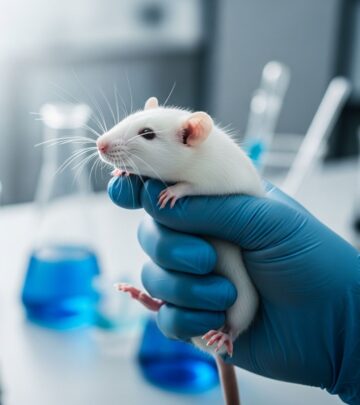
Pet rats are beloved companions for many households, but their time with us is unfortunately limited. Domesticated rats typically live between two and three years, though with exceptional care and attention, some can reach up to four years of age. This relatively short lifespan is one of the most challenging aspects of rat ownership, as it requires owners to prepare emotionally for the inevitable passing of their furry friends.
Female rats tend to have a slight advantage when it comes to longevity, often living longer than their male counterparts. Additionally, females tend to mature earlier than males, which is an important consideration when housing multiple rats together. Understanding these differences can help you provide better care tailored to your specific pet’s needs.
It’s important to note that wild rats have significantly shorter lifespans compared to domesticated fancy rats. Wild rats typically live less than a year due to multiple challenging factors including lack of food and natural resources, inadequate environmental conditions, susceptibility to disease, genetic predispositions, and constant threats from predators. The controlled environment of a home, combined with proper nutrition and veterinary care, makes a dramatic difference in a rat’s overall lifespan.
Understanding Rat Life Stages
Rats progress through three distinct life stages, each with unique characteristics, personality traits, and care requirements. Understanding these stages will help you anticipate your rat’s needs and provide appropriate care throughout their life.
Pups: The Baby Stage
Baby rats, called pups, enter the world in a vulnerable state—born hairless and blind. During the first few weeks of life, pups are entirely dependent on their mother for survival and warmth. Around 12 to 15 days of age, their eyes begin to open, marking an important developmental milestone. This is when pups start becoming aware of their surroundings and begin exploring their immediate environment.
At approximately six weeks old, pups are ready to be weaned and can leave their mother to begin their new lives as pets. This is a critical time for socialization, as early human interaction helps establish trust and bonding. It’s also essential to separate males and females at this age, as rats reach reproductive maturity around six weeks old and can begin breeding at this point.
Adults: The Prime Years
Rats are considered fully grown at six months of age, having reached their adult size and personality. Adult males, referred to as bucks, typically weigh between 16 and 23 ounces, while females, called does, are generally smaller, weighing around 12 to 16 ounces on average. During the adult stage, rats display their characteristic intelligence, playfulness, and curiosity. This is the stage when your rat will be most active and engaged, enjoying games, exploration, and social interaction.
The adult phase typically spans from six months until around two years of age. During this time, rats are at their most energetic and require plenty of mental stimulation and physical activity. Regular handling, playtime outside the cage, and interaction with other rats (if housed together) are essential for maintaining their physical and mental health during this crucial period.
Seniors: The Golden Years
Rats are considered seniors after they reach two years of age. During this stage, you’ll notice a significant shift in their behavior and physical capabilities. Senior rats become less active and may spend more time resting and grooming. They will require increased veterinary attention and may need dietary adjustments to accommodate their changing metabolism.
As rats age, their metabolism naturally slows down, and their kidneys become less efficient at processing protein. This physiological change necessitates a shift in their dietary needs. Older rats typically benefit from a lower-protein diet, with veterinarians often recommending a protein content between 11% to 14%. Additionally, reducing phosphorus intake can help support kidney function in senior rats.
During the senior stage, you may notice behavioral changes such as increased sleeping, reduced appetite, and decreased interest in play. Some rats may also experience hair loss, particularly rex rats, though this is a normal part of aging. It remains important to monitor any significant changes in appearance or behavior, as these could signal underlying health concerns that require veterinary attention.
Essential Care for Extending Your Rat’s Lifespan
While genetics and overall health play important roles in determining how long a rat lives, there are numerous evidence-based care strategies that can significantly extend your pet’s lifespan and improve quality of life.
Diet and Nutrition: The Foundation of Longevity
One of the most impactful factors in extending both a rat’s lifespan and overall health is managing calorie and food intake. Many pet owners inadvertently overfeed their rats, which can lead to obesity and associated health problems. Proper nutrition is crucial, as rats without an appropriate diet are prone to more diseases and will have a shorter overall lifespan.
An ideal rat diet should consist of 14% to 16% protein and approximately 8% fat. However, protein requirements vary by age. Younger rats, around seven months old, require higher protein content to support growth and development, while older rats need less protein as their metabolic demands decrease. It’s essential to follow feeding guidelines on food packaging and weigh your rat weekly to determine the appropriate daily portions based on their individual needs and activity level.
For senior rats experiencing kidney function decline, reducing both protein and phosphorus becomes increasingly important. Most veterinarians recommend consulting with your primary veterinarian to determine the most appropriate diet for your individual rat based on their health status, age, and activity levels. This personalized approach ensures your rat receives optimal nutrition throughout their life.
Socialization and Environmental Enrichment
Rats are inherently social creatures that thrive on interaction with others of their kind. Socialization provides numerous psychological and physical benefits, helping increase overall well-being and reduce stress—factors that directly contribute to a longer lifespan. Even with a spacious enclosure, rats benefit tremendously from regular interaction.
It’s typically recommended to bring home two rats together so they can keep each other company and engaged. Rats enjoy playing games, cuddling with one another, and grooming each other—activities that provide both physical exercise and emotional fulfillment. Creating a rat-safe area in your home for them to explore outside their cage, where they can sniff, run, and hide, provides valuable environmental enrichment that keeps their minds active and engaged.
Daily handling and playtime with your rats strengthen the bond between you and your pets while providing essential mental stimulation. These interactions should be consistent and positive, helping your rats feel secure and loved while combating boredom and stress.
Preventive Veterinary Care
Regular veterinary check-ups are among the most effective ways to ensure your rat lives a long, healthy life. Veterinarians typically recommend visits every six months during a rat’s first 12 to 18 months of life, then every three months as they age or develop longer-term health issues. These visits should include comprehensive physical examinations, blood work, and fecal parasite testing to identify potential health concerns before they become serious.
The key to a long, healthy life is often focusing on disease prevention rather than treatment. Early detection of health issues allows for prompt intervention and better outcomes. During senior years, more frequent veterinary visits become increasingly important as rats are more prone to developing age-related conditions.
Monitoring Health Indicators
As a rat owner, familiarizing yourself with signs of good health will help you catch problems early. A healthy rat should be alert and active with clear, bright eyes. They should have no sneezing, nasal discharge, or eye discharge. Their hair coat should be smooth and even, with no visible lesions or lumps. Teeth should show no signs of overgrowth or asymmetry.
Watch for changes in your rat’s appearance as they age. While it’s common for rex rats to lose hair as they get older, significant hair loss or changes in fur quality could indicate underlying health concerns. Pay attention to appetite changes—while senior rats naturally eat less, a sudden refusal of food could indicate dental problems or other health issues requiring attention. If your rat starts refusing hard food, it may have tooth problems that need professional evaluation.
Common Health Considerations
Female rats face particular health challenges related to hormones. A tremendous number of mammary gland tumors develop in female rats that have not been spayed. Spaying females at a young age is recommended to prevent these hormone-related problems and can significantly extend their lifespan. Similarly, neutering male rats can contribute to longer, healthier lives when combined with proper diet and care.
Rats with proper veterinary care, including spaying or neutering, and fed a high-quality, appropriately-portioned diet can be expected to live about 2 to 3 years, with some individuals reaching 4 years or beyond under optimal conditions.
Frequently Asked Questions
Q: Can pet rats live longer than 4 years?
A: While 2-4 years is the typical lifespan for domesticated pet rats with proper care, some exceptional individuals may live slightly longer. Spaying or neutering, combined with excellent nutrition, regular veterinary care, and proper socialization, provides the best chance for maximum longevity.
Q: Why do wild rats live so much shorter than pet rats?
A: Wild rats typically live less than a year due to multiple factors including lack of adequate food and natural resources, exposure to harsh environmental conditions, greater susceptibility to disease without veterinary care, genetic predispositions in wild populations, and constant threats from predators. The controlled home environment, consistent nutrition, and veterinary care dramatically extend the lifespan of domesticated rats.
Q: How often should I take my senior rat to the vet?
A: Senior rats (over 2 years old) should typically be seen by a veterinarian every three months or more frequently if they develop ongoing health issues. This more frequent monitoring helps catch age-related diseases early and ensures appropriate dietary and care adjustments.
Q: What is the best protein level for my aging rat?
A: Senior rats typically benefit from a diet containing 11% to 14% protein, as their kidneys cannot process higher protein levels as efficiently as younger rats. However, the exact amount depends on your individual rat’s health status and activity level, so consulting with your veterinarian is recommended.
Q: Should I house my rats together or separately?
A: Rats are social creatures and typically benefit from living with a companion rat. Housing two rats together provides social enrichment and reduces stress, which can extend their lifespan. However, the enclosure must be large enough for multiple pets, and females or sibling males who have never been apart are generally the best combinations.
References
- How Long Do Rats Live? — Chewy. 2025. https://www.chewy.com/education/small-pet/rat-and-mouse/how-long-do-rats-live
- Caring for a Pet Rat: What to Expect — PetMD. 2024. https://www.petmd.com/exotic/care/caring-for-pet-rat
- Life Expectancies for 10 Popular Unique Pets — PetMD. 2024. https://www.petmd.com/exotic/care/life-expectancies-10-popular-unique-pets
- Keeping Rats and Mice as Pets — Patton Veterinary Hospital. 2024. https://pattonvethospital.com/blog/1240762-keeping-rats-and-mice-as-pets
- How Long Do Pet Mice Live? — PetMD. 2024. https://www.petmd.com/exotic/how-long-do-pet-mice-live
- Rat Care Sheet — PetMD. 2024. https://www.petmd.com/exotic/rat-care-sheet
Similar Articles








Read full bio of Sneha Tete