How Long Do Rabbits Live: A Complete Guide
Discover rabbit lifespans, factors affecting longevity, and how to help your bunny live a long, healthy life.
How Long Do Rabbits Live?
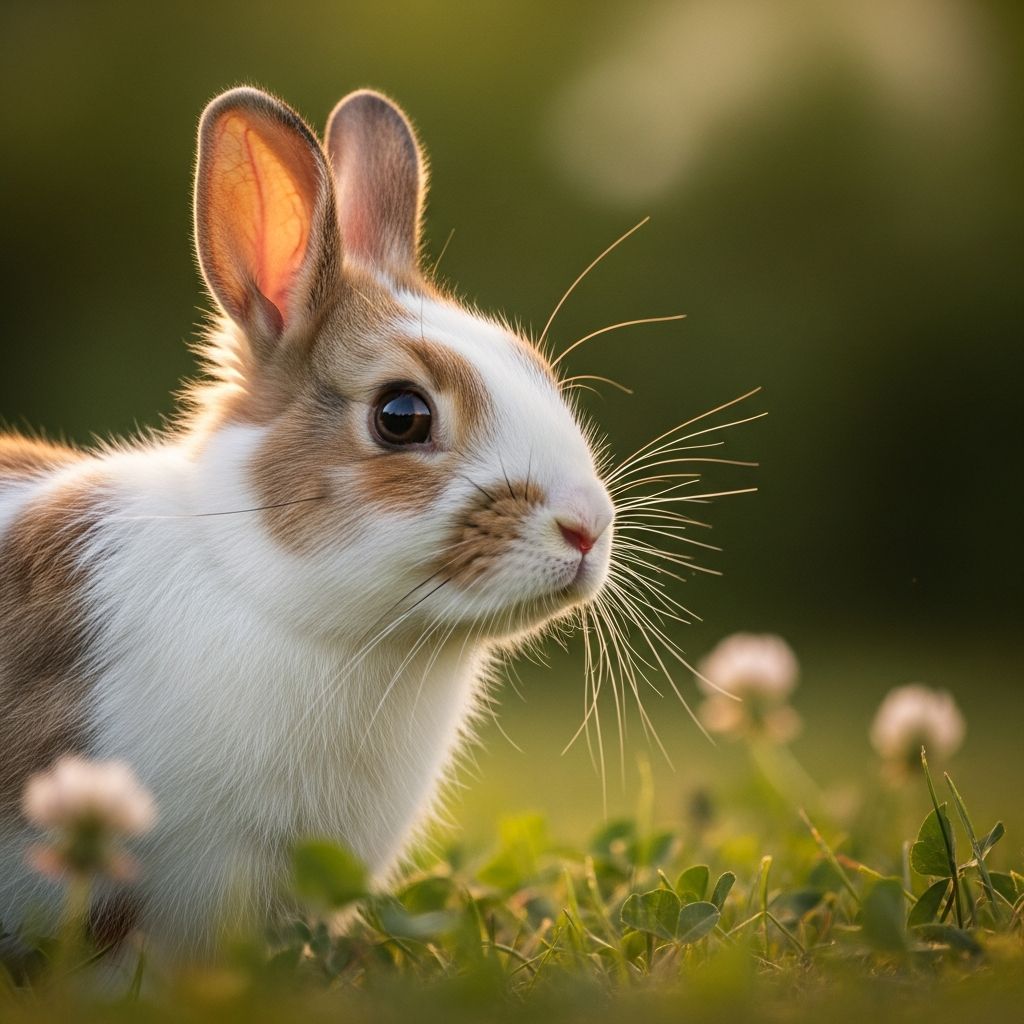
Rabbits have become increasingly popular as household pets, and understanding their lifespan is crucial for potential and current rabbit owners. Thanks to advances in veterinary medicine, improved husbandry practices, and a better understanding of rabbit biology, pet rabbits today are living longer than ever before. The lifespan of a rabbit depends significantly on whether it lives in the wild or in captivity as a domesticated pet.
Wild Rabbit Lifespan
In their natural habitat, rabbits face numerous challenges that dramatically shorten their lifespans. Wild rabbits typically live only one to two years, though some may reach up to nine years in optimal conditions. The oldest known wild rabbit on record, found in Australia, lived to 7.6 years old, which is exceptionally rare.
The shortened lifespan of wild rabbits results from multiple survival challenges. Predation by foxes, badgers, birds of prey, and other carnivores is a constant threat. Additionally, wild rabbits face starvation during harsh seasons, injuries from accidents, and diseases with no veterinary intervention available. This harsh reality explains why rabbits are prolific breeders—nature ensures that enough offspring are born to compensate for high mortality rates.
Domestic Rabbit Lifespan
The lifespan of domesticated rabbits in captivity is substantially longer than their wild counterparts. A typical domestic rabbit that receives proper care will live between 8 and 12 years, with some rabbits even reaching 10 to 12 years or beyond with excellent care. There are record-breaking rabbits, such as Mick, who was documented as living to 16 years old in 2019.
The extended lifespan of pet rabbits is attributable to several protective factors absent in wild populations. Access to regular veterinary care, disease prevention measures, a consistent and nutritious food supply, protection from predators, and a safe, controlled environment all contribute to longer lives. The difference between a wild rabbit’s one to two years and a pet rabbit’s 8 to 12 years underscores the impact of domestication and proper care.
Factors Influencing Rabbit Lifespan
The variation in rabbit lifespans—even among domestic rabbits—reveals that multiple factors influence how long an individual rabbit will live. Understanding these factors empowers rabbit owners to make decisions that maximize their pet’s longevity and quality of life.
Breed and Size Considerations
Rabbit breeds vary dramatically in size, from the tiny Netherland Dwarf to the massive Flemish Giant, and these differences can affect lifespan. Research suggests that smaller rabbit breeds tend to live longer than larger breeds. Larger rabbits, such as Flemish Giants, may be prone to mobility issues like arthritis that can compromise their quality of life.
However, breed is not the only size-related factor. Certain breeds are genetically predisposed to specific health conditions that can shorten their lifespans. For example, dwarf rabbits face increased risks of dental disease and tear duct problems. It is also possible that “fancier” rabbit breeds requiring specialized care are at higher risk of inappropriate husbandry from inexperienced owners, which can reduce lifespan.
Breed-Specific Lifespans
Different rabbit breeds have characteristic lifespans. The following table outlines the typical lifespans of popular domestic rabbit breeds:
| Rabbit Breed | Average Lifespan |
|---|---|
| Netherland Dwarf | 10–12 years |
| Flemish Giant | 8–10 years |
| Rex Rabbit | 6–8 years |
| Most Domestic Rabbits | 8–12 years |
Interestingly, while Netherland Dwarfs (small breeds) typically live 10–12 years, Rex rabbits have a shorter average lifespan of 6–8 years, suggesting that breed-specific health predispositions play an important role.
Reproductive Status
One of the most significant factors affecting rabbit lifespan is whether the rabbit has been spayed or neutered. Rabbits that are spayed or neutered tend to live considerably longer than their intact counterparts.
Female rabbits (does) that have not been spayed face a dramatically elevated risk of reproductive cancers. Studies indicate that up to 90% of female rabbits over the age of 2.5 years develop reproductive cancers—including uterine, ovarian, and mammary cancers—if they remain unspayed. These cancers spread rapidly and can dramatically reduce lifespan. Non-neutered males face risks of testicular disease.
Spaying females between 3 and 6 months of age significantly reduces these cancer risks and is one of the most impactful decisions an owner can make for their rabbit’s longevity.
Owner-Controlled Factors
Beyond genetics and reproductive status, numerous factors within an owner’s control directly impact rabbit lifespan:
Diet: Providing a proper herbivorous diet with appropriate hay, fresh vegetables, and limited pellets is essential for long-term health.
Living Environment: A safe, secure habitat with adequate space—ideally outside on grass when weather permits—promotes physical activity and mental health. The environment should be kept clean, warm, and dry with soft bedding of hay or straw changed regularly.
Vaccination and Preventive Care: Regular veterinary check-ups, vaccinations against serious diseases, and preventive health measures protect rabbits from illness.
Stress Management: Maintaining low stress levels through quiet environments, appropriate handling, and stable routines contributes to overall health and longevity.
Exercise and Mental Stimulation: Rabbits require daily exercise and mental enrichment through toys, tunnels, and dig boxes to maintain physical and psychological health.
Understanding Rabbit Aging
As rabbits enter their senior years, their care requirements change. Recognizing signs of aging and adapting care practices can significantly improve quality of life in a rabbit’s golden years.
Monitoring Senior Rabbits
Owners of aging rabbits should increase monitoring frequency and vigilance. Regular observation should include:
– Weighing your rabbit at least weekly to track nutritional status and detect illness early
– Monitoring daily water and food intake as changes may indicate health issues
– Checking the cleanliness of the rabbit’s rear end daily, as soiling can indicate digestive problems
– Observing activity levels and alertness
– Scheduling veterinary check-ups approximately every six months to examine dental, cardiac, and gastrointestinal health
Many age-related diseases in rabbits have better long-term outcomes when identified early. Proactive monitoring allows owners to catch and address problems before they become serious.
Common Aging-Related Conditions
Senior rabbits are susceptible to various age-related health conditions including arthritis, dental disease, heart conditions, and gastrointestinal issues. Regular veterinary examinations become increasingly important for early detection and management of these conditions.
End-of-Life Care Considerations
Despite excellent care, all rabbits eventually face declining health or chronic pain. When a rabbit’s quality of life deteriorates significantly, owners may face difficult end-of-life decisions. Working with a veterinarian to assess your rabbit’s comfort, pain levels, and overall well-being is essential during this challenging time. Options may include pain management, palliative care, or humane euthanasia, depending on the individual rabbit’s condition and the owner’s preferences.
Creating a Rabbit-Friendly Environment
Maximizing rabbit lifespan begins with creating an optimal living environment. A rabbit-friendly space should include:
– Adequate space: at least 24″ L x 24″ H for small to medium breeds; 36″ W x 36″ H for large to giant breeds (ideally at least four times the size of the rabbit)
– Safety features: secure enclosures free from hazards, predators, and escape risks
– Comfort: soft bedding, hiding spots, and temperature control
– Cleanliness: regular cleaning to prevent disease and parasites
– Environmental enrichment: toys, tunnels, dig boxes, and opportunities for natural behaviors
Frequently Asked Questions
Q: What is the average lifespan of a domestic rabbit?
A: The average domestic rabbit lives between 8 and 12 years with proper care. However, some rabbits with excellent care and health can live into their early teens.
Q: Are there specific breeds known for longer lifespans?
A: Smaller rabbit breeds, such as the Netherland Dwarf (10–12 years), tend to live longer than larger breeds like the Flemish Giant (8–10 years). However, individual health and genetics play significant roles.
Q: How does spaying or neutering affect rabbit lifespan?
A: Spaying or neutering significantly extends rabbit lifespan. Unspayed females face up to a 90% risk of developing reproductive cancers by age 2.5, which dramatically shortens their lives.
Q: What factors can I control to help my rabbit live longer?
A: You can control diet, living environment, vaccination status, spaying/neutering, stress levels, exercise, and mental stimulation. All these factors directly influence your rabbit’s lifespan and health.
Q: How often should I take my senior rabbit to the veterinarian?
A: Senior rabbits should have veterinary check-ups approximately every six months to monitor dental, cardiac, and gastrointestinal health, though frequency may vary based on individual needs.
Q: What is the oldest rabbit ever recorded?
A: Mick, a pet rabbit, was documented as living to 16 years old in 2019, which is exceptionally old for a rabbit. The oldest known wild rabbit lived to 7.6 years.
Conclusion
Understanding rabbit lifespans and the factors that influence them empowers owners to provide the best possible care for their pets. While wild rabbits typically live only 1–2 years, domestic rabbits can thrive for 8–12 years or longer with proper care, veterinary attention, spaying/neutering, appropriate diet, and a safe environment. Breed, size, and reproductive status all play roles in determining individual lifespan, but owner decisions about diet, housing, exercise, and healthcare have perhaps the most significant impact. By recognizing the needs of aging rabbits and monitoring their health closely, owners can ensure their rabbits enjoy long, healthy, and happy lives.
References
- How Long Do Rabbits Live — Cloud 9 Vets. 2024. https://cloud9vets.co.uk/how-long-do-rabbits-live/
- How Long Do Rabbits Live? 7 Tips To Increase Your Bunny’s Lifespan — Chewy. 2024. https://www.chewy.com/education/small-pet/rabbit/how-long-does-a-bunny-live
- How To Care for a Pet Rabbit: Bunny Care Sheet — PetMD. 2024. https://www.petmd.com/rabbit/bunnies-care-sheet
- Rex Rabbits: Luxurious Fur and Charming Pets in Demand — Hobby Farms. 2024. https://www.hobbyfarms.com/rex/
- Netherland Dwarf Rabbit — PetMD. 2024. https://www.petmd.com/rabbit/breeds/netherland-dwarf
- Flemish Giant Rabbit — PetMD. 2024. https://www.petmd.com/rabbit/breeds/flemish-giant
Similar Articles








Read full bio of Sneha Tete