
How Long Do Parrots Live: Lifespan by Species
Discover parrot lifespans by species and learn factors affecting your feathered companion's lifespan.
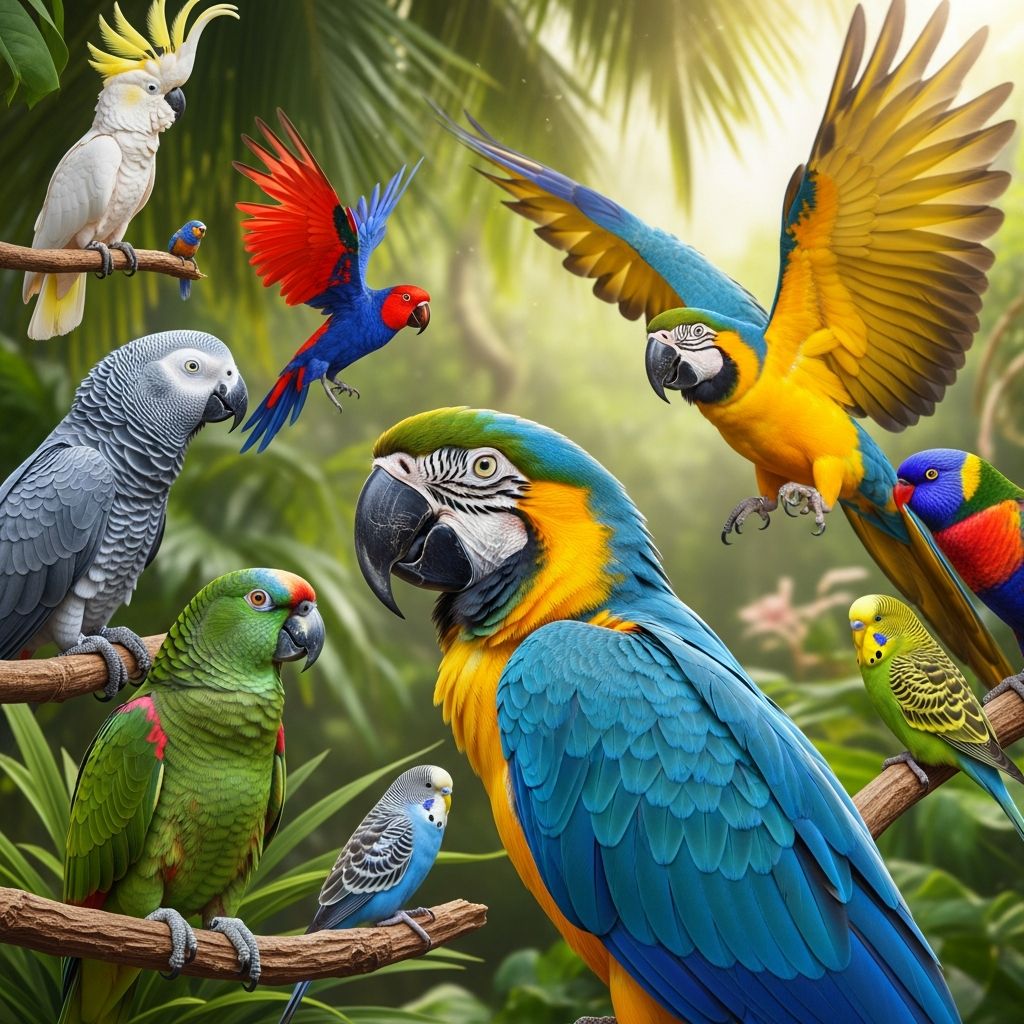
How Long Do Parrots Live?
Parrots are fascinating creatures that can become cherished members of your family for decades. Unlike many other pets, parrots have the potential to outlive their owners, making them a significant long-term commitment. Whether you’re considering adopting a parrot or already have one at home, understanding their lifespan is crucial for making informed decisions about their care and your future together.
The lifespan of a parrot varies dramatically depending on numerous factors, including species, genetics, diet, environmental conditions, and the quality of care provided. With approximately 400 species of parrots existing worldwide, each with distinct characteristics and lifespans, it’s essential to research your specific parrot species to understand what to expect.
Parrot Lifespan by Size Category
One of the most significant factors influencing parrot longevity is their size. Generally, larger parrot species tend to live longer than their smaller counterparts, though there are always exceptions to this rule.
Small Parrots: 5–15 Years
Small parrots and parakeets typically have the shortest lifespans among parrot species. These diminutive birds, ranging from tiny budgies to small parakeets, generally live between 5 and 15 years in captivity when provided with appropriate care.
| Species | Average Lifespan | Size Range |
|---|---|---|
| Budgie (Parakeet) | 5–15 years | 5–11 inches |
| Parrotlet | 15–20 years | 4.5–5 inches |
| Lovebird | 10–15 years | 5–7 inches |
| Canary | Approximately 10 years | Small |
The budgie, or parakeet, is one of the most popular pet parrots, and despite being one of the smallest species, some budgies have been known to live up to 25 years with exceptional care. Lovebirds and parrotlets similarly can extend beyond their average lifespans with proper nutrition and veterinary attention.
Medium Parrots: 15–30 Years
Medium-sized parrots occupy an interesting middle ground in terms of longevity. These birds typically live between 15 and 30 years, though some species within this category can extend beyond this range with excellent care.
| Species | Average Lifespan | Size Range |
|---|---|---|
| Cockatiel | 15–25 years | Small-Medium |
| Conure | 20–30 years | 12 inches |
| Caique | 25–40 years | 9–10 inches |
| Pionus Parrot | 20–40 years | 10–12 inches |
| African Grey | 40–60 years | 12–16 inches |
| Red-Bellied Parrot | 25–40 years | Medium |
| Senegal Parrot | 20–30 years | Medium |
Cockatiels are particularly beloved as pets and typically live 15 to 25 years, with the oldest recorded cockatiel reaching 36 years old. African Greys, while often categorized as medium-sized, represent the upper end of longevity in this category, frequently living 40 to 60 years or longer.
Large Parrots: 30–50+ Years
Large parrot species are known for their impressive lifespans, often spanning three to five decades or more. These majestic birds require significant commitment and resources throughout their extended lives.
| Species | Average Lifespan | Size Range |
|---|---|---|
| Macaw | 30–50+ years | 12–40 inches |
| Cockatoo | 40–60 years | 12–24 inches |
| Yellow-Naped Amazon | 60–80 years | 15–18 inches |
| Scarlet Macaw | Around 30 years | Large |
| Hyacinth Macaw | 40–50+ years | Largest parrot species |
The Yellow-Naped Amazon represents one of the longest-lived parrot species, regularly reaching 60 to 80 years in captivity. Cockatoos typically live 40 to 60 years, though some have been documented living well into their 70s. Remarkably, the oldest known parrot on record was Cookie, a Major Mitchell’s cockatoo at the Brooklyn Zoo, who reached approximately 83 years of age.
Parrots in the Wild vs. Captivity
An interesting phenomenon occurs with parrots: they often live considerably longer in captivity than in their natural habitats. While this might seem counterintuitive, it reflects the realities of life in the wild.
In their natural environments, parrots face numerous threats that captive birds do not encounter. Wild parrots must contend with predators, diseases, harsh weather conditions, competition for food and resources, and limited access to consistent nutrition. These environmental pressures significantly reduce their average lifespan.
For example, the Yellow-Naped Amazon parrot can live 60 to 80 years as a cherished pet in your home, yet in the wild, they typically live only 20 to 30 years. Similarly, while pet parrots benefit from veterinary care, climate-controlled environments, and reliable food sources, wild parrots must rely on their instincts and resilience to survive.
Factors That Influence Parrot Lifespan
Beyond species and size, several critical factors determine how long your parrot will live:
Genetics and Brain Size
Research analyzing data from over 130,000 individual parrots across 217 species revealed that brain size correlates significantly with longevity. Larger brain size is associated with longer lifespans in parrots, suggesting that greater intelligence provides survival advantages. This correlation is unique to parrots and occurs inversely compared to patterns seen in dogs.
Diet and Nutrition
Proper nutrition is fundamental to parrot health and longevity. A balanced diet rich in fruits, vegetables, nuts, and high-quality pellets supports immune function and prevents nutritional deficiencies. Poor diet choices can lead to obesity, organ damage, and reduced lifespan.
Veterinary Care
Regular veterinary check-ups with an avian veterinarian are essential for early disease detection and prevention. Parrots often hide signs of illness until conditions become severe, making proactive healthcare crucial.
Environmental Conditions
Parrots thrive in environments with appropriate temperature, humidity, and lighting. Temperature fluctuations, poor air quality, and insufficient natural light can stress parrots and compromise their health.
Social Interaction and Mental Stimulation
Parrots are highly social, intelligent creatures requiring substantial mental enrichment. Boredom and loneliness can lead to behavioral problems and health issues. Regular interaction, toys, and mental challenges contribute to psychological well-being and longevity.
Exercise and Activity
Physical activity is vital for parrot health. Birds that remain sedentary are prone to obesity and other health complications. Adequate space for flying, climbing, and playing promotes cardiovascular health and overall fitness.
Common Misconceptions About Parrot Lifespan
Several myths surround parrot longevity. One persistent misconception is that parrots commonly live over 100 years. While exceptional cases have been reported, particularly anecdotal reports of some Hyacinth Macaws reaching beyond 100 years, this is extremely rare. Most parrots, even long-lived species, live between 15 and 50 years. Some species, particularly African Greys and Macaws, may reach their 60s or 70s, but living past 80 is extraordinarily uncommon.
Making the Long-Term Commitment
Acquiring a parrot represents a significant, multigenerational commitment. Before bringing a parrot home, potential owners should carefully consider their readiness for decades of responsibility. This includes financial commitment for quality food, veterinary care, toys, and housing; time commitment for daily interaction and care; and emotional commitment to provide consistent companionship throughout the bird’s life.
Some owners include provisions in their wills to ensure their parrots’ care after they pass away. Others establish relationships with trusted family members or organizations willing to adopt their birds if necessary. Planning for your parrot’s future demonstrates responsible ownership.
Frequently Asked Questions (FAQs)
Q: Can parrots really live over 100 years?
A: While there are anecdotal reports of some parrots, particularly Hyacinth Macaws, reaching over 100 years, this is extremely rare and unconfirmed. Most parrots live between 15 and 50 years, with some species reaching their 60s or 70s in exceptional circumstances. The oldest verified parrot on record was Cookie, a Major Mitchell’s cockatoo who reached approximately 83 years old.
Q: Which parrot species lives the longest?
A: Large parrot species generally live the longest. Yellow-Naped Amazon parrots frequently live 60 to 80 years, while some Macaws and Cockatoos reach 40 to 60 years or beyond. African Greys also have impressive lifespans of 40 to 60 years.
Q: What is the shortest-lived parrot species?
A: Fig parrots have among the shortest average lifespans, with studies showing an average lifespan of around two years. However, small parakeets and budgies typically live 5 to 15 years on average.
Q: How can I help my parrot live longer?
A: Provide a balanced diet rich in fruits and vegetables, schedule regular veterinary check-ups, ensure adequate mental stimulation and social interaction, maintain appropriate environmental conditions, and provide ample opportunity for exercise and play.
Q: Do parrots live longer in captivity or in the wild?
A: Parrots generally live significantly longer in captivity than in the wild. Protected from predators, disease, and environmental hardships, captive parrots benefit from consistent care and resources, extending their lifespans considerably.
References
- How Long Do Parrots Live: Average Lifespan, Data & Care — Hepper. Accessed November 28, 2025. https://articles.hepper.com/parrot-lifespan-how-long-do-they-live/
- How Long Do Parrots Live? — Chewy Education. Accessed November 28, 2025. https://www.chewy.com/education/bird/parrot/how-long-do-parrots-live
- How Long Do Parrots Live? — Bark & Whiskers. January 9, 2024. https://www.barkandwhiskers.com/2024-01-09-parrots-lifespan/
- Friends for Life – Parrot Lifespans Explained — Johnston & Jeff. Accessed November 28, 2025. https://johnstonandjeff.co.uk/lifespans-of-parrots-explained/
- How Long Do Birds Live? — PetMD. Accessed November 28, 2025. https://www.petmd.com/bird/care/how-long-do-birds-live
- Parrot — BBC Earth. Accessed November 28, 2025. https://www.bbcearth.com/factfiles/animals/birds/parrot
Similar Articles








Read full bio of Sneha Tete


