

How Long Do Parrots Live: A Complete Species Guide
When considering bringing a parrot into your home, one of the most important questions prospective owners ask is: how long do parrots actually live? The answer varies significantly depending on the species you choose. Understanding parrot lifespans is crucial for making an informed decision about pet ownership, as these birds often become lifelong companions that can outlive their owners. Unlike many other pets, parrots represent a long-term commitment that can span multiple decades, making it essential to understand what you’re signing up for before welcoming these intelligent birds into your family.
Parrot lifespans range dramatically across different species. Smaller parrots like budgerigars may live only 5 to 15 years, while larger species such as macaws and African grey parrots can live 50 to 80 years or even beyond. This substantial variation reflects both genetic differences and the specific environmental and care requirements unique to each species. The difference between proper care and neglect can mean the difference between a parrot reaching the minimum or maximum end of its potential lifespan.
Understanding Parrot Lifespans by Species
Different parrot species have dramatically different lifespans, a phenomenon deeply rooted in their genetics and natural biology. The size of the parrot generally correlates with longevity, with larger species typically living considerably longer than their smaller counterparts. This relationship between size and lifespan is not coincidental; it reflects fundamental biological differences in metabolism, cognitive development, and physiological complexity.
Small Parrot Species
Budgerigars (Budgies) are among the most popular small parrots kept as pets, yet they have relatively short lifespans. These charming birds typically live between 5 to 15 years in captivity, with an average lifespan around 7 to 9 years. However, with exceptional care including proper nutrition, environmental enrichment, and veterinary attention, some budgies have been known to live up to 20 years. The variation in budgie lifespan is often attributable to the quality of care they receive, as many are kept in less-than-ideal conditions with minimal mental stimulation.
Cockatiels represent a moderate-sized parrot species with a lifespan longer than budgies but shorter than their larger cousins. These affectionate birds typically live 15 to 25 years in captivity. Cockatiels’ extended lifespan compared to budgies reflects their slightly larger size and more complex cognitive needs. Providing adequate social interaction, mental stimulation through toys and activities, and a balanced diet rich in vegetables and quality pellets can help cockatiels reach the upper end of their lifespan range.
Lovebirds are small, colorful parrots that typically live 15 to 20 years in captivity. Despite their diminutive size, these social birds require substantial environmental enrichment and consistent interaction to thrive. When housed in pairs or groups with compatible companions and provided with engaging toys and natural materials for enrichment, lovebirds can live healthy, fulfilling lives within their moderate lifespan.
Medium Parrot Species
Quaker Parrots occupy the medium size category with lifespans typically ranging from 20 to 30 years in captivity. These intelligent and vocal birds require dedicated owners willing to provide consistent social interaction and mental stimulation. Quaker parrots are known for their personality and can develop strong bonds with their owners, making the long-term commitment worthwhile for dedicated bird enthusiasts.
Ringneck Parrots, also known as Indian ringneck parakeets, typically live 25 to 35 years in captivity. These beautiful birds with their distinctive neck markings are renowned for their intelligence and can learn to mimic human speech quite effectively. Their extended lifespan requires owners to think long-term about their ability to provide consistent care, proper nutrition, and environmental enrichment throughout the bird’s life.
Conures are popular medium-sized parrots with a typical captive lifespan of 20 to 30 years. These playful and social birds thrive on interaction and require plenty of toys and activities to keep their active minds engaged. Various conure species show slight variations in lifespan, but all benefit significantly from regular social engagement and a stimulating living environment.
Large Parrot Species
Senegal Parrots are smaller members of the large parrot category, with typical lifespans of 25 to 40 years in captivity. These gentle, intelligent birds are excellent companions for owners seeking a parrot with a longer lifespan than medium-sized species but with somewhat less demanding space and care requirements than the largest parrots.
Eclectus Parrots are striking birds known for their sexual dimorphism, with males displaying brilliant green plumage and females showing vibrant red coloring. These birds typically live 40 to 50 years in captivity. Eclectus parrots require specialized dietary knowledge, as they have different nutritional needs than many other parrot species, particularly requiring higher fiber content and lower fat in their diet.
Amazon Parrots are large, intelligent birds that typically live 40 to 60 years in captivity. The Amazon family includes several species, each with its own personality and care requirements. These highly vocal and social birds require substantial space, regular interaction, and consistent environmental enrichment to remain psychologically healthy throughout their extended lifespan.
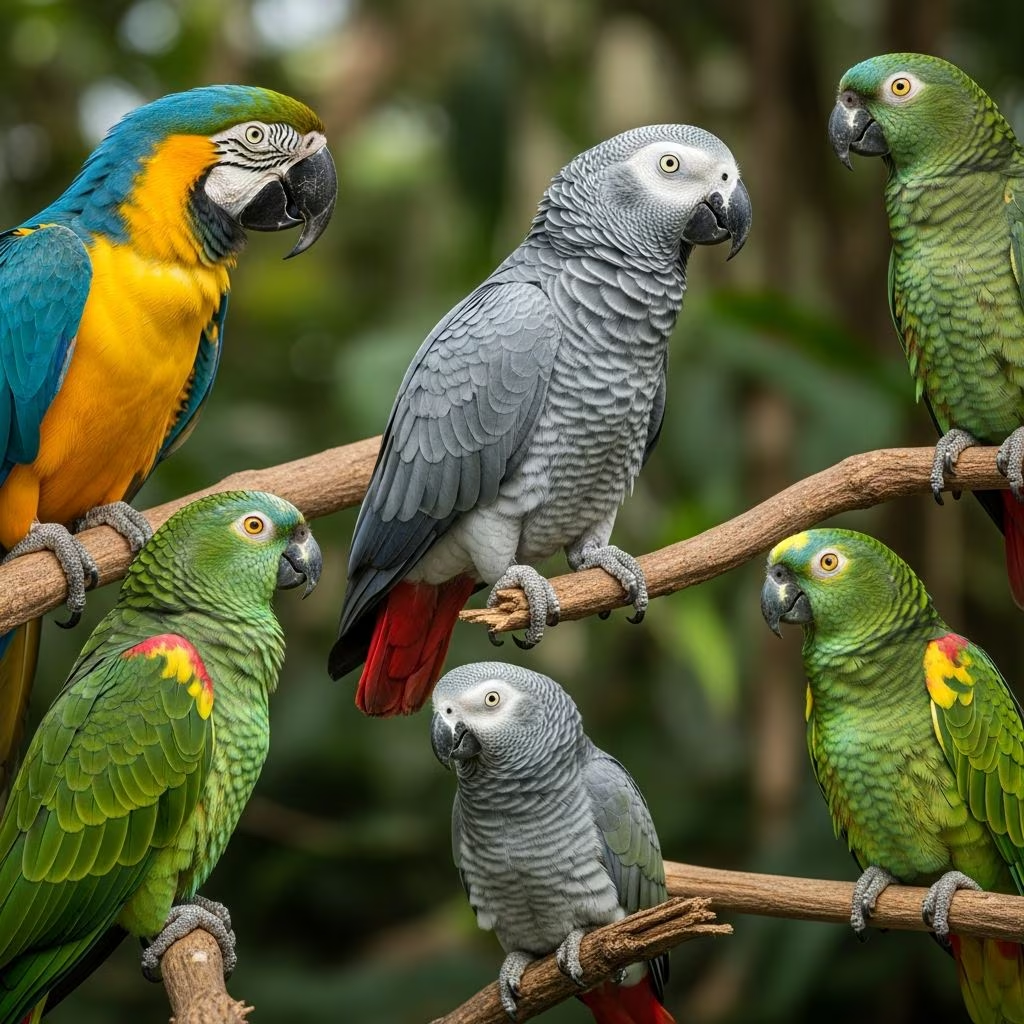
African Grey Parrots are renowned as one of the longest-living parrot species, typically surviving 50 to 80 years in captivity, with some individuals living even longer. These exceptional birds possess remarkable cognitive abilities comparable to a 4-6 year old child, allowing them to learn and retain extensive vocabularies and solve complex problems. Their advanced intelligence means they require intensive mental stimulation and environmental enrichment to prevent behavioral problems and psychological distress.
Macaws are among the largest and most impressive parrot species, and they can live 60 to 100 years in captivity. These magnificent birds can span up to 3.5 feet in length and require correspondingly large cages, substantial space for flight, and extensive social engagement. The extreme longevity of macaws means owners should seriously consider generational succession plans, as these birds truly can outlive multiple human generations.
Factors That Influence Parrot Lifespan
While genetics and species determination form the foundation of a parrot’s potential lifespan, numerous environmental and care-related factors significantly influence how long an individual bird will actually live. Understanding and optimizing these factors is essential for maximizing your parrot’s health and longevity.
Genetics and Species Characteristics
The genetic blueprint inherited from a parrot’s parents plays a fundamental role in determining overall lifespan and susceptibility to various health conditions. Different species have evolved different lifespans based on their natural ecological roles and environmental pressures. Large parrots like African greys and macaws have developed extended lifespans that reflect their complex social structures, extended learning periods, and long reproductive cycles in the wild. Individual genetic diversity within a species also matters; genetic variation can influence resilience to disease, reproductive success, and overall vitality.
Diet and Nutrition
Nutrition represents one of the most impactful controllable factors affecting parrot longevity. A balanced diet provides the essential vitamins, minerals, and nutrients necessary for organ function, immune system health, and cellular repair. High-quality commercial pellets should form the foundation of a parrot’s diet, typically comprising 60-70% of daily food intake. These pellets are specifically formulated to provide complete nutrition with essential vitamins like vitamin A for immune health and calcium for skeletal development.
Fresh vegetables should comprise 20-25% of a parrot’s diet and provide crucial antioxidants, fiber, and micronutrients. Parrots should receive dark leafy greens, colorful vegetables like carrots and bell peppers, and seasonal produce. Seeds and nuts should be limited, as these are high in fat and can contribute to obesity and fatty liver disease when consumed in excess. Some parrots benefit from mineral blocks that provide trace minerals similar to what they would consume in natural mineral-rich soil in the wild.
Environment and Housing
The quality of a parrot’s living environment directly impacts its physical and psychological health. Parrots require appropriately sized cages that allow them to spread their wings, move freely, and exercise their flight muscles. The cage should be equipped with varied perches at different heights, multiple toys for mental stimulation, and natural wood branches for enrichment. Cage cleanliness is critical for disease prevention; enclosures should be cleaned regularly to prevent bacterial and fungal growth that can cause infections.
Environmental factors such as temperature, humidity, and lighting affect parrot health and lifespan. Most parrots thrive in temperatures between 65-80°F with humidity levels around 40-60%. Exposure to natural or full-spectrum lighting for 10-12 hours daily supports circadian rhythms and vitamin D metabolism. Conversely, excessive stress from loud noises, sudden environmental changes, or inadequate social interaction can compromise immune function and shorten lifespan.
Sleep and Rest
Adequate sleep is essential for parrot health and longevity. Most parrots require 10-12 hours of quality sleep per night to maintain optimal health. Sleep deprivation can lead to behavioral problems, weakened immune function, and reduced lifespan. Providing a quiet, dark sleeping area separate from daytime activity areas helps establish healthy sleep patterns. Consistent sleep schedules support the bird’s natural circadian rhythms and contribute to long-term health.
Exercise and Mental Stimulation
Parrots are highly intelligent, social, and active birds requiring substantial daily exercise and mental engagement. Regular flight opportunities outside the cage, whether in a safe room or specialized flight cage, maintain cardiovascular health and muscle tone. Mental stimulation through toys, puzzles, foraging activities, and training sessions keeps the parrot’s highly developed brain engaged and prevents behavioral problems associated with boredom and frustration.
Puzzle feeders and foraging toys encourage natural behaviors and provide both physical and mental exercise. Rotating toys regularly prevents habituation and maintains novelty. Social interaction with owners and, when appropriate, with other birds provides crucial enrichment and supports psychological well-being.
Veterinary Care
Regular wellness examinations, even when a parrot appears healthy, can identify emerging health issues before they become serious. Annual veterinary check-ups with an avian veterinarian specializing in bird medicine allow for early detection and treatment of diseases. Prompt attention to any signs of illness, injury, or behavioral changes can prevent conditions from progressing to advanced, untreatable stages.
Species Comparison Table
| Parrot Species | Wild Lifespan | Captive Lifespan | Size Category |
|---|---|---|---|
| Budgerigar | 5-8 years | 7-15 years | Small |
| Lovebirds | 10-15 years | 15-20 years | Small |
| Cockatiel | 10-15 years | 15-25 years | Small-Medium |
| Quaker Parrot | 15-20 years | 20-30 years | Medium |
| Ringneck Parrot | 20-30 years | 25-35 years | Medium |
| Conure | 10-20 years | 20-30 years | Medium |
| Senegal Parrot | 20-30 years | 25-40 years | Large |
| Eclectus Parrot | 30-50 years | 40-50 years | Large |
| Amazon Parrot | 30-50 years | 40-60 years | Large |
| African Grey Parrot | 40-60 years | 50-80 years | Large |
| Macaw | 50-80 years | 60-100 years | Very Large |
Optimizing Your Parrot’s Lifespan
To help your feathered companion live a long, healthy, and fulfilling life, implementing comprehensive care strategies addressing all aspects of their well-being is essential.
Nutrition Guidelines for Longevity
Provide a varied, balanced diet combining high-quality pellets (60-70% of diet), fresh vegetables (20-25%), and controlled portions of fruits and healthy fats. Research the specific dietary requirements of your parrot’s species, as different species have evolved for different ecological niches and may have specialized nutritional needs. Consult with your avian veterinarian for personalized dietary recommendations. Avoid foods toxic to birds, including avocado, chocolate, salt, and caffeine.
Creating a Stimulating Environment
Provide appropriately sized enclosures with varied perching heights, multiple engaging toys that are rotated regularly, and opportunities for supervised flight and exploration outside the cage. Establish a consistent daily routine including social interaction, playtime, and training sessions. Minimize stress through gradual environmental changes and protection from predators or loud disturbances.
Establishing Healthy Sleep Habits
Maintain consistent sleep schedules with 10-12 hours of quality sleep nightly. Provide a dedicated, quiet sleeping area separate from daytime activity. Use appropriate lighting to support natural circadian rhythms, transitioning gradually between day and night phases.
Regular Exercise and Mental Engagement
Provide daily opportunities for flight and physical exercise in safe environments. Offer puzzle feeders, foraging toys, and training sessions to maintain mental engagement. Rotate toys frequently to prevent habituation and boredom. Engage in regular social interaction and consider teaching your parrot tricks or new behaviors.
Preventive Healthcare
Schedule annual wellness exams with an avian veterinarian. Address any signs of illness, injury, or behavioral changes promptly. Maintain cage cleanliness through regular cleaning and disinfection. Provide access to safe water for bathing, which promotes feather and skin health.
Planning for Your Parrot’s Future
Given that parrots often outlive their owners, it’s important to consider long-term planning. Large parrots like macaws, African greys, and cockatoos can easily live 50-80 years, potentially spanning your entire adult life and beyond. Before adopting a parrot, consider your age, health, and life circumstances. Establish legal arrangements and identify potential caretakers who can provide quality care should circumstances change. Many rescues and sanctuaries exist specifically because parrots outlived their original owners.
Frequently Asked Questions
Q: Do parrots really live longer in captivity than in the wild?
A: Yes, parrots typically live longer in captivity than in the wild. Proper nutrition, veterinary care, protection from predators and environmental hazards, and consistent environmental control allow captive parrots to reach their maximum genetic potential. Wild parrots face predation, disease, food scarcity, and environmental stressors that reduce average lifespan.
Q: Which parrot species has the longest lifespan?
A: Macaws have the longest documented lifespans, with some individuals living 60-100 years in captivity. African grey parrots are also renowned for exceptional longevity, typically living 50-80 years. Both species represent multi-generational commitments requiring serious consideration before adoption.
Q: Can I extend my parrot’s lifespan through proper care?
A: Absolutely. While genetics establish the maximum potential lifespan for a species, proper care significantly influences whether individual birds approach that potential. Quality nutrition, appropriate housing, mental stimulation, regular veterinary care, and consistent social interaction can help parrots live toward the upper end of their species’ lifespan range.
Q: What is the most important factor for parrot longevity?
A: While all factors are important, nutrition and mental stimulation are particularly critical. A balanced diet prevents obesity and metabolic diseases, while mental engagement supports psychological health. Combined with regular veterinary care and appropriate housing, these factors provide the foundation for maximum longevity.
Q: How do I know if my parrot is aging well?
A: Aging parrots should maintain clear eyes, smooth feathering, active behavior patterns, and consistent appetite. Regular veterinary check-ups become even more important in senior parrots to monitor for age-related conditions. Behavioral changes, decreased activity, or appetite loss should prompt immediate veterinary evaluation.
Q: What should I feed my parrot for optimal health?
A: A balanced diet should consist of 60-70% high-quality pellets, 20-25% fresh vegetables (particularly dark leafy greens), and small portions of fruit and healthy nuts. Avoid high-fat seeds as primary diet components. Consult with your avian veterinarian for species-specific dietary recommendations and any necessary supplementation.
Conclusion
Understanding parrot lifespans is fundamental to responsible parrot ownership. From the modest 7-15 year lifespan of budgies to the extraordinary 60-100 year potential of macaws, these birds represent commitments spanning decades. Success in parrot ownership requires commitment to providing excellent nutrition, appropriate housing, regular exercise and mental stimulation, consistent social interaction, and preventive veterinary care. By optimizing all controllable factors affecting parrot health and well-being, you can help your feathered companion reach its maximum potential lifespan and enjoy a long, healthy, and enriched life together. The reward of years of companionship with an intelligent, affectionate bird makes the substantial commitment of parrot ownership worthwhile for dedicated bird enthusiasts.
References
- Understanding Parrot Lifespan: Factors That Influence Longevity — Pop Parrots. 2024-03-07. https://poparrots.com/2024/03/07/understanding-parrot-lifespan-factors-that-influence-longevity-part-1/
- African Grey Parrot Lifespan Care, Diet & Health Tips — Jungle Aquatics. https://jungleaquatics.com/blogs/news/african-grey-parrot-lifespan-care-tips
- How Long Do Parrots Live? Parrot Lifespan and Care Tips — Bird Supplies. https://birdsupplies.com/blogs/news/how-long-do-parrots-live-parrot-lifespan-and-care-tips
- Parrot Lifespan: How Long Can Parrots Live? — Rabun Animal Hospital. 2024-03-01. https://www.rabunanimalhospital.com/site/blog/2024/03/01/parrot-lifespan
- Parrot Lifespan: How Long Do Pet Parrots Live? — Turlock Veterinary Hospital. 2023-07-15. https://www.turlockvet.com/site/blog/2023/07/15/parrot-lifespan–how-long-pet-parrots-live
- Parrot Lifespan 2025 | Vet Guide by Dr Duncan Houston BVSc — Ask A Vet. https://askavet.com/blogs/news/parrot-lifespan-2025-vet-guide-by-dr-duncan-houston-bvsc
- Why Do Parrots Live So Long? Exploring Parrot Longevity — DHGate Smart. https://smart.dhgate.com/why-do-parrots-live-so-long-exploring-parrot-longevity/



