How Long Do Mice Live? Complete Guide For Pet Owners
Discover the average lifespan of mice and factors that influence their longevity.
How Long Do Mice Live? Understanding Mouse Lifespan
Mice are small rodents that have captured the curiosity of pet owners, researchers, and pest control professionals alike. One of the most common questions people ask about mice is: “How long do mice live?” The answer varies significantly depending on whether the mouse is living in the wild, in a home environment, or in captivity as a pet. Understanding mouse lifespans is essential for anyone considering mice as pets, dealing with an infestation, or simply curious about these fascinating creatures. While mice have relatively short lifespans compared to larger mammals, their longevity is influenced by numerous environmental, genetic, and biological factors that we’ll explore in detail.
Average Mouse Lifespan Overview
The average lifespan of a mouse depends largely on where and how it lives. In general, mice are relatively short-lived creatures due to their small body size and rapid metabolism. A mouse’s heart beats between 250 to 350 times per minute, which contributes to their faster aging process compared to larger mammals. This rapid heartbeat and increased metabolic rate mean that mice experience a compressed version of a mammal’s life cycle, resulting in shorter overall lifespans. Understanding these baseline figures helps establish expectations for mouse longevity across different living situations.
Mouse Lifespan in the Wild
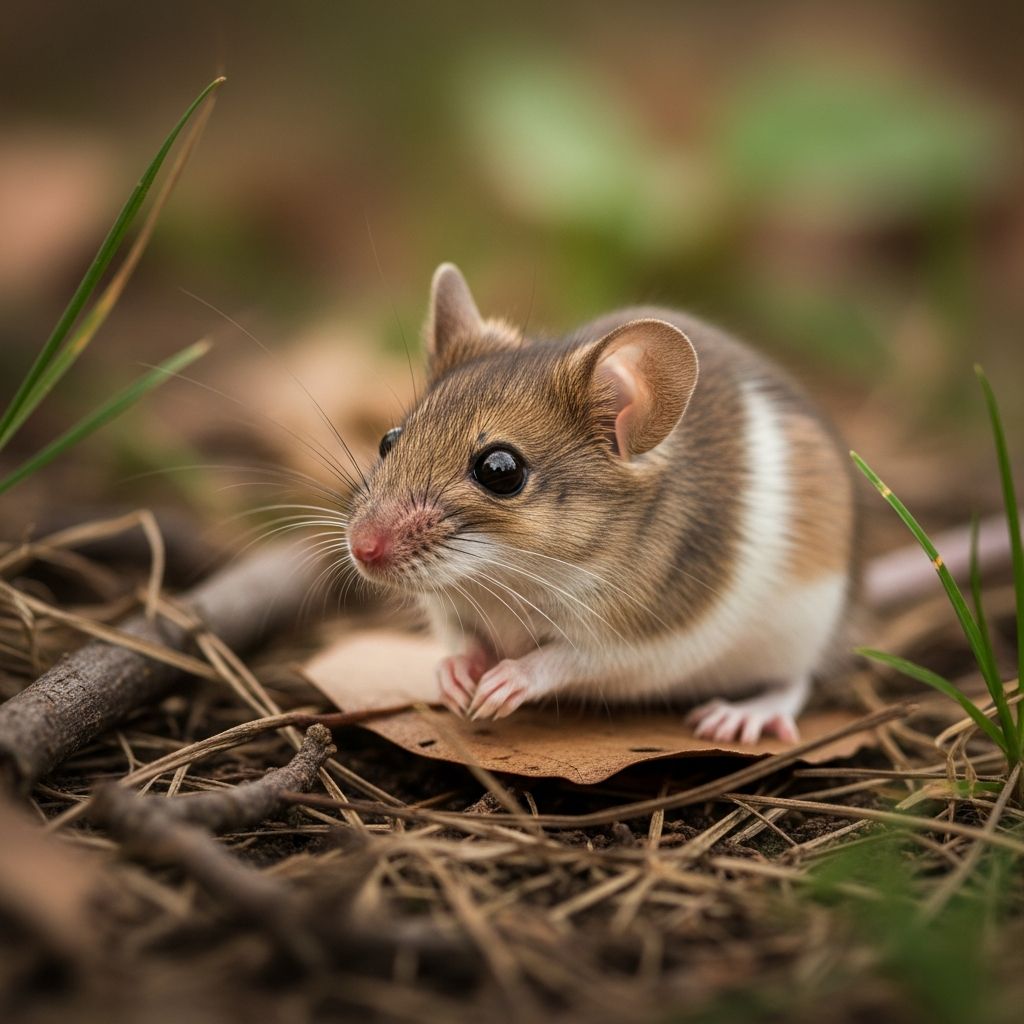
Wild mice face numerous challenges that significantly reduce their lifespan compared to their domesticated counterparts. In natural outdoor environments, most house mice do not live beyond 12 to 18 months, with many living considerably shorter lives. In fact, many wild mice only live between 3 to 6 months on average, with some estimates suggesting that the typical wild mouse survives for just a few months. This dramatic difference in lifespan is due to several interconnected factors that make survival in the wild extraordinarily difficult for these small rodents.
Predation Threats
One of the primary reasons wild mice have such short lifespans is predation. Mice face threats from numerous predators, including snakes, owls, hawks, rats, foxes, and other carnivorous animals. These predators have evolved excellent hunting skills and keen senses that make mice vulnerable. A wild mouse must constantly be vigilant and flee to shelter at the slightest sign of danger. This constant stress and the ever-present threat of predation means that many wild mice are caught and eaten before they reach their first birthday. Additionally, the energy mice expend in fleeing and hiding from predators leaves fewer resources for growth, reproduction, and overall health maintenance.
Environmental Challenges
Beyond predation, wild mice must contend with harsh environmental conditions. Extreme temperatures, particularly cold winters and scorching summers, pose serious threats to mouse survival. Mice have a relatively high surface-area-to-body-mass ratio, which makes them particularly vulnerable to temperature extremes. Temperatures above 80 degrees Fahrenheit can make mice uncomfortable, while exposure to temperatures in the upper 90s can be fatal. Additionally, wild mice must find adequate shelter, food, and water. Drought conditions, food scarcity, and lack of suitable shelter all contribute to reduced survival rates in wild populations.
Disease and Illness
Wild mice are susceptible to various diseases and parasites that further shorten their lifespans. Without access to veterinary care, infections, parasitic infestations, and chronic illnesses can quickly become fatal. These health challenges, combined with the stress of survival in harsh conditions, create a precarious existence for wild mice populations.
Mouse Lifespan in Homes and Buildings
Mice that have made their way into human homes or other buildings experience dramatically improved conditions compared to their wild cousins. House mice living indoors typically live between 12 to 24 months, with many sources citing two years as the average maximum lifespan. Some mice in protected indoor environments may even exceed this timeframe, though such cases are less common. The primary reason for this extended lifespan is that indoor mice have access to consistent food sources, shelter from predators and extreme weather, and a climate-controlled environment.
Advantages of Indoor Living
When mice establish themselves in a home or commercial building, they gain significant survival advantages. First, they have access to abundant food sources, whether from stored pantry items, pet food, or accidental food debris. This consistent nutrition supports better health and reproductive capacity. Second, indoor mice are largely protected from natural predators, though they may encounter household pets like cats or dogs. Third, the climate inside human structures is typically maintained at comfortable temperatures, eliminating the stress of extreme weather. These factors combine to allow mice to live longer than their wild counterparts, though they still face threats from disease and human-implemented pest control measures.
Reproduction in Favorable Conditions
One important consideration about mice living in homes is their remarkable reproductive capacity. Female mice reach sexual maturity at just 6 weeks old and can produce up to 10 litters annually when conditions are favorable. Each litter can contain 5 to 6 pups. This means that even though individual mice may only live two years, the mouse population in an infested home can grow exponentially. What starts as a few mice can quickly become dozens or hundreds within months, which is why mouse infestations are so challenging to manage through simple waiting and hoping the population dies out naturally.
Pet Mouse Lifespan
Pet mice, when properly cared for by dedicated owners, typically live between 1 to 3 years, with 2 years being a common average. However, some well-cared-for pet mice have been documented to live as long as 5 to 6 years, though such longevity is exceptional rather than typical. The longest-verified pet mouse on record is Pat, housed at the San Diego Zoo Park, who lived over 9 years—an extraordinary exception that demonstrates the potential for extended mouse lifespan under optimal conditions.
Factors Supporting Longer Pet Mouse Life
Pet mice live longer than wild mice for several reasons. They receive consistent, high-quality nutrition specifically formulated for their dietary needs. They live in climate-controlled environments with stable temperatures and appropriate humidity levels. They are protected from predators and external parasites. Most importantly, responsible pet owners provide veterinary care when health issues arise, allowing treatable conditions to be managed effectively. Additionally, pet mice are often bred selectively for desirable traits, and some breeding lines have genetics that support longer lifespans. Proper husbandry, including regular cage cleaning, appropriate enrichment, and stress reduction, all contribute to improved longevity in pet mice.
Genetic Variations in Pet Mice
Different varieties of pet mice may have different lifespans based on their genetics. White laboratory mice, for example, commonly live over 2.5 years and are frequently used in aging research. Hairless varieties, however, are more susceptible to skin diseases, which can shorten their lifespans. Blue varieties often have hemophilia, a bleeding disorder that can be fatal. Conversely, some specialized breeding lines have been developed specifically for longevity, and mice from these lines may exceed average lifespans. Potential pet mouse owners should research the genetic background of their mice to understand what health challenges they might face.
Laboratory Mouse Lifespan
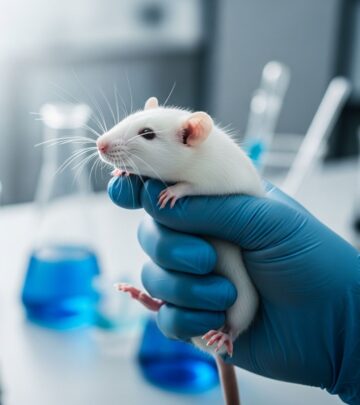
Laboratory mice, particularly inbred strains like C57BL/6, represent an important category when discussing mouse lifespans. In well-maintained laboratory conditions with specific-pathogen-free housing, these mice typically live between 26 to 30 months on average. However, it’s important to note that laboratory conditions represent an artificial environment quite different from either wild or typical pet ownership. Laboratory mice are housed in sterile conditions with precisely controlled temperature, humidity, and light cycles. They receive standardized, high-quality nutrition and regular veterinary monitoring. These extreme conditions do not accurately reflect the lifespans mice would experience in natural settings, which is why researchers must be careful when applying findings from laboratory aging studies to understand mouse biology in the wild.
Key Factors Affecting Mouse Longevity
Several critical factors influence how long any individual mouse will live, regardless of whether it’s wild or captive.
Diet and Nutrition
Diet is one of the most significant factors affecting mouse lifespan. Mice with access to consistent, balanced nutrition live longer and healthier lives than those facing food scarcity. Pet mice should receive a diet of high-quality mouse pellets supplemented with appropriate vegetables and treats. Wild mice relying on sporadic food sources face nutritional stress that impacts overall health and longevity. Research has shown that calorie-restricted diets in laboratory settings can actually extend mouse lifespans, suggesting that overall metabolic rate and food intake influence aging processes.
Environment and Housing
Environmental conditions dramatically affect mouse survival and longevity. Temperature stability is crucial—mice cannot tolerate extreme heat or cold. Appropriate shelter that protects from predators and weather is essential for wild mice. For pet mice, proper cage size, bedding material, and hiding spaces reduce stress and promote longer lifespans. Environmental enrichment, including toys, tunnels, and opportunities for natural behaviors, also supports better health and increased longevity in captive mice.
Genetics and Breeding
Inherent genetic factors play a significant role in determining a mouse’s potential lifespan. Some mice are genetically predisposed to longer lives, while others may carry genes that make them susceptible to specific health conditions. Selective breeding has demonstrated that mouse lifespan can be influenced through genetics, as evidenced by specialized laboratory strains and pet mouse breeding lines that emphasize longevity. Understanding the genetic background of a pet mouse can help owners anticipate potential health issues and plan accordingly.
Health and Disease
The presence or absence of disease significantly impacts mouse lifespan. Chronic conditions such as kidney disease and cancer are common in aging mice and can be fatal. Mice are biologically similar enough to humans to be affected by many of the same diseases, which is why they’re used extensively in medical research. Pet mice with access to veterinary care have better outcomes for treatable conditions. Wild mice exposed to parasites, infections, and untreated illnesses have dramatically shortened lifespans. The immune system’s ability to fight off infections and manage chronic conditions directly influences how long a mouse lives.
Stress Levels
Psychological stress impacts mouse longevity both in wild and captive settings. Wild mice under constant predation pressure experience chronic stress that negatively affects health. Pet mice stressed by improper handling, inadequate housing, or social isolation may have shortened lifespans. Conversely, mice in calm, enriched environments with stable social structures tend to live longer. Stress reduction is therefore an important consideration for anyone keeping pet mice.
Comparing Mouse Lifespans by Species
While the common house mouse (Mus musculus) is the most well-known, various mouse species have different lifespans. The deer mouse, for example, is the shortest-lived mouse species, with a lifespan of just 2 to 14 months. The house mouse typically lives between 9 to 12 months in the wild. The white-footed mouse has a longer lifespan than these species, living between 1 to 2 years. Understanding these differences is important for researchers and anyone interested in wild rodent populations.
Implications for Pet Owners and Pest Management
Understanding mouse lifespans has practical implications for both pet owners and those dealing with infestations. Pet owners should recognize that adopting a mouse represents a 2 to 3-year commitment on average, requiring consistent care and attention. The financial investment in proper housing, food, and veterinary care should be considered before acquiring pet mice. For those dealing with mouse infestations, understanding that mice live only 1 to 2 years indoors might suggest that waiting out an infestation is viable—but this reasoning fails to account for the exponential reproduction rates. The original mice may die within two years, but they will produce hundreds or thousands of offspring in that time, each capable of reproducing at just 6 weeks of age. Effective pest control therefore requires active intervention rather than passive waiting.
Frequently Asked Questions About Mouse Lifespan
Q: How long do pet mice typically live?
A: Pet mice typically live between 1 to 3 years, with 2 years being the average. Some exceptionally well-cared-for mice may live 5 to 6 years, though this is rare. The longest-recorded pet mouse lived over 9 years at the San Diego Zoo Park.
Q: Why do wild mice live shorter lives than pet mice?
A: Wild mice live shorter lives due to predation, harsh environmental conditions, lack of food security, absence of veterinary care, and exposure to diseases and parasites. Pet mice, by contrast, have protection, consistent nutrition, climate control, and medical attention.
Q: Can mice live longer than 2 years?
A: Yes, mice can live longer than 2 years under exceptional circumstances. Laboratory mice live 26 to 30 months on average, and some selectively bred pet mice or those with specific genetics may reach 5 to 6 years. However, such longevity is uncommon.
Q: What is the primary factor affecting mouse lifespan?
A: Diet, environment, and health care are the most significant factors. Mice with access to consistent nutrition, stable living conditions, and medical care live considerably longer than those without these resources.
Q: How often do pet mice reproduce?
A: Female mice reach sexual maturity at 6 weeks and can produce up to 10 litters annually, with each litter containing 5 to 6 pups. This rapid reproduction is why mouse populations grow exponentially if left unchecked.
Q: What temperature is dangerous for mice?
A: Temperatures above 80 degrees Fahrenheit make mice uncomfortable, while temperatures in the upper 90s can be fatal. Mice have difficulty regulating body temperature due to their high surface-area-to-body-mass ratio.
Q: Can different mouse species live different lengths of time?
A: Yes, different mouse species have different lifespans. Deer mice live 2 to 14 months, house mice live 9 to 12 months in the wild, and white-footed mice live 1 to 2 years, making them relatively longer-lived than other mouse species.
References
- How Long Do Mice Live? — Orkin. Accessed November 28, 2025. https://www.orkin.com/pests/rodents/mouse-control/how-long-do-mice-live
- The Life Expectancy of Mice — Truly Nolen Canada. Accessed November 28, 2025. https://www.trulynolen.ca/the-life-expectancy-of-mice/
- How Long Do Pet Mice Live? — PetMD. Accessed November 28, 2025. https://www.petmd.com/exotic/how-long-do-pet-mice-live
- Mus musculus (house mouse) | INFORMATION — Animal Diversity Web, University of Michigan. Accessed November 28, 2025. https://animaldiversity.org/accounts/Mus_musculus/
- How to properly care for mice & other rodents — RSPCA. Accessed November 28, 2025. https://www.rspca.org.uk/adviceandwelfare/pets/rodents/mice
- 1-5 Years Laboratory Mouse — UAB Nathan Shock Center. Accessed November 28, 2025. https://www.uab.edu/shockcenter/resources/methuselah-bestiary/1-5-years
- Rodents for comparative aging studies: from mice to beavers — PMC (PubMed Central), National Center for Biotechnology Information. 2008. https://pmc.ncbi.nlm.nih.gov/articles/PMC2527635/
Similar Articles








Read full bio of medha deb