
How Long Do Horses Live: Lifespan Factors and Care
Discover horse lifespan factors and how proper care extends your equine companion's years.
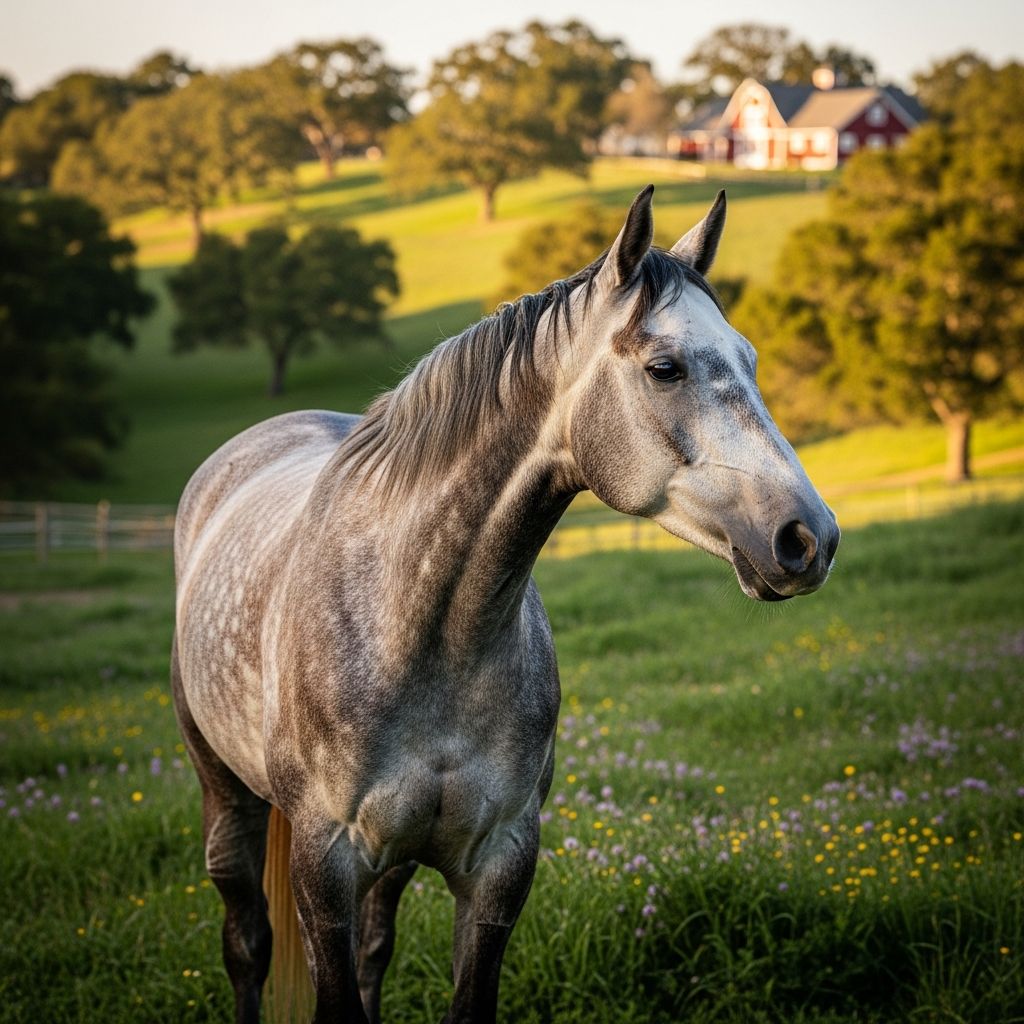
How Long Do Horses Live?
The average lifespan of a well-cared-for domestic horse typically ranges from 25 to 30 years, though some horses have been known to live well into their 40s or even 50s under optimal conditions. This extended longevity represents a significant increase compared to previous generations, thanks to advancements in veterinary medicine, improved nutrition, and better living conditions. Understanding what influences a horse’s lifespan can help owners make informed decisions about their care and ensure their equine companions enjoy a long, healthy life.
Average Horse Lifespan by Breed
Horse lifespan varies considerably depending on breed, with some breeds naturally living longer than others. Smaller breeds and ponies typically enjoy longer lifespans than their larger counterparts, as the increased physical demands on larger horses can lead to joint and organ strain.
| Breed | Average Lifespan |
|---|---|
| Arabian Horse | 25-35 years |
| Quarter Horse | 25-35 years |
| Thoroughbred | 25-28 years |
| Morgan Horse | 25-30 years |
| Appaloosa | 29-33 years |
| American Paint Horse | 30-31 years |
| Clydesdale (Draft) | 20-30 years |
| Shire (Draft) | 25-30 years |
| Pony Breeds (Shetland, Welsh) | 30-40 years |
| Wild Horses (Mustang) | 15-20 years |
Arabian horses are renowned for their endurance and resilience, often living into their 30s or beyond with proper care. Quarter Horses are similarly hardy and typically enjoy lifespans of 25 to 35 years with minimal genetic health issues. Thoroughbreds, while built for speed and racing, usually live 25 to 28 years, though their racing careers can sometimes impact their overall longevity. Ponies stand out as the longest-lived equines, frequently reaching their 40s when given attentive care.
Wild Horses vs. Domestic Horses
There is a stark contrast between the lifespans of wild and domestic horses. Wild horses, such as mustangs, typically live only 15 to 20 years due to the challenging conditions they face. Without access to consistent food sources, adequate shelter, veterinary care, and protection from predators and disease, wild horses experience significantly shorter lives. In contrast, domestic horses that receive proper nutrition, veterinary attention, and safe living environments can live 25 to 30 years or longer, demonstrating the profound impact of human care on equine longevity.
Key Factors Affecting Horse Lifespan
Multiple factors work together to determine how long a horse will live. Understanding and managing these elements is crucial for maximizing your horse’s lifespan and quality of life.
Genetics and Breed Predisposition
Genetics play a fundamental role in determining a horse’s potential lifespan. Different breeds carry different genetic predispositions to health conditions. Some breeds, like Arabians, are naturally hardier and known for their longevity, while others may be susceptible to specific genetic disorders. For example, certain breeds have higher susceptibility to equine metabolic syndrome, which can lead to laminitis and insulin resistance. Working closely with a veterinarian to understand your horse’s breed-specific health risks allows for targeted preventative care that can significantly extend your horse’s life.
Nutrition and Diet
A balanced diet is foundational to equine health and longevity. Horses require appropriate forage, grains, and supplements tailored to their age and activity level. A proper diet should include adequate fiber, protein, and fat, along with essential vitamins and minerals that support hoof, coat, and bone health. Malnutrition or obesity from an imbalanced diet can lead to metabolic disorders, colic, and other serious conditions that impact lifespan. Consulting with a veterinarian or equine nutritionist ensures that your horse receives optimal nutrition customized to their individual needs.
Veterinary Care
Routine veterinary care is essential for early detection and prevention of health issues. Regular check-ups, vaccinations, dental care, and parasite control can significantly impact a horse’s longevity and quality of life. Establishing a strong relationship with an equine veterinarian and creating a consistent schedule for wellness visits helps catch problems before they become serious. Proper dental care is particularly important, as dental problems can affect a horse’s ability to eat and absorb nutrients effectively.
Exercise and Physical Activity
Regular exercise is crucial for maintaining a healthy weight, joint mobility, and cardiovascular health. A consistent exercise routine suited to your horse’s age and physical condition improves overall health and helps prevent issues caused by inactivity. Physical activity promotes muscle tone and bone strength, both essential for longevity. However, exercise should be age-appropriate and gradually adjusted as horses enter their senior years.
Living Environment
A clean, safe, and stress-free environment promotes both physical and mental well-being in horses. Proper shelter, clean water, and good ventilation are vital for maintaining health. Horses need access to safe and dry paddocks where they can exercise and graze. Poor housing conditions, overcrowding, and exposure to harsh weather can negatively affect a horse’s health and shorten its lifespan. Additionally, reducing stressful stimuli and providing social companionship with other horses contributes to overall health and longevity.
Parasite Control
Parasites can cause digestive issues, weight loss, and anemia, significantly affecting a horse’s lifespan. Regular deworming and fecal egg count tests help prevent health complications and ensure the effectiveness of parasite control strategies. A comprehensive parasite management program tailored to your horse’s lifestyle and environment is an important component of preventative care.
Stress Management
Horses are sensitive animals, and chronic stress from poor handling, lack of companionship, or inadequate shelter can negatively impact health. Minimizing stress through consistent routines, gentle handling, and regular social interaction with other horses promotes mental and physical well-being. A calm, predictable environment allows horses to thrive and live longer, healthier lives.
Strategies to Extend Your Horse’s Lifespan
Horse owners have considerable influence over their equine companion’s longevity. By implementing evidence-based care practices, you can help your horse reach the upper range of its expected lifespan and enjoy a high quality of life.
Provide Proper Nutrition
Feeding a balanced diet of high-quality forage, grains, and supplements supports health and longevity. An appropriate diet tailored to your horse’s specific needs ensures they receive the nutrients necessary to maintain a healthy body and avoid diet-related health issues. Monitor your horse’s weight regularly and adjust feed quantities as needed to prevent obesity or malnutrition.
Ensure Regular Exercise
A consistent exercise routine suited to your horse’s age and physical condition improves overall health and helps prevent health issues caused by inactivity. Regular physical activity maintains muscle tone, joint flexibility, and cardiovascular health, all of which contribute to a longer lifespan.
Schedule Routine Veterinary Check-ups
Establish a strong relationship with an equine veterinarian and maintain a schedule for regular wellness visits. These check-ups allow for early detection of health problems and preventative care that can extend your horse’s life significantly.
Maintain Excellent Living Conditions
Ensure your horse has access to clean water, adequate shelter, good ventilation, and safe pastures or paddocks. A clean, well-maintained environment reduces stress and prevents many health issues.
Implement Parasite Control Programs
Work with your veterinarian to develop a parasite control program appropriate for your horse’s needs and environment. Regular deworming and monitoring help prevent parasitic infections that can shorten lifespan.
Provide Social Interaction
Horses are social animals that thrive with companionship. Providing opportunities for interaction with other horses or regular human contact reduces stress and promotes well-being, contributing to longer lifespans.
Caring for Senior Horses
As horses age, their care requirements change. Today, it is common to find very healthy horses between 25 and 30 years old, thanks to advancements in equine healthcare and nutrition. Senior horses may require adjustments to their diet, more frequent veterinary visits, and modified exercise routines. Special attention to dental care, joint health, and metabolic issues becomes increasingly important. Many horses enjoy happy, active lives well into their 30s and beyond when provided with age-appropriate care.
Frequently Asked Questions
Q: What is the average lifespan of a domestic horse?
A: The average lifespan of a well-cared-for domestic horse is 25 to 30 years, though some horses can live into their 40s or 50s with excellent care and favorable genetics.
Q: Which horse breeds live the longest?
A: Pony breeds such as Shetlands and Welsh ponies typically have the longest lifespans, often reaching 30 to 40 years. Arabian horses and Quarter Horses also live quite long, often reaching 25 to 35 years. Smaller breeds generally live longer than larger draft breeds.
Q: Why do wild horses live shorter lives than domestic horses?
A: Wild horses face challenges such as limited access to food, shelter, and veterinary care. They must survive harsh weather, disease, and predators. These factors result in lifespans of only 15 to 20 years, compared to 25 to 30 years for domestic horses.
Q: How does nutrition affect horse lifespan?
A: Proper nutrition is essential for longevity. A balanced diet with appropriate forage, grains, and supplements tailored to a horse’s age and activity level supports health and extends lifespan. Malnutrition or obesity can lead to serious health problems that shorten life expectancy.
Q: What role does veterinary care play in extending a horse’s life?
A: Regular veterinary care, including check-ups, vaccinations, dental care, and parasite control, allows for early detection and prevention of health issues. This proactive approach can significantly extend a horse’s lifespan.
Q: Can exercise improve a horse’s lifespan?
A: Yes, regular exercise is crucial for maintaining a healthy weight, joint mobility, and cardiovascular health. A consistent exercise routine suited to the horse’s age and condition improves overall health and helps prevent inactivity-related issues.
Q: Do larger horse breeds live shorter lives than smaller breeds?
A: Generally, yes. Larger breeds like draft horses (Clydesdales, Shires) typically live 15 to 30 years, while smaller breeds and ponies often live 30 to 40 years. The increased physical strain on larger horses’ joints and organs contributes to shorter lifespans.
Q: How does stress affect a horse’s lifespan?
A: Chronic stress from poor handling, lack of companionship, or inadequate shelter can negatively impact a horse’s health and reduce lifespan. Providing a consistent routine, gentle handling, and social interaction helps minimize stress and promote longevity.
Q: What is the oldest a horse can live?
A: In rare cases, domestic horses have lived into their 50s or 60s with exceptional care and favorable genetics. However, the average domestic horse typically lives 25 to 30 years.
Q: How should I care for an aging horse?
A: Senior horses require adjusted nutrition, more frequent veterinary visits, and modified exercise routines. Pay special attention to dental care, joint health, and metabolic issues. Many horses enjoy healthy, active lives well into their 30s with proper age-appropriate care.
References
- Understanding Horse Life Span: Key Factors — VetCS. 2024. https://vetcs.com/blogs/pet-horse-care/horse-life-span
- How Old Can Horses Live? Understanding Lifespan and Care Factors — Kawell USA. 2024. https://kawellusa.com/blogs/blog/how-old-can-horses-live-understanding-lifespan-and-care-factors
- How Long Does a Horse Live? (7 Factors Affect Horse Longevity) — Wild Jolie. 2024. https://wildjolie.com/blogs/guide/horse-lifespan
- Caring for an Older Horse: Health and Nutrition Tips — PetMD. 2024. https://www.petmd.com/horse/caring-for-older-horse-health-nutrition-tips
- How Long Do Horses Live — WebMD. 2024. https://www.webmd.com/pets/how-long-do-horses-live
- Horse Quality of Life Assessment — PetMD. 2024. https://www.petmd.com/horse/horse-quality-life-assessment
- How Long Do Horses Live? | Chewy — Chewy Education. 2024. https://www.chewy.com/education/horse/general/how-long-do-horses-live
Similar Articles








Read full bio of Sneha Tete


