

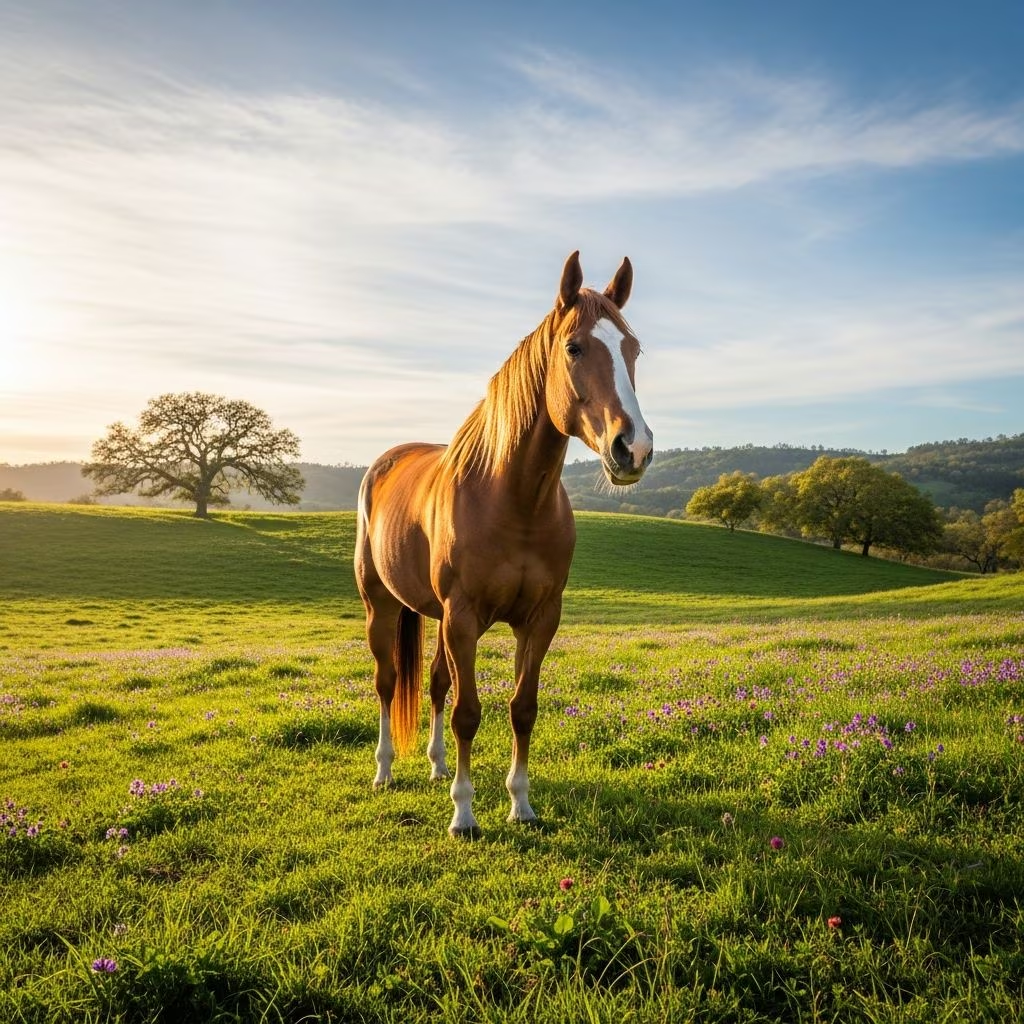
How Long Do Horses Live?
The average lifespan of a domesticated horse typically ranges from 25 to 30 years, though this can vary considerably based on numerous factors. Some horses may live into their late 30s or even 40s with exceptional care, while others may have shorter lifespans due to genetics, health conditions, or environmental circumstances. Understanding what influences a horse’s longevity is essential for any horse owner looking to provide the best possible care for their equine companion.
Average Lifespan by Horse Breed
Different horse breeds have varying lifespans, with some breeds naturally living longer than others. This variation is largely determined by genetics and selective breeding practices that have emphasized longevity in certain lines.
| Horse Breed | Average Lifespan | Notes |
|---|---|---|
| Arabian Horses | 30+ years | Known for exceptional longevity and hardy constitutions |
| Thoroughbreds | 25-28 years | Physical demands of racing may affect lifespan |
| Quarter Horses | 25-30 years | Generally hardy with good longevity potential |
| Ponies | 25-35 years | Smaller breeds often have longer average lifespans |
| Draft Horses | 25-30 years | Larger breeds may have slightly shorter lifespans than ponies |
Key Factors That Influence Horse Longevity
Multiple interconnected factors determine how long a horse will live. While some elements like genetics are beyond human control, many aspects of a horse’s lifespan can be positively influenced through proper management and care.
Genetics and Breed Predisposition
Genetics play a fundamental role in determining how long a horse lives. Just as with humans, horses inherit traits from their parents that affect their overall health, disease resistance, and natural lifespan. Certain breeds are genetically predisposed to live longer, while others may be more susceptible to specific health conditions that can shorten their years.
Purebred horses, particularly those from carefully managed breeding lines, tend to outlive their mixed-breed counterparts because breeders have deliberately selected for traits associated with longevity and health. When considering purchasing a horse, examining the family lineage and health history can provide valuable insights into the horse’s likely lifespan potential.
Diet and Nutrition
A well-balanced diet is one of the most critical factors in extending a horse’s lifespan. Proper nutrition directly impacts a horse’s ability to resist disease, recover from injuries, and maintain overall health as they age. Horses require consistent access to quality forage, appropriate grains and supplements, and clean water.
Essential nutritional components include:
– Adequate fiber from high-quality hay
– Sufficient vitamins and minerals for bone and hoof health
– Appropriate protein for muscle maintenance
– Essential fatty acids for coat and skin condition
– Regular access to clean, fresh water
As horses age, their nutritional needs often become more specific and demanding. Senior horses may require specialized feeds, additional supplements, or adjustments to their diet to maintain body condition and overall health. Horses receiving consistent proper nutrition are better equipped to handle stressors such as illness, injury, or environmental challenges.
Exercise and Activity Level
Regular, appropriate exercise is essential for maintaining a horse’s physical and mental health throughout their lifetime. Exercise keeps muscles toned, maintains bone strength, supports cardiovascular function, and helps prevent behavioral problems associated with inactivity.
However, balance is crucial. While sedentary horses are prone to injuries and health complications, horses subjected to excessive, intense work without adequate recovery time experience accelerated aging and stress on their joints and muscles. The most successful approach involves moderate, consistent work combined with adequate rest and recovery periods.
Veterinary Care and Medical Management
Access to quality veterinary care significantly extends a horse’s lifespan. Regular veterinary check-ups, preventative care, dental examinations, vaccinations, and parasite control are all critical components of equine longevity. Domesticated horses live longer than their wild counterparts largely because veterinarians can address medical conditions and manage health issues proactively.
Key veterinary care practices include:
– Annual or bi-annual wellness examinations
– Dental care and tooth floating as needed
– Vaccination programs tailored to the horse’s lifestyle
– Regular parasite screening and treatment
– Prompt treatment of injuries or illnesses
– Management of chronic conditions like arthritis or metabolic syndrome
Living Conditions and Environment
The environment where a horse lives dramatically impacts their health and longevity. Horses thriving in clean, safe, well-maintained facilities with adequate shelter are significantly less likely to develop health problems compared to those in cramped or unsanitary conditions.
Ideal living conditions provide:
– Clean, dry shelter protected from extreme weather
– Adequate space for movement and exercise
– Access to pasture or turnout areas for socialization
– Proper drainage to prevent moisture accumulation
– Regular cleaning to reduce disease transmission
– Protection from hazards and injuries
Horses living in poor conditions often develop respiratory issues, joint problems, and other health complications that reduce their lifespan.
Stress Management
Chronic stress significantly impacts a horse’s health and longevity. High-intensity activities like racing or consistent demanding training, combined with inadequate rest and recovery, can wear down a horse’s body over time. Repeated stress exposure leads to joint problems, muscle fatigue, and conditions like arthritis that decrease quality of life and lifespan.
Horses with balanced work schedules, adequate downtime, and stress-free environments tend to live longer, happier lives. Social interaction with other horses also plays an important role in stress management and overall well-being.
Common Health Issues Affecting Lifespan
Certain health conditions are more prevalent in horses and can significantly impact their longevity. Understanding these issues allows horse owners to implement preventative strategies or manage conditions effectively.
Equine Metabolic Syndrome: Some breeds, particularly smaller, hardier breeds, are more prone to metabolic issues including insulin resistance and laminitis. Proper nutrition, regular exercise, and veterinary monitoring can help manage these conditions and extend lifespan.
Arthritis and Joint Disease: Wear and tear from work, genetic predisposition, and aging all contribute to joint problems. Proper exercise management, supplements, and veterinary care can slow progression and maintain quality of life.
Chronic Weight Loss and Neurological Issues: These conditions become more common in older horses and are among the leading causes of death in senior equines. Appropriate nutrition and veterinary management are essential for addressing these challenges.
How to Extend Your Horse’s Lifespan
While genetics set the foundation, horse owners have substantial control over factors that can extend their horse’s life expectancy. Even horses adopted later in life can have their lifespans extended through improved care and management.
Implement Quality Nutrition
Provide high-quality hay, appropriate grain or concentrates based on the horse’s needs and work level, and access to clean water at all times. Consider supplements for joint health, hoof quality, and overall wellness, particularly for aging horses.
Establish a Consistent Exercise Routine
Create a balanced program that includes regular work appropriate to the horse’s age and ability, combined with adequate rest days. Include varied activities to maintain mental engagement and prevent boredom-related behavioral issues.
Maintain Regular Veterinary Care
Schedule routine check-ups, keep vaccinations current, maintain a regular dental care schedule, and implement parasite control programs. Address health issues promptly before they become serious.
Ensure Clean Living Conditions
Maintain clean stalls, provide proper ventilation, ensure adequate shelter, and regularly groom your horse. Clean living conditions reduce disease transmission and respiratory problems.
Promote Social Interaction
Allow horses to interact with other horses when possible. Social engagement reduces stress and promotes psychological well-being, both essential for longevity.
Horse Lifespan Across Different Life Stages
A horse’s lifespan can be divided into distinct life stages, each with unique care requirements:
Foals and Weanlings (0-2 years): Early nutrition and handling establish foundations for lifelong health. Proper veterinary care, including vaccinations and deworming, is critical during these formative years.
Young Horses (2-7 years): During this stage, horses are often put into work. Proper training, gradual conditioning, and injury prevention are essential to prevent long-term damage that could shorten lifespan.
Mature Adults (7-15 years): Peak working years with consistent care requirements. Maintaining fitness and addressing any health issues promptly helps ensure longevity.
Senior Horses (15+ years): Aging horses require specialized care including adjusted nutrition, modified exercise, increased veterinary monitoring, and management of age-related health conditions.
Frequently Asked Questions About Horse Lifespan
Q: What is the oldest horse ever recorded?
A: While most horses live 25-30 years, some exceptional horses with outstanding genetics and care have lived into their 40s. The oldest reliably documented horse was Old Billy, who lived to 62 years old in the 1800s, though such extreme ages are extremely rare.
Q: Can a horse’s lifespan be extended past 30 years?
A: Yes. With exceptional care including high-quality nutrition, regular veterinary attention, appropriate exercise, and a stress-free environment, many horses can live well into their 30s and occasionally into their 40s. Even horses adopted later in life can have their lifespans extended through improved care.
Q: How do wild horses’ lifespans compare to domesticated horses?
A: Wild horses typically have shorter lifespans than domesticated horses, usually living only 15-20 years. The availability of veterinary care, consistent nutrition, and shelter significantly extends the lifespan of domesticated horses.
Q: At what age is a horse considered senior?
A: Most horses are considered senior around 15-18 years of age. Senior horses require adjusted care including specialized nutrition, modified exercise routines, and more frequent veterinary check-ups to address age-related health issues.
Q: Do smaller horse breeds live longer than larger breeds?
A: Generally, yes. Ponies and smaller horse breeds tend to have longer average lifespans than draft horses and larger breeds. However, individual health, genetics, and care quality significantly influence lifespan regardless of breed size.
Q: How can I tell if my horse is aging well?
A: Signs of healthy aging include maintaining appropriate body condition, having good dental health, demonstrating normal movement and flexibility, maintaining social engagement, and showing no signs of chronic pain or serious health issues. Regular veterinary assessments help monitor your horse’s aging process.
Q: What nutrition is best for senior horses?
A: Senior horses often require specialized senior feeds formulated for easier digestion, higher quality protein, and balanced minerals. Good quality hay, appropriate supplementation, and consistent access to clean water are essential. Discuss specific nutritional needs with your veterinarian.
Conclusion
While the average horse lifespan of 25 to 30 years provides a general guideline, understanding that each horse is unique is important. Genetics, breed, diet, exercise, veterinary care, living conditions, and stress management all significantly influence how long your horse will live. By implementing proper nutrition, maintaining regular veterinary care, providing appropriate exercise, ensuring clean living conditions, and managing stress effectively, horse owners can significantly extend their equine companion’s lifespan and quality of life. Even horses adopted later in life can benefit from improved care practices that help them live longer, healthier, and happier lives. The investment in proper horse care today translates directly into additional years with your beloved equine friend tomorrow.
References
- How Several Factors Can Affect a Horse’s Longevity — The Epic Animal. Accessed 2025. https://theepicanimal.com/blogs/blogs/how-several-factors-can-affect-a-horse-s-longevity
- Horse Lifespan: Understanding the Age Span of Horses — JH Horse Stable. Accessed 2025. https://jhhorsestable.com/horse-lifespan-understanding-the-age-span-of-horses/
- Horse Years to Human Years: All About the Equine Lifespan — Parelli. Accessed 2025. https://shopus.parelli.com/blogs/savvystation/horse-years-to-human-years-all-about-the-equine-lifespan
- How Long Do Horses Live? It Depends On A Number Of Factors — The Equestrian. Accessed 2025. https://www.theequestrian.com.au/blogs/news/how-long-do-horses-live
- How Long Do Horses Live? Key Factors That Impact Lifespan — Tribute Equine Nutrition. Accessed 2025. https://tributeequinenutrition.com/blogs/news/how-long-do-horses-live-what-factors-impact-how-long-they-can-live-and-tips-for-ensuring-your-horse-lives-a-long-healthy-life
- How Old Can Horses Live? Understanding Lifespan and Care Factors — Kawell USA. Accessed 2025. https://kawellusa.com/blogs/blog/how-old-can-horses-live-understanding-lifespan-and-care-factors
- How Long Do Horses Live? — PetMD. Accessed 2025. https://www.petmd.com/horse/how-long-do-horses-live



