

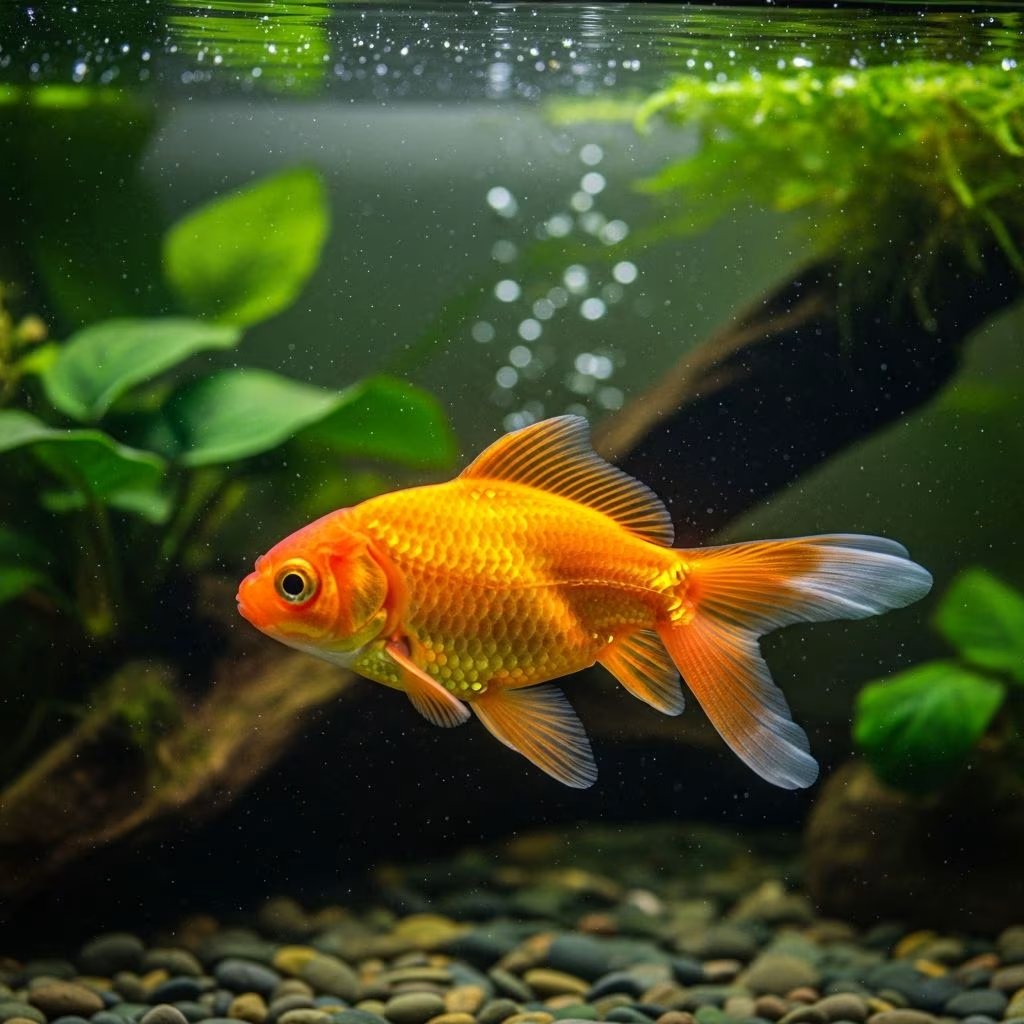
How Long Do Goldfish Live?
Goldfish are among the most popular aquarium pets, yet many people are surprised to learn just how long these fish can actually live. With the right care and environment, goldfish can live up to 30 years, making them a long-term commitment for pet owners. However, the reality for most pet goldfish is quite different. Without proper care, goldfish often live only a few years, and those kept in bowls may not even survive to their first birthday.
The discrepancy between potential lifespan and actual lifespan highlights a critical misconception: goldfish are not “disposable” pets that thrive in minimal conditions. Instead, they require dedicated care, appropriate housing, and attention to their environmental needs. Understanding these requirements is essential for any goldfish owner who wants their fish to reach its full potential.
Understanding Goldfish Lifespan by Environment
Where your goldfish lives dramatically impacts how long it will survive. Different environments provide varying levels of space, water quality, and natural conditions that directly influence longevity.
In a Filtered Tank
Goldfish kept in filtered aquariums typically live between 10 and 15 years. Tanks with adequate space—at least 20 gallons for smaller goldfish and 75 gallons or larger for adults—allow for better water quality and proper growth. Filtration is crucial because it maintains stable conditions by breaking down waste and preventing the accumulation of harmful ammonia and nitrites. A well-maintained filtered tank provides the infrastructure necessary for long-term health, though it requires consistent effort from the owner.
In an Outdoor Pond
Outdoor ponds represent the ideal environment for goldfish, typically allowing fish to live 20 to 30 years. Ponds offer several advantages: greater water volume dilutes waste more effectively, natural sunlight exposure boosts immunity and growth, and the larger space allows goldfish to reach their full potential size. Ponds that maintain at least 150 gallons with proper circulation can support goldfish well into their twenties and beyond. Some individuals in optimal pond conditions have even reached their thirties.
In Bowls and Small Containers
Fishbowls remain one of the most common—and most damaging—housing options for goldfish. Goldfish living in bowls are extremely limited in lifespan. Even with frequent water changes and dedicated care, the average bowl-kept goldfish lives only two to three years. Without optimal care, a goldfish in a bowl might survive just a few months. The problems with bowls are multifaceted: they lack adequate surface area for oxygen exchange, cannot support beneficial bacteria colonies due to constant water replacements, and concentrate waste rapidly in a tiny volume.
Key Factors Affecting Goldfish Lifespan
Multiple interconnected factors determine how long a goldfish will live. Addressing each one significantly improves your fish’s chances of reaching its full potential.
Water Quality
Water quality is the single most important factor affecting goldfish longevity. Goldfish produce substantial waste, releasing ammonia and other compounds that degrade water conditions. Ammonia and nitrites are particularly dangerous—they damage skin and gills, and nitrites specifically inhibit oxygen uptake. Poor water quality causes stress, which weakens immunity and shortens lifespan even if it doesn’t cause immediate death. Regular partial water changes (25-50% weekly) remove built-up ammonia and nitrates, keeping conditions fresh. Testing water parameters regularly ensures ammonia and nitrate levels remain undetectable.
Tank Size and Water Volume
Larger tanks and ponds support longer goldfish lifespans because they provide more water volume to dilute waste and allow for better oxygen circulation. A small tank concentrates waste products and limits oxygen exchange, stressing the fish constantly. Additionally, goldfish release growth-inhibiting pheromones into their water—unless water is changed very frequently, these pheromones suppress growth and vitality. Fish moved from aquariums to ponds over warmer months often show measurable health improvements due to increased space, natural foods, and growth opportunities.
Temperature and Seasonal Stability
Goldfish perform best in water temperatures between 65-75°F (optimal range 68-74°F). While goldfish tolerate cold temperatures well and can brumate (become dormant) in winter at around 39°F (4°C), rapid temperature fluctuations stress their immune system. Rapid pH swings also cause stress and reduce longevity. Maintaining stable conditions—through consistent heating, adequate circulation, and seasonal preparation—protects fish health over the long term.
Diet and Nutrition
Proper nutrition is fundamental to goldfish health. Feed high-quality goldfish pellets or flakes formulated specifically for goldfish, supplemented occasionally with fresh vegetables or protein sources like brine shrimp or bloodworms. Overfeeding is a common mistake that actually shortens goldfish lifespan more than many other factors. Excess food fouls water quality, promoting ammonia buildup and stress. Feed only 1-3 small pinches once or twice daily, adjusting based on the fish’s response.
Type of Goldfish
Common and comet goldfish typically live longer than fancy goldfish varieties. Fancy goldfish—including fantails, ryukins, and bubble-eyes—have been selectively bred for appearance, often resulting in health predispositions and shortened lifespans. Common goldfish have been known to live over 20 years in optimal conditions, while fancy varieties more commonly reach 10-15 years even with excellent care.
Common Mistakes That Shorten Goldfish Lifespan
Many goldfish owners inadvertently reduce their fish’s lifespan through common errors:
- Bowl or vase keeping: The surface area is too small for proper gas exchange, trapping carbon dioxide and depleting oxygen.
- Neglecting water changes: Nitrate creep from infrequent changes gradually suffocates fish over years.
- Using sharp décor: Torn fins from rough decorations invite bacterial infections.
- Skipping quarantine procedures: Introducing parasites or diseases can devastate established fish populations.
- Poor initial care: Goldfish obtained from carnivals or purchased as impulse buys often receive inadequate acclimation and care, setting them up for premature death.
- Overfeeding: Excess food degrades water quality faster than almost any other factor.
- Inadequate filtration: Without proper biological filtration, ammonia and nitrite levels spike dangerously.
How to Extend Your Goldfish’s Life Expectancy
Maximizing your goldfish’s lifespan requires attention to multiple care dimensions:
Provide Adequate Space
Start with at least 20 gallons for a single goldfish in an aquarium, adding 10-15 gallons per additional fish. For ponds, 150+ gallons is ideal. Larger environments provide better water quality stability, allow proper growth, and reduce stress-related health problems.
Install and Maintain Filtration
Establish a filter appropriate to your tank or pond size. Allow new tanks to cycle for at least three weeks before adding fish, enabling beneficial bacteria to establish. These bacteria are essential for breaking down waste and keeping ammonia levels low. Regular filter maintenance—cleaning according to manufacturer guidelines—ensures continued effectiveness.
Perform Regular Water Changes
Change 25-50% of tank water weekly to remove accumulated nitrates and other dissolved waste products. In smaller tanks, more frequent changes may be necessary. This single maintenance task dramatically improves water quality and longevity.
Maintain Stable Water Parameters
Test water regularly for ammonia, nitrite, nitrate, and pH. Maintain pH between 6.8 and 7.6 and temperature between 68-74°F. Avoid sudden parameter swings that stress the fish.
Provide Proper Oxygenation and Circulation
Goldfish exhale substantial amounts of carbon dioxide. Adequate surface area, aeration, and water circulation prevent stratification and gas stagnation. In ponds, circulating fountains or aerators improve oxygen levels significantly. For tanks, an air pump or powerhead increases oxygenation. In winter pond setups, maintaining a vent hole in ice with a solar aerator allows gases to escape, allowing goldfish to brumate safely at 39°F (4°C).
Feed a High-Quality Diet
Provide goldfish-specific pellets or flakes as the staple, with occasional fresh vegetables (blanched peas) and protein sources. Feed appropriate portions once or twice daily, never overfeeding. A proper diet supports growth, immunity, and longevity.
Choose Compatible Tank Mates
Select peaceful, compatible fish that won’t stress or injure goldfish. Incompatible species cause stress, disease transmission, and fighting that shortens lifespan.
The Reality of Goldfish Lifespan
Despite their potential for longevity, most pet goldfish never reach their full lifespan. The average lifespan for common goldfish in captivity is closer to four or five years, with some reaching ten years only under optimal conditions. This gap between potential and reality stems largely from poor breeding practices and insufficient care by many goldfish owners.
The most frequent cause of premature death in goldfish is poor water quality. Tank maintenance is paramount—goldfish that receive consistent, dedicated care easily reach 10-15 years, while those in neglected conditions rarely survive beyond a few years. The oldest recorded goldfish lived 43 years, demonstrating that with exceptional care, these fish possess remarkable longevity.
Comparing Goldfish Lifespan by Conditions
| Environment | Average Lifespan | Maximum Potential | Key Requirements |
|---|---|---|---|
| Small Bowl/Vase | 2-3 years (with care) | 1 year (typical) | Frequent water changes |
| Filtered Tank (20-40 gal) | 6-8 years | 10-15 years | Weekly water changes, filtration |
| Large Tank (75+ gal) | 10-15 years | 15+ years | Stable parameters, quality filtration |
| Outdoor Pond (150+ gal) | 15-25 years | 30+ years | Circulation, sunlight, natural conditions |
Frequently Asked Questions
Q: Can goldfish really live 30 years?
A: Yes, with exceptional care and optimal environment, goldfish can live up to 30 years, though this is relatively rare. Most goldfish in good conditions live 10-15 years, with pond-kept fish reaching 20+ years.
Q: Why do goldfish in bowls die so quickly?
A: Bowls lack adequate surface area for oxygen exchange, cannot support beneficial bacteria, concentrate waste rapidly, and provide no room for growth. Even with frequent water changes, bowl-kept goldfish rarely live beyond 2-3 years.
Q: How often should I change my goldfish’s water?
A: Perform 25-50% partial water changes weekly. In smaller tanks or those without adequate filtration, more frequent changes may be necessary to maintain water quality.
Q: What’s the best environment for a long-lived goldfish?
A: An outdoor pond of 150+ gallons with proper circulation provides the ideal environment for goldfish, typically supporting lifespans of 20-30 years. A well-maintained filtered aquarium of 75+ gallons is the next best option.
Q: Do fancy goldfish live as long as common goldfish?
A: No, fancy goldfish varieties typically live shorter lives than common goldfish due to selective breeding for appearance, which often results in health predispositions.
Q: What water temperature is best for goldfish?
A: Maintain water temperature between 65-75°F, with 68-74°F being optimal. Goldfish tolerate cool water well and can brumate safely at 39°F (4°C) in winter, but rapid temperature changes stress them.
Q: Can moving a goldfish from a tank to a pond improve its health?
A: Yes, research indicates that aquarium fish moved to ponds during warmer months often show measurable health improvements due to increased space, natural foods, sunlight exposure, and growth opportunities.
References
- Average Life of a Goldfish: How Long They Live & Tips to Extend It — Poposoap. 2025. https://www.poposoapsolar.com/blogs/aquatic-life/average-goldfish-lifespan
- How Long Do Goldfish Live? — Chewy. 2025. https://www.chewy.com/education/fish/general/how-long-do-goldfish-live
- Goldfish Lifespan: 5 Tips To Impact How Long They Live — Aquarium Source. 2025. https://www.aquariumsource.com/goldfish-lifespan/
- How Long Do Goldfish Live? 10 Years Should Be Considered A Success — About Goldfish. 2025. https://www.about-goldfish.com/how-long-do-goldfish-live.html
- Why Do Carnival Goldfish Die So Fast — Hygger. 2025. https://www.hygger-online.com/why-do-carnival-goldfish-die-so-fast/
- Many Pet Goldfish Never Reach Their Life Expectancy, and Here’s Why — Lab Roots. 2025. https://www.labroots.com/trending/plants-and-animals/14043/pet-goldfish-reach-life-expectancy-here-s
- Goldfish Care: Diseases, Lifespan & Health Tips — Toledo Goldfish. 2025. https://toledogoldfish.com/blogs/news/tagged-goldfish-goldfish-care-101



