

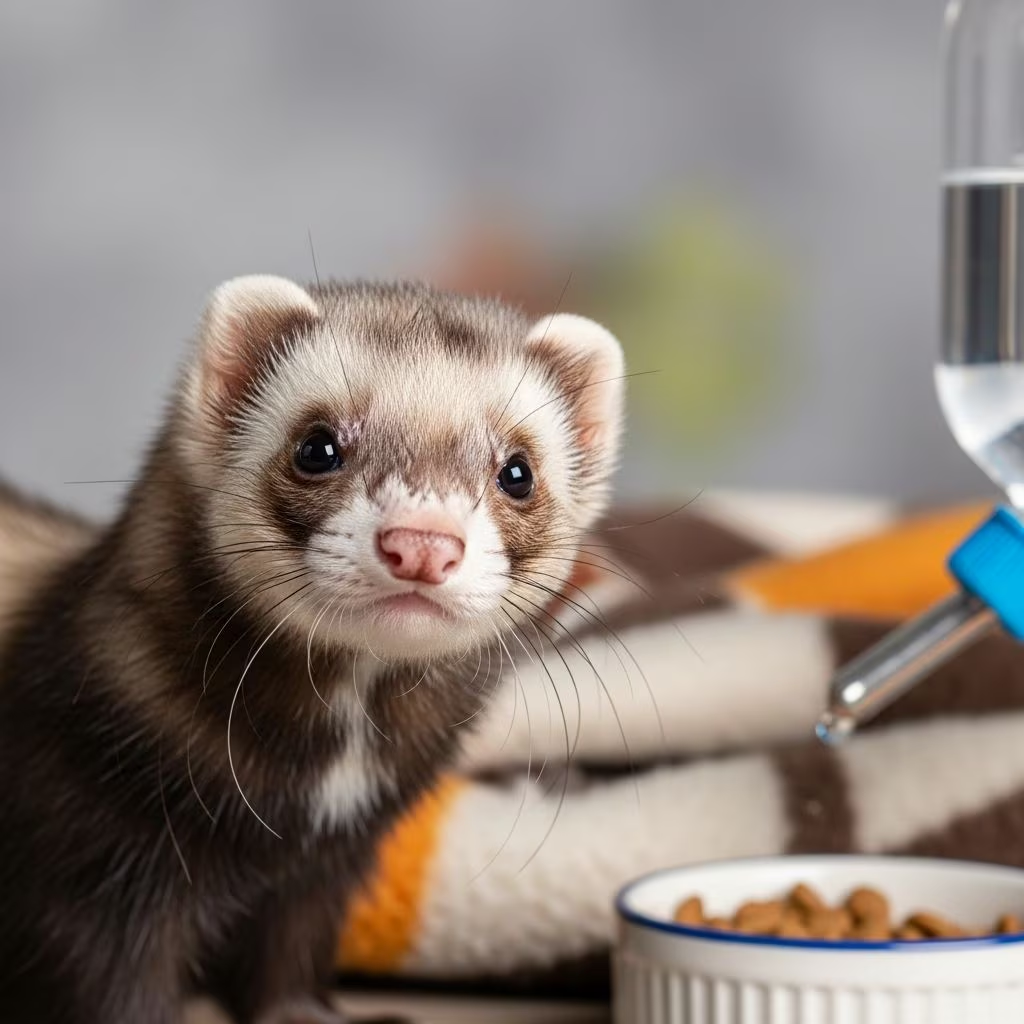
How Long Do Ferrets Live?
Ferrets make wonderful and entertaining companions for pet owners seeking small animals with big personalities. However, before bringing a ferret into your home, understanding their lifespan is crucial for making an informed decision about pet ownership. The average lifespan of domestic ferrets ranges from 5 to 10 years, though most ferrets in North America live between 5 to 7 years on average. With exceptional care, proper nutrition, and routine veterinary attention, some ferrets can live beyond 10 years, with the oldest known ferret reaching 14 years of age.
Understanding Ferret Lifespans
The lifespan of ferrets varies considerably depending on numerous factors unique to each individual animal. While some ferrets may live only 4 to 6 years, others with superior genetics and optimal care can reach their teenage years. This variability means that the responsibility of ferret ownership extends throughout a substantial portion of a pet owner’s life, requiring long-term commitment and resources.
Domesticated ferrets are descendants of the European polecat, which naturally lives about 5 years in the wild and up to 14 years in captivity. This genetic heritage provides insight into the potential longevity ferrets possess when provided with appropriate care and living conditions. Understanding the difference between average lifespan and potential lifespan helps owners set realistic expectations while striving for the best possible outcomes.
Factors That Influence Ferret Lifespan
Multiple variables work together to determine how long your ferret will live. By understanding these factors, you can take proactive steps to maximize your pet’s years with you.
Genetics and Breeding Background
One of the most significant factors affecting ferret longevity is their genetic background and breeding history. Ferrets bred from reputable breeders typically live longer lives, often reaching 8 to 11 years of age. These breeders prioritize health and genetic diversity, allowing ferrets to develop and mature properly before adoption. In contrast, ferrets from commercial breeding mills often have poor genetics and health histories, typically living only 6 to 8 years. Most pet store ferrets come from large commercial breeders that prioritize rapid production over health considerations, which can significantly shorten lifespan.
Early practices in commercial breeding, including spaying or neutering as early as 4 to 6 weeks of age and removal from mothers around 8 weeks, may contribute to shorter lifespans compared to ferrets from responsible breeders. The genetic foundation established during breeding creates lasting effects on an individual ferret’s health trajectory throughout its life.
Diet and Nutrition
Ferrets are obligate carnivores with specific nutritional requirements that differ significantly from other household pets. A high-protein, low-carbohydrate diet is essential for ferret health and longevity. The American Ferret Association recommends feeding ferret-specific diets or wet cat or dog food containing at least 36% protein. Unfortunately, many commercial ferret kibbles contain excessive carbohydrates and fillers that can harm long-term health and reduce lifespan.
Quality nutrition options for ferrets include high-quality ferret-specific kibble, freeze-dried raw diets, or complete raw diets formulated for ferret nutritional needs. While nutritional quality plays an important role in longevity, individual variation means that some ferrets on suboptimal diets may still live longer than expected, while others with perfect nutrition may face unexpected health challenges.
Environmental Conditions
The living environment significantly impacts ferret health and lifespan. Ferrets that enjoy high-quality living conditions with adequate space, enrichment, and social interaction tend to live longer than those confined to small cages or stressful environments. Ferrets are inherently curious and social animals that require regular interaction, mental stimulation, and physical activity to maintain psychological and physical health.
Environmental stress, including overcrowding, inadequate temperature control, poor ventilation, or isolation, can negatively affect ferret lifespan. Creating an enriching environment with opportunities for exploration, play, and social connection supports overall wellness and longevity.
Veterinary Care and Health Monitoring
Regular veterinary care is fundamental to extending ferret lifespan. Ferrets should receive annual physical examinations and vaccinations to prevent serious diseases. As ferrets age, they become more susceptible to geriatric and neoplastic diseases, with many exotic veterinarians considering ferrets “senior” at 3 to 4 years of age. Routine health checks, dental cleanings, and diagnostic testing such as blood work, urine analysis, and x-rays help identify health issues early when intervention is most effective.
Vaccinations protect against canine distemper, rabies, and other serious conditions that can be fatal to ferrets. Age-related conditions like adrenal disease, lymphoma, and dental problems require consistent monitoring and management to preserve quality of life and extend longevity.
Color and Genetics
Certain color variations in ferrets are associated with genetic health issues that can reduce lifespan. Uncommon or unique color patterns and markings, particularly those involving white coloration on the head such as panda patterns, are more likely to carry genetic concerns. Some color variations, including certain white-headed patterns, can result in congenital deafness, a condition that affects quality of life and may complicate care. Ferrets with greater genetic diversity and fewer genetic predispositions generally enjoy longer, healthier lives.
Ferret Life Stages
Understanding ferret development helps owners anticipate needs and provide appropriate care throughout their pet’s life. Ferrets progress through distinct life stages, each with characteristic behaviors and care requirements:
Baby or Kit Stage (Birth to 4 Weeks)
During the earliest stage of life, ferrets are dependent on maternal care for nutrition and development. Kits remain with their mothers, nursing and beginning to explore their environment. This stage is critical for proper development and early socialization.
Youth: Terrible Twos (4 to 7 Weeks)
Ferrets in this stage earn the nickname “terrible twos” due to their playful, sometimes chaotic behavior. They are highly energetic and begin the weaning process while maintaining strong bonds with littermates. Early socialization during this period influences their temperament as adults.
Youth: Adolescence (7 to 12 Weeks)
Adolescent ferrets are nearly independent and continue developing their personalities. They demonstrate increased coordination and hunting instincts while maintaining youthful energy and curiosity.
Young Adulthood (4 to 7 Months)
Ferrets reach physical maturity and develop their adult personalities. They maintain high energy levels and require substantial environmental enrichment and social interaction. Training and behavior patterns become more established during this phase.
Mature Adult (8 Months to 5 Years)
Ferrets in this stage are fully developed and typically in their prime years, displaying consistent personalities and energy levels. They require ongoing enrichment, socialization, and appropriate nutrition to maintain health.
Senior Stage (6 Years and Older)
Senior ferrets experience age-related changes including decreased energy, potential health issues, and increased veterinary needs. Supportive care, comfortable accommodations, and close health monitoring become especially important during this life stage.
Common Health Conditions Affecting Ferret Lifespan
Several medical conditions commonly affect ferrets as they age and can impact longevity. Adrenal disease, characterized by abnormal adrenal gland function, frequently affects middle-aged and senior ferrets. Lymphoma, a type of cancer, represents another serious concern in aging ferrets. Pancreatic issues and dental disease also become more prevalent with age. Additionally, ferrets can contract serious infectious diseases including canine distemper, rabies, and the Aleutian disease virus, which can be fatal if not prevented through vaccination and proper care.
Early detection through regular veterinary examinations, appropriate vaccinations, and prompt treatment of health issues can significantly extend the quality and length of ferret life. Many age-related conditions, when managed properly, do not prevent ferrets from living satisfying lives with their owners.
Maximizing Your Ferret’s Lifespan
Pet owners can implement several evidence-based strategies to help their ferrets live longer, healthier lives:
– Provide high-quality, ferret-specific nutrition with adequate protein and appropriate nutrient profiles- Schedule regular veterinary examinations at least annually, or more frequently for senior ferrets- Maintain current vaccinations and preventative care as recommended by your exotic veterinarian- Create an enriching environment with adequate space, toys, and opportunities for natural behaviors- Ensure appropriate social interaction and mental stimulation daily- Keep ferrets at comfortable temperatures, typically between 60-70 degrees Fahrenheit- Monitor for signs of illness and seek veterinary care promptly when concerns arise- Provide dental care and monitoring throughout their lives- Consider adopting ferrets from reputable breeders rather than commercial sources when possible
Wild Ferrets vs. Domestic Ferrets
The distinction between wild and domestic ferrets is important for understanding lifespan expectations. While domestic ferrets in captivity typically live 4 to 6 years, their wild cousins may only survive 1 to 3 years due to lack of veterinary care, inadequate shelter, and inconsistent nutrition. This dramatic difference illustrates how essential appropriate care and environmental conditions are for ferret survival and longevity.
The endangered black-footed ferret, a wild ferret species found in the United States, lives only 3 to 4 years in the wild and faces additional challenges from genetic diversity concerns and disease. In contrast, domesticated ferrets benefit from human care, medical intervention, and controlled environments that significantly extend their natural lifespan.
Frequently Asked Questions About Ferret Lifespan
Q: What is the average lifespan of a pet ferret?
A: The average lifespan of pet ferrets is 5 to 10 years, with most ferrets in North America living 5 to 7 years. With exceptional care and proper nutrition, some ferrets can live beyond 10 years.
Q: Can ferrets live longer than 10 years?
A: Yes, ferrets can live longer than 10 years with optimal care. The oldest documented ferret lived 14 years. However, this requires superior genetics, exceptional nutrition, excellent veterinary care, and ideal living conditions.
Q: Does where I get my ferret affect its lifespan?
A: Yes, ferrets from reputable breeders typically live 8 to 11 years, while those from commercial breeding mills often live only 6 to 8 years due to poor genetic backgrounds and early breeding practices that may compromise long-term health.
Q: What diet helps ferrets live longer?
A: Ferrets require a high-protein, low-carbohydrate diet. Ferret-specific formulations, high-quality freeze-dried raw, or complete raw diets support longevity better than standard pet foods or kibbles with excessive carbohydrates and fillers.
Q: At what age do ferrets become seniors?
A: Most exotic veterinarians consider ferrets “senior” at 3 to 4 years of age. Senior ferrets require more frequent veterinary check-ups and monitoring for age-related health conditions.
Q: What health conditions should I watch for in aging ferrets?
A: Common age-related conditions include adrenal disease, lymphoma, pancreatic disease, and dental problems. Regular veterinary examinations help identify and manage these conditions early when intervention is most effective.
Q: How often should my ferret see a veterinarian?
A: Adult ferrets should have annual veterinary examinations and vaccinations. Senior ferrets may benefit from more frequent visits, such as twice yearly, to monitor for age-related conditions and maintain optimal health.
Q: Can environmental stress shorten my ferret’s life?
A: Yes, ferrets living in stressful situations, small cages, or isolated conditions are more likely to experience health problems and shorter lifespans compared to those with enriching environments and adequate social interaction.
References
- How Long Do Ferrets Live? — Oxbow Animal Health. 2024. https://oxbowanimalhealth.com/blog/ferret-life-stages/
- Ferret Care & Education – Longevity — Ferret World Educational Resource. https://sites.google.com/site/ferretcareeducation/health/longevity
- Ferret Lifespan: How Long Do Ferrets Live? — A-Z Animals. 2024. https://a-z-animals.com/blog/ferret-lifespan-how-long-do-ferrets-live/
- The Senior Ferret (Mustela Putorius Furo) — PubMed Central. National Center for Biotechnology Information, U.S. National Library of Medicine. 2020. https://pmc.ncbi.nlm.nih.gov/articles/PMC7129291/
- How Long Do Ferrets Live? — PetMD. 2024. https://www.petmd.com/ferret/how-long-do-ferrets-live
- Owning a Ferret — VCA Animal Hospitals. https://vcahospitals.com/know-your-pet/owning-a-ferret
- Ferret Care — Animal Humane Society. https://www.animalhumanesociety.org/resource/ferret-care



