

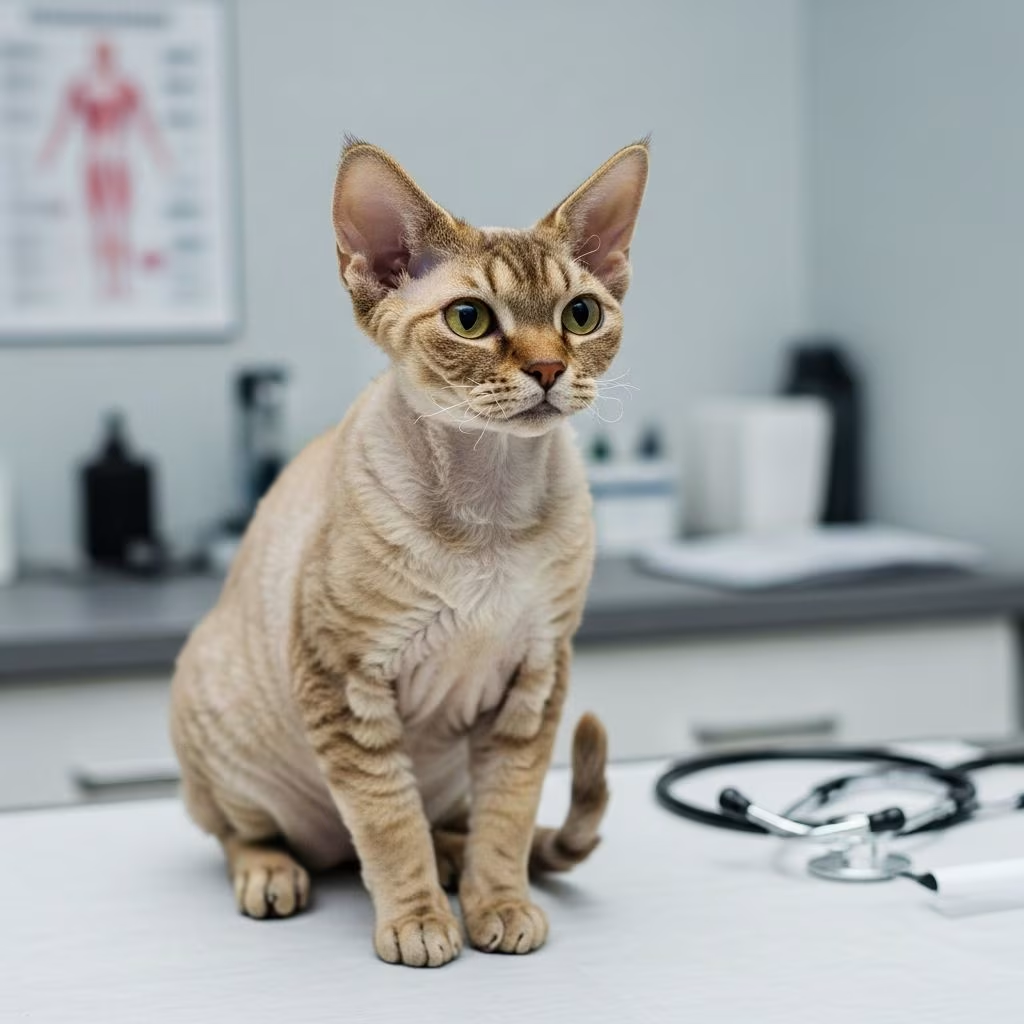
The average lifespan of a **Devon Rex cat** is **9 to 15 years**, though some can reach 20 years with optimal care, genetics, and early health interventions. This unique breed, known for its curly coat, large ears, and playful “pixie” personality, retains kitten-like energy into seniority, which supports longevity if health risks are managed. Factors like diet, environment, spaying/neutering, and hereditary conditions such as hypertrophic cardiomyopathy (HCM) and Devon Rex myopathy significantly influence how long these cats live.
Originating from Devonshire, England, Devon Rex cats are small-to-medium sized (6-10 lbs, 10-12 inches tall) with high energy, sociable temperaments, and distinctive short muzzles and bat-like ears. While generally healthy, they face breed-specific vulnerabilities that owners must address through proactive veterinary care to maximize lifespan. This guide covers average expectancy, influencing factors, life stages, common health issues, and practical tips.
What’s the Average Lifespan of a Devon Rex Cat?
Studies and veterinary data indicate Devon Rex cats typically live **9-15 years**, with outliers reaching 15-20 years under ideal conditions. VCA Animal Hospitals reports a potential lifespan of 15-20 years, emphasizing the breed’s robustness when hereditary issues are avoided. WebMD notes 14-17 years as common, highlighting their alert, active nature that promotes physical health.
Variations arise from individual genetics, lifestyle, and preventive care. Indoor living, balanced nutrition, and regular vet visits can push lifespans toward the upper end. Notably, these cats maintain playful vigor even in old age, reducing obesity risks that plague less active breeds. Females often outlive males by 1-2 years, amplified by spaying/neutering.
The 8 Factors Affecting the Lifespan of the Devon Rex
Several modifiable and inherent factors determine a Devon Rex cat’s longevity. Owners can influence many through daily choices, potentially extending life beyond the 9-15 year average.
- Diet and Nutrition: A high-quality, protein-rich diet tailored to life stage prevents obesity and supports muscle health. Avoid overfeeding, as these active cats burn calories efficiently but risk weight gain indoors.
- Exercise and Environment: Their high energy demands daily play. Secure outdoor enclosures allow safe exploration without traffic or predator risks, which shorten outdoor cats’ lives.
- Veterinary Care: Routine check-ups, vaccinations, and screenings for breed-specific issues like HCM catch problems early.
- Size: Smaller Devon Rex (6-9 lbs) may live longer than larger ones, though evidence is anecdotal.
- Sex and Sterilization: Females average longer lives; spaying extends female lifespan by 39% and neutering males by 62%, per American Veterinary Medical Association data cited in breed reviews.
- Genetics: Hereditary conditions like myopathy and HCM reduce expectancy if inherited. Choose reputable breeders screening for these.
- Indoor vs. Outdoor Lifestyle: Indoor cats live 2-5 years longer on average, avoiding accidents, fights, and diseases.
- Grooming and Coat Care: Their fragile, curly coats require gentle brushing to prevent skin issues, indirectly supporting health.
Common Health Issues in Devon Rex Cats
Despite their vitality, Devon Rex cats are prone to specific conditions that can curtail lifespan if untreated.
- Hypertrophic Cardiomyopathy (HCM): Genetic thickening of heart walls leads to arrhythmias, clots, or failure. Periodic echocardiograms are recommended; no genetic test exists yet.
- Devon Rex Myopathy: Hereditary muscle weakness onset at 3-6 months, causing head droop and choking risk in severe cases. It stabilizes by 9 months but requires screening.
- Patellar Luxation: Kneecap dislocation causing lameness; manageable with surgery if genetic.
- Digestive Issues and IBD: Top claims include unsettled stomach, lymphoma, and inflammatory bowel disease.
- Fading Kitten Syndrome: Blood type incompatibility in kittens from certain matings; early hand-feeding saves lives.
- Corneal Ulcers and Skin Fragility: Due to thin fur and active nature.
Reputable breeders genetically test to minimize these risks, per veterinary standards.
The 6 Life Stages of a Devon Rex Cat
Devon Rex cats progress through distinct phases, each with unique care needs to promote longevity.
- Kitten (0-6 Months): Tiny, big-eared bundles of energy; prioritize vaccinations, deworming, and socialization. Monitor for myopathy signs.
- Junior (7 Months-2 Years): Peak playfulness; complete vaccines, consider neutering. High-protein diet fuels growth.
- Adult (3-6 Years): Playful yet maturing; maintain exercise to prevent boredom-induced issues.
- Mature (7-10 Years): Bi-annual vet checks essential for early detection of age-related changes.
- Senior (11-14 Years): Slowing but still boisterous; senior diets, joint support, and mobility aids.
- Super Senior (15+ Years): Focus on quality of life with frequent vet visits, pain management, and comfort.
10 Tips to Help Your Devon Rex Live Longer
Proactive care can add years to your Devon Rex’s life.
- Feed age-appropriate, AAFCO-approved food portion-controlled.
- Provide interactive toys and climbing structures daily.
- Spay/neuter by 6-9 months.
- Schedule annual (biannual post-7 years) vet exams with HCM screening.
- Keep indoors or use catios.
- Gently groom weekly; bathe sparingly with cat-safe shampoo.
- Monitor weight; aim for 6-10 lbs.
- Offer dental care to prevent periodontitis.
- Socialize early for mental health.
- Watch for HCM/myopathy symptoms like lethargy or wobbliness.
Devon Rex Size, Weight, and Physical Traits
| Trait | Average | Notes |
|---|---|---|
| Weight | 6-10 lbs | Small-medium; females lighter |
| Height | 10-12 inches | To shoulder |
| Length | 15-18 inches | Body |
| Coat | Short, curly, fragile | Any color; low-shedding |
| Lifespan | 9-15 years | Up to 20 with care |
Frequently Asked Questions (FAQs)
What is the average lifespan of a Devon Rex cat?
Typically 9-15 years, potentially up to 20 with excellent care.
Are Devon Rex cats prone to heart disease?
Yes, hypertrophic cardiomyopathy (HCM) is a genetic risk; screen regularly.
Do Devon Rex cats need special grooming?
Their fragile coat needs gentle weekly brushing; baths rare.
Is spaying/neutering important for Devon Rex longevity?
Yes, it can extend life by up to 62% in males.
Can Devon Rex cats live outdoors?
Not recommended; indoor or enclosed areas preferred for safety.
What causes Devon Rex myopathy?
Hereditary muscle weakness appearing in kittens; breeders screen for it.
References
- How Long Do Devon Rex Cats Live? Vet-Verified Facts & Data — Catster. 2023. https://www.catster.com/cat-health-care/how-long-do-devon-rex-cats-live/
- What’s the Deal with the Devon Rex? — World’s Best Cat Litter. 2023. https://www.worldsbestcatlitter.com/blog/devon-rex/
- Devon Rex — VCA Animal Hospitals. 2025. https://vcahospitals.com/know-your-pet/cat-breeds/devon-rex
- Do Devon Rex Cats Need Baths? Breed Care and Personality — ASPCA Pet Insurance. 2023. https://www.aspcapetinsurance.com/resources/devon-rex/
- What to Know About Devon Rex — WebMD. 2024. https://www.webmd.com/pets/cats/what-to-know-about-devon-rex



