

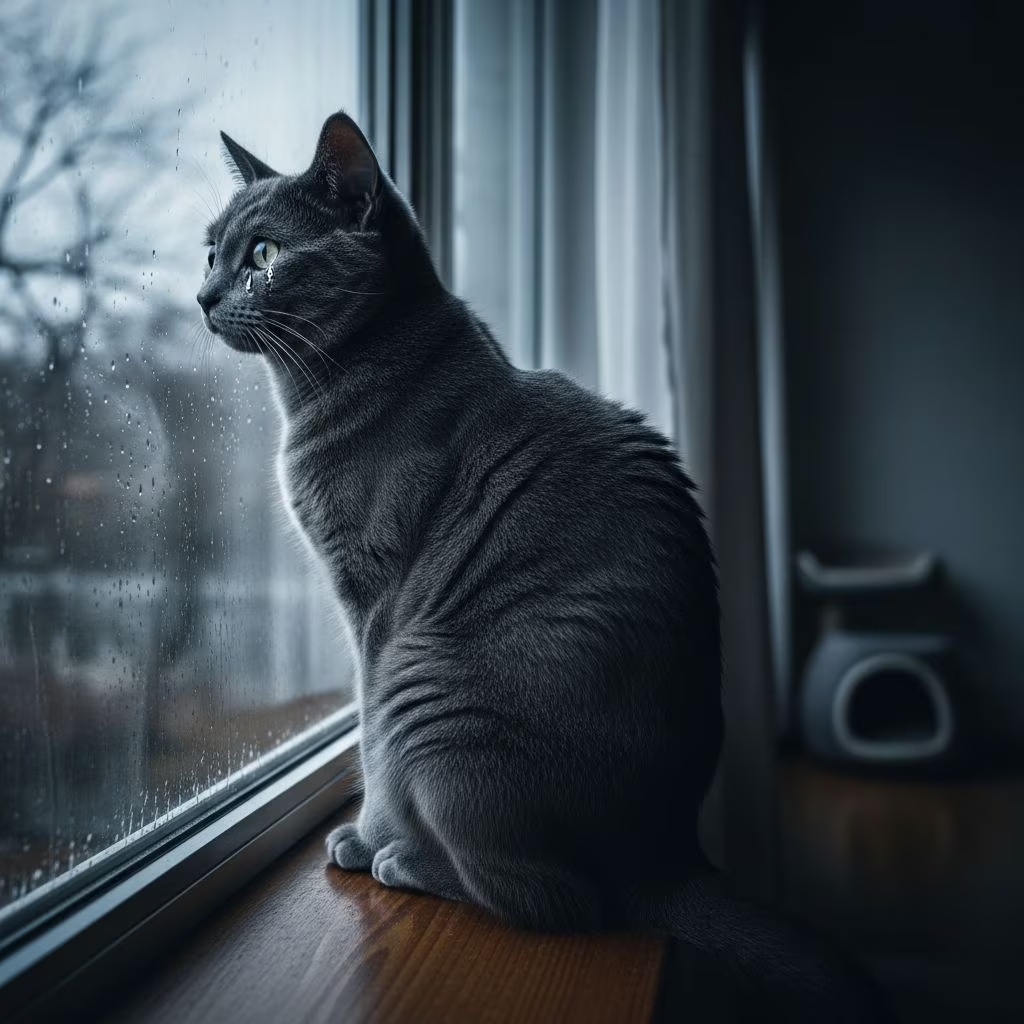
Losing a beloved cat is heartbreaking for owners, but many wonder if their surviving cats feel the loss too. Cats do experience grief when losing a companion cat or human family member, showing behavioral changes like humans. These signs can include lethargy, reduced appetite, and increased vocalization. While the duration varies, most cats return to normal within weeks to six months, with research indicating full recovery in surveyed households by that timeframe.
This article examines the emotional lives of cats, signs of mourning, research findings, timelines, and practical steps to help your cat through grief. Understanding these aspects helps pet owners support their felines during tough times.
Do Cats Mourn the Loss of Another Cat?
Cats form strong bonds with companions, whether feline or human, and grieve their absence. Veterinary experts confirm cats alter behaviors in response to loss, much like people do. Cats are social despite their independent reputation, attaching to family members and mourning disruptions.
Grief manifests as reactions to changed routines or true emotional loss. Some cats wait for the deceased to return, not grasping permanence, while others mirror owner distress. Closely bonded cats, even feuding ones, show upset when a housemate vanishes.
Individual differences matter; some cats seem unaffected or relieved, but many exhibit clear mourning signs. Owners interpret these through behavior since cats can’t verbalize emotions.
How Do Cats Grieve?
Cat grief involves emotional and behavioral shifts. Unlike humans, cats process loss variably, but common patterns emerge from observations and studies.
- Depression and Lethargy: Cats become listless, sleep excessively, move slowly, or sulk.
- Appetite Changes: Decreased eating is frequent, sometimes leading to weight loss.
- Sleep Pattern Shifts: More sleeping or insomnia; some change sleeping spots to isolated areas.
- Vocal Changes: Increased meowing, crying, or unusual quietness affects about 70% of grieving cats.
- Affection Seeking: Surviving cats grow clingier with owners.
- Other Behaviors: Hiding, reduced play, aggression, pacing, separation anxiety, or litter box issues.
These changes stem from missing interaction, routine disruptions, or sensing owner grief. Skeptics attribute them to schedule changes, but evidence supports genuine mourning, especially in bonded pairs.
How Long Does Cat Grief Last?
No fixed timeline exists for cat mourning, as it depends on bond strength, cat personality, and environment. The ASPCA’s 1996 Companion Animal Mourning Project found 65% of cats showed four or more grief signs, with all surveyed cats normalizing within six months.
Many recover faster: appetite returns in days to weeks with support, while vocal or sleep changes linger longer. Bonded pairs grieve intensely but move forward quicker than humans with owner help. Factors prolonging grief include major household changes or health issues mimicking mourning.
| Grief Sign | Typical Duration | Notes |
|---|---|---|
| Decreased Appetite | 1-4 weeks | 46% affected; improves with tempting foods |
| Increased Sleeping | 2-6 weeks | Often shifts spots initially |
| Vocal Changes | Up to 3 months | 70% show this; meowing or silence |
| Clinginess/Affection | 1-2 months | Strengthens owner bonds |
| Full Recovery | Within 6 months | Observed in ASPCA study |
Monitor for persistence beyond six months, as it may signal health problems. Vets recommend checks for underlying issues.
Signs Your Cat Is Mourning
Recognizing mourning early aids intervention. Watch for clusters of changes rather than isolated ones.
- Hiding more than usual, even under beds.
- Declining play or interaction.
- Staring blankly or seeming depressed.
- Personality shifts, like sudden aggression.
- Misbehavior: knocking items, litter avoidance.
Cats may sniff or nuzzle the deceased body, aiding processing. Allowing this at home post-euthanasia helps. Owner stress amplifies cat confusion, so self-care matters.
Research on Feline Grief
Limited but insightful studies confirm cats grieve. The ASPCA’s 1996 survey of 160 households post-companion loss revealed:
- 46% had appetite loss.
- Many slept more or had insomnia; sleeping area changes common.
- 70% vocal pattern shifts.
- 65% showed 4+ changes indicating grief.
Recent insights from vets like VCA and behaviorists align, noting grief in bonded cats. No large-scale modern studies exist, but anecdotal evidence from experts like Jackson Galaxy supports variability. Hills Pet notes all surveyed cats normalized within six months.
How to Help a Grieving Cat
Support speeds recovery. Key strategies include:
- Maintain Routine: Keep feeding, play, and litter times consistent to minimize stress.
- Spend Extra Time: Play favorites, cuddle, offer treats for distraction.
- Tempt Appetite: Try warmed wet food, toppers; avoid force-feeding.
- Provide Comfort: Extra affection; pheromone diffusers calm.
- Ignore Bad Behaviors: Don’t reward excessive meowing with attention; reinforce quietness.
- Allow Sniffing: Bring deceased body home if possible.
- Delay New Pets: Introduces stress; let grieve first.
- Vet Check: Rule out illness.
Avoid deep cleaning immediately; scents comfort cats via pheromones. Patience is key—cats rebound resiliently.
Should You Get a New Cat?
Resist impulse for a replacement. Grieving cats need stability, not new stressors. Bonded pairs leave voids best filled by owner interaction first. Wait until behaviors normalize (weeks to months), then introduce slowly if desired. Rushing causes fights. Some cats thrive solo; assess needs.
Frequently Asked Questions (FAQs)
What are signs my cat is grieving another cat?
Common signs include decreased appetite, excessive sleeping, vocal changes, clinginess, hiding, and lethargy.
How long do cats grieve for?
Most show changes for weeks, fully recovering within six months per ASPCA data.
Do all cats mourn companions?
No, some seem unaffected, but bonded cats often do, even feuders.
Can my grief affect my cat?
Yes, cats sense owner distress, amplifying their confusion.
Should I get another cat right away?
No, wait for recovery to avoid added stress.
What if grief lasts over six months?
Consult a vet for health issues or behaviorist.
Supporting a grieving cat strengthens your bond. With time and care, most bounce back happily.
References
- Do Cats Mourn? — VCA Animal Hospitals. Accessed 2026. https://vcahospitals.com/know-your-pet/do-cats-mourn
- Do Cats Experience Grief? — Jackson Galaxy. Accessed 2026. https://www.jacksongalaxy.com/blogs/news/do-cats-experience-grief
- How Cats Grieve and Cope With Loss — Hill’s Pet. Accessed 2026. https://www.hillspet.com/cat-care/behavior-appearance/do-cats-grieve
- One Of My Cats Died. Should I Get My Other Cat A Friend? — Class Act Cats. Accessed 2026. https://classactcats.com/blog/new-cat-for-grieving-cat/
- How to Help a Grieving Cat — Cattitude Adjustment. Accessed 2026. https://www.cattitude-adjustment.com/blog/how-to-help-a-grieving-cat



