

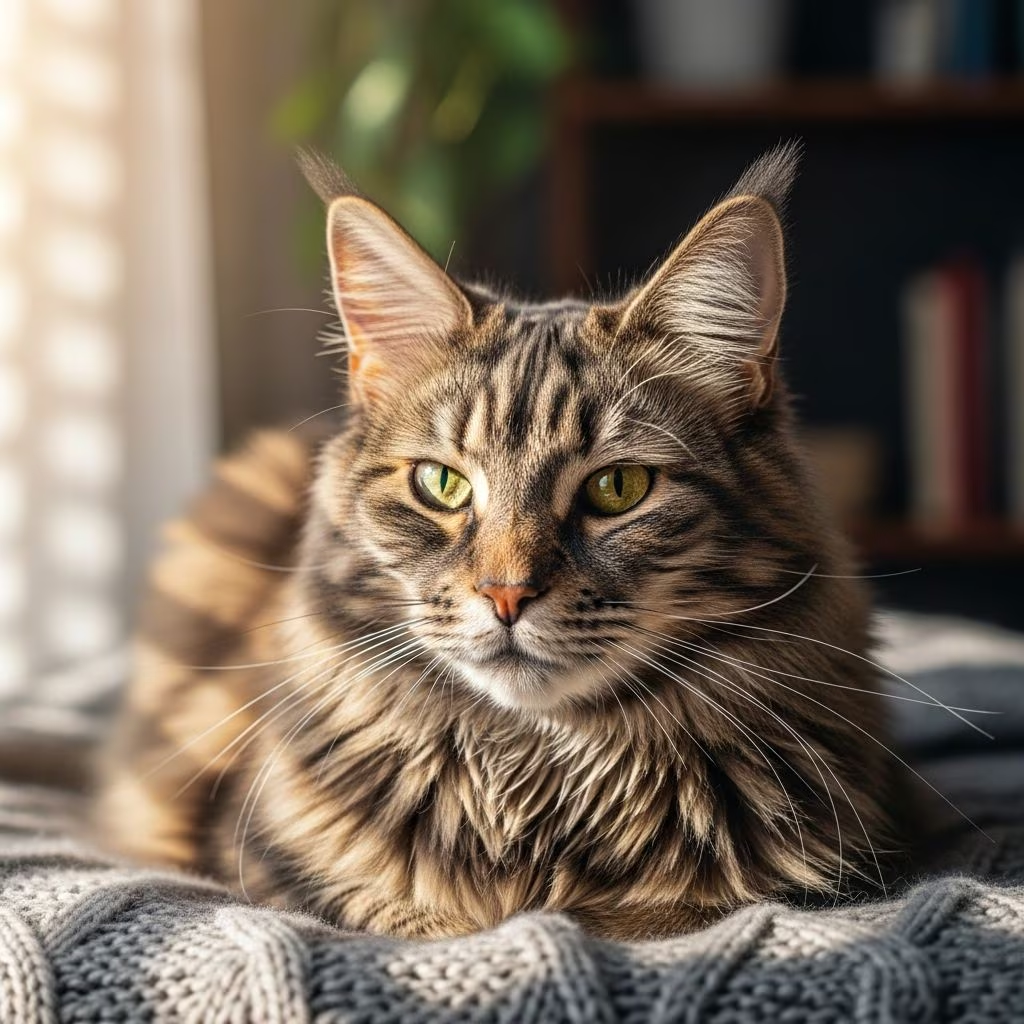
Cats are beloved companions known for their independent spirits and graceful presence in our homes. While they don’t live as long as humans, understanding their lifespan can help pet parents provide the best possible care. On average, **indoor cats live 10 to 16 years**, significantly outpacing outdoor cats, which face heightened risks from traffic, predators, and diseases. Factors like breed, genetics, health management, diet, environment, and veterinary care play crucial roles in determining how long a cat thrives.
Recent studies and veterinary insights confirm that with proper care, many cats reach their late teens or even beyond, such as exceptional cases like Miss Muffy, a 26-year-old tortoiseshell cat still full of vitality. Lifespans have improved over time due to advances in nutrition, preventive medicine, and indoor living trends, with averages now around 14-15 years for indoor cats. This article breaks down the key influences on cat longevity, offering actionable advice to maximize your feline’s years.
How long do cats live?
The question of cat lifespan varies widely based on lifestyle and care. **Indoor cats typically enjoy a lifespan of 10 to 16 years**, benefiting from protection against environmental hazards. Outdoor or roaming cats, however, often have shorter lives—sometimes as low as 2-5 years—due to risks like vehicle accidents, fights with other animals, exposure to toxins, and infectious diseases such as feline leukemia or FIV.
Cat aging doesn’t follow a simple one-year-to-seven-human-years rule. Kittens mature rapidly: the first year equates to about 15 human years, the second to 24, and each subsequent year adds roughly 4 human years. For example, a 10-year-old cat is approximately 56 in human years, while a 25-year-old like Miss Muffy equates to about 116. Mixed-breed domestic shorthairs, the most common in the U.S., often outlive purebreds due to hybrid vigor, with averages pushing toward 15 years or more under optimal conditions.
Improvements in veterinary care and at-home management have extended lifespans. The expected lifespan of indoor cats has risen steadily, now commonly reaching 14-15 years, with some breeds and individuals surpassing 20. Pet parents can influence this trajectory through proactive choices, as innate factors like genetics set a baseline but lifestyle determines the outcome.
What factors can affect a cat’s lifespan?
Several modifiable and inherent factors influence how long cats live. By addressing these, owners can significantly boost their pet’s longevity. Below, we explore the primary influencers in detail.
Breed
**Breed plays a notable role in lifespan predictions.** Mixed-breed cats, particularly Domestic Shorthairs, tend to live longer than purebreds thanks to diverse genetics that reduce inherited disease risks—a phenomenon known as hybrid vigor. These everyday moggies often reach 15+ years.
Among purebreds, outliers exist: Siamese, Persian, and Burmese cats frequently live into their late teens, benefiting from robust constitutions. Conversely, breeds like Bengals, Maine Coons, and Ragdolls may have shorter spans due to predispositions to conditions such as hypertrophic cardiomyopathy (HCM) in Maine Coons or genetic kidney issues in others. While breed sets expectations, individual care overrides genetics for many cats.
Health
Chronic health issues are major lifespan reducers. **Kidney disease, common in older cats, significantly impacts longevity**, as do diabetes, hyperthyroidism, and heart disease. Early detection through routine bloodwork can manage these, extending life by years. Obesity exacerbates all conditions; studies show that for every 100 grams (quarter pound) over ideal weight, lifespan shortens by about 2.5 months.
Preventive measures like vaccinations, parasite control, and dental care mitigate risks. Geriatric cats (13+ years) often develop arthritis, cognitive dysfunction, or cancers, but tailored treatments—such as pain management or special diets—help them maintain quality of life.
Diet
A **balanced, portion-controlled diet is foundational to longevity**. Kittens require nutrient-dense food for growth, while adults need calorie-appropriate meals to prevent obesity, a leading cause of diabetes and joint issues. Senior formulas with joint-supporting glucosamine and reduced phosphorus for kidney health are ideal for older cats.
Weight management is critical: experts emphasize keeping cats at ideal body condition as potentially the “single most important” longevity factor. Feed high-quality, species-appropriate food, avoid free-feeding, and monitor intake. Hydration via wet food or fountains supports kidney function, a common failure point in aging cats.
Environment
**Indoor living dramatically extends lifespan**. Outdoor cats face constant threats: fights leading to abscesses, wildlife diseases, extreme weather, and traffic accidents. Indoor environments provide safety, reducing stress and injury risk. Enrichment—through toys, scratching posts, and vertical spaces—prevents boredom and obesity in homebound cats.
Stability matters too. Cats like Miss Muffy thrive in predictable, loving homes with routines they can anticipate, minimizing stress that accelerates aging. Safe outdoor access via leashed walks or catios offers stimulation without full exposure risks.
Veterinary Care
Regular vet visits are non-negotiable for long life. **Routine care prevents diseases and catches issues early**, via check-ups, vaccines, dental cleanings, and senior blood panels. Twice-yearly exams for cats over 7 years detect subtle changes like early kidney decline.
Spaying/neutering extends life by curbing cancer risks and roaming behaviors. Consistent parasite prevention and monitoring for weight, mobility, and appetite ensure timely interventions.
Cat Age Chart: Human Years Equivalent
Understanding your cat’s age in human terms aids in care planning. Here’s a simplified chart based on veterinary standards:
| Cat Age | Human Age Equivalent | Life Stage |
|---|---|---|
| 1 year | 15 | Kitten/Young Adult |
| 2 years | 24 | Adult |
| 3-7 years | 28-44 | Prime Adult |
| 8-13 years | 48-72 | Senior |
| 14+ years | 76+ | Super Senior/Geriatric |
This chart reflects rapid early maturation, then a 4:1 ratio post-year 2. Adjust care accordingly: seniors need joint support, geriatrics require frequent monitoring.
Frequently Asked Questions (FAQs)
What are common health issues that can affect a cat’s lifespan?
Chronic diseases like **kidney disease, diabetes, hyperthyroidism, and heart disease** commonly shorten lifespans. Early vet intervention is key.
How long can cats live?
**Indoor cats average 10-16 years**; outdoor cats live shorter due to risks. Exceptional cases exceed 25 years with optimal care.
Do indoor cats live longer than outdoor cats?
Yes, **indoor cats significantly outlive outdoor ones** by avoiding accidents, fights, and diseases.
How can I determine if my cat is aging or experiencing health problems?
Watch for changes in eating, grooming, litter use, mobility, or appetite. Inability to perform normal tasks signals issues—consult a vet promptly.
Are there any special considerations for senior cats?
Seniors need **more frequent check-ups (every 6 months), pet stairs for mobility, senior diets, and pain management**. Monitor weight and hydration closely.
Tips for Maximizing Your Cat’s Lifespan
- Maintain ideal weight: Portion control and exercise prevent obesity-related diseases.
- Provide routine vet care: Annual exams, vaccines, and bloodwork catch problems early.
- Keep them indoors: Use enrichment to mimic outdoor stimulation safely.
- Feed a balanced diet: Age-appropriate nutrition supports organ health.
- Offer mental and physical stimulation: Toys, play, and companionship reduce stress.
By focusing on these areas, you can help your cat not just live longer, but better. Cats like Miss Muffy demonstrate that with love, consistency, and vigilance, extraordinary longevity is possible.
References
- Cats Lifespan: How Long Do Cats Live? And What to Expect — Kinship. 2023. https://www.kinship.com/cat-health/how-long-do-cats-live
- Miss Muffy the Cat Is 26 and Fabulous—Find Out Her Secrets — Kinship. 2023. https://www.kinship.com/cat-health/miss-muffy-25-longevity-tips
- Cat-Age Chart: Calculating Your Cat’s Age in Human Years — Kinship. 2023. https://www.kinship.com/cat-health/cat-age-chart



