

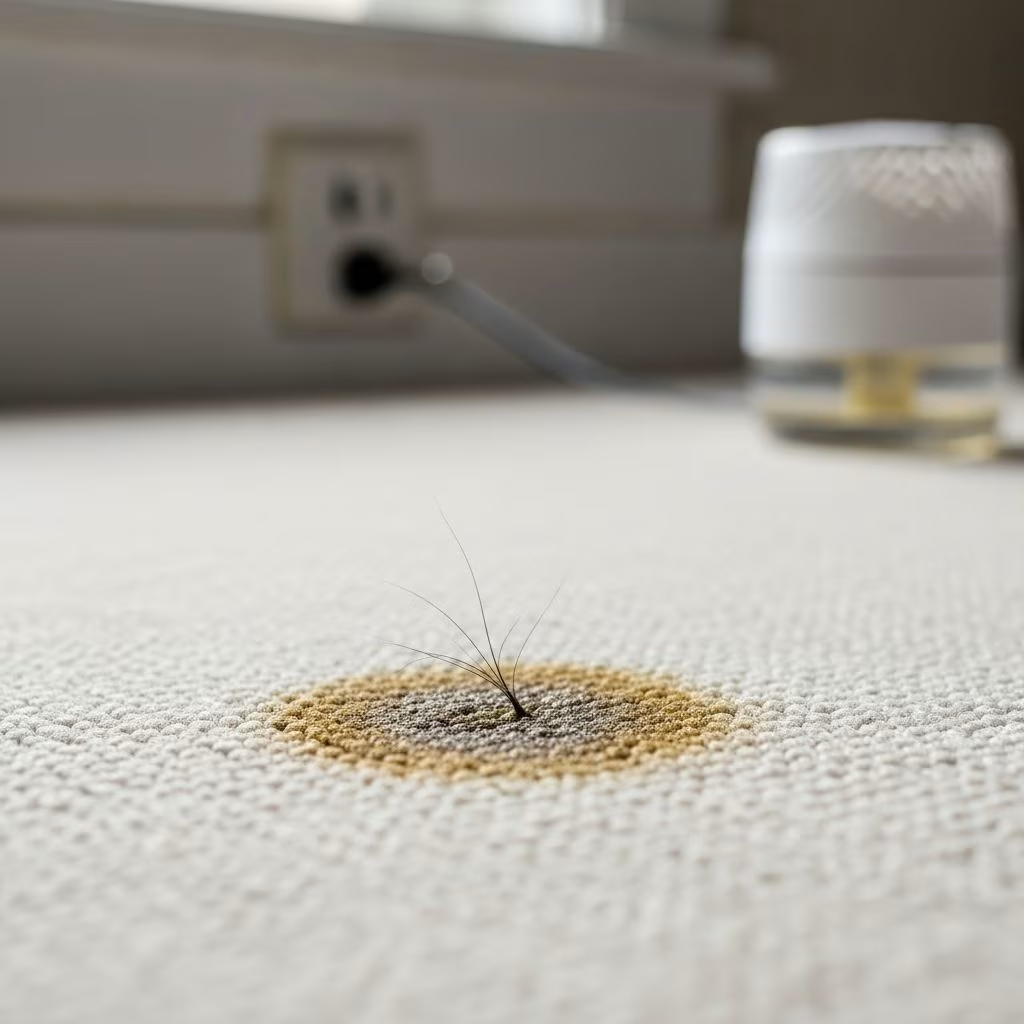
Cat urine odor can linger for years if not properly addressed, primarily because of uric acid crystals that embed deeply into surfaces like carpets, fabrics, and wood. These crystals release ammonia and other pungent compounds over time, especially in humid conditions, making thorough cleaning essential for permanent elimination.
The Science Behind Cat Urine’s Lasting Smell
Cat urine contains urea, which bacteria break down into ammonia, creating the initial sharp scent detectable soon after elimination. However, the more persistent element is uric acid, a byproduct of purine metabolism in cats, which forms crystals that bind to porous materials. These crystals have a half-life of up to six years in substances like wood or cloth, meaning they degrade slowly and can reactivate odors with moisture exposure.
Fresh cat urine has a mild odor, but decomposition introduces volatile compounds such as 3-mercapto-3-methylbutan-1-ol (MMB), derived from felinine—a protein unique to felines. MMB contributes to the tangy, acrid smell, peaking 12-24 hours after deposition. Male cats, particularly unneutered ones, produce higher felinine levels due to steroids, intensifying the scent during territorial marking.
Humidity exacerbates the issue: uric acid crystals absorb moisture, recrystallizing and releasing trapped odors even years later. This explains why cleaned areas may smell fresh initially but revert during rainy seasons or in damp climates. Older cats often have stronger-smelling urine due to reduced kidney efficiency, compounding the problem in multi-cat households.
Factors Influencing Odor Longevity
- Surface Type: Porous materials like carpets and upholstery trap uric acid deeply, allowing persistence for years, while hard surfaces like tile permit easier removal.
- Environmental Conditions: High humidity or poor ventilation prolongs odor by reactivating crystals; dry, airy spaces mitigate it.
- Cat Physiology: Intact males and seniors produce more potent urine due to felinine and steroids.
- Volume and Frequency: Repeated incidents build uric acid layers, creating a cycle where lingering scents attract re-marking.
Effective Strategies for Odor Elimination
To break down uric acid permanently, enzymatic cleaners are indispensable. These products contain protease, urease, and uricase enzymes that hydrolyze urea into carbon dioxide and ammonia (which evaporate) and dismantle uric acid crystals. Unlike bleach or ammonia-based cleaners—which can attract cats back to the spot—enzymes target the source.
Step-by-step enzymatic cleaning process:
- Blot excess urine with paper towels without rubbing to avoid spreading.
- Rinse the area with cool water to dilute residues.
- Saturate with enzyme cleaner, ensuring it penetrates deeply; let sit for 10-20 minutes or as directed.
- Blot dry and allow full air drying; repeat if odor persists.
For immediate access, a vinegar-baking soda mix offers temporary relief by neutralizing proteins:
- Combine 1/2 cup white vinegar, 1/4 cup baking soda, and warm water in a spray bottle.
- Apply, let sit 20 minutes, wipe, then sprinkle baking soda overnight before vacuuming.
Avoid steam cleaners, as heat sets uric acid deeper. Blacklight detection aids in spotting dried stains invisible to the eye.
Comparing Cleaning Methods
| Method | Effectiveness | Permanence | Best For |
|---|---|---|---|
| Enzymatic Cleaners | High | Permanent (breaks uric acid) | Carpets, fabrics |
| Vinegar + Baking Soda | Medium | Temporary (neutralizes ammonia) | Hard surfaces, quick fixes |
| Bleach/Ammonia | Low | None (attracts re-marking) | Avoid |
| Steam Cleaning | Low | Worsens embedding | Avoid on urine |
Preventing Future Odor Issues
Address root causes to halt inappropriate elimination. Common triggers include medical issues (UTIs, diabetes), stress, or litter box aversion. Schedule vet checkups for sudden changes, as older cats risk kidney decline.
Optimization tips:
- Provide one litter box per cat plus one extra, scooped daily and fully changed weekly.
- Use unscented, clumping litter; experiment with types if aversion suspected.
- Reduce stress via pheromone diffusers, vertical spaces, and routine.
- Neutering/spaying cuts marking by 90% in males.
Seal cleaned areas with pet-safe primers to block residual crystals from reactivating.
Health Implications of Persistent Odor
Beyond annoyance, chronic exposure to ammonia irritates respiratory systems, especially in sensitive individuals or pets. It signals potential health problems in cats, warranting prompt veterinary intervention to prevent escalation.
Frequently Asked Questions
Will cat urine smell go away on its own?
No, uric acid persists for years without enzymatic treatment, reactivating with humidity.
Can I make my own enzyme cleaner?
Homemade versions lack specific enzymes for uric acid, offering only temporary masking.
Why do male cats’ urine smell worse?
Higher felinine and steroid levels produce more MMB, especially in intact males.
Does vinegar permanently remove cat urine?
It neutralizes temporarily but doesn’t destroy uric acid crystals.
How do I stop my cat from peeing outside the litter box?
Rule out medical issues, optimize litter setup, and manage stress.
Long-Term Home Maintenance
Incorporate weekly deep cleans with enzymes in high-traffic areas. Use air purifiers with HEPA and carbon filters to capture airborne particles. For severe cases, professional carpet cleaning with pet-specific solutions may be needed, followed by sealing.
Monitoring via blacklight ensures complete eradication. Consistent prevention preserves a harmonious home environment.
References
- How Long Does Cat Urine Odor Last? — Moodify Pet. N/A. https://moodifypet.co.uk/blogs/news/how-long-does-cat-urine-odor-last
- How Long Does Cat Pee Smell Last? Cleaning Tips & FAQ — Catster. N/A. https://www.catster.com/lifestyle/how-long-does-cat-pee-smell-last/
- Why does cat urine smell so bad and what can I do about it? — McGill University Office for Science and Society. N/A. https://www.mcgill.ca/oss/article/you-asked/why-does-cat-urine-smell-so-bad-and-what-can-i-do-about-it
- Cat Chemistry — American Scientist. N/A. https://www.americanscientist.org/article/cat-chemistry
- Cleaning Cat Pee: A Guide To Banishing The Stink 2024 — CatTree.uk. 2024. https://cattree.uk/cleaning-cat-pee-a-guide-to-banishing-the-stink-2024/
- Removing Foul Smelling Cat Odors From Your Home — Hill’s Pet. N/A. https://www.hillspet.com/cat-care/resources/getting-rid-of-cat-odors
- Semiochemicals from Domestic Cat Urine and Feces — PMC (PubMed Central). 2024. https://pmc.ncbi.nlm.nih.gov/articles/PMC10854617/



