

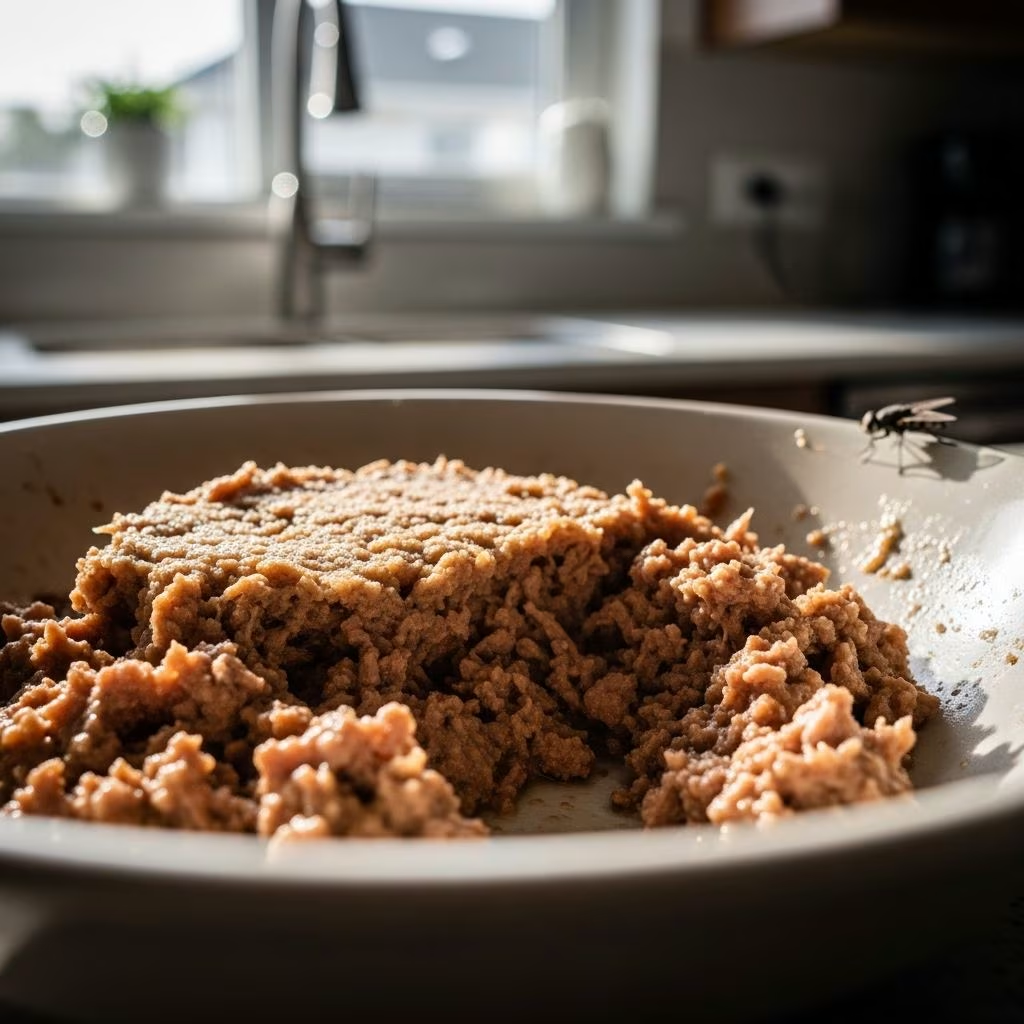
Wet cat food can safely sit out at room temperature for **1-2 hours** maximum before it risks bacterial growth and spoilage. Beyond this time, discard leftovers to protect your cat’s health, as bacteria like Salmonella can multiply rapidly in the moist environment.
Wet cat food offers high moisture content, palatability, and nutrition ideal for cats, but its perishability demands strict handling. Understanding safe durations, storage methods, and spoilage signs prevents digestive issues, food waste, and potential illness in felines. This guide covers unopened storage, opened food handling, room temperature limits, refrigeration timelines, and practical tips from veterinary sources.
Why Wet Cat Food Spoils Quickly
Wet cat food’s high water content (typically 75-85%) creates an ideal breeding ground for bacteria once exposed to air. Unlike dry kibble, which has low moisture to inhibit microbial growth, wet varieties congeal, dry out, or develop pathogens within hours at room temp.
- Bacterial Risks: Common culprits include Salmonella, Listeria, and E. coli, leading to vomiting, diarrhea, or severe infections in cats.
- Texture Changes: Food dries on the surface while remaining moist underneath, promoting uneven spoilage.
- Oxidation: Nutrients degrade, fats rancidify, reducing nutritional value.
The FDA emphasizes prompt refrigeration of leftovers to below 40°F, as temperatures between 40-140°F (the ‘danger zone’) allow bacteria to double every 20 minutes.
How Long Can Unopened Wet Cat Food Sit Out?
Unopened wet cat food in cans, pouches, or trays is shelf-stable at room temperature (40-80°F) until its expiration date, often 1-3 years from manufacture. High-heat processing during production kills bacteria, and intact seals prevent contamination.
| Packaging Type | Shelf Life (Unopened) | Ideal Storage Temp |
|---|---|---|
| Canned | 2-5 years | 40-80°F |
| Pouches/Trays | 1-2 years | 40-80°F |
| Damaged/Dented | Discard immediately | N/A |
Store in a cool, dry pantry away from heat sources, freezing, or direct sunlight. Avoid garages or humid areas where seals can fail. Check ‘best by’ dates and inspect for dents, rust, or swelling—discard if compromised.
How Long Can Opened Wet Cat Food Sit Out?
Once opened, wet cat food should not sit out longer than **1 hour** in the bowl or **2 hours** maximum at room temperature. Veterinary experts like those at PetMD recommend strict adherence to avoid drying, congealing, or bacterial proliferation.
- In the Bowl: Remove uneaten portions after 1 hour; cats often nibble, but leftovers spoil fast.
- Covered on Counter: Up to 2 hours if covered, but still risky due to ambient bacteria.
- Mixed with Dry Food: Same 1-2 hour rule applies; dry kibble doesn’t protect wet portions.
Purina advises tossing any bowl remnants after 1 hour, as drying occurs in hours and bacteria thrive. Automatic feeders with ice packs can extend freshness for absent owners.
Refrigeration Guidelines for Opened Wet Cat Food
Refrigerate opened wet cat food immediately in an airtight container at 40°F or below. It remains safe for **2-3 days**.
- Storage Tips: Use reusable can covers, transfer to glass/plastic containers, or clip pouches. Label with date opened.
- Serving Cold Food: Many cats accept chilled portions; warm slightly to room temp if preferred, but never microwave (hot spots risk burns).
- Freezing Option: Portion into ice cube trays or bags; freeze up to 3 months. Thaw in fridge overnight.
Discard after 3 days even if sealed—bacteria/mold risks increase. Always sniff/test: off odors, sliminess, or discoloration mean toss it.
Signs Your Wet Cat Food Has Gone Bad
Inspect before serving to safeguard health. Spoiled food causes gastrointestinal upset.
- Visual Cues: Mold spots, color changes (gray/brown), separation, or fizzing.
- Smell: Sour, rancid, or ammonia-like instead of meaty aroma.
- Texture: Slimy, overly dry surface, or unnatural hardness.
- Can Issues: Bulging lids, hissing on open (gas from bacteria).
If in doubt, throw it out—better safe than a vet visit.
Best Practices for Wet Cat Food Storage
Optimize safety and nutrition with these vet-recommended strategies.
- Buy Smart: Purchase small quantities used within weeks; match to your cat’s appetite.
- Portion Control: Serve exact amounts; free-feeding wet food invites waste.
- Cleanliness: Wash bowls daily with hot soapy water; sanitize weekly.
- Tools: Silicone lids, portion scoops, fridge organizers.
- Environment: Keep fridge at 40°F; store away from raw meats to avoid cross-contamination.
Establish feeding routines: 2-3 meals daily prevents overexposure.
Health Risks of Spoiled Wet Cat Food
Ingestion can cause immediate vomiting/diarrhea or long-term issues like pancreatitis. Kittens, seniors, and immunocompromised cats are vulnerable.
Bacterial toxins persist even if reheated. FDA warns of zoonotic risks (e.g., Salmonella to humans). Consistent fresh feeding supports hydration, urinary health, and picky eaters.
Frequently Asked Questions (FAQs)
Can I leave wet cat food out overnight?
No, discard after 1-2 hours. Overnight exposure guarantees spoilage and health risks.
Does covering wet cat food let it sit longer?
Covering extends to 2 hours max, but refrigerate promptly for safety.
How long does opened wet cat food last in the fridge?
2-3 days when airtight. Check for spoilage before serving.
Is it safe to freeze opened wet cat food?
Yes, up to 3 months in portions. Thaw in fridge only.
Why does my cat refuse day-old wet food?
Cold temperature, texture changes, or subtle off-flavors deter picky eaters.
Can I mix wet food with dry and leave it out?
No, treat as wet: 1-2 hours max due to moisture.
Expert Tips for Cat Parents
Consult your vet for personalized advice, especially for cats with health conditions. Rotate flavors to maintain interest while prioritizing freshness. Sustainable practices like composting scraps reduce waste.
By following these guidelines, you’ll minimize risks, save money, and keep meals nutritious.
References
- How To Store Cat Food — PetMD (Jamie Lovejoy, DVM). 2023. https://www.petmd.com/cat/nutrition/how-to-store-cat-food
- Cat Food Storage: How to Store Cat Food — Purina US. 2024. https://www.purina.com/articles/cat/feeding/guides/how-to-store-cat-food
- How to properly store cat food — Catit. 2023. https://www.catit.com/spotlight/how-to-properly-store-cat-food/
- How Long Can I Let Wet Cat Food Sit Out? — Wellness Pet Food. 2024. https://www.wellnesspetfood.com/blog/how-long-can-i-let-wet-cat-food-sit-out/
- Proper Storage of Pet Food & Treats — U.S. Food and Drug Administration (FDA). 2024-01-10. https://www.fda.gov/animal-veterinary/animal-health-literacy/proper-storage-pet-food-treats



