

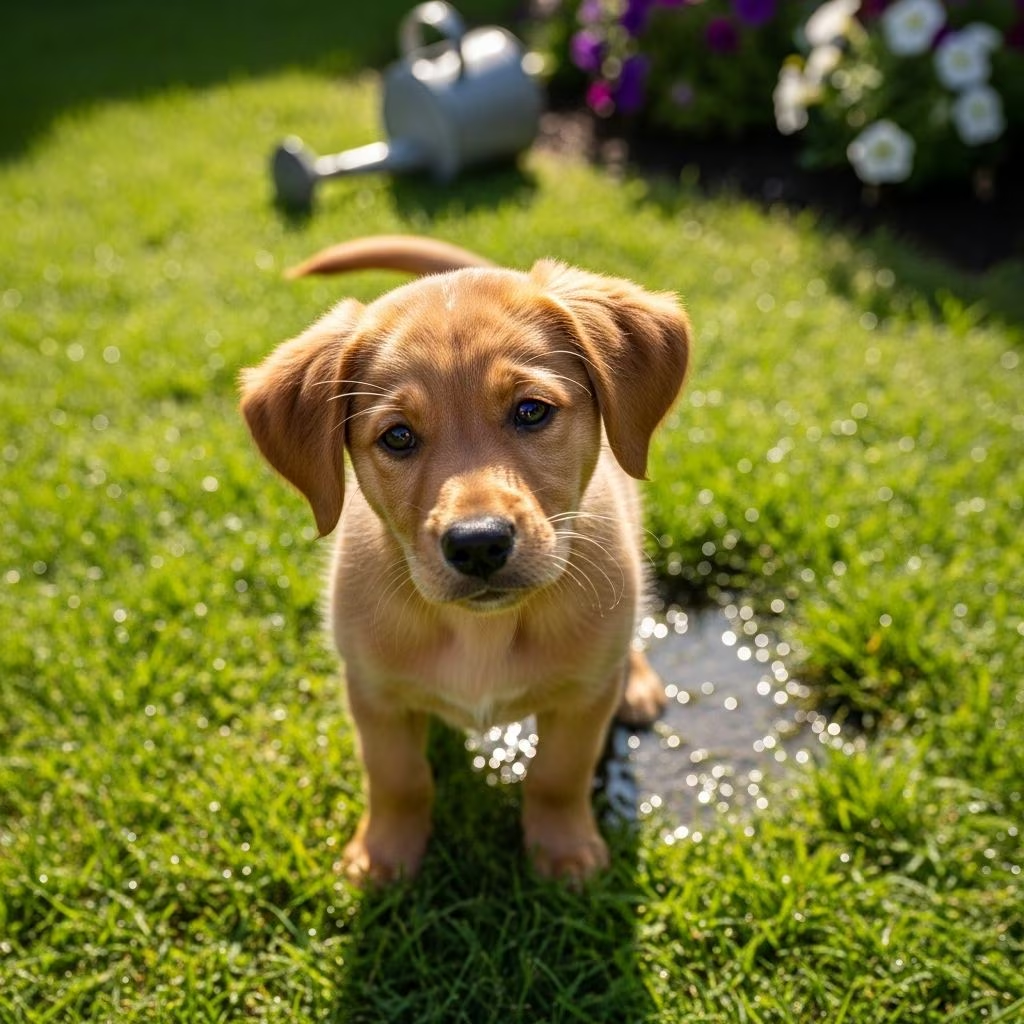
Puppies have tiny bladders and limited control, making frequent potty breaks essential during house training. A reliable guideline is that puppies can hold their pee for roughly **one hour per month of age, plus one hour**, capping at about 6-8 hours for adults. This rule helps set realistic expectations for potty schedules, preventing accidents and supporting healthy development.
Age
The cornerstone of puppy bladder capacity is their age. Newborn puppies urinate instinctively when stimulated by their mother, lacking voluntary control. As they grow, bladder muscles strengthen, allowing longer holding times.
For example:
- 8-10 weeks (2 months): 2-3 hours maximum. Very frequent breaks needed, especially after naps, play, or meals.
- 3 months: Around 3-4 hours. They gain some control but still require supervision.
- 4-6 months: 4-6 hours. Many can sleep through shorter nights without accidents.
- 6+ months: Up to 6-8 hours during the day; overnight control improves.
This progression varies by individual factors like breed size—smaller puppies often need more breaks due to proportionally tinier bladders.
Puppy Bladder Control Chart
Use this table to plan your puppy’s routine based on age and expected control:
| Age | Max Hold Time (Hours) | Bladder Expectations |
|---|---|---|
| 8-10 weeks | 1-2 | Limited control; go out every 1-2 hours, plus after eating/drinking. |
| 10-12 weeks (2-3 months) | 2-3 | Frequent daytime breaks; 1-2 night checks. |
| 3-4 months | 3-4 | Better control; some handle full nights. |
| 4-6 months | 4-6 | Standard schedule with fewer breaks. |
| 6-12 months | 6 | Daytime reliability; up to 8 hours possible. |
| 1+ year (Adult) | 6-8 | Consistent control, breed-dependent. |
Data synthesized from veterinary guidelines; adjust for your puppy’s signals.
Water Intake and Feeding Schedule
Puppies process food and water quickly, needing to eliminate 15-30 minutes after intake. Large drinks or meals trigger urgent needs, so time breaks accordingly.
- Feed 3-4 small meals daily on a consistent schedule to predict potty times.
- Limit water 2 hours before bedtime, but never withhold entirely to avoid dehydration.
- Post-meal routine: Eat → Play briefly → Potty break → Nap.
Overnight, reduced intake naturally extends hold times, but young pups still need 2-4 hour checks.
Health Issues
While age dictates baseline capacity, health problems can disrupt it. Watch for:
- Urinary Tract Infections (UTIs): Frequent, small urinations; straining; blood or foul odor in urine.
- Vaginitis or Reproductive Issues: Excessive licking; discharge.
- Other: Diabetes, kidney issues causing increased thirst/urination.
If your puppy suddenly can’t hold as long, strains, or leaks, consult a vet promptly. Early intervention prevents chronic problems like bladder stones.
Frequent Potty Breaks
Under 4 months? Every 1-2 hours daytime, more after triggers. 4-6 months: 4-6 hours. Over 6 months: 6+ hours feasible.
Exceptions:
- Newly adopted pups: Stress reduces control; extra breaks.
- Post-setback (illness, move): Revert to frequent schedule.
- Small breeds/Brachycephalics (Pugs, Bulldogs): Shorter times, 4-6 hours max.
Pro tip: Use a timer and crate training—puppies avoid soiling their space, signaling when they need out.
How Often Do Puppies Need to Go Out at Night?
Nighttime metabolism slows, extending holds by 1-2 hours vs. daytime. However:
- Under 4 months: Every 2-4 hours; set alarms.
- 4-6 months: May sleep 6-8 hours; monitor for whining.
- Over 6 months: Often full nights, but small breeds longer.
Minimize disruption: Dim lights, no play—just quick potty and back to bed.
What Is the Best Way to Potty Train a Puppy?
Success blends consistency, positivity, and prevention:
- Supervise Constantly: No free roam until reliable.
- Frequent Outs: Every 1-2 hours + triggers.
- Reward Immediately: Treats/praise for outdoor success.
- Accidents: Clean with enzymatic cleaner; no punishment.
- Tools: Leash walks, bells, or pads for apartments.
Timeline: Full reliability by 6-12 months. Patience prevents setbacks.
Frequently Asked Questions (FAQs)
How long can a 3-month-old puppy hold their pee?
Typically 3-4 hours daytime; slightly longer at night. Follow the one-hour-per-month-plus-one rule.
How often should puppies go out during the day?
Every 1-2 hours for young pups, scaling to 4-6 hours by 6 months. Adjust per signals.
Can puppies hold pee overnight?
Young ones need 2-4 hour breaks; by 4-6 months, many sleep through. Small breeds take longer.
What if my puppy has accidents despite training?
Check health, increase breaks, ensure supervision. Regression common during teething/stress.
Is it bad for puppies to hold pee too long?
Yes—risks UTIs, stones. Stick to age-appropriate schedules.
References
- How Long Can Puppies Hold Their Pee? — Kinship. 2023. https://www.kinship.com/dog-health/how-long-can-puppies-hold-their-pee
- How Long Can Dogs Hold Their Pee? — BrilliantPad. 2023. https://www.brilliantpad.com/blogs/news/how-long-can-dogs-hold-their-pee
- How Long Can Puppies Hold Their Pee? — Rover.com. 2023. https://www.rover.com/blog/how-long-puppies-hold-pee/
- How Long Can Dogs Hold Their Pee? A Pet Parent Guide — Pogis. 2023. https://pogis.com/blogs/news/how-long-can-dogs-hold-their-pee
- How To Stop a Puppy From Peeing in the House — PetMD. 2024-01-14. https://www.petmd.com/dog/behavior/how-keep-new-puppy-peeing-house
- Puppy Potty Training Timeline and Tips — American Kennel Club (AKC). 2023. https://www.akc.org/expert-advice/training/puppy-potty-training-timeline/
- How Long Can a Dog Go Without Peeing Before It Is Dangerous — Loveland Regional Animal Hospital. 2023. https://lovelandregional.com/blog/how-long-can-a-dog-go-without-peeing-before-it-is-dangerous/



