

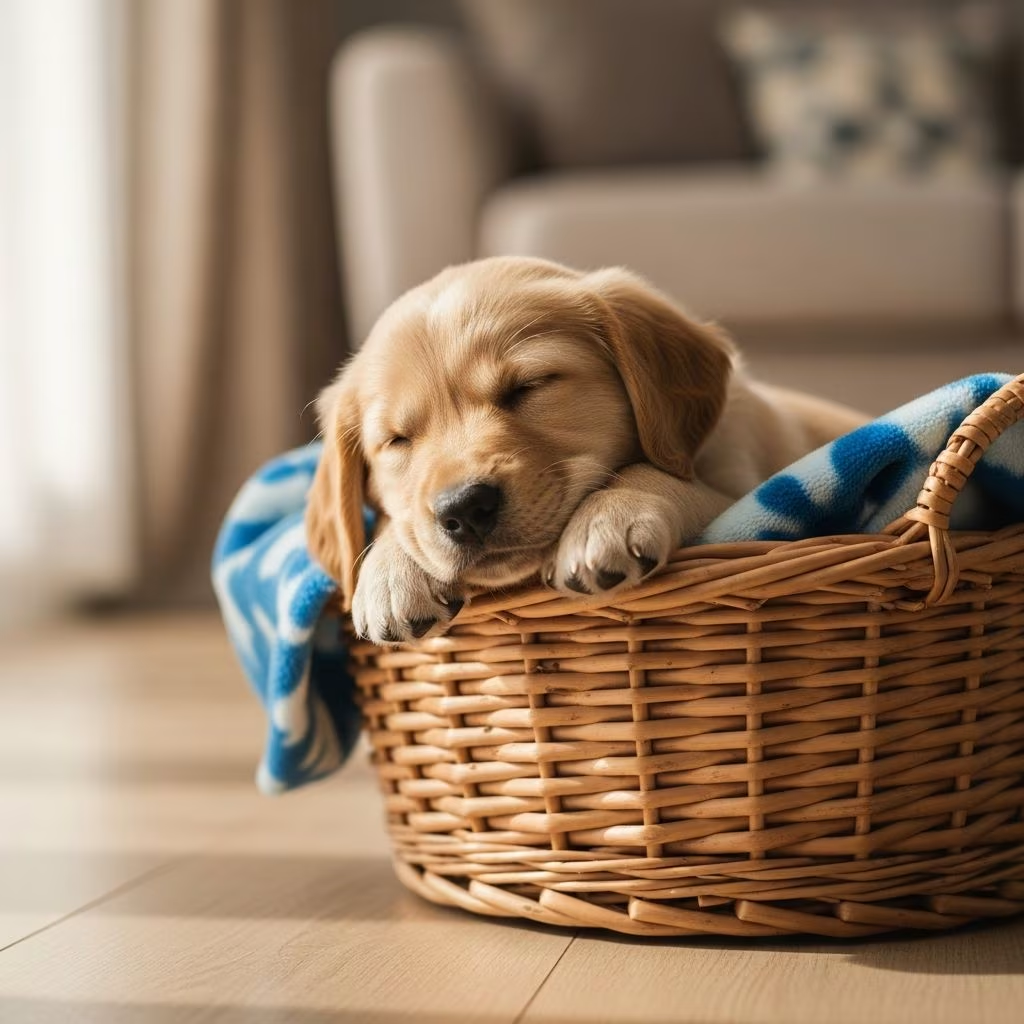
Bringing home a new puppy is exciting, but potty training presents one of the biggest challenges for new dog owners. Understanding how long puppies can hold their pee is crucial for creating a successful schedule, preventing accidents, and promoting healthy bladder development. Puppies’ bladders mature gradually, and their capacity increases with age, but pushing limits too early can lead to setbacks and frustration.
This comprehensive guide breaks down bladder control timelines by age, factors influencing holding times, nighttime strategies, poop schedules, health risks of prolonged holding, and proven training tips. Whether you have an 8-week-old pup or a 6-month-old adolescent, you’ll find practical advice to make potty training smoother and more effective.
The General Rule for Puppy Bladder Control
A widely accepted guideline among veterinarians and trainers is the one-hour-per-month rule: puppies can typically hold their pee for one hour per month of age, plus one additional hour. For example, a 3-month-old puppy should manage 3-4 hours maximum. This rule applies reliably after about 3 months of age, when bladder muscles strengthen sufficiently.
However, this is a maximum guideline, not a daily target. Younger puppies need far more frequent breaks, and even older ones benefit from regular opportunities to avoid discomfort. Factors like breed size, activity level, and individual temperament cause variations—small breeds like Chihuahuas often need more breaks than large breeds like Labradors.
How Long Can Puppies Hold Their Pee by Age?
Puppy bladder capacity develops predictably, but every dog is unique. Use this age-based chart as a starting point, adjusting based on your puppy’s signals and progress. Remember, crate time should never exceed these limits to prevent accidents that hinder training.
| Age | Max Hold Time (Day) | Max Hold Time (Night) | Bladder Control Notes |
|---|---|---|---|
| 8-10 weeks | 1-2 hours | 2-3 hours | Very limited control; pee every 30-60 min after eating/drinking/playing. Frequent crate breaks essential. |
| 10-12 weeks | 2-3 hours | 3-4 hours | Improving capacity; stretch intervals gradually after potty, meals, naps. |
| 3-4 months | 3-4 hours | 4-6 hours | Follow month-per-hour rule; some sleep through night by 4 months. |
| 4-6 months | 4-6 hours | 6-8 hours | Daytime schedule with 4-hour breaks; full reliability varies. |
| 6-12 months | 6-8 hours | 8+ hours | Adolescent stage; most reliable by 1 year, but provide 4-6 hour breaks. |
| 1+ years (Adult) | 8+ hours | 10+ hours | Fully mature; small breeds may need more frequent breaks. |
These timelines come from veterinary experts and align across multiple sources. Always err on the side of more frequent breaks, especially after triggers like meals, play, or naps.
Factors Affecting How Long Puppies Can Hold Their Pee
Not all puppies fit neatly into charts. Several variables influence bladder control:
- Breed and Size: Small breeds (e.g., Yorkies) have tinier bladders and need breaks every 2-4 hours even as adults, while giants like Great Danes hold longer.
- Activity Level: Play, exercise, or excitement fills the bladder faster; provide immediate potty access post-activity.
- Diet and Hydration: High-moisture foods or excessive water increase urgency. Feed on a schedule to predict needs.
- Temperament and Health: Anxious pups may leak under stress; medical issues like UTIs reduce capacity—consult a vet for changes.
- Training Progress: Consistent routines build control faster; accidents set back development.
Monitor your puppy closely during the first weeks to learn their unique signals, like sniffing, circling, or whining.
How Long Can Puppies Hold Their Pee Overnight?
Nighttime offers a reprieve since puppies’ metabolism slows, reducing urine production. Puppies under 10-12 weeks typically need 1-2 middle-of-the-night breaks. By 3-4 months, many sleep 6-8 hours uninterrupted, especially if their last potty is right before bed.
Nighttime Tips:
- Limit water 2 hours before bed.
- Final potty right before crate/sleep.
- Use a larger crate to encourage holding.
- Set alarms for breaks if needed; fade gradually as control improves.
Small breeds or slow developers may need support until 6 months. Never punish nighttime accidents—focus on prevention.
How Often Do Puppies Need to Poop?
Pooping is more predictable: puppies usually go 5-30 minutes after eating, 2-5 times daily depending on age, diet, and activity. Unlike pee, poop urgency builds slower, but meals are the prime trigger.
- Newborns: After every meal.
- 8-12 weeks: 3-5 times/day.
- 3+ months: 2-3 times/day.
Schedule walks/meals around this window. High-fiber diets or exercise increase frequency.
Health Risks of Making Puppies Hold Their Pee Too Long
Forcing holds beyond limits risks serious issues. Veterinarians warn that regular prolonged retention can cause:
- Urinary Tract Infections (UTIs): Bacteria buildup from stagnant urine.
- Bladder Inflammation (Cystitis): Muscle strain and irritation.
- Stones/Crystals: Concentrated minerals form solids.
- Behavioral Problems: Anxiety, submissive peeing, or crate aversion.
Signs include frequent licking, straining, blood in urine, or hiding. Adults shouldn’t hold over 8-10 hours regularly; puppies even less. Aim for 4-hour daytime breaks.
Puppy Potty Training Tips for Success
Effective training leverages natural bladder timelines:
- Set a Schedule: Every 1-2 hours initially, plus post-meal/nap/play/sleep.
- Crate Train: Dogs avoid soiling dens; use appropriately sized crates.
- Supervise Constantly: Leash indoors to catch signals early.
- Reward Immediately: Praise/treats outside in the spot.
- Clean Accidents Thoroughly: Enzymatic cleaners prevent remarking.
- Be Patient: Full reliability takes 4-12 months.
Track progress in a journal. Most puppies master daytime by 6 months, nights sooner.
Frequently Asked Questions (FAQs)
Is it OK for puppies to hold their pee for 8 hours?
No, only mature puppies (6+ months) should attempt 8 hours, and even then, provide 4-6 hour breaks. Younger pups risk health issues.
How long before a puppy can hold pee overnight?
Typically 3-4 months for 6-8 hours; small breeds longer. Consistent last-call potties help.
What if my puppy still has accidents at 6 months?
Common—extend training. Rule out UTIs with a vet. Tighten schedule and supervision.
Can breed affect bladder control?
Yes, small breeds hold less due to bladder size; toy breeds need lifelong frequent breaks.
Is 12 hours too long for any dog to hold pee?
Generally yes—even adults risk UTIs/bladder strain. Use pads/walkers for long absences.
References
- How Long Can Puppies Hold Their Pee? — Porch Potty USA. 2023. https://porchpotty.com/blogs/news/how-long-can-puppies-hold-their-pee
- How Long Can Puppies Hold Their Pee? — Rover.com. 2023. https://www.rover.com/blog/how-long-puppies-hold-pee/
- How Long Can Dogs Hold Their Pee? A Pet Parent Guide — Pogis. 2024. https://pogis.com/blogs/news/how-long-can-dogs-hold-their-pee
- How Long Can Dogs Hold Their Pee? Here’s the Answer — GoodRx. 2024-01-15. https://www.goodrx.com/pet-health/dog/how-long-can-dogs-hold-their-pee
- Puppy Potty Training Timeline and Tips — American Kennel Club (AKC). 2023. https://www.akc.org/expert-advice/training/puppy-potty-training-timeline/



